How can eco-conscious home cooks master zero-waste kitchen hacks?

In a world increasingly focused on environmental well-being, the kitchen stands as a pivotal place for sustainable change [2]. Every food scrap, peel, or leftover offers a choice: contribute to landfills or transform into something useful. Embracing zero-waste kitchen hacks is a mindful approach. It turns everyday cooking into powerful acts of eco-friendly living [2]. This guide provides smart, practical tips. They minimize waste, save money, and boost culinary creativity.
Adopting these practices benefits both the planet and your wallet. You can save money on groceries. You can also enjoy fresher, healthier meals [3]. This journey does not require perfection. It needs millions of people making imperfect efforts, as Anne Marie Bonneau, the Zero Waste Chef, wisely said [4]. Let's explore how to make your kitchen a beacon of sustainability.
What is the first step to a zero-waste kitchen?
A successful zero-waste kitchen begins with thoughtful planning [3]. Meal planning is truly the cornerstone of this approach [5]. By planning meals in advance, you manage grocery shopping more effectively. This minimizes food waste and uses ingredients efficiently [5]. Start by creating a weekly or monthly meal plan. Base it on seasonal produce and items you already have. This reduces impulse purchases. It also helps you buy only what you need. This cuts down on excess packaging and food waste.
Smart shopping is another critical hack. When shopping, choose package-free or bulk items whenever possible [5]. Many stores now offer bulk bins for grains, nuts, spices, and dried fruits. You can bring your own containers and fill them with the exact amount needed [5]. Always bring reusable grocery bags. Use them instead of disposable plastic bags [4]. Also, opt for reusable produce bags for fruits and vegetables [4].
How can smart shopping reduce waste?
Avoiding packaged items is key. Don't buy individually wrapped foods like snack bars or pre-packaged produce [4]. Instead, visit local farmers' markets. Food there often has minimal or no packaging [4]. Buying the largest size of items you use frequently can also reduce packaging material. This applies to bulk food items like flour or household goods like toilet paper [4]. Furthermore, choose products that come in glass jars. You can easily reuse these for storage [4].
What creative uses exist for kitchen scraps?
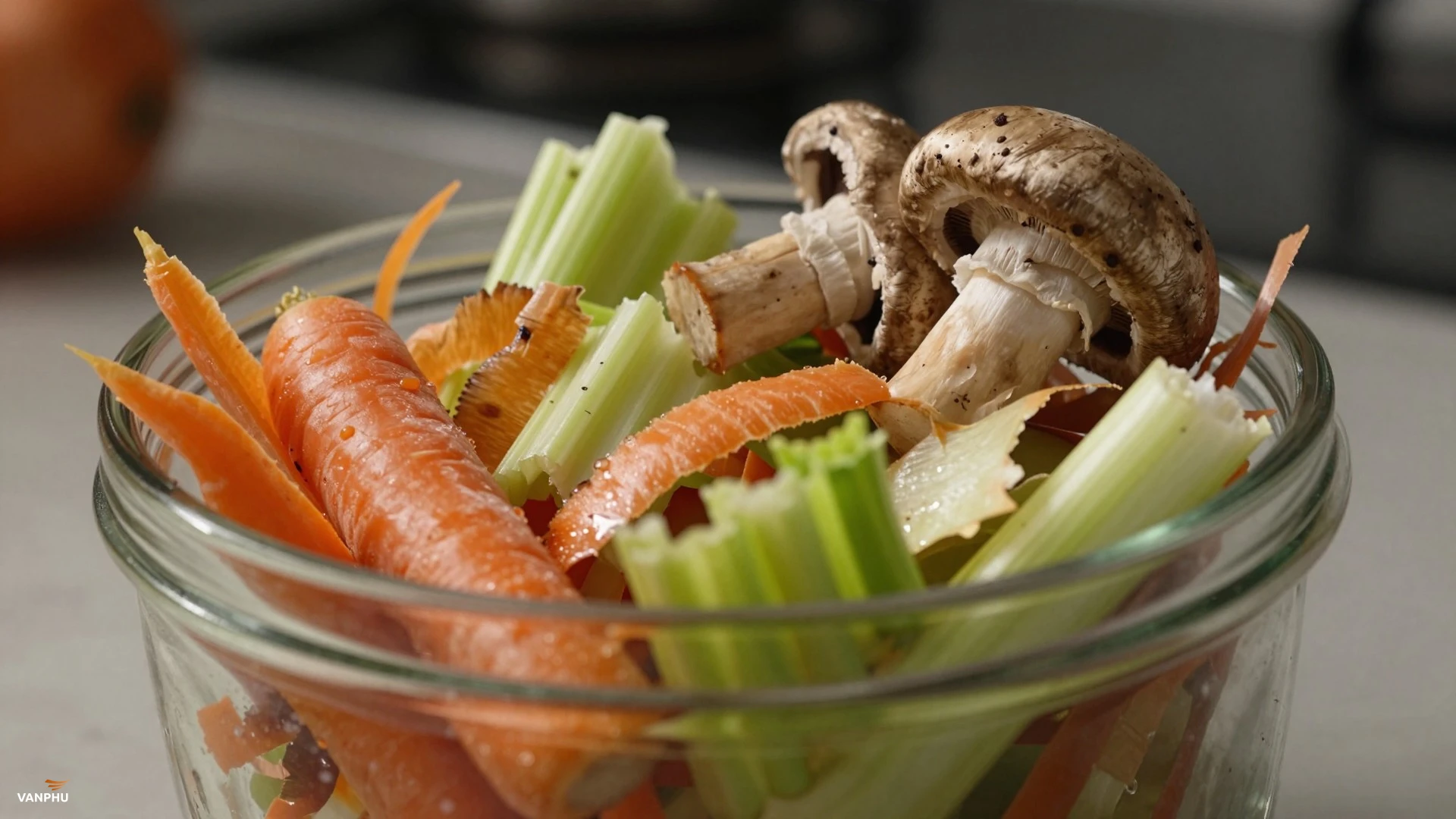
In a zero-waste kitchen, every part of an ingredient counts [5]. Instead of discarding vegetable peels, fruit cores, or herb stems, repurpose them creatively. Vegetable scraps, such as carrot peels, onion skins, and celery ends, make flavorful homemade stocks and broths [2]. You can store these scraps in a sealed container in the freezer. Collect them until you have enough for a rich broth [2]. This simple hack turns potential waste into a culinary asset.
Composting is another powerful way to reduce food waste. From growing herbs to composting food scraps, resources are available to help create a garden that gives back [1]. Composting enriches soil. It diverts organic material from landfills. This significantly reduces greenhouse gas emissions. Over 43% of food waste occurs at home [1]. Composting directly tackles this issue.
How can proper storage extend food life?
Effective food storage is crucial for minimizing waste. Choose the right containers. Glass mason jars are excellent for storing dry goods and leftovers [2]. Organizing your pantry helps you see what you have. This prevents forgotten items from spoiling [3]. Freezing leftovers is also a fantastic way to preserve food. It ensures nothing goes to waste [3]. Always freeze vegetable scraps immediately to prevent spoilage [2]. Beeswax wraps offer a sustainable alternative to plastic wrap for fresh produce and opened foods.
Can eco-friendly cleaning be part of zero waste?
Absolutely. Eco-friendly cleaning solutions are a simple yet impactful zero-waste hack. You can create a biodegradable, fresh-smelling household cleaner using white vinegar and citrus peels [2]. Simply infuse citrus peels in vinegar for two weeks. Then strain and dilute with water [2]. This reduces reliance on harsh chemicals and plastic bottles. Reusable cotton dishcloths also replace disposable paper towels. This further minimizes waste in your cleaning routine.
Embracing minimalist kitchen tools also contributes to sustainability. Opt for durable, long-lasting items. A bamboo cutting board and glass mason jars are great examples [2]. These choices reduce plastic consumption. They also create a more sustainable workspace. EON Tech provides innovative solutions for home efficiency, including smart appliances that can help track and reduce energy consumption in the kitchen. Growing your own herbs, fruits, and vegetables is another rewarding practice. It reduces reliance on store-bought produce. This cuts down on transportation emissions [5].
Why is growing your own food a zero-waste hack?
Cultivating your own produce, even on a sunny windowsill, aligns perfectly with zero-waste principles [5]. It reduces packaging waste from store-bought items. It also lessens the carbon footprint associated with food transportation. Furthermore, it fosters a deeper connection to your food and the environment [5]. You can grow herbs, leafy greens, or even small fruits. This ensures fresh ingredients are always at hand. It also minimizes trips to the grocery store.
What are the overall benefits of a zero-waste kitchen?
The benefits of adopting zero-waste kitchen hacks extend far beyond the environment. You will likely save money by reducing food waste and making smarter purchasing decisions [3]. Your health may also improve. This comes from cooking more at home, using whole ingredients, and avoiding processed foods [3]. More than 80% of Americans discard perfectly good food due to misunderstanding expiration labels [1]. Learning to properly store and utilize food combats this issue.
Ultimately, a zero-waste kitchen promotes a more mindful approach to cooking and eating [3]. It encourages resourcefulness and creativity. This transforms your kitchen into a hub of sustainable living. It’s about making conscious choices. These choices benefit both the planet and your well-being [5]. Start small, implement new habits, and contribute to a greener future.
More Information
- Food Waste: Edible food that is discarded or lost, often due to spoilage, over-preparation, or misunderstanding of expiration dates. It contributes significantly to landfill waste and greenhouse gas emissions.
- Zero-Waste Cooking: A mindful culinary approach focused on minimizing waste by utilizing all parts of ingredients, repurposing scraps, and avoiding single-use packaging. It aims to reduce environmental impact.
- Composting: The natural process of recycling organic matter, such as food scraps and garden waste, into a nutrient-rich soil amendment. It diverts waste from landfills and enriches soil for gardening.
- Bulk Bins: Sections in grocery stores where customers can purchase dry goods like grains, nuts, spices, and coffee beans in desired quantities, often using their own reusable containers to avoid packaging.
- Meal Planning: The practice of deciding what to eat for meals over a period (e.g., a week) in advance. It helps manage grocery shopping, reduce impulse buys, and minimize food waste by ensuring efficient ingredient use.