Why is the Vietnam PropTech ecosystem a top priority for venture capital?

The real estate landscape in Vietnam is undergoing a radical digital transformation. Technology is no longer a luxury but a necessity for growth. Investors are increasingly looking at the Vietnam PropTech ecosystem as a high-potential frontier. This sector combines the nation's robust real estate market with a booming digital economy.
PropTech, or property technology, streamlines how people buy, sell, and manage assets. In Vietnam, this industry has evolved from simple classified websites to complex AI-driven platforms. The convergence of young demographics and high smartphone penetration creates a perfect storm for innovation. Venture capitalists are now identifying the next generation of unicorns within this space.
What is the current market valuation of Vietnam PropTech?
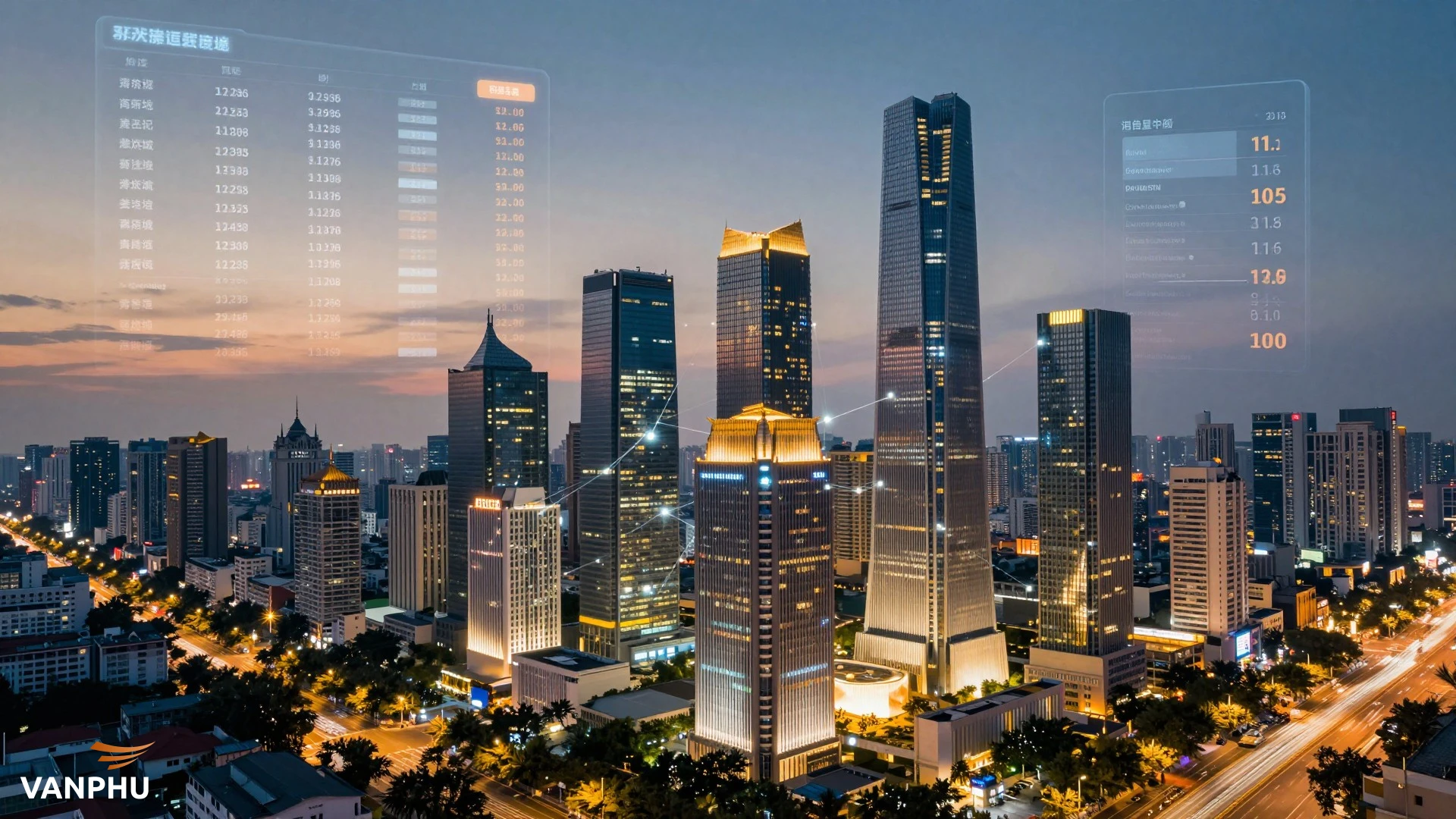
The scale of the Vietnam PropTech market has reached impressive milestones recently. According to statistics from FinREI Investment, the market size reached approximately $512.4 million in 2023 [3]. Experts project a steady annual growth rate of 18.7% between 2024 and 2029 [3]. This trajectory suggests the market could soon exceed the billion-dollar mark.
The total value of the Vietnamese real estate market is expected to surpass $47 billion by 2025 [3]. This massive underlying asset base provides significant "room" for technology to add value. Digital platforms are capturing a larger share of transaction fees and management costs. Consequently, the market potential for PropTech remains largely untapped in many provinces.
Venture capital firms are noticing these numbers and increasing their allocations. Large-scale funding rounds for companies like Rever and Homebase prove that international capital is confident. Furthermore, the entry of major domestic developers into the tech space validates the sector's maturity. The transition from traditional brokerage to tech-enabled ecosystems is now irreversible.
How do we categorize the three main pillars of PropTech?
To understand the Vietnam PropTech ecosystem, one must look at its core segments. Industry experts typically divide the sector into three primary branches: Smart Real Estate, Real Estate Fintech, and the Shared Economy [4]. Each branch addresses specific pain points in the traditional property lifecycle.
Smart Real Estate focuses on the operational side of buildings and cities. This includes IoT devices, energy management, and automated security systems [4]. Real Estate Fintech, on the other hand, facilitates the financial aspects of property [4]. It covers everything from digital mortgages to fractional ownership platforms. Finally, the Shared Economy optimizes the use of space through coworking and coliving models [4].
What makes smart real estate the foundation of modern cities?
Smart Real Estate platforms use technology to manage physical assets more efficiently. These systems can monitor a single apartment or an entire "smart city" infrastructure [4]. They provide real-time data on building performance, which helps reduce operational costs for owners. For residents, it means enhanced safety through smart surveillance and digital access controls.
In Vietnam, developers are integrating these technologies into new residential projects. Leading developers like Văn Phú are now prioritizing these digital integrations to stay competitive. These features often include smart lighting, automated climate control, and integrated resident apps. Such innovations significantly increase the long-term value of the property for both investors and users.
Why is real estate Fintech crucial for transaction security?
Real Estate Fintech is perhaps the most disruptive segment in the Vietnam PropTech ecosystem. It applies IT solutions to financial systems to make buying and selling easier [4]. In a market where legal transparency can be a challenge, Fintech provides a layer of trust. Digital platforms now offer verified listings and transparent pricing data.
Mobile applications have become the primary tool for these financial interactions. Users can now perform tasks like digital land valuation and online deposits with high security. These apps allow for public listing of legal information, making the process much safer [2]. This transparency is attracting a new generation of retail investors who previously feared market opacity.
How does the shared economy optimize underutilized assets?
The Shared Economy model is based on the community's shared use of real estate [4]. This segment has seen explosive growth in urban centers like Hanoi and Ho Chi Minh City. Coworking spaces are the most visible example, with 14 major companies operating in the segment [1]. Brands like Toong and Dreamplex have successfully scaled their operations across the region.
This model allows businesses to access premium office space without heavy capital expenditure. It also creates a flexible environment that appeals to the growing freelance and startup population. Beyond offices, the shared economy is expanding into "cloud kitchens" and shared warehousing. These innovations maximize the utility of every square meter in densely populated cities.
Why are foreign investors flocking to the Vietnamese market?
The Vietnam PropTech ecosystem is heavily influenced by international capital. JLL Vietnam reports that 80% of PropTech companies in the domestic market are foreign-owned or have foreign backing [1]. This high percentage indicates that global venture capitalists see Vietnam as a strategic hub. The combination of high yields and digital growth is a rare find.
Investors from Singapore, Japan, and South Korea are particularly active. They bring not only capital but also technical expertise and proven business models. This influx of foreign experience helps local startups bypass early-stage mistakes. Additionally, the government's push for digital transformation makes the investment climate more favorable. Foreign VCs are betting on Vietnam's ability to leapfrog traditional real estate stages.
How has the mobile revolution transformed property search habits?
Vietnam currently ranks 9th globally in terms of mobile application downloads [2]. With over 257 billion new downloads annually, the "mobile-first" mentality is undeniable [2]. This shift has forced the real estate industry to move away from paper-based advertisements. Property seekers now expect to find everything on their smartphones.
Apps like iHouzz, Reti, and Housemap allow users to search for properties anytime, anywhere [2]. These platforms provide 360-degree virtual tours and instant messaging with brokers. The convenience of booking a viewing or paying a deposit online has changed consumer behavior. Consequently, companies that fail to provide a seamless mobile experience are quickly losing market share.
What are the most successful business models in the current landscape?
The most successful PropTech firms in Vietnam are those that build comprehensive ecosystems. Instead of offering a single service, they integrate multiple solutions into one platform. For example, Meey Group has developed an ecosystem of over 20 tech products [3]. This approach captures the user at every stage of the property journey.
Another winning model is the integration of PropTech with Fintech. Many property management apps are now connecting with e-wallets to simplify fee collection [1]. This synergy improves the user experience and creates new revenue streams for the companies. Platforms that focus on coworking space trends are also finding success by catering to the hybrid work movement.
Why did some high-profile startups fail in the past?
The path to success in the Vietnam PropTech ecosystem is not without risks. The closure of Propzy in 2022 serves as a cautionary tale for investors [3]. Despite raising $37 million from major funds like SoftBank, the company could not survive the pandemic's impact [3]. This failure highlighted the importance of sustainable burn rates and adaptable business models.
Many startups struggle with the "offline" nature of real estate. While the tech is digital, the asset and the legal process remain physical. Bridging this gap requires significant operational manpower and local knowledge. Startups that over-invested in technology without understanding local brokerage nuances often found themselves disconnected from the market. These lessons have made current investors more diligent and focused on unit economics.
How can PropTech solve the transparency issues in Vietnam?
Transparency has historically been a major hurdle for the Vietnamese real estate market. Information was often fragmented, and pricing was inconsistent. PropTech platforms are solving this by aggregating massive amounts of data. Websites like Batdongsan.com.vn and Mogi provide historical price trends and verified listings [2].
By digitizing legal documents and property history, these platforms reduce the risk of fraud. This is especially important for international investors who may not be familiar with local regulations. Digital platforms act as a bridge, providing the data needed for informed decision-making. As more data becomes public, the market becomes more efficient and attractive to institutional capital.
What is the role of big data and AI in property valuation?
Valuation is a critical component of any real estate transaction. Traditionally, this was a slow and subjective process. Now, companies like Citics and Cen Value are using big data to provide instant valuations [2]. These tools analyze thousands of data points, including location, recent sales, and urban planning trends.
AI algorithms can predict future price movements with increasing accuracy. This helps buyers and sellers make decisions based on data rather than emotion. For banks, automated valuation models (AVMs) speed up the mortgage approval process. This efficiency is a key driver of the PropTech ecosystem's 2024 growth. As AI technology matures, we can expect even more precise and personalized real estate advice.
How will the 2024 Land Law impact digital platforms?
The regulatory environment in Vietnam is evolving to keep pace with technology. The new Land Law of 2024 is expected to have a profound impact on the PropTech sector. It encourages the digitization of land records and promotes more transparent land management. This legal framework provides the "green light" for many digital platforms to expand their services.
Digital land databases will allow PropTech firms to access official data more easily. This will reduce the reliance on "scraped" or unverified information. For venture capitalists, a clearer legal framework reduces the "regulatory risk" associated with their investments. The alignment of government policy with digital innovation is a strong signal of market maturity.
Why is sustainability becoming a core component of PropTech?
Environmental, Social, and Governance (ESG) criteria are becoming vital for global investors. In Vietnam, PropTech is playing a key role in making real estate more sustainable. Smart building systems optimize energy consumption and reduce waste. This not only helps the environment but also lowers costs for building owners.
PropTech startups are now developing tools to track carbon footprints and certify "green" buildings. As the Vietnamese government targets net-zero emissions by 2050, these technologies will become mandatory. Investors are looking for startups that can help the real estate sector transition to a low-carbon future. Sustainability is no longer just a trend; it is a core value proposition in the Vietnam PropTech ecosystem.
What should venture capitalists look for in a PropTech startup?
Investing in the Vietnam PropTech ecosystem requires a nuanced approach. Venture capitalists should look for teams that have a deep understanding of both technology and local real estate. A "copy-paste" model from Silicon Valley rarely works without local adaptation. Startups must demonstrate their ability to navigate the complex legal and cultural landscape of Vietnam.
Scalability and integration are also key factors. Can the platform expand beyond Hanoi and Ho Chi Minh City? Does it integrate with existing financial and legal systems? Furthermore, the ability to generate high-quality data is a significant competitive advantage. In the digital age, data is the new oil, and the companies that control it will lead the market.
Finally, the entry of major players like Vinhomes Market indicates that the "big fish" are moving in [5]. Startups need to find niches where they can provide unique value or partner with these giants. The most successful investments will likely be in companies that solve fundamental problems of trust and efficiency.
What are the long-term projections for the Vietnam PropTech ecosystem?
The future of the Vietnam PropTech ecosystem looks incredibly bright. As the market moves toward a $1 billion valuation, we will see more consolidation and specialized services. Technologies like Blockchain could revolutionize land registries and title deeds. Virtual and Augmented Reality will make remote property buying a standard practice.
We are also likely to see the emergence of the first Vietnamese PropTech "unicorns." These companies will not only dominate the domestic market but also expand into neighboring Southeast Asian countries. The foundation has been laid, the capital is flowing, and the technology is ready. For venture capitalists, the window of opportunity to enter this high-growth market is wide open.
More Information
- PropTech [1]: A term combining "property" and "technology," referring to the use of information technology to help individuals and companies research, buy, sell, and manage real estate.
- Smart Real Estate [2]: A branch of PropTech describing technology-based platforms that manage and operate buildings, ranging from individual apartments to entire smart city infrastructures.
- Real Estate Fintech [3]: The application of financial technology to real estate to facilitate transactions, including digital payments, crowdfunding, and fractional ownership models.
- Shared Economy [4]: An economic model based on sharing underutilized assets or services, such as coworking spaces or coliving arrangements, facilitated by digital platforms.
- Fractional Ownership [5]: An investment model where multiple investors own a percentage of a high-value property, allowing for lower entry costs and diversified real estate portfolios.