How can smart kitchen automation simplify life for busy professionals?
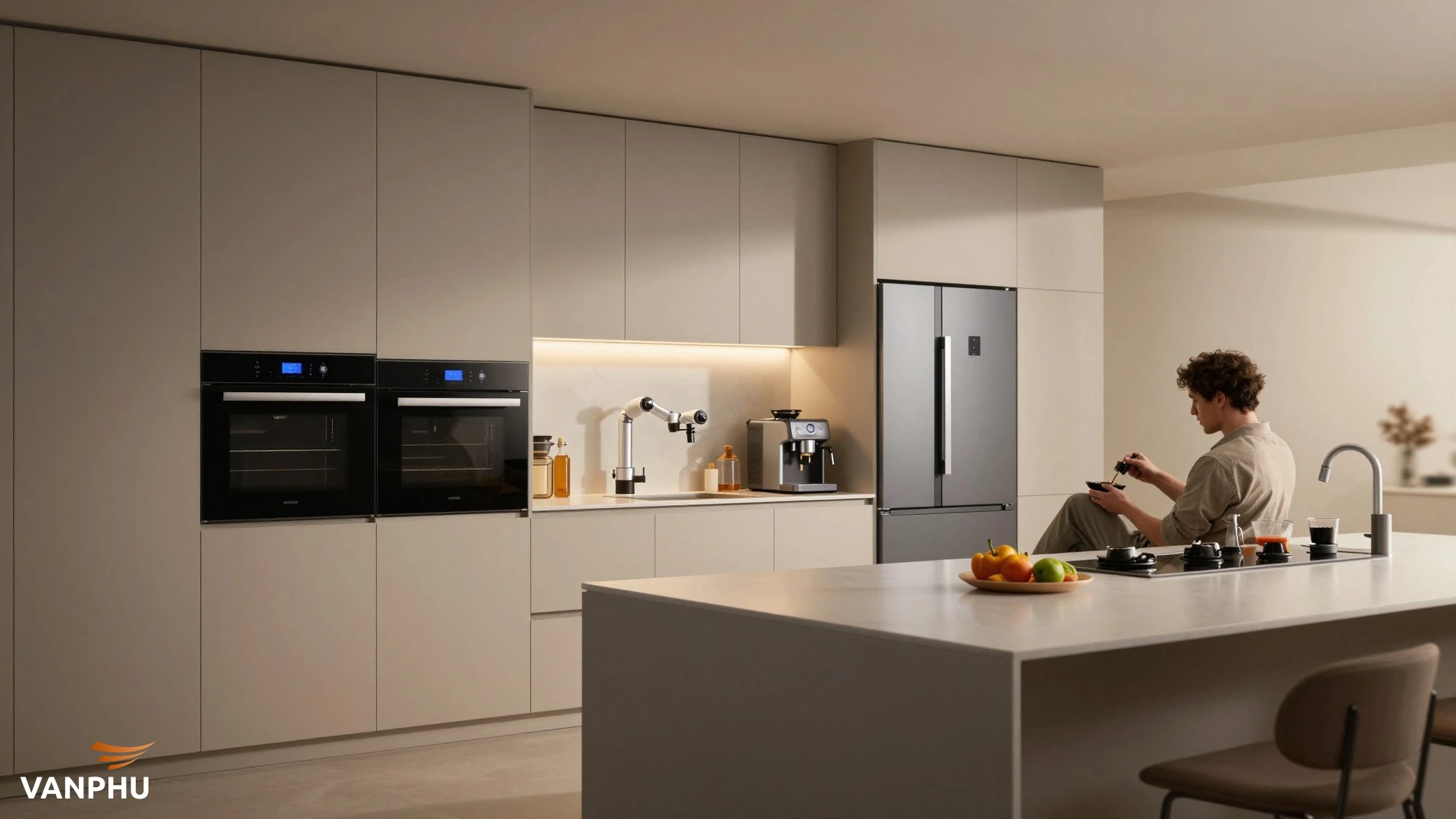
For today's busy professionals, time is a precious commodity. The demands of work, family, and personal life often leave little room for elaborate meal preparation. This is where smart kitchen automation steps in, promising to transform mundane culinary tasks into seamless, efficient experiences [5]. Imagine a kitchen that anticipates your needs, streamlines cooking processes, and even helps manage your groceries. This isn't a futuristic fantasy; it's the growing reality of automated kitchens.
The global market for smart kitchen appliances is experiencing significant growth, projected to reach approximately USD 60.20 billion by 2030 [5]. This expansion highlights a clear demand for technologies that enhance convenience and efficiency in our homes. But what exactly does smart kitchen automation entail, and how can it genuinely benefit those with demanding schedules?
What is smart kitchen automation and why is it relevant for busy professionals?
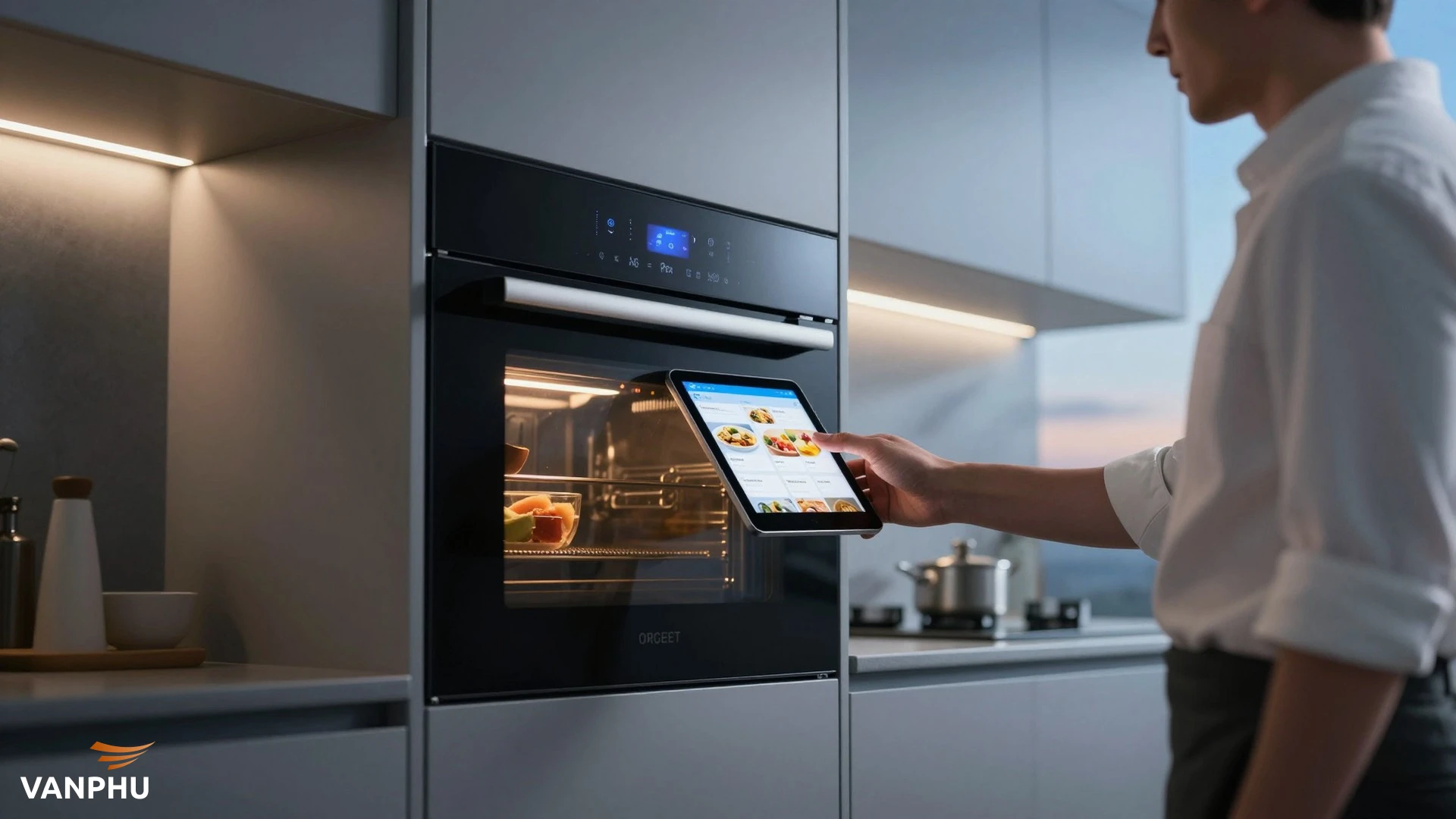
Smart kitchen automation involves integrating advanced technologies and interconnected devices within the kitchen to streamline cooking processes [3]. This ecosystem utilizes smart appliances, sensors, voice assistants, and mobile applications to control, monitor, and optimize various kitchen tasks. From ovens that adjust cooking times to refrigerators that track inventory, these innovations turn traditional kitchens into intelligent hubs of productivity.
What key features define smart kitchen automation systems?
Several core features make smart kitchens incredibly appealing for busy individuals. Firstly, interconnectivity allows devices to communicate seamlessly via Wi-Fi or Bluetooth, enabling coordinated operations [3]. Secondly, remote control capabilities mean you can operate appliances from anywhere using a mobile app, perhaps preheating your oven on the commute home. Thirdly, personalization options allow you to tailor cooking settings based on dietary preferences or allergies [3]. Furthermore, smart appliances often optimize energy usage, contributing to both cost savings and environmental benefits [3]. Real-time monitoring, recipe integration, and advanced safety features like automated shut-offs also play crucial roles in enhancing the overall kitchen experience [3].
How do smart appliances make daily cooking easier?
Modern smart appliances are designed to take over many tasks traditionally performed manually, freeing up valuable time. They can handle every step from precise ingredient measurement to mixing, cooking, and even initial clean-up [2]. This versatility means less stress and more time for other priorities.
Can smart refrigerators truly simplify grocery management and meal planning?
Absolutely. Today's smart refrigerators are far more than just "ice boxes" [2]. Equipped with smart sensors and mobile app connectivity, they monitor freshness and "best by" dates, reminding you to use items quickly. Some models can even automatically add depleted items to a shopping list or suggest recipes based on available ingredients, minimizing food waste [2]. This feature alone can save busy professionals countless hours typically spent on grocery planning and shopping.
How do smart ovens and cooktops enhance cooking precision and convenience?
Smart ovens and cooktops are game-changers for consistent cooking results. They use AI to analyze recipes and adjust settings for perfect outcomes [3]. You can pre-program recipes, set precise temperatures, and monitor cooking progress remotely via your smartphone [4]. This means no more guesswork or constant checking; your smart assistant manages everything from mixing to regulating temperatures and monitoring cooking times [2]. For example, the THOR Kitchen Professional 36-Inch Electric Cooktop offers advanced control for precise cooking [1].
What benefits do smart faucets offer for hands-free kitchen tasks?
Smart faucets bring a new level of hygiene and convenience to the sink area. Models like the Moen Sinema Smart Faucet offer hands-free operation with motion control, allowing you to turn water on and off with a simple wave [1]. Voice commands via Alexa or Google Assistant provide even greater ease, making tasks like filling pots or washing hands effortless [1]. LED lights often indicate water temperature, adding an extra layer of safety and functionality [1].
What are the emerging technologies shaping the future of automated kitchens?
The evolution of smart kitchens is continuous, driven by advancements in artificial intelligence, robotics, and the Internet of Things (IoT) [4]. These innovations promise even more sophisticated and integrated kitchen experiences.
How are AI and robotics transforming kitchen capabilities?
AI-powered cooking assistants are becoming increasingly sophisticated, capable of analyzing recipes and adjusting appliance settings for optimal results [3]. Robotics, while still emerging, offers a glimpse into a future where robotic arms perform tasks like mixing, chopping, and even serving [4]. Companies are developing "robot chefs" that can prepare complete meals following pre-set recipes, ensuring consistency and quality [4]. This level of automation, championed by innovators like EON Tech, will further reduce the manual effort required in the kitchen.
What role does IoT play in creating a truly integrated smart kitchen?
IoT integration is fundamental to the concept of a smart kitchen, enabling all appliances and sensors to connect and communicate [3]. This allows for synchronized operations and centralized control, meaning your smart oven can communicate with your smart range hood, or your refrigerator can trigger your smart shopping list app. Voice-activated controls, integrated with virtual assistants like Alexa and Google Assistant, further enhance this connectivity, allowing hands-free operation and access to step-by-step recipes [4].
How can busy professionals choose the right smart kitchen solutions?
Selecting the ideal smart kitchen setup requires careful consideration of several factors to ensure it truly enhances your lifestyle rather than adding complexity [5].
What factors should be considered when investing in smart kitchen automation?
First, assess compatibility with your existing home systems and other smart devices [1]. An integrated ecosystem works best. Second, consider the installation complexity; some systems might require professional help [1]. Third, budget and cost factors are crucial, as smart appliances can represent a significant investment [1]. Fourth, evaluate feature integration options, ensuring the chosen devices offer the functionalities most valuable to you [1]. Finally, always prioritize quality, durability, and reliable support and warranty options [1]. It's also wise to consider the user experience and potential learning curve, as well as data and privacy concerns associated with connected devices [5]. For more insights into these considerations, explore resources like Simply Cookings' guide to smart kitchen suites.
What are the practical advantages of an automated kitchen for a busy lifestyle?
The benefits of smart kitchen automation extend beyond mere gadgetry, offering tangible improvements to daily life for busy professionals.
How does kitchen automation contribute to time saving and efficiency?
By automating repetitive and laborious tasks, smart kitchens allow users to save valuable time [4]. The ability to plan meals in advance or start cooking remotely provides more flexible time management, which is invaluable for those with demanding schedules [4]. This efficiency also extends to reducing food waste and streamlining grocery shopping, making your kitchen more sustainable and cost-effective [3].
Can smart kitchens improve consistency, quality, and safety in cooking?
Automated systems ensure that every dish is prepared with precision, minimizing human error and guaranteeing consistent quality [4]. This is particularly useful for replicating complex recipes or adhering to specific dietary needs. Furthermore, smart kitchens enhance safety by monitoring temperatures and cooking times accurately, reducing the risk of accidents [4]. Automated shut-offs and alerts provide peace of mind.
How do automated kitchens offer enhanced personalization and cater to dietary needs?
Smart kitchens can adapt to individual preferences, suggesting recipes and cooking methods based on your tastes and dietary requirements [4]. Some systems can even analyze nutritional content and suggest healthier alternatives [3]. This level of customization makes the dining experience more enjoyable and ensures meals are always suited to every member of the family [2]. For a deeper dive into how technology is transforming culinary experiences, consider reading about how AI is transforming recipe creation for tech-savvy foodies?
What does the future hold for smart kitchen automation?
The trajectory of smart kitchen automation points towards even greater integration, intelligence, and ease of use. As technology advances, these systems will become more intuitive and capable.
The automated kitchen is no longer a distant dream but a tangible reality, offering significant advantages for busy professionals seeking to reclaim time and reduce stress. By embracing these smart solutions, you can transform your kitchen into an efficient, personalized, and enjoyable space, allowing you to focus on what truly matters. To learn more about the broader impact of technology on daily life, you might find this article on smart home automation for cooking insightful.
More Information
- Smart Faucet: A kitchen faucet equipped with sensors, voice control, or motion activation for hands-free operation and precise temperature/flow control, often with app connectivity.
- Automated Kitchen Assistant: A smart appliance or system designed to handle various cooking processes, from measuring ingredients to monitoring cooking, reducing manual effort.
- Interconnectivity: The ability of smart devices within a kitchen ecosystem to communicate and coordinate with each other, often via Wi-Fi or Bluetooth, for seamless operation.
- Kitchen Robotics: The application of robotic technology, such as robotic arms or automated cooking systems, to perform complex culinary tasks with precision and consistency.
- Smart Kitchen Suite: A collection of interconnected smart kitchen appliances and devices that work together to create a unified, automated culinary experience.