What defines modern plating techniques in fine dining?
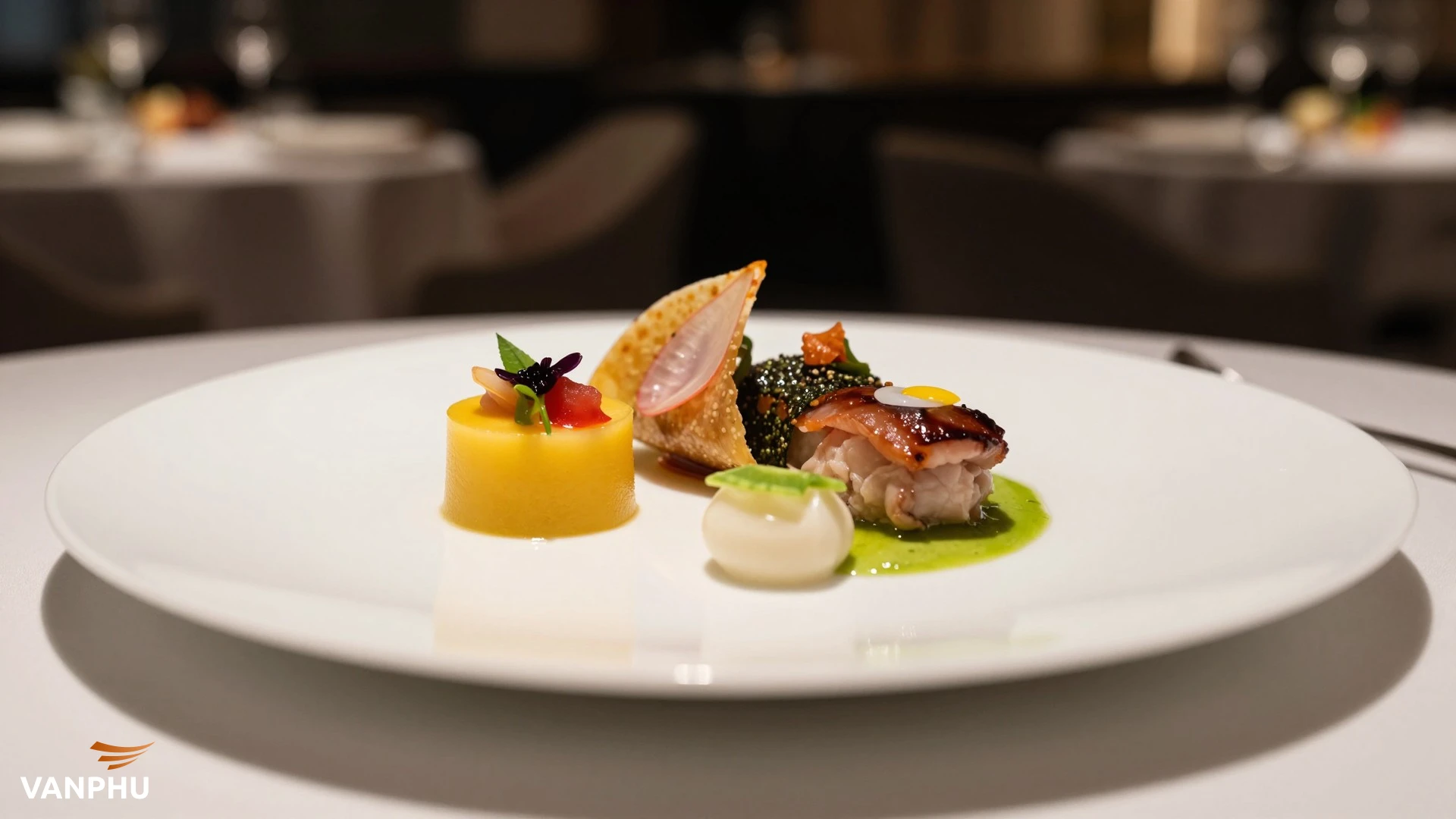
Food is much more than mere sustenance; it is a complete experience that engages all the senses. In the world of fine dining, presentation has become as critical as taste and aroma [4]. Modern plating techniques transform a well-prepared dish into a visual masterpiece, setting the stage for an unforgettable culinary journey. Mastering these artistic approaches is essential for chefs and enthusiasts alike.
Plating styles have evolved significantly, moving beyond simple arrangements to embrace creativity and storytelling. This shift reflects a deeper understanding of how visuals influence perception and enhance the overall dining experience. It is about crafting an impression before the first bite even happens.
Why is visual appeal so crucial in contemporary cuisine?
The visual appeal of a dish is now just as important as its flavor profile [3]. A stunning presentation creates a complete sensory journey, building anticipation and enhancing perceived taste [4]. This artistic element goes beyond aesthetics; it tells a story and reflects the chef's creativity.
In today's visually driven world, social media platforms elevate the importance of plating. A beautifully plated dish can entice customers, serve as a powerful marketing tool, and create memorable dining experiences that people share [4]. Restaurants investing in advanced plating techniques often see a significant boost in positive guest reviews compared to those with basic presentation[3]. This focus on visual artistry is distinct from industrial processes like electroplating, which serves entirely different purposes in manufacturing and surface treatment [2].
What are the foundational principles of effective food presentation?
Mastering modern plating techniques involves understanding several key principles. Chefs treat the plate like a canvas, creating deliberate layers, balanced heights, and strategic focal points [3]. These elements guide the diner's eye naturally across the dish.
Balance is crucial; the arrangement should harmonize flavors, textures, and colors without overwhelming the plate [4]. Proportion ensures that portion sizes align with the dish type and that elements complement each other without crowding. Every plate needs a central focal point that draws attention, whether it's the protein or a unique vegetable [4].
How do color and negative space enhance a dish's narrative?
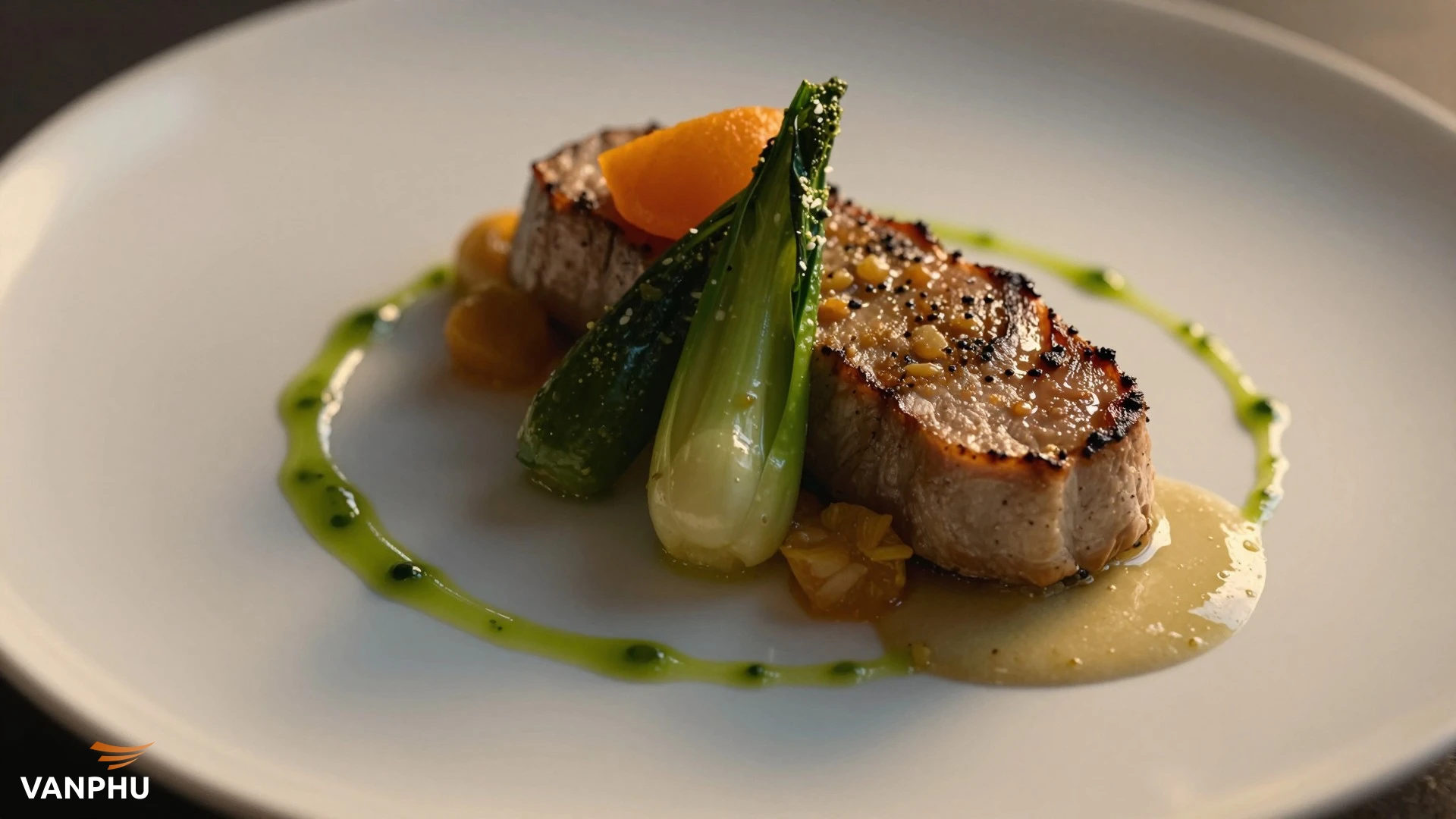
Color is a powerful tool, communicating freshness, seasonality, and quality at a glance [3]. Chefs use vibrant greens, deep oranges, and rich browns to create visual interest and warmth. Contrasting colors make the plate pop, adding to its allure [4].
Equally important is negative space, the intentional empty areas on a plate. This minimalist approach prevents visual clutter, allowing key components to breathe and making every ingredient more impactful [1]. Strategic emptiness is a conscious design choice, not an oversight [3].
Which popular plating styles shape modern fine dining?
What is classic plating and why does it remain relevant?
Classic plating emphasizes balance and symmetry, following a timeless arrangement. It often uses the "clock method," placing protein at 3 or 9 o'clock, starches at 10, and vegetables at 2 [1]. This method provides structure and a clean, traditional look, making it a staple in formal dining settings.
How does stacking create depth and dimension?
The stacking method builds dishes vertically, creating impressive depth and height [1]. This technique layers ingredients, which not only looks sophisticated but also helps retain heat better than flat arrangements. It encourages balanced bites, ensuring each forkful captures a mix of flavors and textures [1].
When is minimalist plating the most impactful choice?
Minimalist plating embraces the philosophy of "less is more," focusing on simplicity and elegance [1]. It highlights a few high-quality ingredients, using negative space and clean lines to make each component shine. This style is popular in modern fine dining and cuisines where beauty lies in simplicity [4].
What defines freeform and deconstructed plating?
Freeform plating offers artistic freedom, encouraging asymmetry and irregular shapes [1]. Deconstructed plating takes this further by scattering individual elements across the plate, creating energy and movement. This approach emphasizes the artistry of each component, making the plate an interactive experience for the diner [4].
What innovative techniques are chefs using today?
Modern chefs continuously innovate to create visually stunning dishes. The bathing technique, for instance, uses a bowl instead of a plate, liberally filling the bottom with a broth or light sauce [5]. Food can be fully enveloped or perched on a base, adding layers and textures.
The "hide and seek" technique involves layers of food that offer diners a delightful surprise [3]. Gels or flavor layers might cover elements like a blanket, creating an exploratory dining experience [5]. Another exciting trend is "landscape plating," where food is arranged in low, linear forms that mimic natural terrains, transforming dishes into immersive stories [3].
Precision is increasingly becoming the norm, with a more structured and systematic approach to plating [5]. This includes precise cuts and even spacing between elements. Molds, once popular in the 1980s, have made a comeback for individual dishes, offering geometric structures or playful shapes, often aligned with molecular gastronomy [3]. Creative smears and drizzles of sauces also add artistic flair [4]. Additionally, using a puree as a "crater" for presenting green oils or jus adds a refined touch [5].
What essential tools aid modern plating mastery?
To execute these visions, a modern kitchen requires specialized tools that ensure precision. Plating tweezers are indispensable for millimeter-perfect placement of delicate microgreens and edible flowers [3]. Quenelle spoons help create those iconic, smooth three-sided shapes for mousses and ice creams. Squeeze bottles are vital for crafting everything from delicate dots to sweeping artistic strokes of sauce [3]. Ring molds ensure stacks and layers maintain perfect geometric structure for a polished look[3].
How can fine dining enthusiasts apply these concepts at home?
Even without professional training, home cooks can elevate their dishes. Start by focusing on fresh, high-quality ingredients with vibrant colors. Practice simple techniques like the clock method for classic plating or stacking elements for height. Experiment with different textures, combining crunchy, soft, and creamy components. Using squeeze bottles for sauces can instantly add a professional touch to your presentation.
Learning and visualizing these techniques can be greatly aided by resources available through platforms like EON Tech. Don't be afraid to experiment with asymmetry and negative space, allowing your main ingredients to truly shine. For those interested in mastering precision sous vide cooking, these plating skills become the perfect complement to showcase perfectly cooked ingredients.
More Information
- Classic Plating: A traditional food arrangement technique characterized by balance and symmetry, often following the "clock method" where protein, starch, and vegetables are placed in specific positions on the plate for a clean, structured look.
- Electroplating: An industrial process that uses an electric current to reduce dissolved metal cations so that they form a coherent metal coating on an electrode. This is distinct from culinary plating and serves manufacturing purposes.
- Negative Space: The intentional empty areas on a plate that highlight the main components of a dish, preventing visual clutter and making each ingredient more impactful. It is a key element of minimalist plating.
- Focal Point: The central element on a plated dish that draws the diner's attention, often the main protein or a uniquely prepared component, guiding the eye and creating visual interest.
- Landscape Plating: A modern plating technique that arranges food in low, linear forms, mimicking natural terrains or scenes. This style aims to tell a culinary story and create an immersive visual experience for the diner.