Industry: A Driving Force for Vietnam’s Economic Development
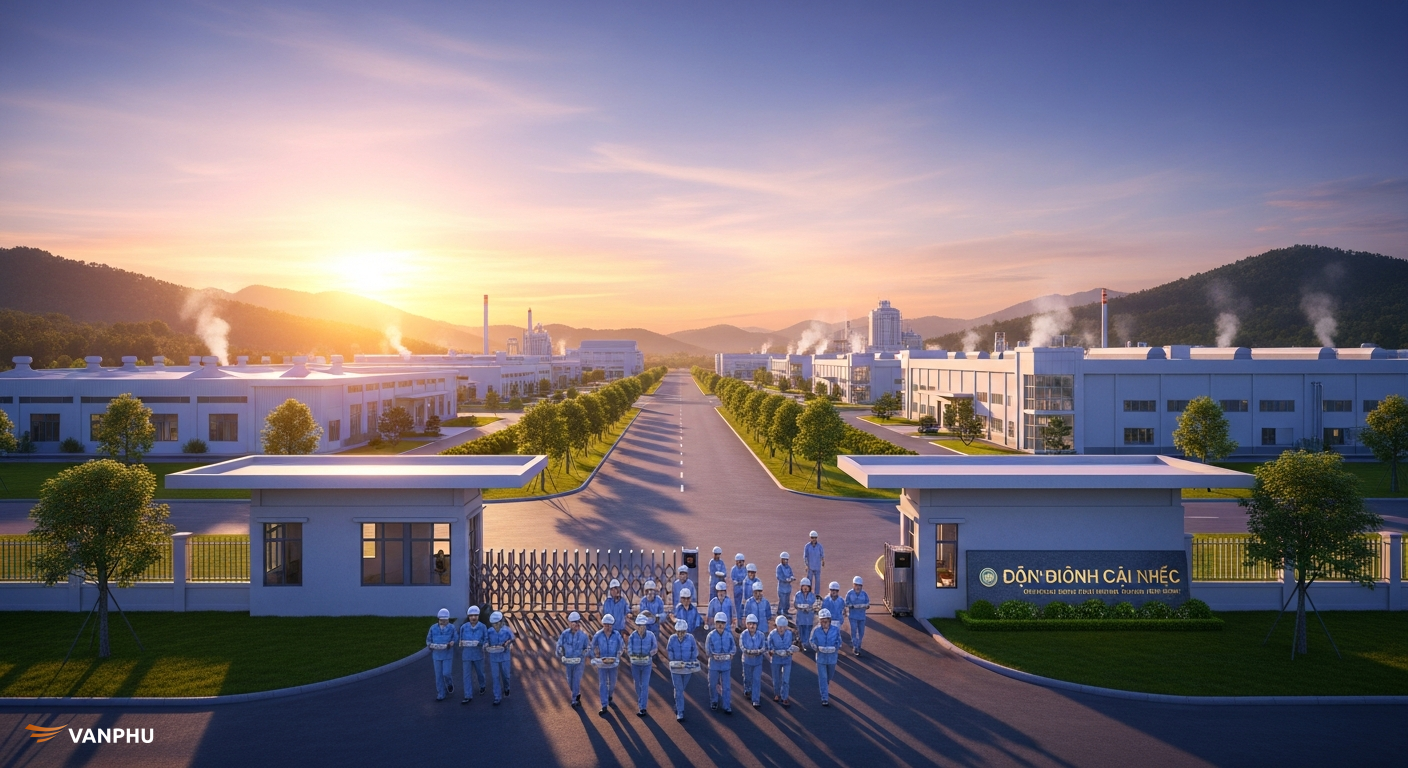
Industry plays a pivotal role in any economy. It not only creates tangible products but also drives innovation, generates employment, and improves living standards. Vietnam is no exception, with its industry increasingly asserting its position. This article will delve into the role, key sectors, and development orientations of Vietnam’s industry.
The Undeniable Role of Industry
Industry is the backbone of the modern economy. It transforms raw materials into goods with higher value. This process creates numerous jobs, from unskilled labor to highly skilled professional engineers. Furthermore, industrial development often goes hand in hand with scientific and technological advancements. This boosts labor productivity and competitiveness in the international market.
In addition, industry contributes to the development of related sectors. For example, the supporting industry provides components for assembly and manufacturing sectors. This creates a closely linked value chain, helping the economy operate more efficiently. Therefore, investing in industry is investing in a sustainable future.
Key Industrial Sectors in Vietnam
Vietnam’s industry is very diverse, encompassing many important sectors. Each sector makes unique contributions to overall development.
Processing and Manufacturing Industry
This is the largest sector in industry. It includes the production of consumer goods, machinery, electronic equipment, automobiles, motorcycles, and many other products. This industry is trending strongly towards products with higher added value. For example, the development of electronic component assembly and manufacturing plants clearly demonstrates this.
Energy Industry
Energy is an essential factor for all production and life activities. Vietnam focuses on developing both traditional and renewable energy sources. Electricity, coal, and natural gas still play an important role. However, the trend of developing new and renewable energy such as solar and wind power is increasingly being promoted. This aims to ensure energy security and minimize environmental impacts.
Mining Industry
Vietnam has great potential in mineral resources. The mining industry focuses on the exploitation of coal, metal ores, and construction materials. However, the development of this industry needs to go hand in hand with sustainable resource management and environmental protection. Therefore, regulations on exploitation are increasingly tightened.
Supporting Industry
The supporting industry plays an important role in localizing production. It provides components and spare parts for major industrial sectors. The development of this industry helps reduce dependence on imports and improve competitiveness. For example, enterprises producing molds and precision mechanical parts are increasingly developing.
Challenges and Opportunities
Besides the achievements, Vietnam’s industry also faces many challenges. However, the development opportunities are also great.
Challenges
- International competition: Vietnam faces fierce competition from countries with developed industries.
- Outdated technology: Some industries still use old technology with low efficiency.
- Shortage of high-quality human resources: The demand for labor with high skills and expertise is increasing.
- Environmental issues: Industrial activities can cause pollution if not strictly controlled.
Opportunities
- Free Trade Agreements (FTAs): FTAs open up opportunities to access a larger international market.
- Investment shift trend: Multinational corporations are trending to shift production to Vietnam.
- Increasing domestic demand: A young population and increasing income promote the demand for domestically produced goods.
- Government support policies: The government has many policies to encourage industrial development, especially the processing, manufacturing, and high-tech industries.
Industrial Development Orientation
For Vietnam’s industry to develop sustainably and effectively, clear orientations are needed. The goal is to make industry the main driving force for economic growth.
Developing High-Tech Industry
This is a top priority. Vietnam needs to focus on industries with high technology content and large added value. For example, the electronics industry, information technology, biotechnology, and new materials industry. This requires strong investment in research and development (R&D).
Improving the Quality of Human Resources
Training and developing high-quality human resources is a key factor. Training institutions need to closely link with businesses to provide suitable programs. In addition, there needs to be a policy to attract talent from home and abroad.
Promoting Supporting Industries
Strongly develop the supporting industry to reduce dependence on imports. This includes creating a favorable environment for small and medium-sized enterprises. Furthermore, there need to be policies to encourage linkages between domestic enterprises and large corporations.
Strengthening Environmental Protection
Industrial development must go hand in hand with environmental protection. Apply cleaner, environmentally friendly production technologies. At the same time, strengthen pollution control from industrial activities.
A typical example of the development and scale of industrial and infrastructure projects is large joint ventures. Joint ventures like Van Phu – Deo Ca are contributing to building the future through strategic projects.
Industry and a Sustainable Future
Industrialization is an inevitable process for development. However, the way industrialization is carried out will determine the future. Vietnam is aiming for a modern, sustainable, and globally competitive industry.
Applying advanced technology solutions is very important. For example, the Hoa Phat HPT725 industrial semi-finished RO water purifier is proof that industrial products serve essential needs. With a powerful filtration capacity of 80 liters/hour and a tank capacity of 35 liters, this product can provide drinking water for an area of 150 – 300 people. The 6-stage filtration system with RO membrane imported from Thailand meets WHO’s NSF standards, ensuring drinking water quality directly according to the standards of the Ministry of Health. This is an example of industrialization serving human life.

On the other hand, the development of industrial parks and economic zones is also an important part. They create a favorable environment for production and attract investment. Such areas need to be planned and managed methodically to maximize efficiency. Looking more broadly at the urban development vision, projects like Vlasta Thuy Nguyen bring a perspective on the harmony between industrial development and living space.
Organizational Structure of the Industry Sector
To better understand the role of state management in the industrial sector, we can consider the organizational structure. The Department of Industry under the Government Office plays a consulting and coordinating role. The Department’s responsibilities include directing and managing the fields of industry, oil and gas, transportation, construction, bidding, and planning. Specifically, the Department presides over and coordinates the appraisal of reports and projects on energy, mechanics, metallurgy, chemicals, supporting industries, electronics, and high technology. The role of the Department of Industry is very important in shaping national industrial development policy.
Frequently Asked Questions about Industry
What is industry?
Industry is an economic sector that includes activities of producing goods from raw materials through processing and manufacturing processes. It includes many industries such as mining, energy, processing, and manufacturing.
Why is industry important to a country?
Industry is important because it creates products, promotes innovation, creates jobs, increases national income, and enhances competitiveness in the international market.
What is the biggest challenge of Vietnam’s industry today?
One of the biggest challenges is fierce international competition, outdated technology in some industries, and a shortage of high-quality human resources.
What is the direction of Vietnam’s industrial development in the future?
The direction is to develop high-tech industry, improve the quality of human resources, promote supporting industries, and strengthen environmental protection.
In summary, industry is a multifaceted and essential field for economic development. With strategic orientations and continuous efforts, Vietnam can completely build a modern, sustainable industry and contribute greatly to the prosperity of the country.