Can urban apartment dwellers truly embrace vertical garden cooking?
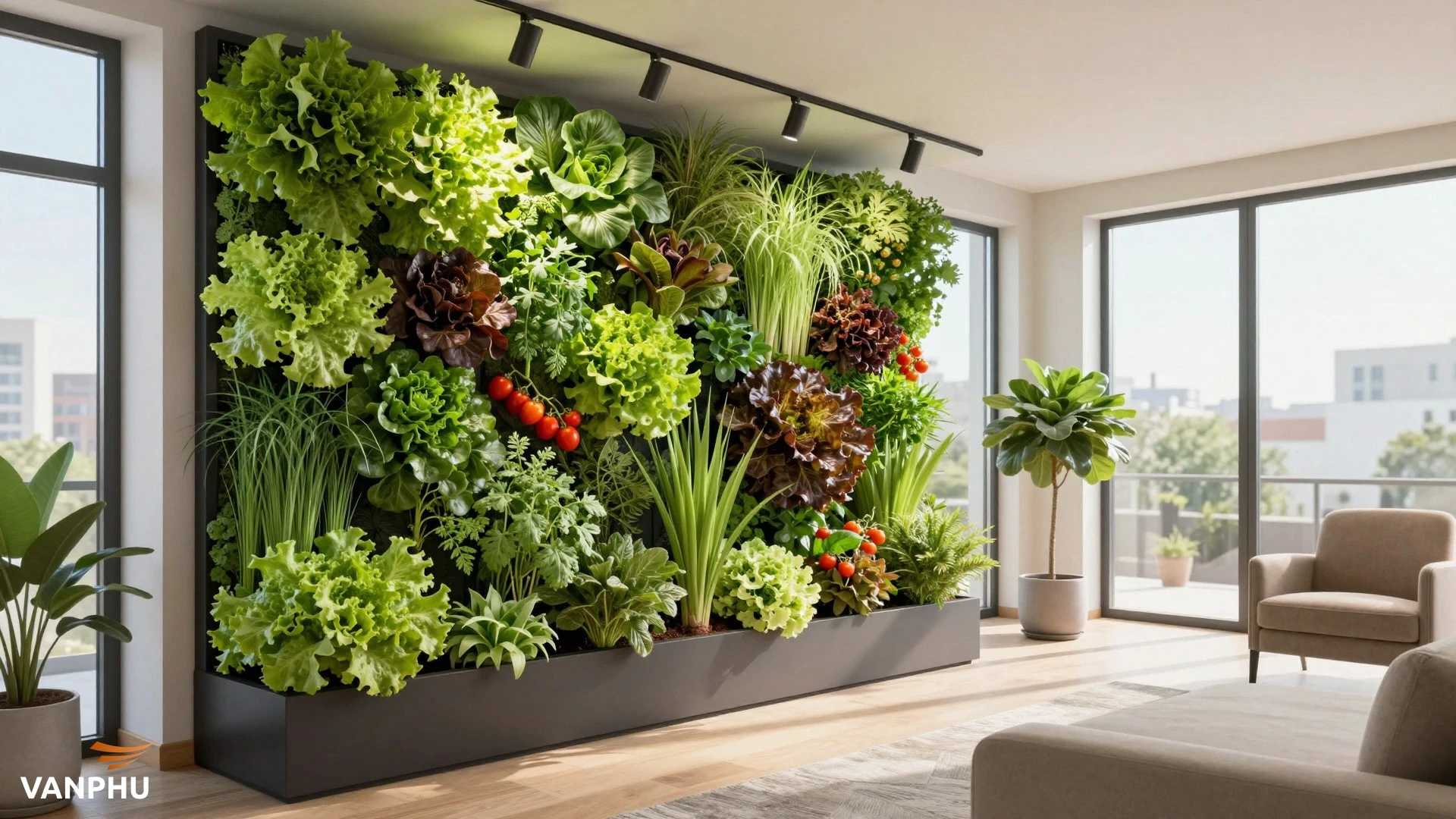
Living in a bustling city often means trading sprawling backyards for compact apartments. Yet, a desire for fresh, home-grown produce remains strong for many urban dwellers. Is it truly possible to cultivate a thriving garden and enjoy farm-to-table cooking, even without a traditional plot of land? The answer is a resounding yes, thanks to the innovative practice of vertical garden cooking.
Vertical gardening transforms unused vertical spaces into productive green areas. This method allows you to grow your favorite fruits, vegetables, and herbs upright, providing a constant supply of fresh ingredients for your culinary adventures [1]. It is an ideal solution for anyone with limited space, from tiny balconies to sunlit windowsills.
What is vertical gardening and why is it perfect for urban kitchens?
Vertical gardening is a method of growing plants in an upward direction, rather than horizontally [1]. This can involve various structures like containers, trellises, or wall-mounted systems. Consequently, it maximizes growing potential in minimal square footage. For urban apartment dwellers, this means transforming a bare wall or a small balcony into a productive garden space. Many people find this approach incredibly rewarding [2].
Why is this method so advantageous for those who love to cook? Firstly, it offers significant space-saving benefits. You can hang baskets on your patio or add planters to interior walls, freeing up valuable floor and table space [1]. Secondly, it provides daily access to fresh, organic, and pesticide-free produce, directly from your own home [1]. This eliminates the need for frequent supermarket trips and reduces reliance on plastic-packaged herbs. Moreover, growing your own produce can be cost-effective, especially when you save and replant seeds [1]. Furthermore, vertical gardens are often easier to maintain, as plants are typically at waist level or higher, reducing the need for bending or kneeling [1].
Which plants thrive best in a vertical kitchen garden?
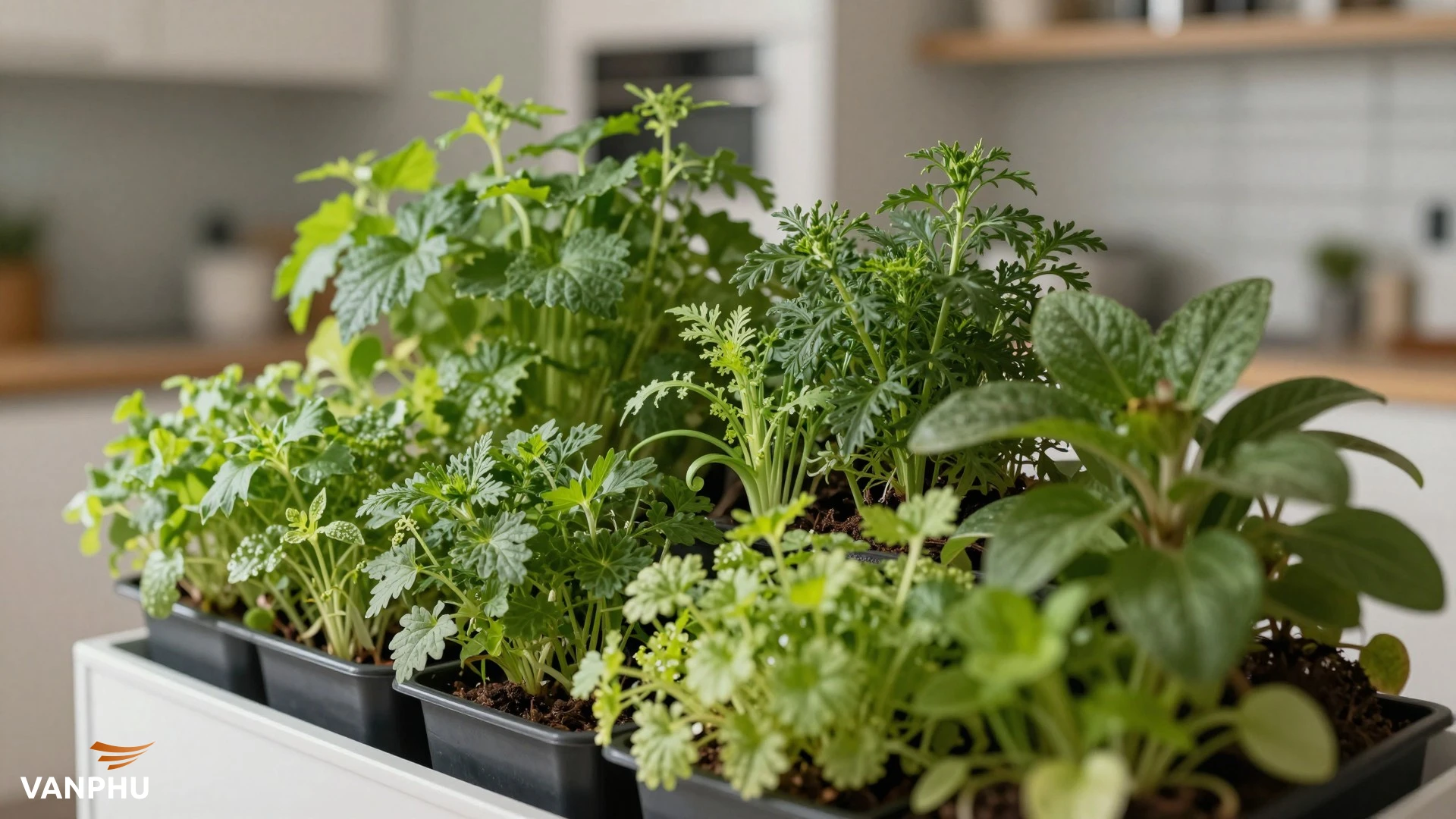
Selecting the right plants is crucial for a successful vertical garden, especially in an urban setting. Focus on herbs and vegetables that you use frequently in your cooking. Many herbs are beginner-friendly and flourish indoors with minimal fuss [2]. For instance, basil is perfect for pesto, while parsley brightens almost any dish. Thyme and rosemary are excellent for roasting meats and vegetables, and chives add a delightful oniony note [2].
Beyond herbs, consider leafy greens like lettuce, spinach, and kale [4]. These can be harvested as "cut-and-come-again" varieties, providing multiple yields. Edible flowers, such as nasturtiums, also add color and flavor to salads and smoothies [1]. When choosing plants, always consider your local climate and the microclimate of your apartment, such as how much sunlight a particular window receives [1].
How can urban dwellers set up an efficient vertical garden?
Setting up a vertical garden in an apartment can be surprisingly straightforward. First, assess your available space and sunlight. Do you have a sunny window, a free wall, or a small balcony? Your choice of setup will depend on these factors [3].
There are several popular options for vertical garden systems:
- Wall-mounted planters: These are ideal for small kitchens with available wall space. They can be racks, shelves, or specialized vertical planters [3].
- Hanging systems: If you have high ceilings, consider hanging fabric pouches, mason jars, or pots. These add a decorative touch while maximizing unused space [3].
- Freestanding vertical frames: These are perfect for renters, as they don't require drilling into walls. They can hold stacked pots or fabric pockets and are easy to move to capture sunlight [3].
- Window herb gardens: A narrow vertical planter on a sunny windowsill ensures your herbs get direct light, which is essential for strong, aromatic growth [3].
- Repurposed items: Creative solutions include pallet gardens, ladder planter stands, or even gutter gardens mounted on walls or fences [5].
Once you've chosen your setup, gather your materials. You'll need appropriate planters, a mounting structure, and high-quality potting soil [3]. Always use a lightweight, well-draining mix suitable for indoor herbs. Seeds or seedlings of your chosen plants are also essential. For indoor setups, a waterproof liner or tray is vital to protect your surfaces from water spills [3]. Modern solutions, including those offered by EON Tech, can further simplify the process with automated watering systems or smart grow lights. For optimal growth, especially in darker months, consider investing in LED grow lights [3]. A drip irrigation kit can also keep watering consistent and low-maintenance [3].
What are the best practices for maintaining a thriving vertical garden?
To ensure your vertical garden flourishes, consistent care is key. First, pay close attention to sunlight. Most herbs and vegetables need at least 6 hours of direct sunlight daily [1]. Position your garden in the sunniest spot available, but also ensure it's sheltered from strong winds if outdoors [1]. If natural light is insufficient, supplemental grow lights can make a significant difference, especially during shorter winter days. This helps maintain a year-round indoor growing setup for fresh ingredients[4].
Furthermore, soil quality matters immensely. Use a high-quality potting mix and consider adding homemade compost for extra nutrients [1]. Proper drainage is also critical; ensure your containers have holes to prevent waterlogging. Watering should be consistent but not excessive. Drip irrigation systems can be very effective for this, delivering water directly to the roots [4]. Regularly monitor your plants for any signs of pests or diseases. Because vertical gardens are easily accessible, problems can be spotted and addressed quickly [2]. Finally, regular harvesting encourages more growth, so don't be shy about snipping those fresh herbs for your cooking!
How does vertical garden cooking revolutionize the urban culinary experience?
Embracing vertical garden cooking fundamentally transforms how urban dwellers approach food. Imagine stepping into your kitchen and simply snipping fresh basil for your pasta, or mint for your evening tea [3]. This immediate access to ingredients elevates the flavor profile of every meal. Freshly harvested herbs and vegetables retain more nutrients and have a more vibrant taste compared to store-bought alternatives. This practice also fosters a deeper connection to your food source, making cooking a more mindful and rewarding experience.
Moreover, it encourages healthier eating habits. With an abundance of fresh produce readily available, you are more likely to incorporate more greens and herbs into your diet. This can lead to more nutritious meals and a reduced reliance on processed foods. Vertical garden cooking also inspires culinary creativity; having a diverse array of herbs at your fingertips encourages experimentation with new recipes and flavor combinations. For those interested in healthy eating on a budget, growing your own produce is a fantastic strategy. Can students eat healthy on a budget with superfoods? This concept extends to anyone looking to maximize their food dollar. Ultimately, vertical gardening makes gourmet cooking accessible and sustainable, even in the smallest urban kitchens.
Is vertical garden cooking a sustainable choice for city living?
Absolutely, vertical garden cooking is a highly sustainable choice for urban environments. By growing food locally, you significantly reduce the carbon footprint associated with transportation from farms to supermarkets. It also minimizes food waste, as you only harvest what you need, when you need it. This method promotes biodiversity, even on a small scale, and can contribute to better air quality indoors. Furthermore, using repurposed materials like pallets or old bottles for planters adds an eco-friendly dimension to your gardening efforts [5]. It's a small but impactful step towards a greener, more self-sufficient lifestyle in the heart of the city.
More Information
- Vertical Gardening: A method of growing plants in an upward direction, often using structures like trellises or wall-mounted containers, ideal for maximizing space in urban environments.
- Microclimate: The climate of a very small or restricted area, especially when it differs from the climate of the surrounding area, such as a balcony or windowsill within an apartment.
- Heirloom Seeds: Seeds from plants that have been passed down through generations, often open-pollinated varieties known for their unique flavors and characteristics, allowing gardeners to save seeds for future planting.
- Potting Soil: A specialized soil mix designed for growing plants in containers, typically lightweight and formulated to provide good drainage, aeration, and nutrient retention for healthy root development.
- Drip Irrigation: An efficient watering system that delivers water slowly and directly to the plant roots through a network of tubes, emitters, and drippers, minimizing water waste and promoting consistent moisture levels.