What are edible flower garnishes and why are they essential for event planners?
Event planners constantly seek innovative ways to create unforgettable experiences. Edible flower garnishes offer a unique and elegant solution. These vibrant blooms do more than just decorate; they elevate dishes with subtle flavors, aromatic nuances, and artistic flair [5]. Incorporating them can transform ordinary meals into spectacular feasts for both the eyes and the palate.
From delicate desserts to savory main courses, edible flowers add a touch of botanical elegance. They engage multiple senses, making every dish a conversation starter. Understanding their culinary potential is crucial for any planner aiming to impress guests.
How can edible flowers transform event catering?
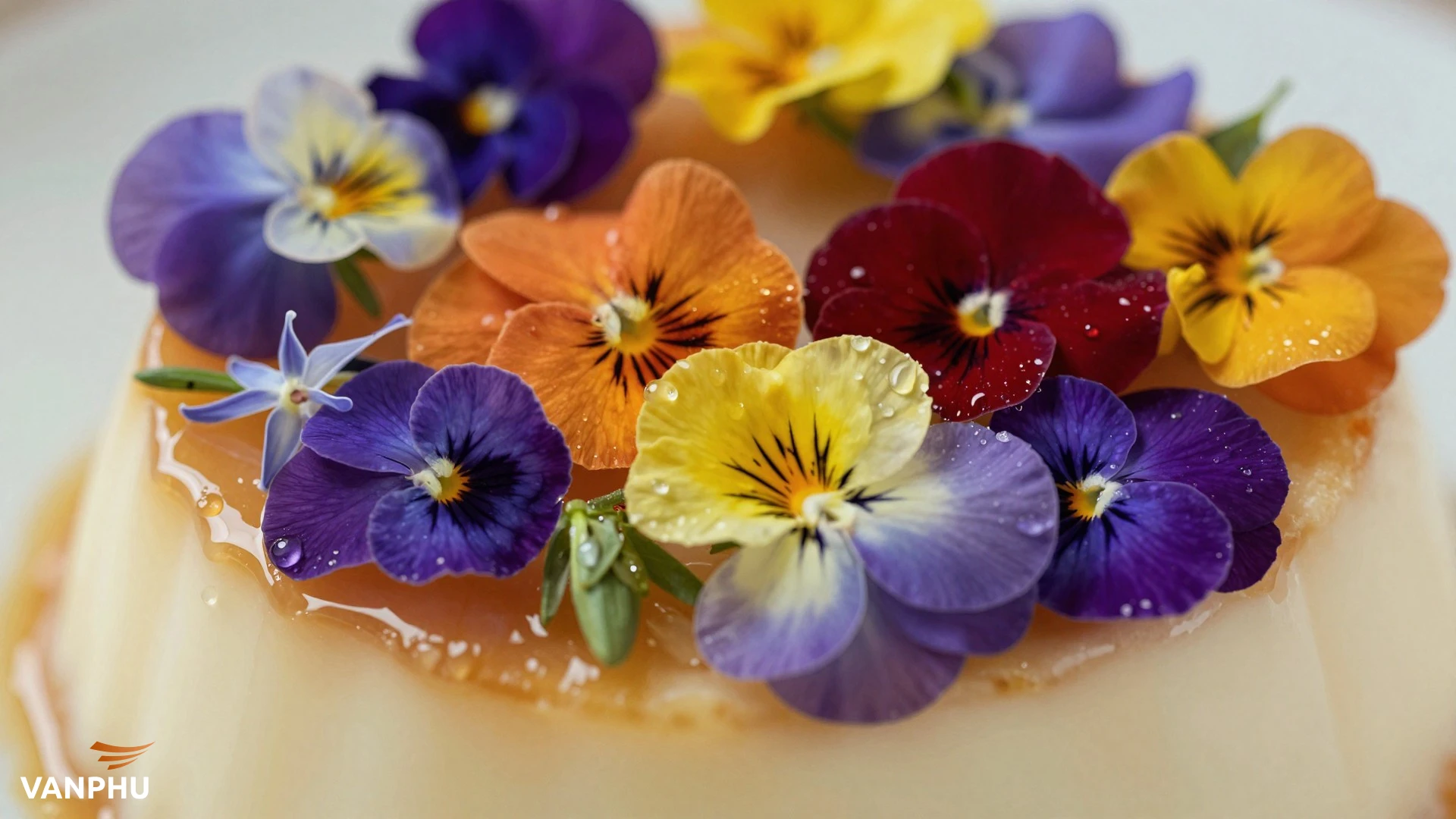
Edible flowers are a powerful tool for enhancing the aesthetic and sensory appeal of event catering. They bring a natural beauty and sophistication that artificial decorations cannot match. Imagine a cocktail adorned with a star-shaped borage flower or a cake sprinkled with colorful viola petals [1]. These small details make a big impact.
Beyond their visual charm, many edible flowers introduce unique flavors and aromas. Some offer a peppery kick, while others provide a sweet, perfumed essence [1]. This versatility allows chefs to craft dishes that are not only delightful to taste but also visually stunning [3]. They truly elevate the dining experience.
Which popular edible flowers should event planners consider?
A diverse range of edible flowers can be safely consumed and used to enhance both flavor and appearance [3]. Each variety offers distinct characteristics, making them suitable for different culinary applications. Knowing these popular options helps in menu planning.
What are the best peppery and savory edible flowers?
Some edible flowers are known for their distinct savory and peppery notes. These can add an exciting twist to many dishes.
- Nasturtium: These bright, trailing flowers come in shades of orange, yellow, and red. They offer a distinct peppery taste, similar to radish or watercress [1]. Nasturtiums are perfect for salads or as a garnish for savory dishes [4].
- Chive Blossoms: With their vibrant purple hue, chive blossoms provide a subtle onion flavor. They are excellent for garnishing soups, salads, and scrambled eggs [1]. These flowers add both color and a mild aromatic essence.
- Calendula (Marigold): Often called "poor man's saffron," calendula petals are bright orange. They have a slightly bitter and peppery taste [1]. Use them to add color to rice dishes, soups, or stews [2].
Which sweet and fragrant edible flowers delight the palate?
For desserts, cocktails, and other sweet applications, certain flowers bring a delicate sweetness and captivating aroma.
- Viola: These delicate blossoms offer a sweet, perfumed flavor and come in many colors [1]. Violas are ideal for adorning cakes, pastries, and other sweet treats [5].
- Rose: Rose petals have a light, sweet flavor reminiscent of green apples and strawberries [4]. They are versatile, working well in sweets, baked goods, and even spice mixes [2].
- Lavender: This delicate purple plant offers intriguing floral flavors. Lavender can be used in pastries, teas, and lemonades [2]. Its soothing aroma is a bonus.
- Lilac: Lilac flowers have a distinct lemon flavor with floral overtones [4]. They are perfect for making syrups, flavoring cakes, or decorating cocktails.
Are there any unique or refreshing edible flowers?
Some edible flowers offer distinct and refreshing tastes that can surprise and delight guests.
- Borage: With its star-shaped blue flowers, borage has a mild cucumber flavor [1]. It is a refreshing addition to summer cocktails, salads, or appetizers [3].
- Cornflower: This wildflower has a lightly fragrant, neutral flavor, sometimes described as slightly spicy or clove-like [4]. Its petals make a stunning garnish for both sweet and savory dishes.
How can event planners ensure the safe use of edible flowers?
Safety is paramount when incorporating edible flowers into event menus. Not all flowers are safe to eat, and even edible varieties require careful handling. Event planners must prioritize responsible sourcing and preparation.
What are the critical steps for sourcing safe edible flowers?
Identifying safe edible flowers is vital for culinary success. It begins with understanding their origin and potential toxins [3].
- Reliable Suppliers: Always source flowers from trusted growers or cultivate them organically [5]. This ensures they are free from harmful pesticides and chemicals.
- Avoid Wild Foraging (Unless Expert): Do not pluck just any flower from a garden or wild area [2]. Many common ornamental flowers are poisonous.
- Accurate Identification: Familiarize yourself with trustworthy resources to identify edible species correctly. Brightly colored blooms are often indicators of safety, but not always.
How should edible flowers be prepared and stored for events?
Proper preparation and storage are key to maintaining freshness and safety. EON Tech provides innovative solutions for tracking perishable goods, ensuring quality from farm to table.
- Gentle Rinsing: Place petals in a fine mesh sieve and rinse gently with cold filtered water [5]. This removes dirt or tiny insects.
- Pat Dry: Carefully pat them dry on a paper towel to avoid bruising delicate petals [5].
- Storage: Wrap flowers gently in damp paper towels and store them in an airtight container in the fridge Use within 24 hours for peak freshness.
What creative applications do edible flowers offer for event menus?
Edible flowers offer endless possibilities for creative presentation. They can transform everything from appetizers to cocktails.
How can flowers enhance savory dishes and appetizers?
For savory items, edible flowers add both visual appeal and nuanced flavors. They are perfect for making appetizers stand out.
- Salads: Sprinkle nasturtiums or borage for a peppery or cucumber-like crunch.
- Soups: Chive blossoms or calendula petals add color and a mild onion or tangy note.
- Canapés: A tiny viola or rose petal can instantly elevate a simple canapé.
What role do flowers play in desserts and baked goods?
Desserts are a natural canvas for edible flowers. Their delicate beauty complements sweet creations perfectly.
- Cakes and Pastries: Adorn with violas, rose petals, or lilac for a stunning finish.
- Puddings and Tarts: A scattering of lavender buds or calendula petals adds color and flavor.
- Fruit Platters: Enhance the natural beauty of fruits with contrasting flower colors.
Can edible flowers be used in beverages and cocktails?
Yes, edible flowers are fantastic for drinks. They add elegance and subtle flavors to beverages.
- Cocktails: Borage flowers, violas, or rose petals make beautiful garnishes. You can even freeze them into ice cubes [2].
- Teas and Infusions: Lavender or chamomile flowers can be brewed directly into teas.
- Syrups: Create floral simple syrups with lilac or rose for unique drink mixers. This is similar to how infused oils enhance culinary creations.
What are the best practices for incorporating edible flowers into event design?
Integrating edible flowers effectively requires thoughtful planning. Consider color, flavor, and overall presentation to maximize their impact. Blooms on Your Plate: A Guide to Edible Flower Garnishes offers great insights.
How do color and flavor pairings influence choices?
Matching the flower to the dish is an art. Consider both visual harmony and taste compatibility.
- Color Coordination: Use vibrant colors to contrast with neutral dishes or complement existing hues.
- Flavor Pairing: Pair peppery nasturtiums with savory salads. Use sweet violas with delicate desserts. Lavender pairs wonderfully with honey and citrus [5].
What presentation tips can elevate the guest experience?
The way flowers are presented can significantly impact their effect. Thoughtful arrangement makes a difference.
- Artful Arrangement: Arrange petals artfully atop dishes or use whole flowers as centerpiece garnishes [5].
- Minimalist Approach: Sometimes, a single perfect bloom is more impactful than many.
- Thematic Consistency: Choose flowers that align with the event's theme or color scheme.
Why should event planners embrace edible flowers for memorable experiences?
Edible flowers are more than just a trend; they are a timeless way to add beauty and sophistication to any event. They offer a simple yet profound method to elevate culinary presentations. By incorporating these natural wonders, event planners can create truly memorable and sensory-rich experiences for their guests. This attention to detail sets events apart, leaving a lasting impression on everyone attending.
More Information
- Nasturtium: An edible flower known for its bright colors (orange, yellow, red) and distinct peppery, slightly spicy flavor, often compared to radish. It is versatile for both savory dishes and decorative purposes.
- Borage: A star-shaped blue flower with a refreshing, mild cucumber-like taste. It is commonly used to garnish cocktails, salads, and desserts, adding both visual appeal and a unique flavor.
- Viola: Delicate, sweet-perfumed edible blossoms, often mistaken for pansies. Available in many colors, they are frequently used to adorn cakes, pastries, and other sweet culinary creations.
- Calendula: Also known as marigold petals, these vibrant orange flowers have a slightly bitter and peppery taste. They are often used to add color to rice dishes, soups, and stews, sometimes referred to as "poor man's saffron."
- Sourcing Edible Flowers: The critical process of obtaining edible flowers from reliable, chemical-free sources. This ensures they are safe for consumption and free from harmful pesticides or toxins.