How can smart city urban planning reshape our future cities?
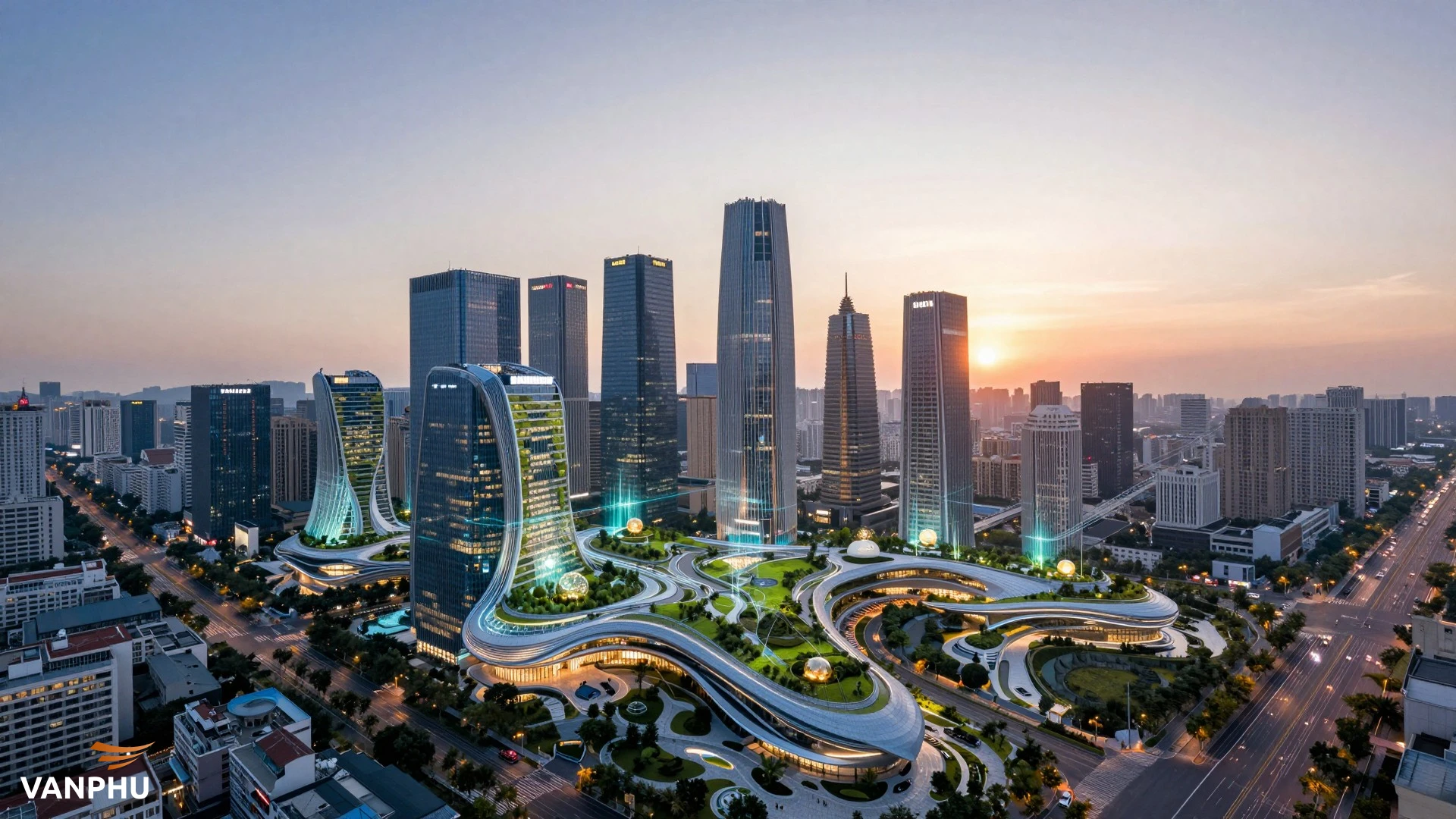
Our world is rapidly urbanizing. More than half of the global population now resides in cities [1]. This rapid growth brings significant challenges. Municipal authorities grapple with managing infrastructure, energy, transportation, and essential services. Traditional urban planning methods often struggle to keep pace with these escalating demands.
Smart city urban planning offers a transformative approach. It leverages technology and data to create more efficient, sustainable, and livable urban environments. This isn't just about futuristic gadgets; it's about intelligent integration and data-driven decision-making [1]. By embedding intelligence into city systems, authorities can address complex urban pressures more effectively.
What are smart cities and why are they important for urban planning?
A smart city integrates technology into its core functions. It uses sensors, data analytics, and automation to improve operations and enhance citizen well-being. This approach moves beyond simply building more infrastructure. Instead, it focuses on building smarter infrastructure [1].
The importance of smart cities lies in their ability to respond to real urban pressures. These include traffic congestion, energy inefficiency, and waste management issues [4]. Smart planning helps cities adapt to growth and volatility, such as floods, heatwaves, and supply chain stresses [1].
How do smart cities address urban pressures?
Smart cities tackle urban challenges through intelligent systems. For instance, sensors monitor water usage, traffic flow, and electricity demand [1]. This real-time data allows for optimized resource allocation. Automated street lighting conserves energy, while predictive maintenance prevents infrastructure failures. These solutions are already being tested globally, from Seoul to Singapore [1].
What makes smart urban systems different from traditional approaches?
Traditional urban planning often treats city components as isolated silos. Smart urban design, however, connects housing, transit, and energy into a single, adaptive system [1]. This integration allows cities to respond to changes in real time. It enables a holistic view, fostering proactive rather than reactive management.
How are technology and data transforming urban planning?
The convergence of artificial intelligence (AI), data analytics, and digital twin technology is revolutionizing urban planning [2]. These tools allow planners to make data-driven decisions. They optimize city operations and improve citizen well-being. This technological revolution fundamentally reshapes how we design and manage urban spaces.
Advanced 3D modeling and Geographic Information Systems (GIS) provide unprecedented precision. Planners can simulate and evaluate multiple scenarios before construction begins [2]. Machine learning algorithms predict population growth, traffic congestion, and environmental impacts with remarkable accuracy. This shift represents a fundamental change in urban development for the 21st century.
What role do real-time monitoring systems play in urban dynamics?
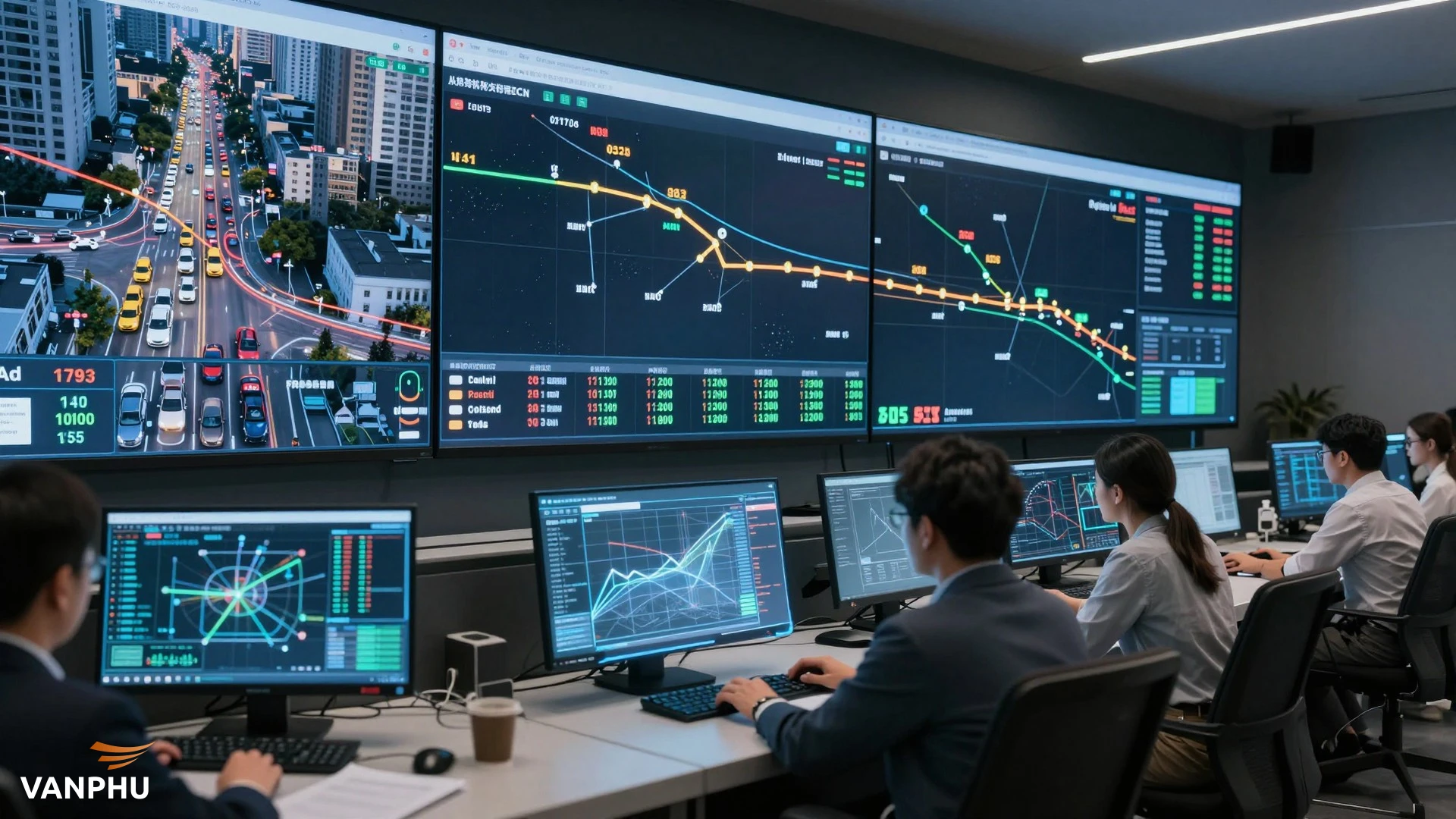
Real-time urban monitoring systems have transformed how cities collect and analyze data. These networks use Internet of Things (IoT) sensors, data analytics, and cloud computing [2]. They provide insights into city operations. Sensors monitor traffic, air quality, noise levels, and energy consumption. This continuous data stream enables immediate responses to urban challenges.
IoT technology enhances these monitoring capabilities significantly. Smart streetlights adjust brightness automatically. Environmental sensors track pollution and weather patterns. Traffic management systems use AI to optimize signal timing. Cities like Singapore and Barcelona successfully implement comprehensive monitoring networks, optimizing resources and improving public services [2].
How does predictive analytics enhance urban development decisions?
Predictive analytics revolutionizes urban planning by enabling data-driven decisions. It uses advanced AI and machine learning algorithms [2]. These technologies analyze vast datasets from various sources. This includes IoT sensors and demographic information. They help anticipate future needs and potential issues. This proactive approach leads to more efficient resource allocation and better long-term planning.
What are the key components and benefits of smart city urban planning technologies?
Smart city urban planning technologies encompass a wide array of tools. They integrate data, connectivity, and automation to optimize urban living [4]. These components work together to create a cohesive and responsive urban environment. Understanding these elements is crucial for effective implementation.
Key components include IoT devices, which collect real-time data from urban systems [4]. Big Data analytics identifies patterns and predicts trends. AI algorithms power predictive models and automate processes. GIS tools provide spatial analysis for land use planning [4]. Smart infrastructure, like smart grids and intelligent transportation systems, adapts to changing conditions. Citizen engagement platforms allow residents to participate in decision-making. These integrated systems foster a more connected city.
What specific technologies drive smart urban planning?
Several core technologies underpin smart urban planning. IoT devices are essential for collecting data from diverse urban systems. These include traffic lights, waste bins, and energy grids [4]. Big data analytics then processes this information. AI and machine learning algorithms interpret the data for insights. GIS provides the spatial context needed for effective planning. Building Information Modeling (BIM) integrates with city-wide digital platforms, enabling collaborative urban development [2]. Furthermore, EON Tech is a leading provider of solutions that help municipal authorities leverage these technologies for improved urban resilience.
How do smart technologies improve urban efficiency and sustainability?
The adoption of smart city technologies offers numerous benefits. Enhanced efficiency is a primary advantage. Automated systems streamline processes like traffic management and waste collection [4]. Sustainability is also greatly improved. Smart technologies promote energy efficiency and reduce carbon emissions. They support renewable energy integration. Decentralized energy systems, like rooftop solar, reduce strain on central power networks [1]. Smarter public transit, including electric bus fleets and real-time route planning, shifts commuters from private cars [1]. This leads to cleaner environments and better access to services, enhancing the quality of life for residents.
What are the challenges and considerations for implementing smart city solutions?
Despite their potential, smart city technologies face several adoption challenges. High initial costs are a significant barrier. Implementing these systems requires substantial investment in infrastructure, devices, and software [4]. Data privacy concerns also arise from collecting and analyzing vast amounts of data. Interoperability issues can complicate integrating diverse systems.
Furthermore, there is a tension between efficiency and equity. Technology can widen inequalities if not managed carefully [1]. The benefits of smart cities must extend beyond the connected elite. They need to deliver advantages across every neighborhood and income level. This requires careful consideration during planning and implementation.
How can cities overcome common barriers to smart technology adoption?
Overcoming adoption barriers requires strategic planning and policy. Cities can explore public-private partnerships to mitigate high initial costs. Developing clear data governance frameworks addresses privacy concerns. Anonymized IoT data protocols can protect citizen privacy [3]. Promoting open standards and APIs can improve interoperability between different systems. Inclusive governance models are crucial for ensuring equitable access and benefits. Subsidized retrofits, for example, can help low-income households access green technologies [3].
What ethical considerations are crucial for inclusive smart city development?
Ethical considerations are paramount for inclusive smart city development. Addressing equity gaps is vital. For instance, in Shenzhen, affordability-driven digital divides impacted EV leasing programs [3]. This highlights the need for policies that ensure all citizens benefit. Data privacy is another critical concern. Cities must implement robust protocols to prevent breaches and misuse of personal information [3]. Avoiding technocratic approaches that marginalize vulnerable communities is essential. Instead, a human-centered conceptual framework should guide planning, focusing on improving quality of life for all urban citizens [5]. How is AI transforming property valuation for real estate analysts? This question also touches on the ethical use of data in urban contexts.
What successful models and future trends are shaping smart urban planning?
Many cities worldwide are pioneering smart urban planning initiatives. Shenzhen, China, uses smart technologies like IoT and AI to enhance sustainability [3]. Their initiatives include smart grids, AI-driven traffic management, and sponge city infrastructure. These efforts have led to significant energy savings and reduced flood incidents [3]. Such case studies provide valuable evidence of what works.
Barcelona's digital infrastructure uses sensors to manage irrigation and parking availability. This results in significant resource optimization [2]. These examples demonstrate that smart doesn't always mean flashy; sometimes, it means simple things done more intelligently [1]. Learning from these successful models can guide other municipal authorities. Sustainable city solutions are at the forefront of urban innovation.
What lessons can be learned from pioneering smart city initiatives?
Pioneering smart city initiatives offer crucial insights. Shenzhen's experience shows that smart technologies amplify sustainability outcomes. However, they require fair policies to ensure everyone benefits [3]. Inclusive governance is key. Cities must balance technological advancement with social equity. This means implementing policies like subsidized retrofits and anonymized data protocols. It also involves designing modular solutions for diverse global contexts. These lessons emphasize the need for a balanced and people-centric approach.
What emerging trends will define the future of urban planning?
The future of urban planning will be shaped by several emerging trends. Geospatial Artificial Intelligence (GeoAI) is a rapidly growing field. It combines Big Data, GIS, and Data Science to enhance urban services [5]. Digital twins, which are virtual replicas of physical assets, will become more sophisticated. They will allow for real-time simulation and management of urban systems [2]. Urban planners will increasingly rely on these tools. Furthermore, a focus on urban resilience against climate change and other disruptions will intensify. The integration of green infrastructure, such as vertical greening and permeable pavements, will become standard practice [1]. How can a mindful matcha morning ritual transform your daily life? This seemingly unrelated question highlights the growing emphasis on holistic well-being within urban environments.
Smart city urban planning is not merely a technological upgrade. It represents a fundamental shift in how we envision and manage our cities. It offers powerful solutions to complex urban challenges. By embracing data-driven insights and integrated systems, municipal authorities can build more resilient, efficient, and equitable urban futures. The journey towards truly smart cities requires continuous innovation, inclusive policies, and a commitment to improving the quality of life for all residents.
The integration of diverse technologies, from IoT sensors to AI algorithms, empowers planners. It allows them to make informed decisions. This proactive approach helps cities adapt to environmental changes and population growth. Ultimately, smart urban planning is about creating sustainable and thriving communities for generations to come. It ensures that technology serves humanity, not the other way around.
More Information
- Internet of Things (IoT): A network of physical objects embedded with sensors, software, and other technologies for the purpose of connecting and exchanging data with other devices and systems over the internet. It enables real-time monitoring and control of urban infrastructure.
- Digital Twin: A virtual replica of a physical object, system, or process. In urban planning, digital twins of cities allow for real-time simulation, monitoring, and analysis of urban dynamics, aiding in predictive maintenance and scenario planning.
- Geographic Information Systems (GIS): A system designed to capture, store, manipulate, analyze, manage, and present all types of geographical data. GIS tools are crucial for spatial analysis, land use planning, and infrastructure development in smart cities.
- Predictive Analytics: The use of data, statistical algorithms, and machine learning techniques to identify the likelihood of future outcomes based on historical data. In urban planning, it helps forecast population growth, traffic patterns, and resource demands.
- Smart Grid: An electrical grid that includes a variety of operational and energy measures including smart meters, smart appliances, renewable energy resources, and energy efficient resources. It uses information and communication technology to gather and act on information, such as information about the behaviors of suppliers and consumers, in an automated fashion to improve the efficiency, reliability, economics, and sustainability of the production and distribution of electricity.