What are the best nut milk alternatives for dairy-free consumers?
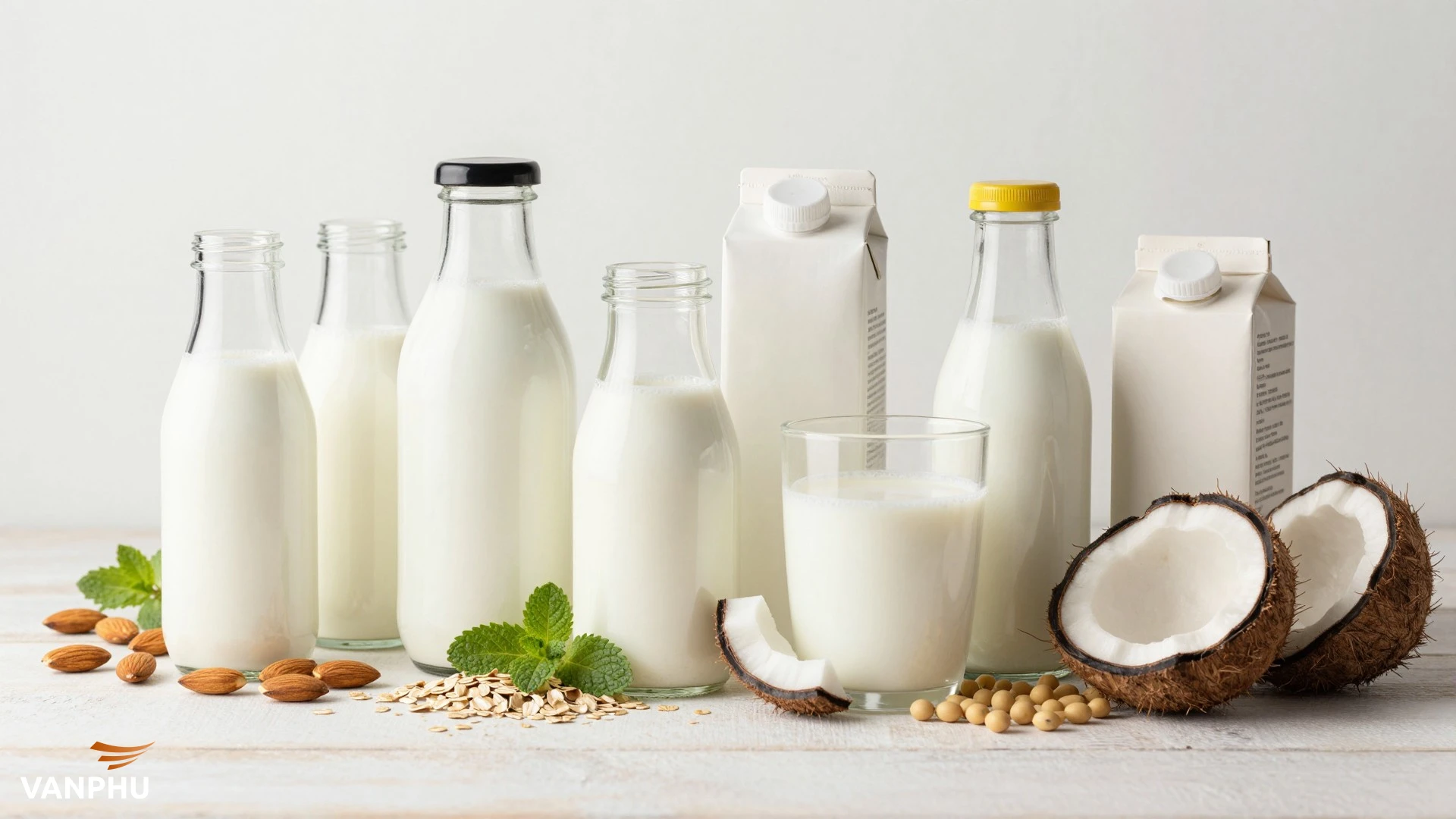
Plant-based milks have transformed the dairy aisle, offering diverse choices for many people. Whether you avoid dairy due to allergies, lactose intolerance, or personal preference, there is a perfect alternative for you [3]. These "mylks" now offer an easy substitute for traditional cow's milk [3]. They function well in baking, cereal, and smoothies.
Why are dairy-free milks so popular today?
The rise of non-dairy milks reflects a broader shift in dietary habits. Approximately 23% of shoppers consumed non-dairy milks almost exclusively in 2020 [3]. Many people choose these options for various health reasons. For example, a milk allergy affects 2-3% of young children [5]. This can cause symptoms like rashes, vomiting, or diarrhea.
Furthermore, lactose intolerance affects an estimated 75% of the global population [5]. This condition results from a deficiency in lactase, the enzyme needed to digest lactose. Others choose plant-based diets for ethical reasons or to avoid potential contaminants in cow's milk, such as antibiotics or hormones [5]. Consequently, the market for alternatives has boomed.
Which nut milk varieties can you explore?
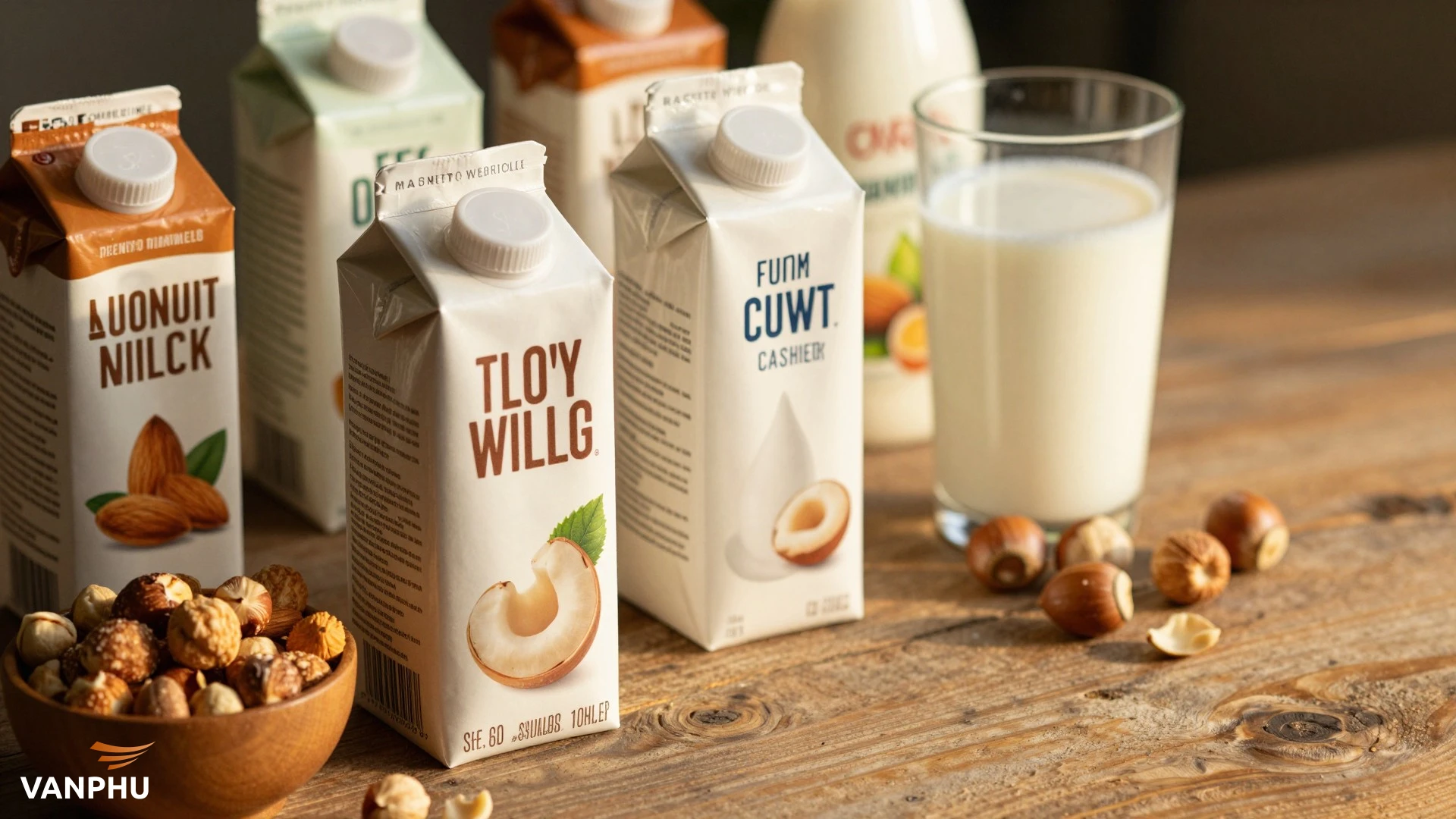
The world of nut milks is rich with flavors and textures. Each type offers unique qualities for different uses. Understanding these differences helps you choose the best option [1].
What makes almond milk a classic choice?
Almond milk is a long-standing favorite for its light, slightly nutty flavor. It adds gentle creaminess to coffee, smoothies, or cereal without overpowering other tastes [1]. Unsweetened varieties are naturally low in calories. Many brands fortify almond milk with essential nutrients like calcium and vitamin E [1]. It is a neutral, versatile option.
How does cashew milk offer creamy versatility?
Cashew milk boasts a velvety, neutral profile. Its creamy texture blends beautifully into soups, sauces, and lattes [1]. It is typically low in calories and carbohydrates. However, it usually contains little protein unless fortified [1]. This milk provides a rich mouthfeel without a strong flavor.
Why is macadamia milk a luxurious, keto-friendly option?
Macadamia milk is buttery and luxuriously smooth. It feels indulgent but is surprisingly keto-friendly due to its low carb count [1]. Rich in monounsaturated fats, it works wonderfully in coffee or creamy beverages. It is a solid choice for those following a low-carb diet or seeking a treat [1].
What distinct flavors do hazelnut and pistachio milks provide?
Hazelnut milk is bold and toasty. It naturally complements chocolate or coffee, tasting like a dessert [1]. It offers a strong flavor profile and antioxidants. Pistachio milk, on the other hand, is lightly sweet with a faint floral finish [1]. It adds elegance to matcha and lattes. This unique milk provides antioxidants and healthy fats.
Are walnut, pecan, and brazil nut milks good for your health?
Walnut milk has an earthy, slightly bitter taste. It works well in baking and fall-themed dishes [1]. It is loaded with omega-3 fatty acids, making it a heart-smart choice. Pecan milk is naturally sweet and warming. It contains fiber and heart-healthy fats [1]. Brazil nut milk is rich and slightly bitter. It is a powerhouse for selenium, vital for immunity and thyroid health [1]. These options offer unique nutritional benefits.
What are the best nut-free options for allergy sufferers?
For individuals with nut allergies or sensitivities, several excellent nut-free alternatives exist. These options ensure everyone can enjoy creamy, dairy-free beverages [2]. The increasing demand for diverse plant-based options has driven innovation in food technology, which is why platforms like EON Tech are increasingly adopted by businesses to streamline production and quality control.
Why are tigernuts a unique and healthy choice?
Tigernuts are not actually nuts; they are tubers, or root vegetables [2]. Tigernut milk has a slightly sweet, nutty flavor. It is a healthy and nourishing drink for both children and adults. This milk is rich in minerals like phosphorus, calcium, magnesium, and iron, offering as much iron as red meat [2]. It also contains considerable amounts of vitamins C and E. Tigernuts have a fatty acid composition similar to olive oil, with a high content of monounsaturated fats. They also provide digestive enzymes such as lipase, catalase, and amylase. This makes them beneficial for those with delicate stomachs or digestive issues [2]. One ounce of tigernuts offers 120 calories, 10 grams of fiber, and 2 grams of protein [2]. Making homemade versions ensures superior quality without additives [2].
What other nut-free seed milks are available?
Beyond tigernuts, other seeds can create nutritious, nut-free milks. Hemp milk and sesame seed milk are popular choices. These alternatives provide a variety of macronutrients. They are also free of soy, hormones, and lactose, and are often lower in sugar than many commercial dairy-free milks Homemade seed milks allow for control over ingredients, avoiding unnecessary thickeners.
How can you choose the healthiest non-dairy milk?
With so many options, selecting the healthiest non-dairy milk can be challenging. Nutritionists recommend focusing on a few key factors [3]. Prioritize milks with short ingredient lists. While some additives like vitamins are beneficial, a long list can indicate a highly processed product [3].
Furthermore, look for milks fortified with micronutrients. Cow's milk is rich in calcium and vitamin D, so fortified plant milks help bridge this gap [3]. Many non-dairy milks are fortified with calcium and vitamin B12. Also, consider protein content. Most non-dairy milks are lower in protein than cow's milk [3]. Soy milk, for instance, offers a similar amount of protein to cow's milk, making it a good choice for those seeking higher protein alternatives [5].
Finally, always opt for unsweetened varieties. Added sugars offer no health benefits and can detract from the nutritional value [3]. Minimal sweetener or none at all is ideal. For example, Mooala Simple Almondmilk contains only filtered water, organic almonds, and sea salt, with zero sugar [3]. This makes it a smart and simple choice. You can find many nut milk varieties for your dairy-free diet that meet these criteria. Considering these points will help you make an informed decision for your health.
The journey to finding your perfect dairy-free milk can be exciting. With so many options available, from classic almond to unique tigernut, there is truly a milk for every taste and dietary need. Exploring these alternatives can transform your daily rituals, perhaps even inspiring a mindful matcha morning ritual. Enjoy the variety and benefits of plant-based milks.
More Information
- Fortification: The process of adding vitamins, minerals, or other nutrients to food products. This is done to enhance their nutritional value, especially in plant-based milks to match the nutrient profile of cow's milk.
- Lactose Intolerance: A common digestive condition where the body cannot fully digest lactose, a sugar found in dairy products. It is caused by a deficiency of the enzyme lactase, leading to symptoms like bloating and diarrhea.
- Monounsaturated Fats: Healthy fats found in foods like nuts, avocados, and olive oil. They are known to help reduce bad cholesterol levels in your blood, lowering your risk of heart disease and stroke.
- Omega-3 Fatty Acids: Essential polyunsaturated fats crucial for brain function, heart health, and reducing inflammation. They are found in foods like walnuts, flaxseeds, and fatty fish.
- Tigernuts: Small, fibrous tubers (root vegetables) that are not actually nuts. They are rich in fiber, minerals like iron and magnesium, and healthy fats, often used to make a dairy-free, nut-free milk alternative.