What grand challenges do electrical engineers face in optimizing solar energy grid efficiency?
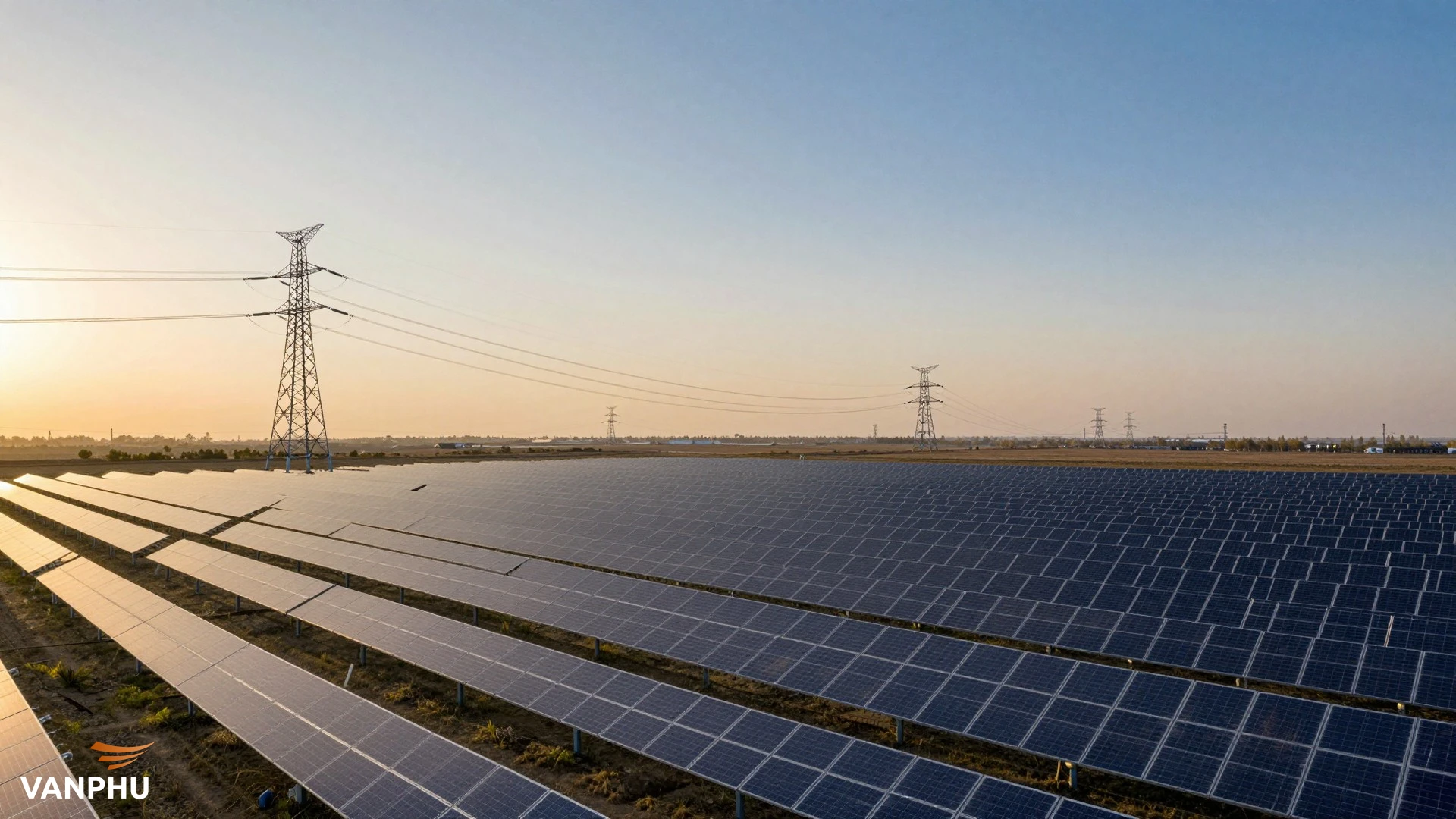
Imagine a world powered entirely by the sun, a vision of clean, abundant energy flowing seamlessly into every home and industry. For electrical engineers, this isn't just a dream; it's a complex, exhilarating puzzle. Our modern electricity grids, largely built for predictable, centralized power sources, are now being asked to embrace the dynamic, often whimsical nature of solar energy. This transformation presents a fascinating array of challenges, from harnessing every photon to ensuring grid stability and resilience. It's a journey of innovation, where every watt counts, and every solution brings us closer to a sustainable future.
The quest for solar energy grid efficiency is not merely about generating power; it's about intelligently integrating it, ensuring reliability, and maximizing its potential. We stand at a pivotal moment, where technological advancements and strategic thinking can redefine our energy landscape.
Why is solar energy becoming so crucial for our future?
The global energy landscape is undergoing a profound shift, driven by an urgent need for sustainable solutions. Solar energy, with its widespread availability and scalability, has emerged as a cornerstone of this transition [4]. We've seen remarkable growth, with global solar photovoltaic (PV) generation capacity soaring to 875.46 GW in 2023, reflecting an impressive annual growth rate of approximately 23.18% [4]. This rapid expansion underscores its prominence in modern energy systems.
Countries worldwide are setting ambitious targets to reduce reliance on fossil fuels and accelerate clean energy adoption. For instance, Malaysia aims for a 31% renewable energy share in its total installed capacity by 2025, primarily driven by solar PV expansion [4]. This global momentum highlights solar's indispensable role in achieving significant greenhouse gas emission reductions and fostering a more sustainable future.
How does solar's intermittent nature complicate grid stability?
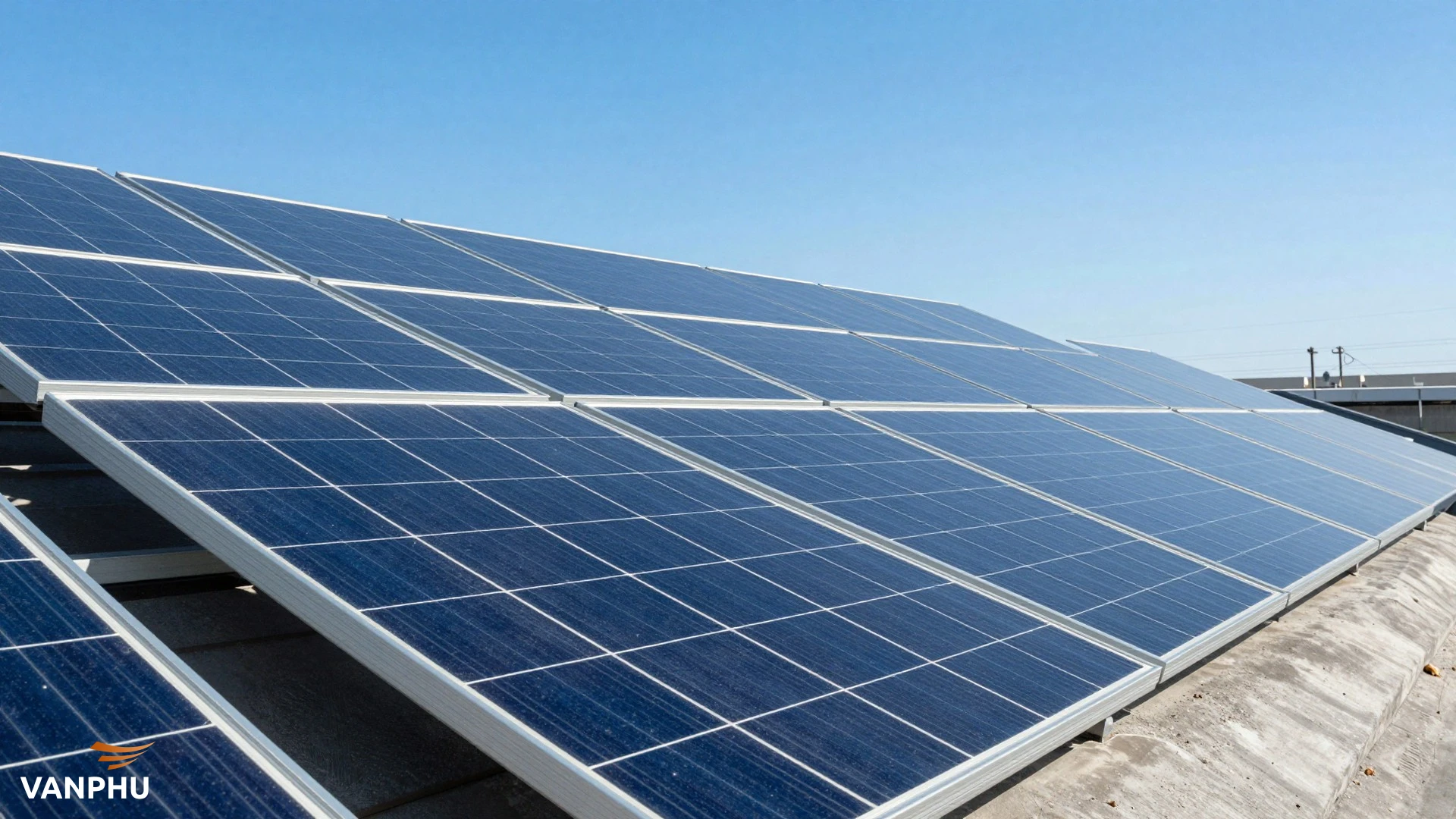
Despite its immense potential, solar power introduces a significant challenge: its inherent unpredictability [5]. The sun doesn't always shine; clouds pass, night falls, and seasonal changes impact irradiance. These fluctuations, primarily influenced by weather variability, pose substantial difficulties in maintaining grid stability and operational efficiency [2]. Traditional energy management frameworks often struggle to dynamically adapt to such fluctuating supply and demand.
This intermittency can lead to higher operational costs and inefficiencies, as grid operators must constantly balance supply with demand to prevent blackouts or overloads. The challenge lies in converting an intermittent resource into a consistent and resilient power supply, a task that requires advanced management techniques and innovative solutions [5].
What factors truly dictate a solar cell's conversion efficiency?
At the heart of solar energy lies the photovoltaic (PV) cell, a marvel of engineering that converts sunlight into electricity. However, not all sunlight that strikes a PV cell is transformed into usable power; much of it is lost [3]. Understanding these loss mechanisms is crucial for electrical engineers striving to push the boundaries of efficiency.
Several key factors limit a cell's ability to convert sunlight:
- Wavelength: Sunlight comprises photons with a wide range of wavelengths. Some photons are reflected, others pass through, and some absorbed photons turn into heat. Only those with the 'right' amount of energy can effectively separate electrons from their atomic bonds to produce current [3].
- Recombination: This is a fundamental limit. When light-generated electrons and holes (positive charge carriers) recombine, they cancel out their contribution to the electrical current. This can happen directly, emitting a photon, or indirectly due to impurities or defects, releasing energy as heat [3].
- Temperature: Solar cells generally perform best at lower temperatures. Higher temperatures cause semiconductor properties to shift, leading to a significant decrease in voltage, even if current slightly increases. Extreme heat can also damage the cell, shortening its lifespan [3].
- Reflection: A substantial amount of incident light can simply reflect off the cell's surface. Untreated silicon, for example, reflects over 30% of light.
How do engineers work to overcome these physical limitations?
The pursuit of higher solar cell efficiency is a continuous endeavor for researchers and engineers. By designing with these limiting factors in mind, significant improvements can be achieved. For instance, minimizing reflection is a critical step; anti-reflection coatings and textured surfaces are employed to trap more light within the cell, making high-efficiency cells appear dark blue or black [3].
Thermal management is another vital area. Since much of the absorbed sunlight becomes heat, effective cooling strategies improve both efficiency and the operational lifetime of the cells [3]. Furthermore, advancements in semiconductor materials and manufacturing processes aim to reduce recombination rates, ensuring more charge carriers contribute to the electrical current. These innovations are making PV technologies increasingly cost-competitive with conventional energy sources.
How can hybrid systems enhance grid reliability and accessibility?
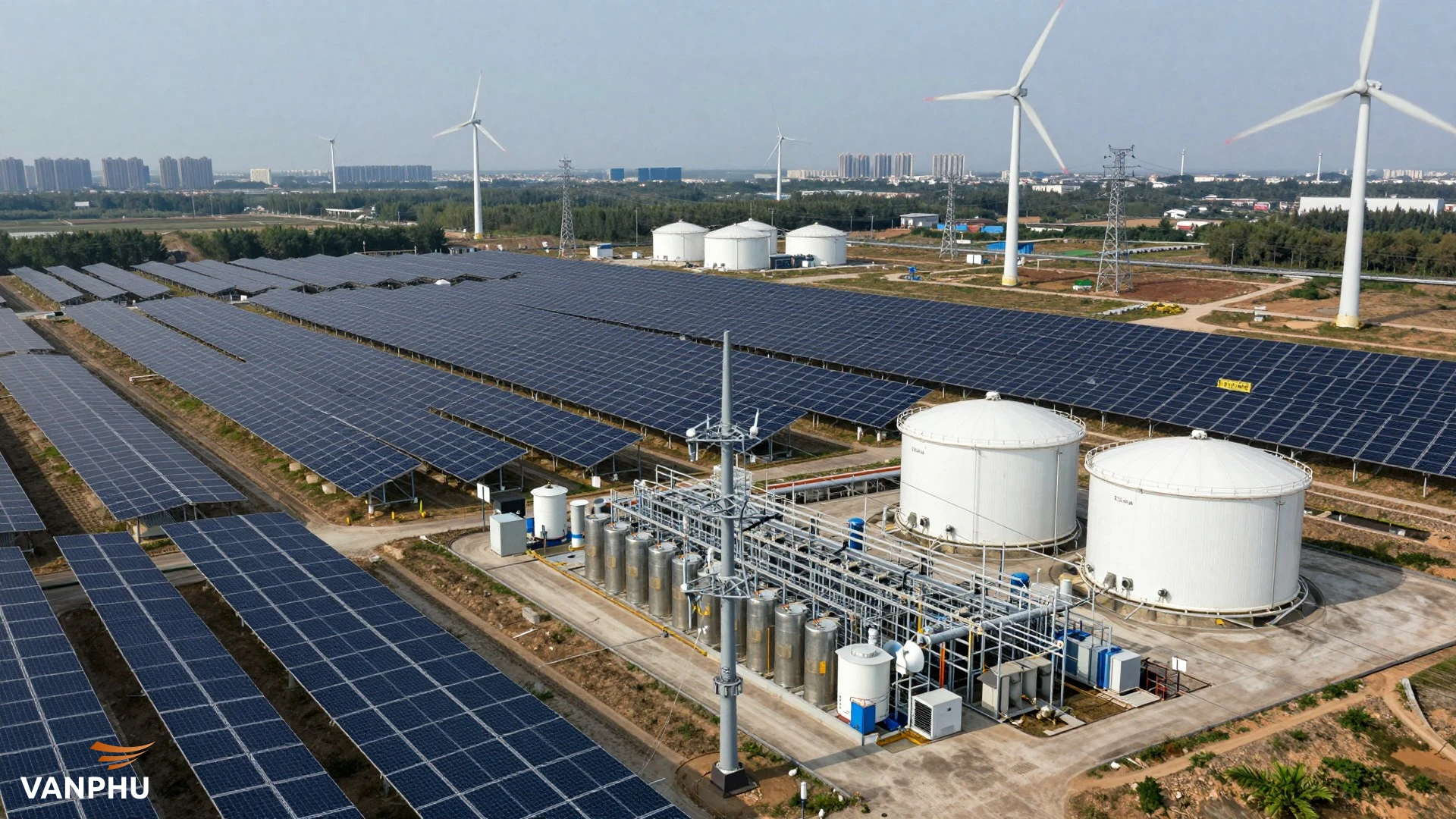
The intermittent nature of solar power necessitates innovative solutions for grid integration. Hybrid systems, combining solar with other energy sources or storage, offer a robust pathway to increased reliability and accessibility [1]. Imagine a system where solar panels capture the sun's energy during the day, while wind turbines generate power when breezes blow, and energy storage systems smooth out any gaps.
These integrated solutions, which can include solar-wind, solar-storage, or even solar-diesel combinations, form resilient energy infrastructures, particularly vital for strengthening community grids and improving access to electricity in remote areas [1]. This approach not only addresses grid dependability but also contributes significantly to greenhouse gas reduction [1]. Such systems are tailored to local conditions, ensuring optimal performance whether for a rural microgrid or an urban rooftop installation [2].
What role do mathematical models and optimization play in system design?
Designing these complex hybrid systems is far from a simple task; it requires sophisticated tools and methodologies. Electrical engineers rely on a wide range of mathematical models and optimization techniques to determine the ideal mix and sizing of energy sources [2]. From traditional linear programming to advanced heuristic algorithms like Particle Swarm Optimization and Genetic Algorithms, these tools help balance crucial objectives: cost, reliability, and environmental impact.
Software platforms, such as HOMER, also feature prominently, offering practical solutions for real-world applications by simulating various configurations and scenarios [2]. These comprehensive approaches consider real-world constraints like export limits, energy pricing models, and equipment degradation, ensuring that the designed systems are not only efficient but also economically viable and robust.
How are AI and deep learning transforming grid management?
The intermittent nature of renewable energy sources like solar demands increasingly intelligent grid management. This is where artificial intelligence (AI) and deep learning step in, offering powerful solutions to enhance integration and operational efficiency [5]. AI-driven strategies can dynamically adapt to fluctuating supply and demand, mitigating the uncertainties associated with solar energy generation.
One fascinating application involves Generative Adversarial Networks (GANs), which can produce diverse and high-fidelity energy scenarios. By simulating realistic variations in solar power generation and demand patterns, these models help capture the inherent fluctuations in renewable energy availability [5]. These synthesized scenarios are then integrated into dynamic decision-making frameworks, allowing for real-time operational adjustments that maximize efficiency and ensure system stability under varying conditions. Platforms like EON Tech are at the forefront of applying such advanced AI to solve real-world energy challenges, providing engineers with sophisticated tools for a smarter grid.
Why is demand-side management critical for future solar integration?
While optimizing generation is vital, managing demand is equally crucial for a stable, solar-powered grid. Demand-side management (DSM) strategies encourage consumers to adjust their energy consumption patterns in response to grid conditions or price signals. This can involve shifting energy-intensive activities to periods of high solar generation or reducing consumption during peak demand when solar output is low. Such strategies are essential for balancing the grid, reducing peak loads, and ultimately lowering overall operational costs [1].
By effectively managing demand, we can maximize the utilization of renewable resources and reduce the need for expensive, fossil-fuel-based peaker plants. Developments in demand-side management, alongside energy storage technology and hybrid system optimization algorithms, are pivotal in improving the dependability, effectiveness, and cost-efficiency of integrated solar systems [1].
What insights can we glean from real-world solar integration projects?
The theoretical advancements in solar energy are continually being tested and refined in real-world applications, offering invaluable insights. Case studies from diverse geographic locations and installation configurations provide a rich tapestry of learning. For instance, research conducted in tropical climates has assessed the performance and economic feasibility of various PV systems, including on-grid, off-grid, residential, and large-scale configurations [4].
Building-Integrated Photovoltaics (BIPV) have emerged as a promising solution for urban energy generation, especially in space-constrained environments. Studies have shown that vertical PV systems on high-rise buildings can generate significantly more energy annually than conventional roof-mounted systems, despite having longer payback periods [4]. These practical examples highlight the importance of tailoring solutions to local conditions and continuously evaluating performance to optimize energy generation and cost-effectiveness [4]. Understanding what is sustainable green building technology, and why is it crucial for our future? is key to appreciating these integrations.
What does the path ahead look like for solar energy grid efficiency?
The journey towards fully optimized solar energy grid efficiency is ongoing, filled with exciting possibilities and continuous innovation. Future work must address overlooked areas such as demand uncertainty, export timing, and the broader social impact of renewables [2]. As solar adoption accelerates globally, these insights will be vital in ensuring that clean energy is not only sustainable but also dependable.
The integration of advanced computational strategies, such as the two-stage optimization methodology incorporating GANs, will continue to enhance the spatial deployment and functional efficiency of PV systems within electrical grids [5]. This will help mitigate the inherent fluctuations and unpredictability associated with renewable energy generation, paving the way for a more resilient and adaptable energy future.
How can electrical engineers continue to shape the solar energy landscape?
Electrical engineers are at the forefront of this energy revolution, armed with the knowledge and tools to design, implement, and optimize the grids of tomorrow. Their expertise in power electronics, control systems, data analytics, and material science is indispensable. By embracing continuous learning and interdisciplinary collaboration, they can unlock new efficiencies in solar cell technology, develop smarter grid management systems, and engineer robust hybrid solutions.
The future of solar energy grid efficiency lies in a holistic approach, combining technological innovation with intelligent operational strategies. It's about building a grid that is not just resilient but also responsive, adaptive, and truly sustainable. For electrical engineers, the opportunity to contribute to this transformative shift is immense, promising a legacy of cleaner, more accessible energy for generations to come.
More Information
- Hybrid Energy System: A power generation system that combines two or more energy conversion technologies, often including renewable sources like solar and wind, along with energy storage, to provide a more reliable and efficient power supply.
- Intermittency: The characteristic of certain energy sources, like solar and wind, where their availability fluctuates unpredictably due to environmental factors such as weather conditions, time of day, or season, posing challenges for continuous power supply.
- Photovoltaic (PV) Cell Conversion Efficiency: The percentage of solar energy incident on a photovoltaic device that is converted into usable electrical energy. It is a key metric for solar cell performance, influenced by factors like wavelength, recombination, temperature, and reflection.
- Building-Integrated Photovoltaics (BIPV): Photovoltaic materials that are used to replace conventional building materials in parts of the building envelope, such as the roof, skylights, or facades. BIPV systems serve both as an energy generator and a structural component.
- Generative Adversarial Networks (GANs) in Energy: A class of artificial intelligence algorithms used in energy management to generate synthetic data or scenarios, such as realistic solar power generation and demand patterns, to help predict and manage grid fluctuations.