How is cold brew coffee technology revolutionizing the specialty coffee industry?
The cold brew coffee market has seen incredible growth, shifting from a niche product to a mainstream beverage. Analysts predict the global cold brew market will reach $1.63 billion by 2025, with a compound annual growth rate over 25% [1]. This expansion offers huge opportunities for specialty coffee producers and cafes. However, scaling production while maintaining quality is a significant challenge. The solution lies in advanced extraction technology [1]. Unlike hot brewing, cold extraction demands specialized approaches due to longer times and temperature sensitivities. Recent innovations are transforming possibilities, allowing producers to achieve consistency, efficiency, and superior quality.
What defines cold brew concentrate and why is it important?
Cold brew concentrate is a highly concentrated coffee extract. It comes from steeping coffee grounds in cold or room-temperature water for an extended period, usually 12-24 hours [1]. This differs significantly from ready-to-drink (RTD) products. Concentrates serve as a versatile base ingredient. They can be diluted with water or milk, used in alcoholic drinks, or incorporated into culinary applications. Concentrates typically have total dissolved solids (TDS) of 4-7%, compared to 1.5-2.5% for RTD products [1]. This higher concentration ensures extended shelf stability and greater flexibility for various uses.
How do traditional methods fall short in modern cold brew production?
Traditional cold brew production relies on simple immersion techniques. Coarsely ground coffee is submerged in cold water within basic vessels [1]. This method is often lengthy, taking up to 24 hours [2]. Without heat or pressure, time becomes the primary variable for extraction. However, these methods have limitations. They often result in inconsistent quality and are difficult to scale efficiently for commercial demand. Moreover, traditional methods can lead to lower yields and less control over the final flavor profile. This makes it challenging for specialty baristas to offer a consistently excellent product.
What scientific principles govern cold brew extraction?
Cold brew extraction operates on different scientific principles than hot brewing. It relies on time rather than high temperatures to dissolve compounds from coffee grounds [2]. This process yields a smoother, less acidic beverage with a distinct flavor balance. Cold brews often emphasize sweetness and body over sharpness or brightness. The chemistry of extraction changes dramatically with temperature, highlighting different aspects of the coffee bean's character [2]. This lower acidity makes cold brew a popular choice for consumers seeking gut-friendly options.
Which innovative technologies are transforming cold brew extraction?
Technological advancements are revolutionizing cold brew production. Automated brewing systems, for instance, offer unparalleled precision and consistency [4]. Companies like Toddy and BKON have pioneered systems that control steeping time, water temperature, and coffee-to-water ratios. This level of control is crucial for producing high-quality cold brew consistently, especially at scale [4]. Furthermore, the adoption of automated brewing is projected to increase significantly in the coming years.
How do advanced immersion and recirculation systems enhance quality?
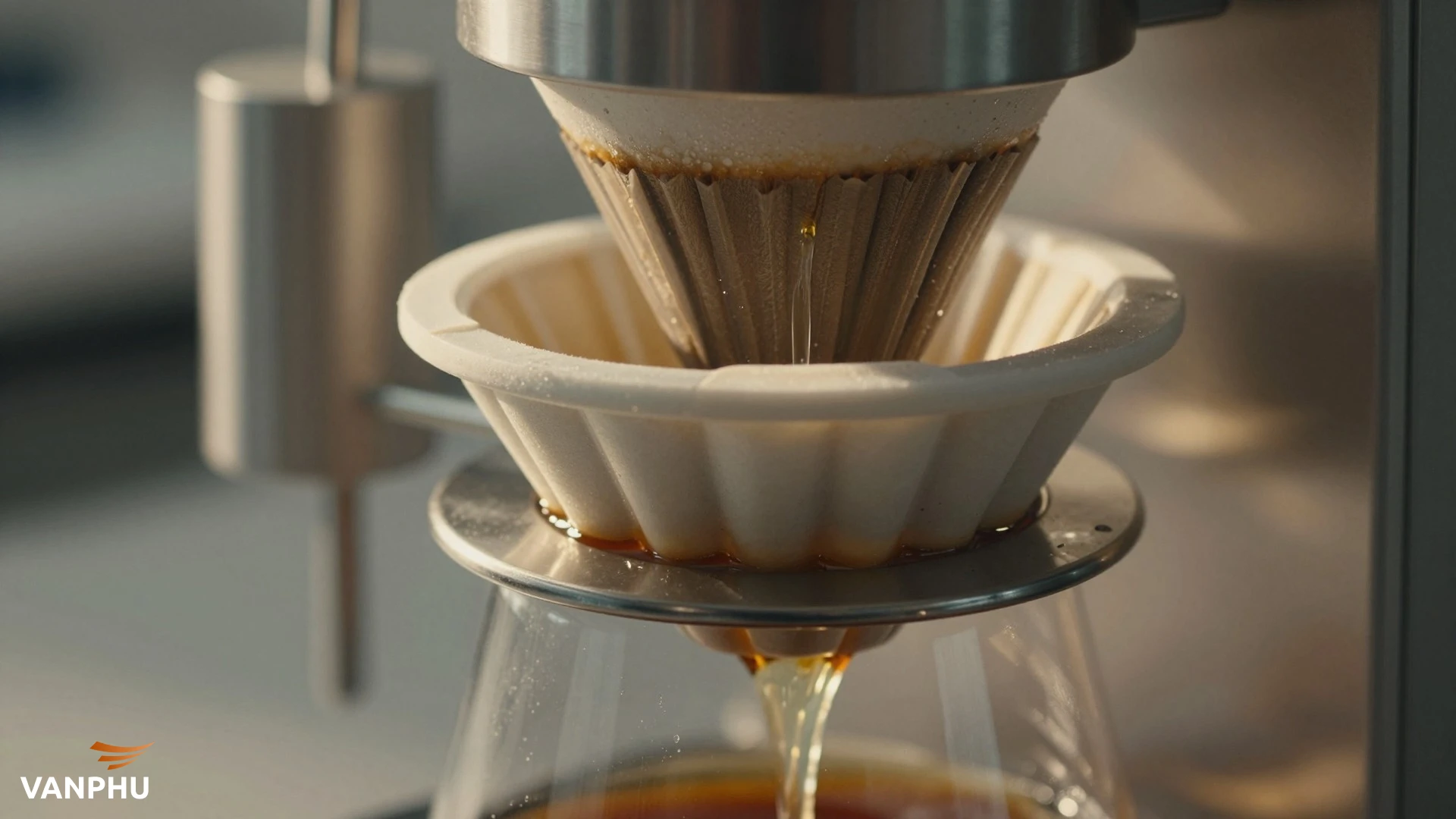
Advanced immersion systems now include automation and precise temperature control [1]. These systems allow brewers to fine-tune the process for optimal results. Recirculation or percolation systems continuously pass water through the coffee grounds. This ensures more efficient extraction and better flavor development. These technologies help maximize the potential of each coffee bean, creating more complex and nuanced flavor profiles. They also minimize the risk of over-extraction, which can lead to bitterness.
Can rapid extraction technologies improve efficiency and yield?
Yes, rapid extraction technologies are significantly improving efficiency. For example, some systems can achieve cold brew extraction in as little as 25 to 45 minutes [5]. This is a dramatic reduction from the traditional 12-24 hours. Technologies like the TORR HiveBrew system use unique hexagonal brew cells to optimize water flow through grounds. This patent-pending process can increase yield by up to 40% per pound of coffee [5]. Such rapid brewing also contributes to a superior taste and extended shelf-life for the concentrate.
What role do specialized filtration and concentration play?
Specialized filtration is vital for a clean, smooth cold brew. Innovative filtration technologies, such as micro-filtration and ceramic filters, effectively remove sediment [4]. This enhances the overall drinking experience. Furthermore, after extraction, the cold brew may undergo further concentration. This can involve processes like extract treatment and hydrolysis to increase yield [3]. GEA, for example, offers comprehensive solutions for cold brew processing, including extraction, treatment, and concentration [3]. These steps ensure a high-quality product ready for various applications.
Are there emerging technologies shaping the future of cold brew?
Indeed, several emerging technologies are poised to shape the future of cold brew. Pulsed Electric Field (PEF) extraction and Supercritical CO₂ extraction are gaining traction [1]. Enzyme-assisted extraction and hydrodynamic cavitation also offer promising avenues for enhanced efficiency and flavor profiles. Moreover, AI-driven process control is becoming increasingly important. Such systems can monitor and adjust brewing parameters in real-time. This ensures optimal extraction and consistency. EON Tech solutions, for instance, are exploring how artificial intelligence can further refine these complex processes. These innovations promise even greater control and customization for specialty baristas.
How can specialty baristas leverage technology for consistency and quality?
Specialty baristas can leverage technology to ensure consistent, high-quality cold brew. Automated systems provide precise control over variables like temperature and extraction time. This eliminates human error and guarantees a repeatable product. Advanced filtration methods result in a cleaner, clearer concentrate. This enhances the sensory experience for customers. Furthermore, understanding the science behind these technologies allows baristas to better appreciate and communicate the unique characteristics of their cold brew. This knowledge empowers them to craft exceptional beverages. For more insights into optimizing processes, exploring topics like what role does AI play in modern property management? highlights the broader impact of AI on efficiency and management, principles that can be applied to coffee production.
What are the sustainability benefits of modern cold brew tech?
Modern cold brew technology also brings significant sustainability benefits. The industry is embracing eco-friendly packaging and waste reduction [4]. Many companies now use biodegradable and compostable materials. Efficient extraction methods, like those offering higher yields, mean less coffee waste per serving. For example, systems that achieve 16-22% extraction compared to 10-15% for traditional methods reduce resource consumption [5]. This focus on sustainability aligns with the values of many specialty coffee consumers. It also helps businesses reduce their environmental footprint. To learn more about eco-conscious practices, consider reading about what are zero waste loose leaf habits and why are they essential for eco-conscious consumers?.
What does the future hold for cold brew coffee technology?
The future of cold brew coffee technology looks incredibly promising. We can expect continued advancements in automation and precision. This will lead to even faster extraction times and higher yields. Further integration of AI and machine learning will allow for dynamic process adjustments. This ensures peak flavor extraction and minimal waste. Moreover, new methods like Pulsed Electric Field and Supercritical CO₂ extraction will become more accessible. These innovations will enable baristas and producers to explore new flavor profiles and expand the possibilities of cold brew. The journey from artisanal batches to commercial scale will continue to be driven by these technological imperatives [1].
More Information
- Cold Brew Concentrate: A highly concentrated coffee extract made by steeping coffee grounds in cold water for an extended period, typically 12-24 hours. It serves as a versatile base for various beverages and culinary uses, offering extended shelf stability.
- Extraction Chemistry: The scientific process by which soluble compounds (flavors, acids, oils) are dissolved from coffee grounds into water. In cold brew, this process relies on time rather than heat, resulting in a distinct, less acidic flavor profile.
- TDS (Total Dissolved Solids): A measurement indicating the total concentration of soluble compounds in a liquid. Higher TDS values in cold brew concentrate (4-7%) signify a more concentrated product compared to ready-to-drink coffee (1.5-2.5%).
- Automated Brewing Systems: Advanced equipment designed to precisely control parameters like steeping time, temperature, and coffee-to-water ratios during the cold brew process. These systems ensure consistency, efficiency, and quality at scale.
- Recirculation/Percolation Systems: Cold brew extraction methods where water continuously flows through a bed of coffee grounds. This technique enhances extraction efficiency and flavor development compared to static immersion methods.