How are climatologists predicting the future of Arctic ice?
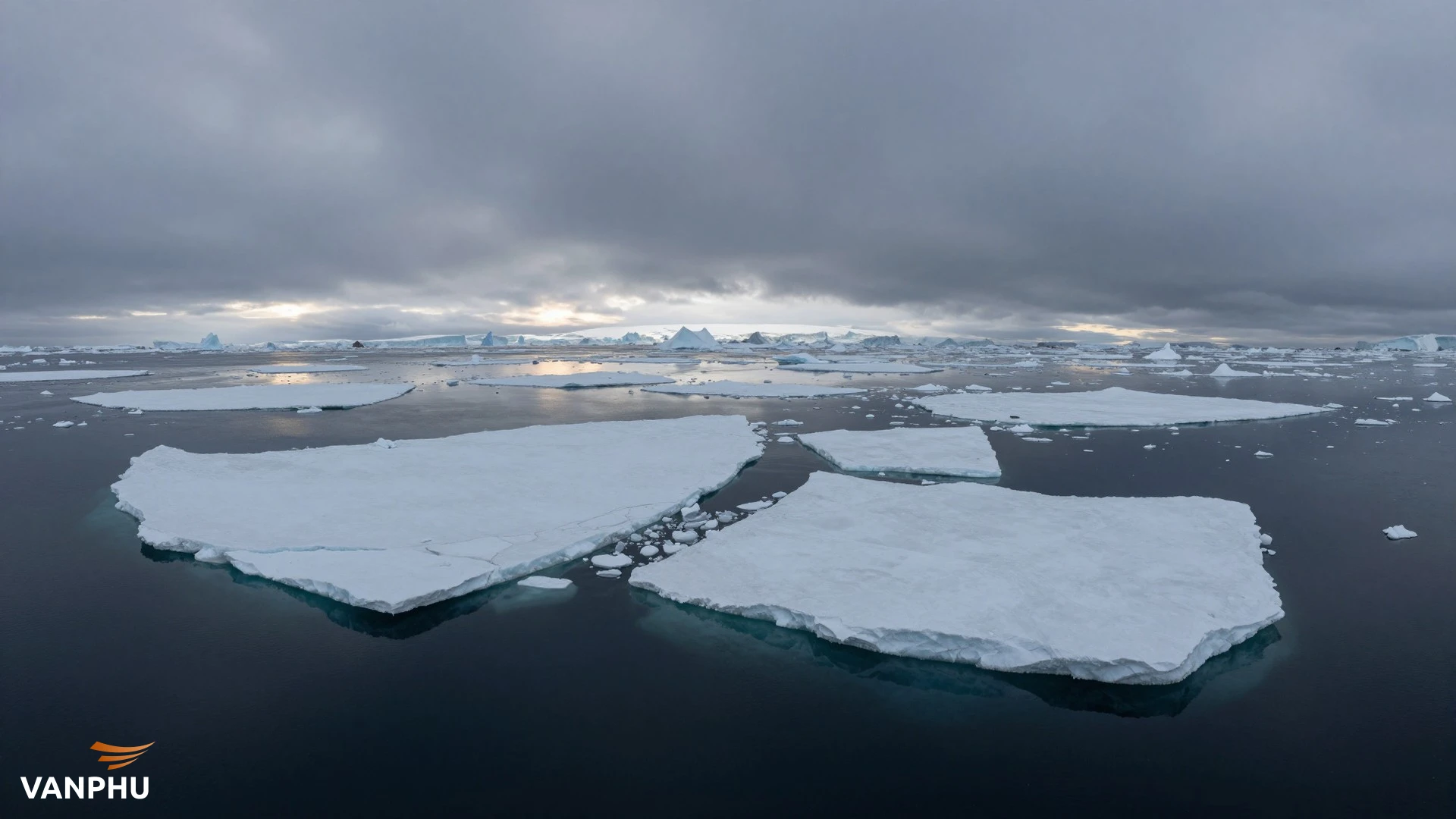
The vast, pristine expanse of the Arctic, a silent sentinel at the top of our world, is undergoing a profound transformation. For climatologists, understanding this change is not merely an academic exercise; it is a critical endeavor with far-reaching implications for global climate systems, ecosystems, and human societies alike [1]. The story of Arctic ice melt projections is one of accelerating change, complex scientific modeling, and an urgent quest for clarity in an uncertain future.
Indeed, the rapid diminution of Arctic summer sea ice stands as one of the most compelling signals of our planet's warming trajectory [2]. This phenomenon, often referred to as the Arctic's "melting moment," captures the attention of scientists worldwide. It highlights the intricate dance between ice, ocean, and atmosphere, a dance now profoundly influenced by human activity.
What historical trends reveal about Arctic ice coverage?
For decades, the Arctic sea ice cap has followed a predictable rhythm, expanding and thickening in winter before shrinking and thinning during the summer months [1]. However, this natural cycle has been dramatically disrupted in recent times. Satellite observations, which began in 1979, paint a stark picture of decline, showing summer sea ice coverage and volume plummeting by approximately 50% and 70% respectively [3]. This rapid loss is a clear indicator of a changing climate.
The numbers are sobering. The summer minimum extent of Arctic sea ice has decreased by about 40% since 1979 [5]. In 2012, a record low was observed, sending shockwaves through the scientific community [5]. Just last year, measurements revealed the second lowest extent of Arctic sea ice on record, a grim milestone shared with 2007 and 2016 [1]. The melt season itself has lengthened significantly, extending by five days per decade between 1979 and 2013, primarily due to a later autumn freeze-up [4].
What factors contribute to the accelerated melting of Arctic ice?
The primary driver behind the accelerated melting of Arctic ice is anthropogenic climate change [5]. Increased greenhouse gas emissions from human activities, such as the burning of fossil fuels, have led to a global temperature rise. The Arctic, however, experiences this warming trend with amplified intensity, with temperatures rising at nearly twice the global average [2]. This disproportionate warming is a critical aspect of the Arctic narrative.
A crucial feedback loop, known as the albedo effect, further exacerbates the melting process [2]. Ice, being highly reflective, bounces sunlight back into space, helping to keep the region cool. As ice melts, darker ocean waters are exposed, absorbing more solar radiation and consequently warming the ocean even further [5]. This absorption then melts more ice, creating a self-reinforcing cycle that accelerates warming. Additionally, changes in ocean currents and atmospheric patterns also play a role in influencing sea ice dynamics.
How do climate models predict future Arctic ice conditions?
Predicting the future of Arctic sea ice requires sophisticated tools: large-scale climate models. These models endeavor to capture the fundamental physical drivers of Earth's climate with remarkable spatial and temporal detail [2]. They are invaluable for understanding climate variation and projecting future scenarios. However, from a forecasting perspective, climate models have faced challenges, often underestimating the amount of sea ice loss in recent decades [2].
The Coupled Model Inter-comparison Project (CMIP) provides a framework for evaluating these models. The latest iteration, CMIP6, forms the basis of the IPCC's Sixth Assessment Report [3]. CMIP6 models, incorporating the latest emissions and aerosol forcing scenarios, show a wider spread of mean sea ice extent in September than their predecessors. Yet, a larger fraction of these models now more accurately reproduce the observed sensitivity of Arctic sea ice to anthropogenic CO2 emissions [3].
What are the varying projections for an ice-free Arctic summer?
The concept of a "first ice-free Arctic summer year" (FIASY) is defined as the point when the Arctic has less than one million square kilometers of sea ice [1]. Projections for this critical threshold vary significantly depending on the models and emissions scenarios used. For instance, a study utilizing twelve climate models simulated and projected Arctic sea ice extent under two different emissions scenarios: a midrange (RCP4.5) and a high (RCP8.5) projection [1].
Under the midrange emissions scenario, the average projection for FIASY was 2054. For the high emissions scenario, this date shifted earlier to 2042 [1]. However, individual model projections can be quite disparate. While one model suggested an ice-free summer as early as 2023 (deemed "unrealistic" by authors), another did not reach the threshold until after 2100 [1]. These discrepancies highlight the inherent uncertainties in long-term climate forecasting.
Can we improve the accuracy of Arctic ice melt predictions?
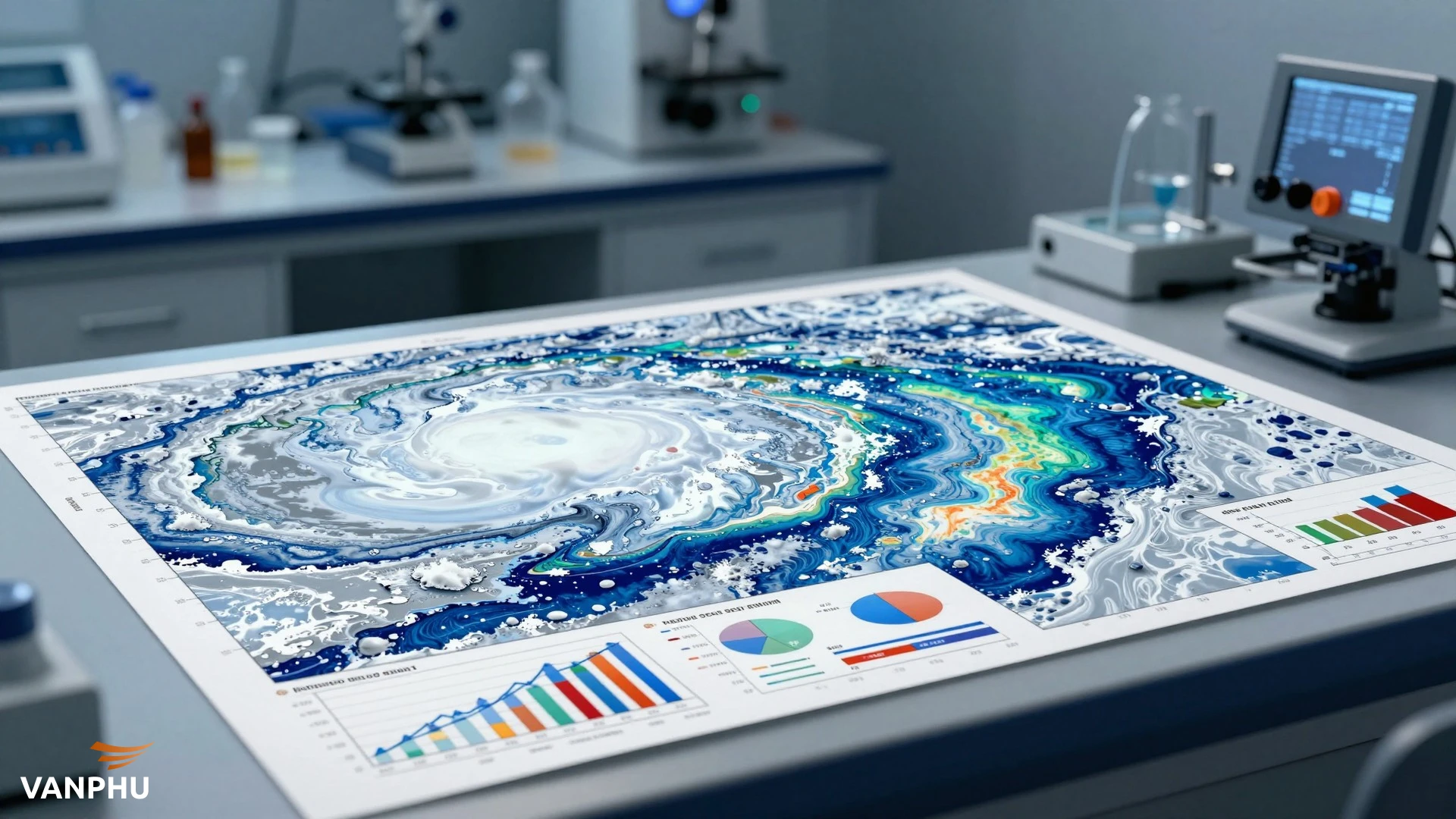
The challenge of model divergence necessitates improved methodologies for prediction. One promising approach is the emergent constraint method [3]. This technique uses an ensemble of climate models to establish an inter-model relationship between an observable predictor and a projected future change. By recalibrating original model results, scientists can enhance confidence in their projections [3].
For example, a recent study employing two independent constraints projected the time for the first ice-free Arctic to occur before 2040 under a medium emission scenario [3]. Another study, using a simpler model constrained by present-day sea ice and local sensitivity, projected the "likely" date for an ice-free Arctic between 2040 and 2062 in September under a medium emission scenario [3]. Moreover, statistical projections, often more adept at summarizing relevant data patterns, can complement detailed structural models, sometimes producing more accurate forecasts [2]. EON Tech, for instance, leverages advanced algorithms to refine such complex data analyses, offering new insights into environmental patterns.
What are the global and regional implications of Arctic ice loss?
The disappearance of Arctic sea ice is not an isolated regional event; it has profound implications that ripple across the globe. One significant consequence is the albedo feedback loop, where darker ocean water absorbs more heat, further accelerating global warming [2]. This contributes to the phenomenon known as Arctic amplification, where the Arctic warms significantly faster than the rest of the world [4]. Furthermore, the melting Arctic promotes additional future climate change, creating a vicious cycle.
Globally, the decline in sea ice is plausibly linked to a weaker jet stream, which can lead to more persistent and extreme weather events in mid-latitude regions [4]. This means changes in Arctic weather can directly impact rainfall, heatwaves, and cold snaps in densely populated areas. The melting ice also affects ocean currents, which are crucial regulators of global climate patterns [1]. The interconnectedness of Earth's systems means that Arctic changes resonate far beyond its icy borders.
How does Arctic ice loss impact ecosystems and human activities?
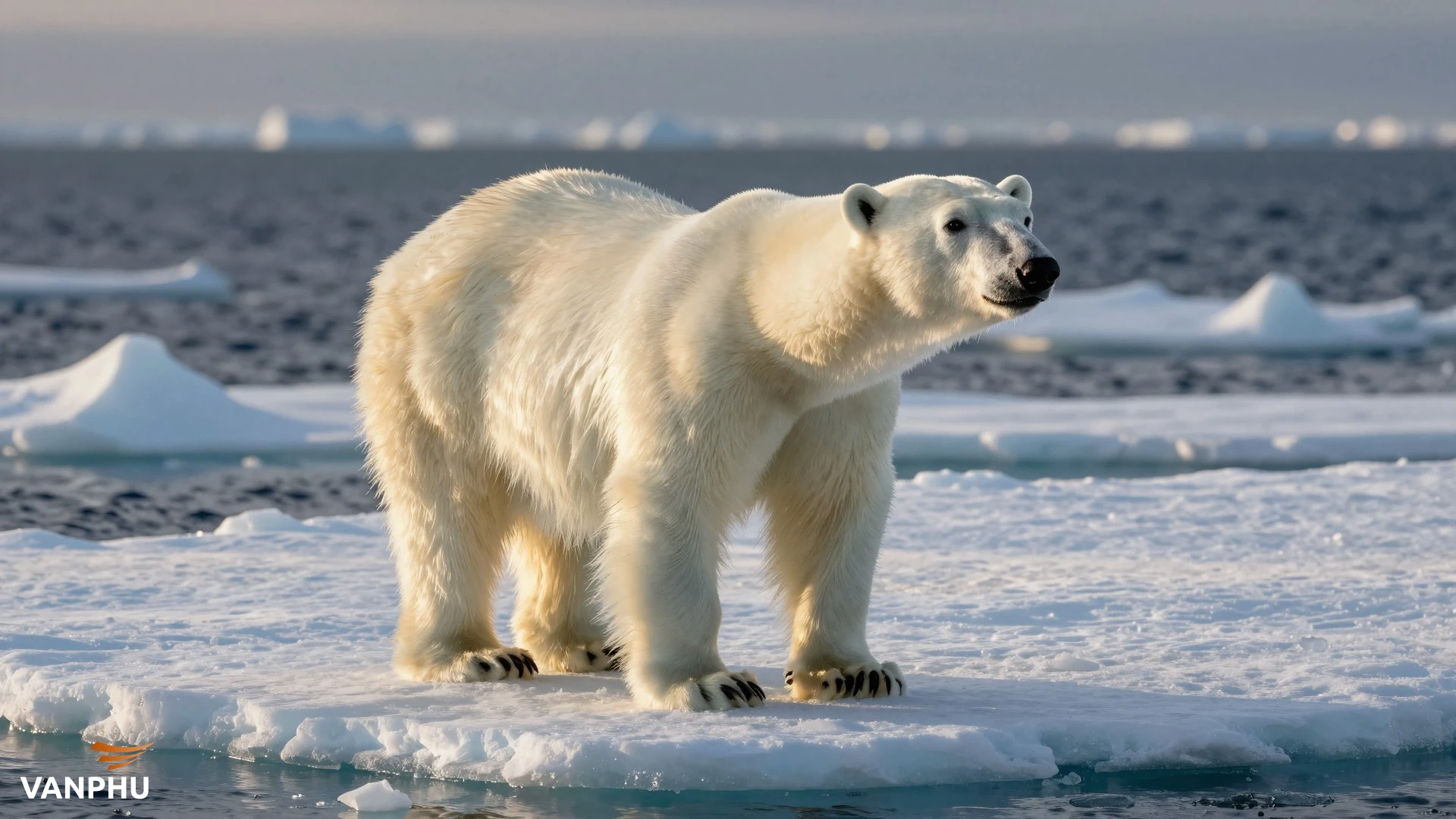
Regionally, the impacts are immediate and transformative. Arctic peoples, whose lands are directly affected, face increased coastal erosion as the protective sea ice diminishes [1]. This threatens traditional ways of life and infrastructure. The delicate Arctic ecosystem, home to iconic species like polar bears, is also at severe risk [4]. Their habitats are shrinking, impacting their hunting grounds and survival.
Conversely, the disappearance of ice creates new economic opportunities, albeit with their own set of challenges. New shipping routes, such as the Northern Sea Route, become more accessible, potentially reducing transit times and costs [2]. This also opens up possibilities for increased extraction of natural resources, including oil fields, and expanded tourism [1]. However, these opportunities come with significant environmental risks and geopolitical considerations, including potential impacts on national security [1]. The question of why are ocean plastic waste solutions critical for marine biologists? becomes even more pressing as human activity in the Arctic increases.
What future do climatologists foresee for Arctic ice?
The collective body of scientific research points towards an increasingly ice-free Arctic summer in the near future. While specific timelines vary, the consensus is clear: the Arctic is warming at an alarming rate, and its ice cover is receding rapidly. The IPCC Sixth Assessment Report (AR6) stated that Arctic sea ice area will likely drop below 1 million km² in at least some Septembers before 2050 [4]. This stark prediction underscores the urgency of the situation.
More recent projections, particularly those incorporating advanced statistical methods and emergent constraints, suggest an even earlier timeline. Some forecasts indicate a nearly ice-free summer Arctic Ocean by the mid-2030s with an 80% probability [2]. This means that within the lifespan of many alive today, the Arctic summer as we know it could be fundamentally altered. The implications of this shift are profound, necessitating immediate and sustained global action.
What actions are needed to address Arctic ice melt?
The narrative of Arctic ice melt is a powerful call to action for climatologists, policymakers, and global citizens. The scientific community continues to refine its models and predictions, providing ever-clearer insights into the trajectory of our planet [3]. However, the core message remains consistent: significant reductions in greenhouse gas emissions are paramount to mitigating the most severe impacts [5]. Even a lower carbon path, while beneficial, may only delay the arrival of a seasonally ice-free Arctic by a few years [2], emphasizing the need for transformative change.
Adaptation strategies are also crucial for communities and ecosystems already experiencing the consequences of a changing Arctic. This includes developing resilient infrastructure, supporting indigenous populations, and implementing conservation efforts for affected wildlife. The future of Arctic ice, and by extension, our global climate, hinges on the collective decisions made today. It is a story still being written, with every action shaping its ultimate conclusion.
NOAA scientists and colleagues expect the melting to accelerate in coming decades. This acceleration demands continued vigilance and innovative solutions. The ongoing research and collaboration among institutions like the North Carolina Institute for Climate Studies (NCICS) and NOAA Pacific Marine Environmental Laboratory are vital for refining our understanding and guiding effective responses [1]. The challenge is immense, but the commitment to understanding and addressing it must be even greater.More Information
- Arctic Amplification: The phenomenon where the Arctic region warms at a rate significantly higher than the global average, primarily due to feedback loops like the albedo effect and changes in atmospheric and oceanic circulation.
- Albedo Feedback: A climate feedback mechanism where melting ice (which is highly reflective) exposes darker surfaces like ocean water or land, which absorb more solar radiation, leading to further warming and more melting.
- First Ice-Free Arctic Summer Year (FIASY): A scientific benchmark defined as the year when the extent of Arctic sea ice falls below one million square kilometers during its annual summer minimum.
- CMIP6 Models: The Coupled Model Inter-comparison Project Phase 6, a collaborative effort by international climate modeling groups to produce and evaluate climate model simulations, forming the basis for IPCC assessment reports.
- Emergent Constraint Method: A technique used in climate science to reduce uncertainties in future climate projections by identifying relationships between observable present-day climate features and future changes across an ensemble of climate models.