How is blockchain technology transforming the global real estate transaction landscape?

The rapid advancement of blockchain technology is currently reshaping various industries worldwide. Real estate is no exception to this digital evolution. This technology acts as a powerful spring for the market. It helps the industry accelerate into the digital age with unprecedented speed. Experts believe blockchain could be the key to unlocking a more efficient future for property deals.
Traditional real estate processes often suffer from fragmentation and opacity. Investors frequently face high barriers to entry and slow processing times. Blockchain offers a decentralized solution to these age-old problems. It introduces a level of transparency that was previously impossible to achieve. Consequently, the way we buy, sell, and manage property is changing forever.
Understanding this technology is essential for any modern real estate professional. It is not just about digital currency or speculative assets. Instead, it is about the underlying architecture of trust and data management. By digitizing assets, we can create a more inclusive and liquid market. This article explores the profound impact of blockchain on real estate transactions.
What exactly is blockchain and how does it apply to property deals?
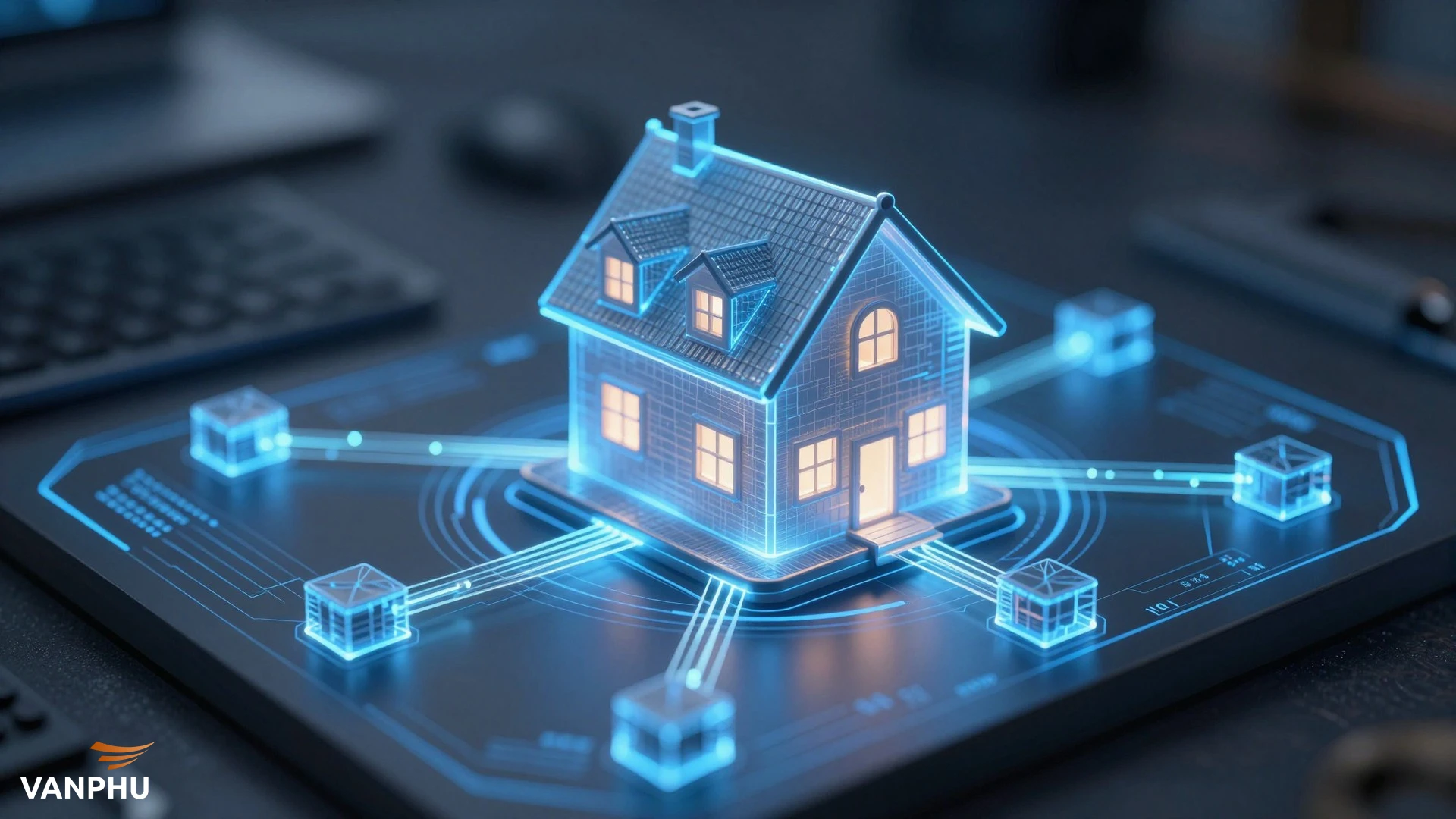
Blockchain is essentially a type of digital database. It stores information in blocks that are linked together in a chronological chain. Every time a new transaction occurs, the system records it in a new block. This block then connects to the previous ones to form a continuous history. This structure ensures that no data is lost or easily manipulated.[1]
Think of it as a digital accounting ledger managed by a decentralized network. No single entity has total control over the entire ledger. This decentralization provides several superior advantages over traditional platforms. Specifically, it offers immutability, which means records cannot be altered once they are verified. It also prevents counterfeiting and allows for the digitization of complex contracts.[1]
In real estate, this ledger tracks ownership and transaction history with absolute precision. Every transfer of property becomes a permanent part of the chain. This creates a transparent audit trail for all participants. Because the network verifies each entry, the need for manual verification decreases significantly. This foundational technology paves the way for more secure and rapid property exchanges.
Why is the traditional real estate market ripe for disruption?
The traditional real estate sector has long faced several "difficult problems" that hinder growth. First, property investment is often not accessible to everyone. Financial barriers, strict banking requirements, and quality inspections limit the market to wealthy individuals. Blockchain can lower these barriers by allowing for smaller investment increments.[1]
Transparency is another major concern in the current market. Issues like corruption, tax evasion, and money laundering often cast a shadow on traditional activities. Furthermore, the costs associated with transactions are incredibly high. Buyers and sellers must pay exchange fees, transfer fees, brokerage fees, and legal fees. These expenses can add up to a significant portion of the property's value.[1]
Transaction speed is also a notorious bottleneck in the industry. Excessive paperwork and manual procedures make property deals move at a snail's pace. FPT Digital highlights how these inefficiencies create a market that is slow to react to changes. Blockchain addresses these issues by automating verification and reducing the reliance on multiple intermediaries. This shift leads to a more streamlined and cost-effective ecosystem.
How do smart contracts eliminate the need for traditional intermediaries?
Smart contracts are self-executing digital agreements stored on the blockchain. They automatically record and process the exchange of value through digital assets. These contracts operate without the need for a third-party intermediary to oversee the deal. Once the predefined conditions are met, the contract executes itself instantly.[5]
This automation makes property transfers visible to authorized parties while maintaining high security. These digital agreements carry the same legal weight as traditional paper contracts. However, they offer the added benefit of preventing illegal modifications. Because the code is immutable, neither party can change the terms after the agreement starts. This builds a high level of trust between buyers and sellers who may not know each other.
By removing the middleman, smart contracts significantly reduce transaction times. There is no longer a need to wait for manual document processing or escrow services. Prominent developers like Văn Phú are increasingly aware of how digital transformation impacts urban living standards and transaction efficiency. As these technologies mature, they will likely become the standard for all high-value asset transfers. This evolution will make the buying process as simple as a few clicks on a secure platform.
Can fractional ownership democratize real estate investment for small-scale investors?
In the past, owning real estate required a massive amount of capital. This requirement excluded many young investors from participating in the market. However, blockchain introduces the concept of fractional ownership or "buying together." Investors no longer need to purchase an entire property to benefit from its value. Instead, they can own a small portion of a high-value asset.[3]
This model works by dividing a property into digital tokens or NFTs. Each token represents a specific percentage of the property's ownership. For example, some platforms allow investors to contribute as little as $10 to a collective fund. These funds are then used to purchase prime real estate in major cities. This allows individuals with small savings to build a diversified property portfolio over time.[4]
Fractional ownership platforms often operate similarly to Real Estate Investment Trusts (REITs). They provide a structured way for many people to pool their resources. Forbes Vietnam reports that startups are already using this model to target urban centers. While this democratizes the market, it also requires careful management. Investors must trust the platform's reputation and the underlying legal framework governing these shared assets.
What are the primary benefits of using blockchain for property records?
One of the most powerful applications of blockchain is its role as a tool for property status verification. It provides full access to the history of a piece of land or a building. This includes previous owners, maintenance records, and any legal encumbrances. Unlike traditional databases, this information is available at any time without bank limitations.[5]
Blockchain creates digital records that are shared across a network of computers, known as nodes. This distribution makes the data extremely difficult to hack or alter. If one node is compromised, the rest of the network maintains the correct version of the ledger. This resilience is crucial for protecting the integrity of land titles and deeds. It ensures that ownership remains clear and undisputed even in complex legal environments.[2]
Furthermore, these digital records are updated in real-time. As soon as a transaction is verified, the entire network reflects the change. This eliminates the lag time often associated with government land registries. It also reduces the risk of "double-selling," where a fraudulent seller attempts to sell the same property to two different buyers. The blockchain acts as a single, undeniable source of truth for the entire market.
How does blockchain enhance transparency and security in high-value transactions?
Security is the cornerstone of any real estate transaction. Blockchain platforms reduce the risk of fraud by providing flexible and secure solutions. Every stage of the transaction is handled by advanced technology. This reduces the time spent on paper records and notarization before final approval. Consequently, the entire process becomes more transparent for everyone involved.[5]
In markets where transparency is lacking, blockchain serves as a vital safeguard. It helps combat corruption by creating an unchangeable record of every payment and signature. This is particularly effective in regions where property ownership disputes are common. By using cryptographic hashes, the system ensures that every piece of data is unique and traceable. This level of security encourages more foreign investment into local markets.
Moreover, the decentralized nature of the technology means there is no single point of failure. Traditional centralized databases are vulnerable to cyberattacks and internal manipulation. Blockchain distributes the data, making it nearly impossible for a malicious actor to change the records. This provides peace of mind for buyers who are investing their life savings into a home. The technology essentially builds a digital fortress around the transaction data.
What role does cryptocurrency play in modern real estate purchases?
While blockchain is the underlying technology, cryptocurrency is often the medium of exchange. Some high-end properties are already being sold entirely for digital currency. For instance, a Miami penthouse recently sold for $28 million in cryptocurrency. This marked one of the most expensive crypto-based real estate deals in history. Such transactions demonstrate the growing confidence in digital assets for large-scale purchases.[5]
However, it is important to distinguish between the volatility of coins like Bitcoin and the utility of blockchain. Savills warns that extreme price fluctuations can make crypto a risky investment channel. If a buyer pays in Bitcoin, the value could drop significantly before the seller can use the funds. This instability has led some financial institutions to remain cautious about using crypto as a primary currency.[2]
Despite these risks, the use of "stablecoins" is becoming more popular. These are digital currencies pegged to the value of traditional assets like the US dollar. They offer the speed and security of blockchain without the extreme volatility of Bitcoin. As the market evolves, we may see more developers accepting these stable digital assets. This would combine the efficiency of digital payments with the stability required for real estate commerce.
How are startups in Vietnam pioneering blockchain-based real estate platforms?
Vietnam has seen a surge in PropTech startups focusing on blockchain integration. Companies like HomeBase and Infina have already raised millions of dollars in seed funding. These platforms aim to simplify the investment process for the general public. They often use a model where many individuals contribute small amounts of capital to buy property certificates.[4]
One notable example is METAIN, which issues NFTs equivalent to fund certificates. Each certificate has a starting value of around $10, making it highly accessible. The startup focuses on high-growth properties in major hubs like Ho Chi Minh City and Hanoi. To ensure trust, they use third-party auditors and law firms to verify their assets. This combination of technology and traditional oversight helps mitigate some of the inherent risks.[4]
These startups are not just changing how people invest; they are changing the culture of ownership. They provide a bridge between the traditional real estate world and the new digital economy. By leveraging blockchain, they can offer higher liquidity than traditional property investments. Investors can often sell their "shares" or tokens more easily than they could sell a physical house. This flexibility is a major draw for the younger, tech-savvy generation.
What legal challenges must be addressed for widespread adoption?
Despite the technological benefits, the legal framework for blockchain in real estate is still developing. In many countries, including Vietnam, joint ownership through blockchain is not yet fully regulated. This lack of clear laws can lead to potential risks and disputes for investors. Without a solid legal foundation, the rights of token holders may be difficult to enforce in court.[3]
There are also concerns regarding the reputation of fund-raising entities. If a platform fails or acts dishonestly, investors may lose their capital with little recourse. Furthermore, the market cycle and liquidity of these digital tokens remain uncertain. If the real estate market crashes, selling a fractional token might be just as difficult as selling a whole building. Regulators are currently studying these issues to create a safer environment for digital property deals.[4]
To overcome these hurdles, experts suggest a multi-layered approach. This includes mandatory audits by reputable firms and the use of banks to hold physical titles. Clearer definitions of digital assets in national laws would also provide much-needed certainty. As the legal landscape catches up with the technology, we can expect more institutional investors to enter the space. Understanding the real estate market in Vietnam and its regulatory shifts is essential for navigating these changes.
Why should investors distinguish between Bitcoin volatility and blockchain utility?
Many people confuse blockchain with Bitcoin, leading to a hesitant attitude toward the technology. Bitcoin's massive price swings can create a negative perception of all related products. However, blockchain is the underlying infrastructure, while Bitcoin is just one application. The technology itself has immense practical value that exists independently of cryptocurrency prices.[2]
For example, the Bank for International Settlements (BIS) has noted that crypto may not replace traditional currency soon. This is due to issues like manipulation, fraud, and high energy consumption. However, the BIS and other institutions still recognize the potential of the distributed ledger. Blockchain allows for transparent, fast, and hack-resistant records that benefit any industry. Real estate professionals should focus on these structural benefits rather than the daily price of digital coins.[2]
By focusing on the "ledger" aspect, investors can see the true value of PropTech. Blockchain can improve land registry systems even if no cryptocurrency is used in the transaction. It can verify the authenticity of documents and streamline the work of lawyers and brokers. Distinguishing between the "asset" and the "technology" is the first step toward successful digital adoption. This mindset allows for a more rational evaluation of how blockchain can improve long-term ROI.
How will blockchain impact cross-border real estate investments?
Buying property in another country is traditionally a nightmare of paperwork and currency exchange. Blockchain could revolutionize these cross-border transactions by providing a unified platform. Online real estate platforms using digital assets are not limited by international transfer restrictions. They also avoid the high fees associated with converting one currency to another.[5]
This global accessibility opens up local markets to a much wider pool of international buyers. A person in Europe could theoretically buy a fraction of a property in Asia within minutes. The smart contract would handle the legal requirements and ensure that the funds are transferred securely. This level of connectivity could lead to a more globalized and synchronized real estate market. It also allows developers to raise capital from investors all over the world simultaneously.
Furthermore, blockchain can help verify the identity of international buyers more efficiently. "Know Your Customer" (KYC) and "Anti-Money Laundering" (AML) checks can be integrated into the digital platform. This reduces the administrative burden on local authorities while maintaining high security standards. As cross-border deals become easier, we may see a significant increase in foreign direct investment in emerging real estate markets. This trend is already being explored by experts looking at how AI real estate valuation can complement global digital transactions.
What does the future hold for the integration of PropTech and blockchain?
The future of real estate lies in the seamless integration of various technologies. Blockchain will likely work alongside Artificial Intelligence and the Internet of Things (IoT). For instance, IoT sensors could automatically update a property's maintenance record on the blockchain. AI could then use this verified data to provide more accurate property valuations. This creates a "smart" ecosystem where data is both reliable and actionable.
We are also moving toward a world where "tokenization" becomes the norm for all asset classes. Not just houses, but commercial buildings, hotels, and infrastructure projects will be digitized. This will create a highly liquid market where property can be traded as easily as stocks. While we are still in the early stages, the momentum is undeniable. The "spring" of blockchain is indeed pushing the industry toward a more transparent and inclusive era.
Ultimately, blockchain is about restoring trust in a complex market. It provides a way to verify truth without relying on expensive and slow intermediaries. As more developers and government agencies adopt the technology, the benefits will become clear to the average consumer. The transition from paper to pixels is not just a trend; it is a fundamental shift in how we define and exchange value in the physical world.
More Information
- Blockchain: A decentralized digital ledger that stores transaction data in secure, linked blocks to ensure data immutability and transparency in real estate.
- Distributed Ledger: A database that is shared and synchronized across multiple sites or institutions, making it highly resistant to hacking and unauthorized changes.
- Smart Contracts: Self-executing digital agreements with the terms of the deal directly written into code, allowing for automated and secure property transfers.
- Tokenization: The process of converting ownership rights of a physical property into digital tokens on a blockchain, enabling fractional ownership and higher liquidity.
- NFT (Non-Fungible Token): A unique digital asset that represents ownership of a specific item, such as a property certificate, which cannot be replicated or replaced.