Why is sustainable housing becoming the top choice for young families?
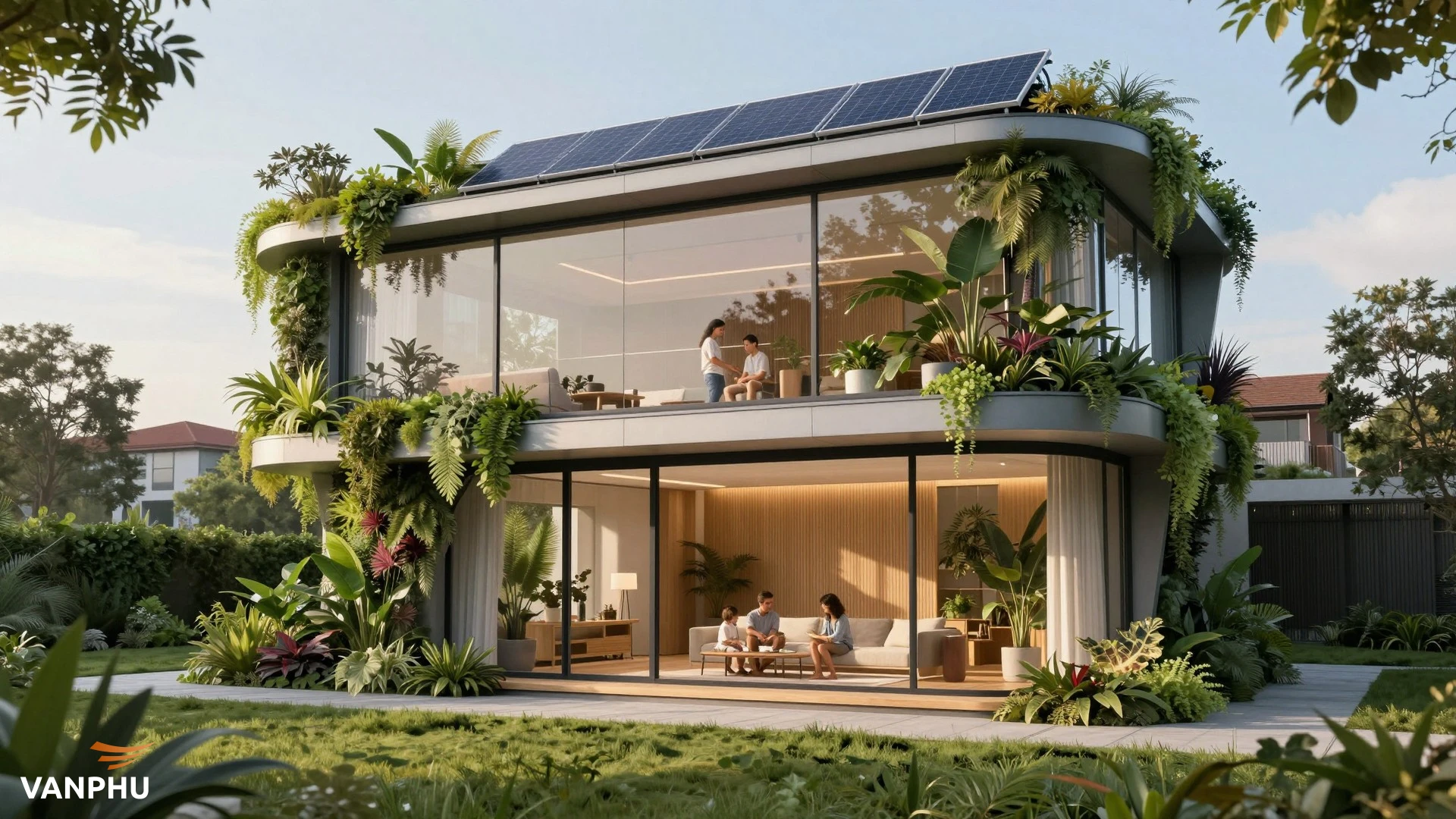
The global housing landscape is currently undergoing a profound transformation. Modern families no longer view a home simply as a shelter or a financial asset. Instead, they see it as an extension of their personal values and environmental commitment. Consequently, the concept of sustainable housing has moved from a niche trend to a mainstream necessity. This shift is particularly evident among young couples who are raising children in an era of climate uncertainty.
Sustainable housing integrates eco-friendly materials, energy-efficient technologies, and nature-centric designs. These elements work together to reduce the carbon footprint of a household while enhancing the well-being of its occupants. Furthermore, the long-term economic benefits are becoming impossible to ignore. Therefore, understanding these trends is essential for anyone planning to build or buy a home in the coming years.
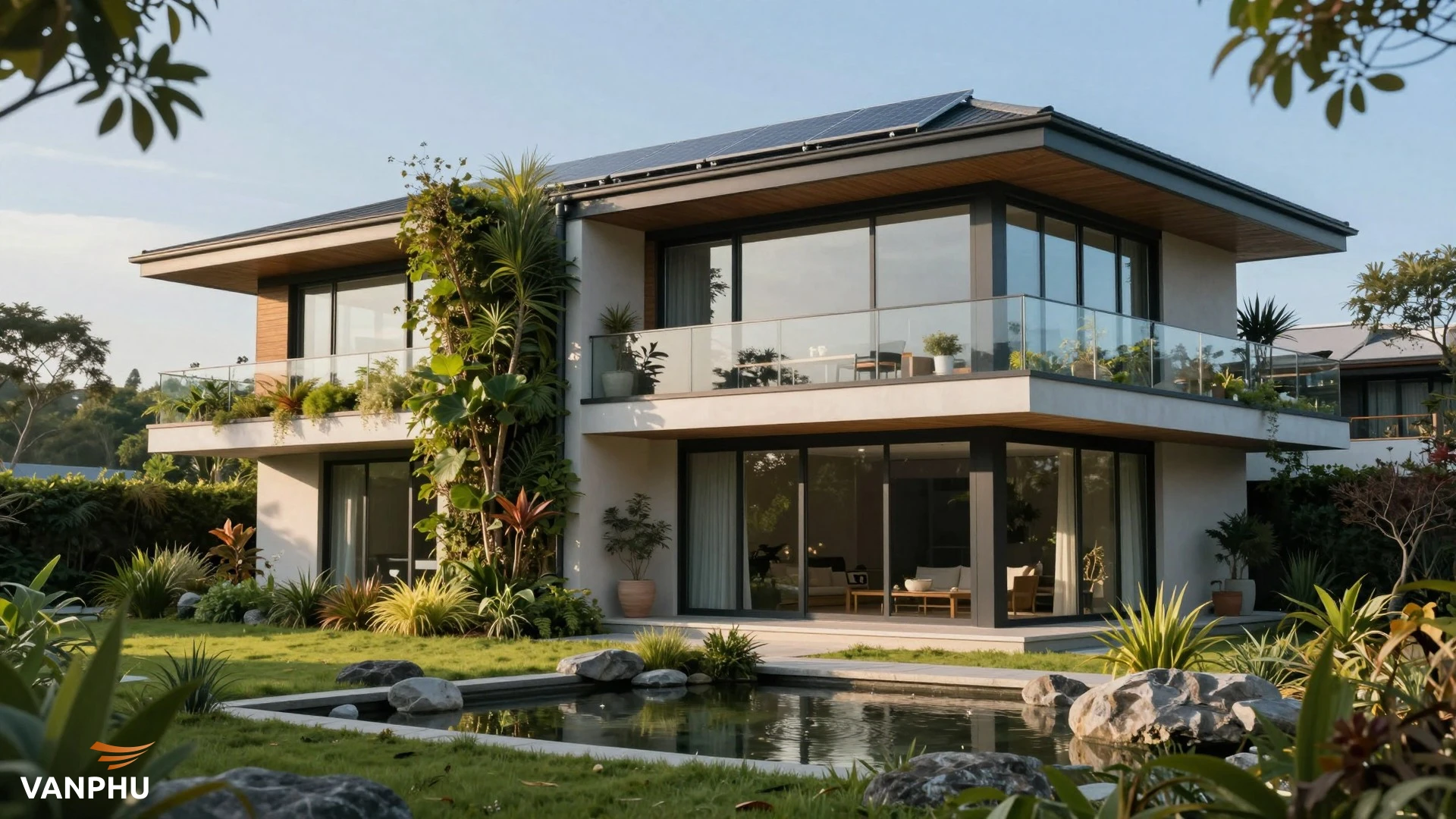
As we look toward the future, the integration of technology and nature will define our living spaces. This article explores the core pillars of sustainable architecture and the specific trends emerging for 2026. We will examine how orientation, materials, and minimalist philosophies create healthier environments. Ultimately, we aim to provide a comprehensive guide for families seeking a greener lifestyle.
What defines sustainable architecture in the modern era?
Sustainable architecture is much more than just adding solar panels to a roof. It is a holistic approach to design and construction that prioritizes environmental health and resource efficiency. According to experts, this trend focuses on creating spaces that harmonize with nature rather than imposing upon it [1]. By optimizing energy use and using renewable resources, these buildings become active solutions to environmental challenges.
One primary goal of this architectural style is to improve the quality of life for residents. For instance, better air filtration and natural lighting contribute to mental and physical health. Moreover, sustainable buildings are designed for longevity, ensuring they remain functional and safe for decades. This durability reduces the need for frequent renovations, which significantly saves resources over time.
In the context of sustainable architecture, the choice of location and site orientation plays a vital role. Architects now analyze local wind patterns and solar paths before drawing the first line. Consequently, the building can naturally regulate its temperature, reducing the reliance on mechanical heating and cooling systems. This synergy between human design and natural forces is the hallmark of modern green building.
How does sustainable design reduce environmental impact?
Every construction project consumes a vast amount of energy and raw materials. Sustainable design aims to minimize this consumption through "circular" principles. This means prioritizing materials that can be recycled or that have a low carbon footprint during production. Therefore, the total environmental cost of the building is significantly lowered from the outset.
Additionally, water conservation systems are becoming standard in green homes. Rainwater harvesting and greywater recycling allow families to reduce their municipal water usage. These systems are not only environmentally responsible but also provide a buffer against rising utility costs. Thus, sustainability serves both the planet and the family budget simultaneously.
How will housing design trends evolve by 2026?
As we approach 2026, the housing market is leaning heavily toward simplicity and functional beauty. Experts predict that the coming years will see a rise in one-story home designs that maximize land use. These homes offer a seamless flow between rooms, which is particularly beneficial for families with young children or elderly members [2]. Safety and accessibility are becoming just as important as aesthetic appeal.
The year 2026 is also expected to be a turning point for "biophilic" design. This involves integrating natural elements like indoor gardens, water features, and organic textures into the home's core. By doing so, architects create a "living" environment that reduces stress and increases productivity. This trend reflects a deep-seated human need to stay connected to the earth in an increasingly digital world.
Furthermore, the demand for "smart" green homes is skyrocketing. These houses use artificial intelligence to manage energy consumption and security. For example, smart windows can tint themselves based on the sun's intensity to keep the interior cool. Consequently, technology is no longer seen as an opponent of nature but as a tool to protect it.
Why are one-story houses gaining popularity again?
One-story houses are making a significant comeback in suburban and rural developments. These structures allow for easier integration with the surrounding landscape and garden spaces. Because there are no stairs, the interior feels more spacious and connected. This layout encourages family interaction and simplifies the maintenance of the property.
Moreover, one-story designs are often more energy-efficient than multi-level homes. Heat distribution is more uniform, and it is easier to implement effective natural ventilation. Prominent developers like Văn Phú are increasingly integrating these green standards into their urban projects to meet the rising demand for eco-conscious living. By focusing on horizontal expansion rather than vertical density, these homes offer a more grounded living experience.
Why is natural ventilation and orientation crucial for eco-friendly homes?
The orientation of a house is perhaps the most critical factor in its long-term comfort. In 2026, which is considered the Year of the Fire Horse, energy levels are expected to be high and potentially "hot" [3]. Therefore, choosing a direction that invites cool breezes and soft morning light is essential. An East-facing house, for example, avoids the harsh afternoon sun while providing a bright start to the day.
Proper orientation allows for "passive" cooling, which is a cornerstone of choosing a house direction for sustainability. When windows are placed strategically, they create a cross-ventilation effect. This naturally flushes out stale air and brings in fresh, oxygen-rich air from the outside. Consequently, the indoor environment remains pleasant without the constant hum of an air conditioner.
Moreover, natural light reduces the need for artificial lighting during the day. This not only saves electricity but also regulates the circadian rhythms of the residents. Children who grow up in well-lit, airy homes often show better focus and mood stability. Thus, the physical layout of the home directly impacts the psychological health of the family.
How can we optimize wind flow in urban townhouses?
Urban environments present unique challenges for ventilation due to high-density buildings. However, architects are using "wind chimneys" and internal courtyards to solve this problem. These features create a pressure difference that pulls air through the house. Even in a narrow townhouse, these techniques can ensure a constant supply of fresh air.
Additionally, the use of louvers and perforated screens can control airflow while maintaining privacy. These elements add a modern aesthetic while serving a vital functional purpose. By prioritizing these "low-tech" solutions, homeowners can achieve high levels of comfort with minimal environmental impact. Therefore, smart design often trumps expensive machinery.
Which eco-friendly materials are revolutionizing home construction?
The materials used in construction have a lasting impact on both the environment and indoor air quality. Traditional concrete and steel production are major sources of carbon emissions. In contrast, sustainable architecture prioritizes materials like FSC-certified wood and recycled metals [1]. These choices ensure that the building process supports responsible forestry and waste reduction.
Another exciting development is the use of "green" insulation made from recycled denim or hemp. These materials provide excellent thermal resistance without the toxic chemicals found in traditional fiberglass. Furthermore, low-VOC (Volatile Organic Compounds) paints and finishes are becoming the standard. These products do not off-gas harmful chemicals, making them much safer for infants and pets.
Bamboo is also emerging as a superstar material for the 2020s. It grows incredibly fast and is stronger than many types of hardwood. It can be used for flooring, cabinetry, and even structural elements. Because it sequesters carbon so effectively, using bamboo actually helps combat climate change. Consequently, it is a favorite among environmentally conscious young families.
Is it possible to build a home entirely from recycled materials?
While building a 100% recycled home is challenging, many projects are getting close. Recycled bricks, reclaimed wood, and crushed glass countertops are widely available today. These materials give a home a unique character and "story" that new materials cannot replicate. Moreover, they often cost less than high-end traditional options.
Using reclaimed materials also reduces the amount of waste sent to landfills. Every beam of wood reused is one less tree that needs to be cut down. This philosophy of "upcycling" is gaining traction in the luxury housing market as well. It proves that sustainability and high-end design are not mutually exclusive. Thus, a recycled home can be both beautiful and ethical.
How does minimalist design contribute to environmental conservation?
Minimalism is more than just a visual style; it is a philosophy of "less is more." In architecture, this translates to efficient floor plans that eliminate wasted space. According to recent reports, minimalist block architecture is a common trait among successful sustainable homes [5]. By reducing the total square footage, a family reduces the energy needed for lighting, heating, and cleaning.
Minimalist homes often feature multi-functional furniture and open-concept layouts. This flexibility allows the home to adapt as the family grows. For example, a home office can easily transition into a nursery without major structural changes. This adaptability extends the lifespan of the building and prevents the need for resource-heavy additions later on.
Furthermore, minimalism encourages families to own fewer but higher-quality items. This reduces the overall consumption of the household. When every object in a home has a purpose and a place, the environment feels calmer and more organized. Consequently, a minimalist home supports a more mindful and sustainable way of living.
Can a small home feel spacious through minimalist design?
The secret to making a small home feel large lies in the use of light and sightlines. Minimalist designs often use large windows and high ceilings to create a sense of openness. By keeping the color palette neutral and the surfaces clutter-free, the eye can move easily through the space. This prevents the "cramped" feeling often associated with smaller footprints.
Strategic storage solutions are also vital in minimalist homes. Hidden cabinets and built-in shelving keep daily items out of sight. This maintains the clean lines of the architecture while providing all the necessary functionality. Therefore, a well-designed 100-square-meter home can feel more comfortable than a poorly designed 200-square-meter one. This efficiency is the ultimate form of sustainability.
What role does energy efficiency play in sustainable living?
Energy efficiency is the engine that drives a sustainable home. In 2026, the goal for many new builds is "Net Zero" energy consumption. This means the house produces as much energy as it consumes over a year. Achieving this requires a combination of high-performance appliances and renewable energy sources like solar panels [2].
Insulation is another critical component that is often overlooked. High-quality insulation in the walls and roof keeps the interior temperature stable. This reduces the workload on the HVAC system, leading to significant energy savings. In fact, a well-insulated home can use up to 50% less energy for cooling than a standard house. This makes it one of the most cost-effective investments a homeowner can make.
Smart meters and energy monitoring apps also help families track their usage in real-time. When people can see exactly how much power their dryer or water heater is using, they tend to change their habits. This awareness leads to a more conscious use of resources. Thus, energy efficiency is both a technical achievement and a behavioral shift.
Is solar power worth the investment for young families?
The cost of solar panels has dropped dramatically over the last decade. For most families, the system pays for itself through energy savings within 7 to 10 years. After that, the electricity generated is essentially free. Moreover, many governments offer tax incentives or rebates for installing renewable energy systems.
Beyond the financial aspect, solar power provides energy independence. During power outages, a home with a battery backup can keep essential appliances running. This provides peace of mind, especially for families with young children. Therefore, solar energy is a wise long-term investment for both the planet and the family's security.
Why are green spaces and urban agriculture essential for modern homes?
Integrating nature into the home environment is a key trend for the mid-2020s. Green roofs, vertical gardens, and small backyard farms are becoming common features in sustainable designs. These spaces do more than just look pretty; they actively improve the local ecosystem. They provide habitats for pollinators like bees and butterflies while absorbing CO2 from the atmosphere [2].
Urban agriculture is also gaining momentum as families seek more control over their food sources. Even a small balcony can host a hydroponic system for herbs and leafy greens. This connection to food production teaches children valuable lessons about nature and nutrition. Furthermore, eating home-grown produce reduces the "food miles" associated with grocery store items.
In projects like the "Up House," architects have successfully integrated agricultural needs with modern living [5]. By providing space for drying crops or growing vegetables, the home supports the family's livelihood and health. This holistic approach ensures that the home is a productive part of the landscape, not just a consumer of it.
How do indoor plants improve the quality of life?
Indoor plants act as natural air purifiers by absorbing toxins and releasing oxygen. Studies have shown that being around greenery reduces cortisol levels and improves concentration. For parents working from home, a "green" office can significantly boost productivity and creativity. It brings a slice of the outdoors inside, which is vital in urban settings.
Furthermore, caring for plants can be a therapeutic activity for the whole family. It encourages a sense of responsibility in children and provides a screen-free hobby. The presence of life and growth within the home creates a vibrant, positive atmosphere. Consequently, plants are an essential element of any sustainable interior design strategy.
How does sustainable consumption influence our choice of living space?
The way we consume products is deeply linked to the way we live. Consumers are increasingly demanding transparency in the supply chains of everything they buy, from food to building materials [4]. This "value-based" consumption means that families are looking for homes that reflect their ethical standards. They want to know that their house didn't contribute to deforestation or labor exploitation.
This shift is also visible in the food industry, where organic and "free-from" products are becoming the norm. Families who prioritize healthy, sustainable food are likely to apply the same logic to their housing. They seek out sustainable food and lifestyle trends that emphasize health and environmental responsibility. A sustainable home provides the perfect backdrop for this conscious lifestyle.
Moreover, the "story" behind a product or a home is becoming a major selling point. People want to live in spaces that have a positive impact on the world. Whether it's a home built by a socially responsible developer or a kitchen made from reclaimed wood, the narrative matters. Therefore, sustainability is becoming a core part of a family's identity.
Why is transparency in construction materials so important?
Transparency allows homeowners to avoid "greenwashing," where products are marketed as eco-friendly but aren't. By demanding certifications like GlobalG.A.P. or FSC, consumers can verify the environmental claims of manufacturers. This accountability drives the entire industry toward better practices. It ensures that the "green" home is truly green from the inside out.
Furthermore, knowing the origin of materials helps in maintaining the home. If you know exactly what kind of stone or wood was used, you can care for it properly using non-toxic methods. This extends the life of the materials and keeps the home looking beautiful for longer. Thus, transparency is the foundation of trust in the sustainable housing market.
Can smart technology enhance the sustainability of your home?
Technology is often blamed for environmental issues, but "Smart Home" tech is a powerful ally for sustainability. Automated systems can control lighting and temperature based on occupancy. For example, lights automatically turn off when a room is empty, preventing energy waste. These small savings add up to a significant reduction in the home's carbon footprint over time.
Smart irrigation systems are another great example. These devices use weather data to determine exactly how much water your garden needs. They prevent over-watering during rainy days, saving thousands of liters of water annually. For a young family, these automated systems provide convenience while ensuring they are living within their environmental means.
Additionally, home energy management systems (HEMS) provide detailed insights into power consumption. They can suggest the best times to run heavy appliances, such as the dishwasher, to take advantage of off-peak electricity rates. This not only saves money but also reduces the strain on the national power grid. Consequently, smart tech makes sustainable living easier and more accessible.
Are smart homes difficult to maintain for non-tech-savvy families?
Modern smart home systems are designed with user-friendliness in mind. Most can be controlled through a single app on a smartphone or via voice commands. The goal is to make the technology "invisible" so it works in the background without constant adjustment. Many systems also offer remote diagnostics, so technicians can fix software issues without visiting the home.
As the technology matures, it is becoming more affordable and reliable. For young families, the initial learning curve is usually very short. The benefits of lower bills and increased comfort far outweigh the time spent setting up the system. Therefore, smart technology is an essential component of the modern, sustainable household.
What are the long-term financial benefits of investing in green housing?
While the initial cost of sustainable features can be higher, the long-term ROI (Return on Investment) is substantial. Energy-efficient homes have significantly lower monthly utility bills, which provides more disposable income for the family. Over 20 or 30 years, these savings can amount to tens of thousands of dollars. This financial cushion is invaluable for young families planning for their children's future.
Furthermore, green-certified homes tend to hold their value better than traditional ones. As environmental regulations become stricter, non-sustainable homes may require expensive retrofitting. In contrast, a sustainable home is already "future-proofed." This makes it a much safer investment in the Vietnamese real estate market, which is increasingly valuing green credentials.
There is also the factor of health-related costs. By living in a home with better air quality and natural light, families may experience fewer illnesses and lower stress levels. While harder to quantify, the savings on healthcare and the increase in overall happiness are perhaps the most significant benefits of all. Thus, sustainability is an investment in the family's total well-being.
Do green homes sell faster in the current market?
Data suggests that eco-friendly homes spend less time on the market than conventional ones. Modern buyers are specifically searching for terms like "energy-efficient," "solar-ready," and "natural light." A home that already meets these criteria stands out in a crowded market. It signals to the buyer that the property has been well-maintained and thoughtfully designed.
Moreover, many banks are now offering "green mortgages" with lower interest rates for sustainable properties. This makes green homes more affordable for a wider range of buyers. As the market continues to shift, sustainability will likely become a standard requirement rather than a luxury feature. Therefore, building green today is the best way to protect your home's resale value tomorrow.
How can young families start their journey toward a sustainable home?
Starting a journey toward sustainability doesn't require a massive budget or a brand-new house. Small changes can make a big difference. Families can begin by swapping out old light bulbs for LEDs or installing low-flow showerheads. These "quick wins" build momentum and provide immediate savings on utility bills.
The next step is to conduct a home energy audit. This identifies where the house is losing heat or wasting power. Based on the results, families can prioritize larger projects like adding insulation or upgrading to energy-efficient windows. It is often better to do one or two things well than to try to change everything at once.
For those looking to buy or build, researching developers who specialize in green projects is crucial. Choosing a partner like Vlasta real estate ensures that the home is built to high environmental standards from the ground up. By asking the right questions about materials and energy systems, families can ensure their new home aligns with their values. Ultimately, sustainability is a continuous process of learning and improvement.
What are the most important questions to ask a green builder?
When interviewing builders, ask about their experience with specific green certifications like LEED or LOTUS. Inquire about the source of their timber and the R-value of their insulation. It is also important to ask how they plan to manage construction waste. A truly sustainable builder will have clear, transparent answers to all of these questions.
Furthermore, ask for references from previous clients who have lived in their green homes for several years. This will give you an honest look at the home's performance and the builder's reliability. By doing your homework, you can avoid common pitfalls and ensure your dream of a sustainable home becomes a reality. Therefore, preparation is the key to a successful green transition.
More Information
- Sustainable architecture [1]: A design philosophy that focuses on minimizing the environmental impact of buildings through efficiency and moderation in the use of materials, energy, and development space.
- Biophilic design [2]: An architectural approach that seeks to connect building occupants more closely to nature by incorporating things like natural lighting, ventilation, and landscape features.
- Passive cooling [3]: A building design approach that focuses on heat gain control and heat dissipation in a building in order to improve the indoor thermal comfort with low or no energy consumption.
- Net zero energy [4]: A building with zero net energy consumption, meaning the total amount of energy used by the building on an annual basis is equal to the amount of renewable energy created on the site.
- VOCs (Volatile Organic Compounds) [5]: Organic chemicals that have a high vapor pressure at ordinary room temperature; low-VOC products are essential for maintaining healthy indoor air quality.