How can you invest in rental properties effectively for long-term profit?
Investing in rental properties has become a highly attractive business model in recent years. Land prices continue to rise while the demand for housing remains consistently high. Many investors seek ways to achieve "one capital, four profits" through strategic real estate management. However, success in this field requires more than just owning a building. You must understand market dynamics, legal frameworks, and operational strategies to ensure a steady cash flow.
This comprehensive guide explores the essential steps for building a profitable rental portfolio. We will analyze different business models and financial leverage techniques. Furthermore, we will discuss how to minimize risks and maximize occupancy rates. Whether you are a beginner or an experienced landlord, these insights will help you navigate the complexities of the modern real estate market.

Why is the rental property market becoming a top choice for investors?
The shift toward rental property investment is driven by several economic factors. Firstly, real estate serves as a powerful hedge against inflation. As the value of currency fluctuates, tangible assets like land and buildings typically maintain or increase their worth. Consequently, investors view property as a safer haven compared to volatile stocks or low-interest savings accounts.
Secondly, rental properties generate consistent passive income. This allows owners to receive monthly payments without the need for daily active labor. For many, this represents the ultimate goal of financial freedom. If the property is located in a high-demand area, the occupancy rate remains stable, ensuring a reliable stream of revenue [4].
Additionally, the potential for capital appreciation is significant. Beyond the monthly rent, the underlying asset often grows in value over time. In rapidly developing urban areas, a property purchased today could double in value within a decade. This dual-benefit system—monthly cash flow plus long-term appreciation—makes it a superior investment vehicle.
Which rental business models should you consider for your portfolio?
Before committing your capital, you must identify the business model that fits your financial capacity. Each model carries unique characteristics, risks, and management requirements. Choosing the right one is the foundation of your investment journey [1]. There are three primary models currently dominating the market.
The first model is the owner-occupier rental. This is often the easiest entry point for new investors. It involves using an existing property that you already own. Because the legal status is clear and the asset is already in your possession, initial investment costs are minimal. You can simply renovate a portion of your home or build additional rooms on your land to start earning [1].
The second model is the "buy-to-rent" strategy. This involves purchasing land to build a new structure or buying an existing house specifically for leasing. While this requires significant upfront capital, it offers the highest level of control. You can design the property to meet specific market needs, such as serviced apartments or student housing [2].
How does the rent-to-rent model work for urban investors?
A third, increasingly popular model is the "rent-to-rent" or subleasing strategy. In this scenario, you do not actually own the property. Instead, you lease a whole building or a large house from a landlord. You then renovate or divide the space and lease it out to individual tenants at a higher total price [1].
This model is particularly effective in densely populated cities like Hanoi or Ho Chi Minh City. It allows investors with limited capital to enter the market. You focus on management and optimization rather than property ownership. However, this model requires excellent negotiation skills and a deep understanding of tenant needs to ensure the margins remain profitable.
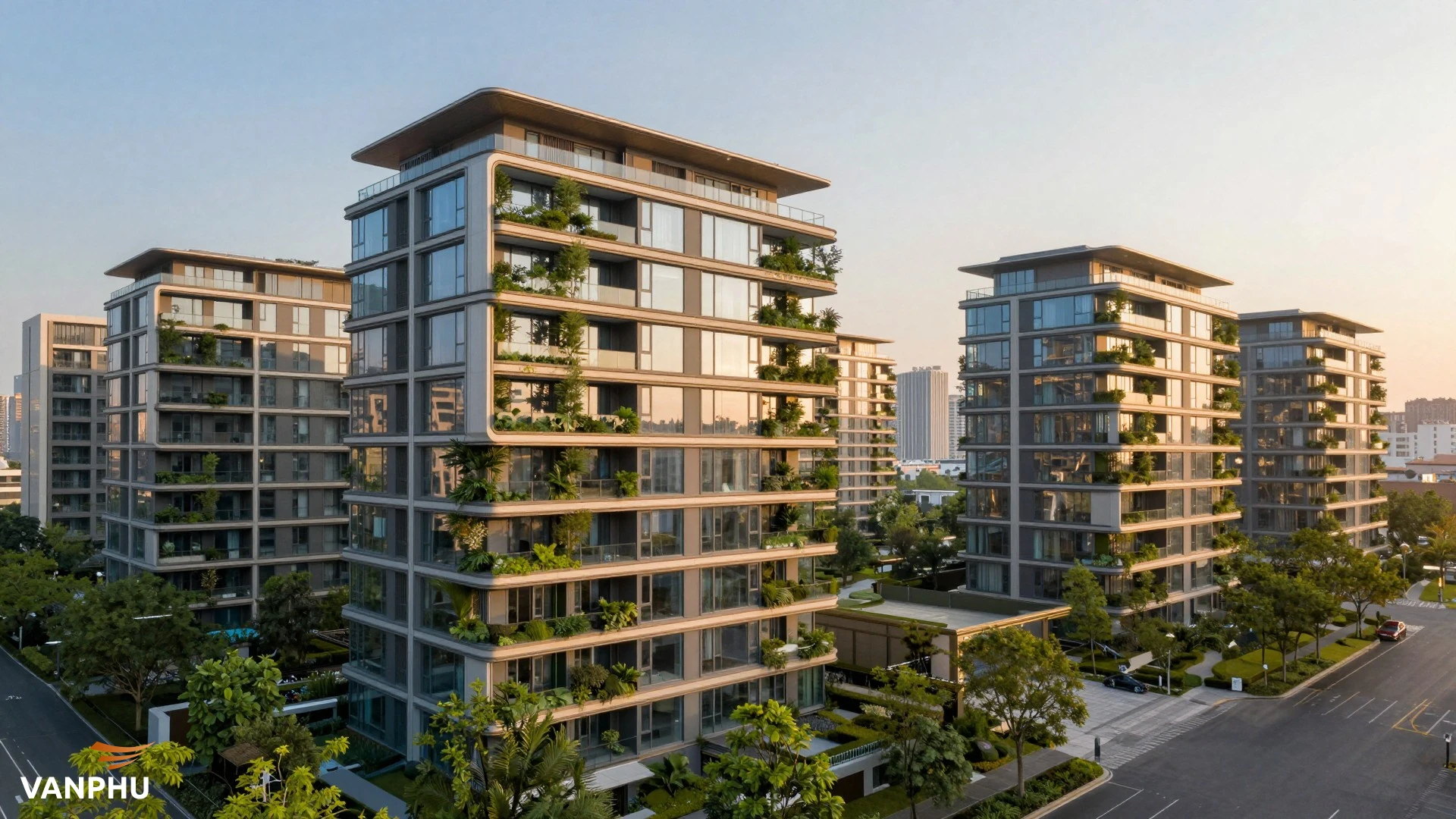
Prominent developers like Văn Phú are contributing to the supply of high-quality urban spaces suitable for rental exploitation. Their projects often provide the necessary infrastructure that makes subleasing or direct leasing highly attractive to premium tenants. By choosing properties near such developments, you can leverage the surrounding amenities to justify higher rental rates.
How do you select the perfect location for a rental property?
Location is arguably the most critical factor in real estate success. Experts suggest that location accounts for 50% to 60% of an investment's success [3]. A prime location does more than just increase property value; it actively attracts high-quality tenants. You should look for areas with high population density and convenient transport links.
When evaluating a location, consider the proximity to essential services. Are there schools, hospitals, and markets nearby? Tenants prioritize convenience and ease of movement. Properties located near major intersections or public transit hubs always command higher prices [2]. You should also research future infrastructure projects, such as new bridges or metro lines, which can boost value.
Furthermore, the social environment plays a vital role. Avoid areas with high crime rates or environmental issues like pollution and flooding. A clean, safe, and quiet neighborhood will always have a lower vacancy rate. Many investors also consider "Feng Shui" factors, such as the orientation of the land. In Vietnam, South or Southeast-facing properties are often preferred for their favorable climate [2].
Why is infrastructure development a key indicator for investors?
Infrastructure acts as the backbone of real estate value. When the government invests in roads, parks, and utilities, the surrounding property values inevitably rise. You should monitor urban planning maps to identify "hotspots" before they become overpriced. For instance, areas transitioning from rural to urban status often offer the highest growth potential.
Investors should ask specific questions about the property's surroundings. Is the traffic flow smooth during peak hours? Are there any planned industrial zones nearby that might bring in workers? By answering these questions, you can assess the true value of the asset and avoid overpaying for a property with limited growth potential [3].
What financial strategies ensure high returns on investment?
Successful rental investment requires sophisticated financial planning. You must balance your initial capital, ongoing maintenance costs, and debt obligations. Many investors utilize financial leverage to expand their portfolios. This involves taking out a bank loan to purchase a property while using the rental income to cover the interest and principal [4].
However, leverage is a double-edged sword. If the property remains vacant for several months, you must still meet your mortgage payments. This can lead to severe financial stress. Therefore, you should maintain a "safety buffer" of cash to cover at least six months of expenses. It is also wise to ensure that your total debt repayments do not exceed 40% to 50% of your total monthly income.
To maximize returns, you must also understand the difference between long-term and short-term leasing. Long-term leases provide stability and lower turnover costs. Short-term or monthly rentals can offer higher daily rates but require more intensive management [2]. You must decide which approach aligns with your lifestyle and financial goals.
How can you optimize your cash flow through smart management?
Effective management is the key to maintaining a healthy cash flow. This includes everything from setting the right price to managing utility bills. If your price is too high, you risk long vacancies. If it is too low, you lose potential profit. Conduct regular market research to ensure your rates remain competitive with neighboring properties.
You should also implement a strict system for collecting rent and utility payments. Delays in payment can disrupt your entire financial plan. Using management software can help automate these tasks and provide a clear overview of your business performance. Why is market data analysis the cornerstone of modern investment success? Understanding the data allows you to make informed decisions about when to raise rents or invest in upgrades.
How do you manage rental properties to minimize vacancies?
A vacant room is an investor's worst enemy. To minimize vacancies, you must focus on tenant satisfaction and proactive marketing. Start by creating high-quality listings with clear photos and detailed descriptions. Use social media platforms and specialized real estate websites to reach a wider audience.
Tenant screening is another crucial step. You want reliable individuals who will pay on time and take care of the property. Ask for references and verify their employment status. A good tenant is worth more than a high-paying but problematic one. Once you find good tenants, treat them well. Respond to repair requests quickly and maintain open communication [4].
Regular maintenance is also essential for keeping the property attractive. A well-maintained building retains its value and allows you to charge higher rent. Simple upgrades, like a fresh coat of paint or modern lighting fixtures, can significantly increase the appeal of a space. Do not wait for things to break; perform periodic inspections to catch issues early.
What legal procedures must every landlord follow?
Operating a rental business involves several legal responsibilities. You must register your business and pay the appropriate taxes on your rental income. Additionally, you are required to register your tenants with the local authorities for temporary residence [1]. Failure to comply with these regulations can result in heavy fines or legal disputes.
Ensure that your lease agreements are clear and legally binding. The contract should specify the rent amount, payment schedule, deposit terms, and rules regarding property damage. Having a solid contract protects both you and the tenant. What are the essential legal procedures for buying and selling real estate? Understanding these basics ensures your investment remains secure and compliant with national laws.
What are the emerging trends in the Vietnamese rental market?
The Vietnamese real estate market is evolving rapidly. One significant trend is the rise of serviced apartments and co-living spaces. Young professionals and digital nomads are looking for flexible, fully-furnished options that offer a sense of community. This shift presents a lucrative opportunity for investors who can adapt their properties to meet these modern needs.
Another major trend is the "whole building" rental model. In cities like Hanoi, investors are increasingly leasing entire buildings in central districts like Giảng Võ to create mixed-use spaces. These buildings often combine offices on the lower floors with serviced apartments on the upper levels [5]. This diversification helps optimize cash flow and reduce the risk of total vacancy.
Sustainability is also becoming a priority for tenants. Green buildings with energy-efficient systems and natural ventilation are in high demand. While these features may require a higher initial investment, they lead to lower operating costs and higher tenant retention in the long run. Investors who embrace these trends will be better positioned for future success.
Why is the Giảng Võ area a prime example of rental potential?
The Giảng Võ area in Hanoi serves as an excellent case study for rental investment. It is a hub for businesses, administrative agencies, and high-quality infrastructure. Properties here benefit from excellent connectivity to major streets like Kim Mã and Nguyễn Chí Thanh [5]. The high concentration of office workers and expats ensures a steady demand for both office space and residential units.
Investors in this area often focus on high-density buildings with flexible floor plans. For example, a 9-story building can be divided into nearly 100 small apartments, maximizing the utility of every square meter [5]. This level of optimization is what separates professional investors from amateurs. By studying successful hubs like this, you can apply similar principles to other emerging markets.
How can you avoid common pitfalls in rental property investment?
Despite the high potential for profit, many investors fail due to common mistakes. One major pitfall is over-leveraging. Taking on too much debt without a clear repayment plan can lead to bankruptcy if market conditions change. Always base your financial projections on conservative occupancy rates, such as 70% or 80%, rather than assuming 100% occupancy.
Another mistake is neglecting the importance of professional management. Many landlords try to do everything themselves to save money. However, managing dozens of tenants, handling repairs, and staying on top of legal paperwork is a full-time job. If you have multiple properties, consider hiring a professional management company. They can often reduce vacancy rates and handle tenant issues more efficiently than an individual owner [1].
Finally, do not ignore the power of branding and reputation. In the age of social media, a single bad review can hurt your business. Focus on building a reputation as a fair and responsive landlord. Happy tenants are more likely to renew their leases and recommend your property to others. This organic growth is the most sustainable way to ensure long-term profitability in the rental market.
More Information
- Owner-Occupier Model [1]: A business strategy where the property owner uses their existing assets, such as land or a house, to create rental units, minimizing initial capital and legal hurdles.
- Financial Leverage [2]: The use of borrowed capital, such as bank loans, to increase the potential return on a real estate investment, allowing for larger asset acquisition.
- Location Value [3]: The concept that a property's worth and rental potential are primarily determined by its geographic position, surrounding amenities, and proximity to economic hubs.
- Passive Income [4]: Earnings derived from a rental property where the owner is not actively involved in daily operations, providing a steady stream of monthly revenue.
- Serviced Apartments [5]: Fully furnished rental units that offer amenities similar to hotels, such as cleaning and security, catering to short-term or high-end tenants.