How does climate change reshape the global real estate market for ESG investors?
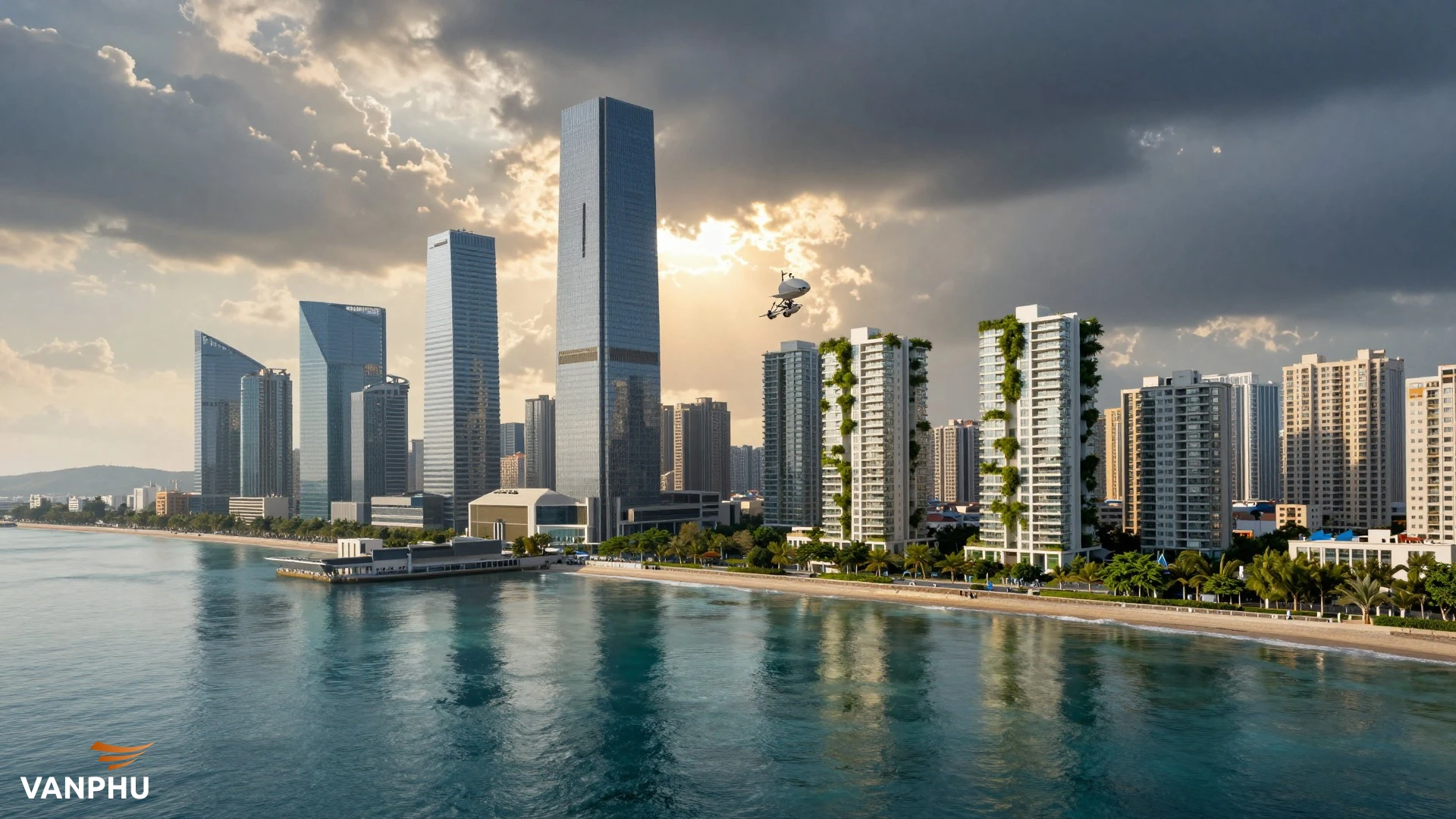
Climate change is no longer a distant threat for the next generation. It is a present reality that is fundamentally altering the global economic landscape. For environmental, social, and governance (ESG) investors, the stakes are incredibly high. Real estate is one of the most vulnerable sectors to environmental shifts. Rising sea levels, extreme heat, and unpredictable storms are now direct threats to property valuations. Investors must look beyond traditional financial metrics to understand these risks. This article explores how climate change impacts the real estate market and what strategies can mitigate these growing challenges.
The relationship between the built environment and the planet is complex. Buildings are both victims of and contributors to the climate crisis. As global temperatures rise, the frequency of natural disasters increases. These events cause immediate physical damage to infrastructure. However, the long-term economic consequences are even more profound. Markets are beginning to price in climate risk, leading to significant shifts in capital allocation. Understanding this transformation is essential for any investor committed to sustainability and long-term growth.
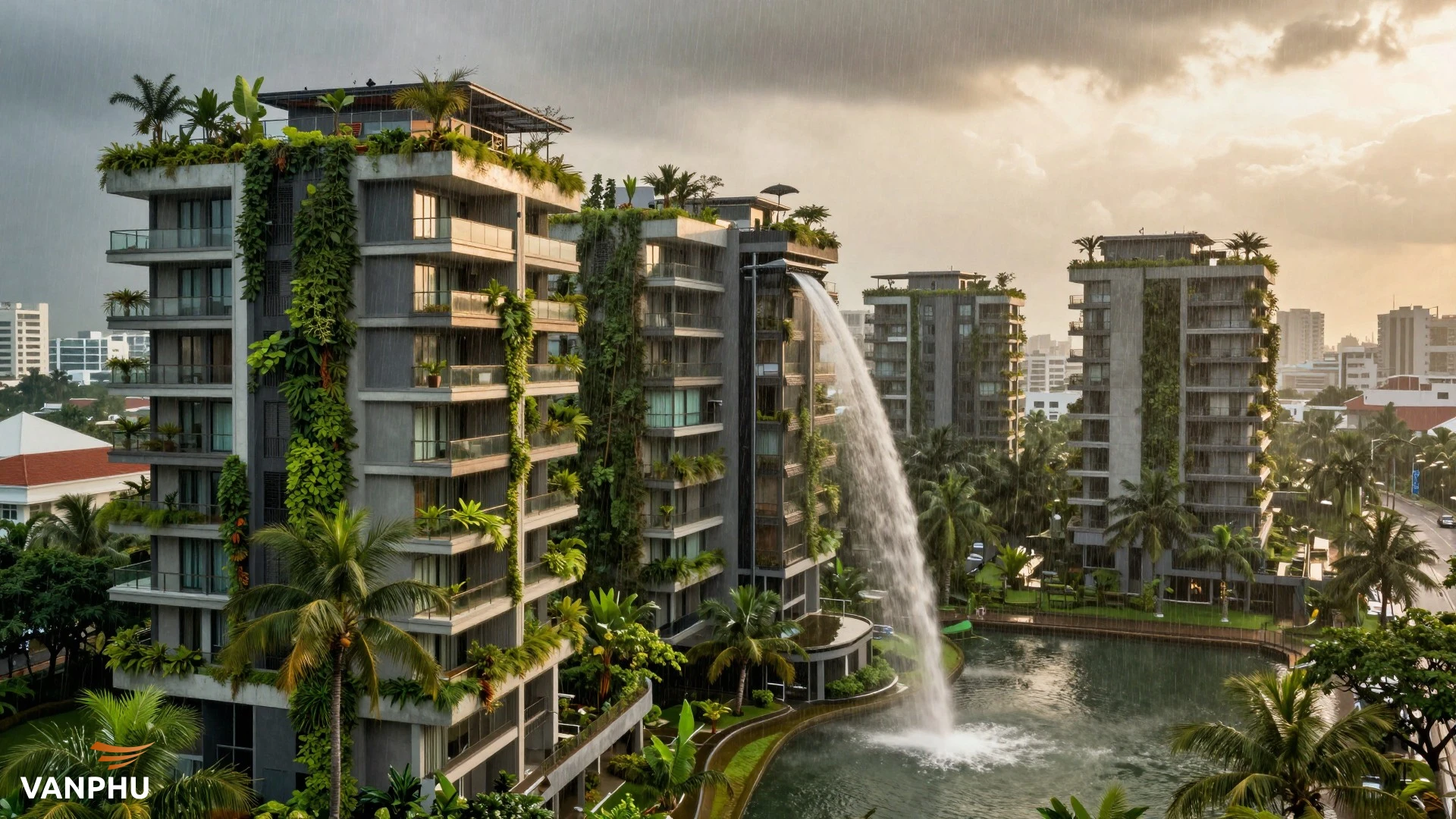
Why is climate change the most significant challenge for modern property owners?
Global warming is primarily driven by human-induced carbon emissions. Since the Industrial Revolution, the burning of fossil fuels has released massive amounts of carbon dioxide into the atmosphere [2]. This process creates a "greenhouse effect" that traps heat. Consequently, we see higher global temperatures and more frequent natural disasters. For property owners, these changes translate into direct financial risks. Fires, storms, and droughts can destroy physical assets in a matter of hours [2].
The real estate sector itself is a major part of the problem. Globally, the built environment accounts for approximately 40% of all planetary carbon emissions [2]. This includes emissions from construction materials and the energy used to operate buildings. From lighting to air conditioning, our structures consume vast amounts of energy. This energy use releases CO2, further accelerating the warming of the planet. Therefore, the industry faces a dual challenge: it must adapt to a changing climate while simultaneously reducing its own footprint.
Investors are now witnessing a "shock" to the economy as residents flee high-risk areas. When homeowners and tenants abandon regions threatened by climate change, property values plummet [2]. This creates a cycle of disinvestment that can freeze local economies. For ESG investors, identifying these "at-risk" zones is a top priority. They must evaluate whether a property can withstand the environmental pressures of the next thirty years. Ignoring these factors can lead to "stranded assets" that lose all market value.
How do extreme weather events affect real estate prices in Vietnam?
Vietnam is one of the countries most vulnerable to climate change. Recent years have seen a dramatic increase in heavy rainfall and deep flooding in major urban centers. In October 2025, Hanoi experienced a historic flood that paralyzed traffic and affected thousands of households [1]. Even central streets were submerged, proving that existing infrastructure cannot handle extreme weather. Similarly, Hoi An recently recorded severe flooding where water rose up to 1.5 meters after a single prolonged rainstorm [1].
These events have a direct impact on the valuation of real estate in affected areas. When a region is known for frequent flooding, life for residents becomes chaotic. Consequently, property prices in these zones "sink" along with the water levels [4]. Some urban areas even face the risk of being completely erased in the future as sea levels rise. This reality forces the government to spend hundreds of billions of dong on "healing" and temporary fixes [4].
However, temporary solutions like pumping stations or dikes do not stop the rain or the tides. They are necessary but often insufficient. Experts suggest that the only way to maintain property value is through proactive adaptation. Real estate projects that lack synchronized planning or green spaces for water drainage are the most at risk [1]. Investors are now favoring developers who prioritize sustainable infrastructure from the start. This shift is redefining what "prime real estate" means in the Vietnamese market.
What can we learn from international models of climate-resilient urban planning?
Many nations have already recognized climate risks and implemented pioneering models. Singapore is a prime example with its "City in Nature" strategy. By building the Marina Barrage reservoir and a network of green canals, the city has virtually eliminated flooding despite heavy rains [1]. These natural drainage corridors allow the city to "live with water" rather than fighting it. This approach protects property values and ensures urban stability.
Rotterdam in the Netherlands offers another innovative solution. Since much of the city is below sea level, they built "Water Squares." These are public squares that double as temporary rain storage basins during storms [1]. This reduces the load on the sewage system and prevents street flooding. Meanwhile, Tokyo has invested billions of dollars in a "super underground discharge channel" [1]. This massive tunnel system can hold millions of cubic meters of water, protecting the capital from typhoons.
These global examples show that synchronized planning is the best "weapon" against climate change. Successful cities combine technical engineering with ecological elements. For Vietnam, these lessons are vital for developing new urban areas. Projects that integrate reservoirs, parks, and efficient drainage systems will be the most resilient. Prominent developers such as Văn Phú are increasingly focusing on these ecological factors to protect long-term asset value. Such visionary planning is what separates sustainable investments from high-risk gambles.
How can small lifestyle changes lead to massive environmental impacts?
Climate change is often seen as a systemic challenge beyond individual control. However, small daily choices can create significant shifts when multiplied across society. Our diet, transportation, and shopping habits all shape the economy's emission levels [3]. When millions of people change their behavior, the cumulative effect is powerful. This "bottom-up" approach complements large-scale industrial changes.
Food consumption is a major area for potential reduction. Beef production is one of the highest carbon-emitting activities in the food system [3]. It requires vast amounts of land, water, and feed, while cattle release large amounts of methane. Replacing just one serving of beef with chicken each week can significantly lower an individual's annual carbon footprint [3]. If one in ten Americans made this switch, it would be equivalent to removing 1.3 million cars from the road [3].
In the context of real estate, individual choices also matter. Residents who choose energy-efficient appliances or electric vehicles reduce the overall demand for fossil fuels. Developers are responding by installing EV charging stations and solar panels in new projects. These features make a property more attractive to the modern, eco-conscious tenant. By supporting these small changes, investors can help drive the transition to a low-carbon economy. Every decision, from what we eat to where we live, contributes to the climate solution.
What are the key findings of the IPCC 2022 report for real estate stakeholders?
The Intergovernmental Panel on Climate Change (IPCC) released a landmark report in 2022. This document, approved by 195 governments, is the most comprehensive assessment of climate impacts to date [5]. It highlights how climate change is already harming food production and destroying nature. Furthermore, it is actively slowing down global economic growth [5]. For the real estate sector, the report serves as a dire warning.
Extreme heat, heavy rain, and rising sea levels are becoming more frequent and intense. These phenomena cause loss of life and damage to physical structures. The report also notes that human health is suffering due to climate-related stress and disease spread [5]. People in vulnerable regions are 15 times more likely to die from floods or storms than those in resilient areas [5]. This disparity creates a moral and financial imperative for ESG investors to focus on adaptation.
The IPCC emphasizes that some risks are becoming irreversible. We are reaching the limits of what some societies can adapt to. Therefore, the focus must shift toward "climate-resilient development." This involves integrating risk management into every level of urban planning. For real estate investors, this means conducting rigorous climate stress tests on their portfolios. Understanding adaptation strategies is no longer optional; it is a core component of fiduciary duty.
Why is urban regeneration essential for the survival of modern cities?
Many existing urban areas were built without considering the current climate reality. As these cities age, they become increasingly susceptible to environmental disasters. This is why urban regeneration is becoming a critical task for modern planners. It is not just about beautifying old neighborhoods. It is about retrofitting them with the infrastructure needed to survive the 21st century.
Regeneration projects often focus on improving drainage, increasing green cover, and upgrading energy systems. By transforming "concrete jungles" into "sponge cities," we can manage excess rainwater more effectively. This process also revitalizes local economies and boosts property values. Investors who participate in urban renewal can find unique opportunities for high-impact ESG returns. These projects address social equity by protecting vulnerable communities from climate threats.
Furthermore, regenerating existing sites is often more sustainable than building new ones. It reduces the need for "virgin" construction materials and preserves natural land. In cities like Ho Chi Minh City or Hanoi, upgrading old infrastructure is a race against time. The success of these efforts will determine the future viability of these urban hubs. ESG investors play a vital role in providing the capital necessary for these large-scale transformations.
How should ESG investors evaluate property portfolios in the era of climate volatility?
Traditional real estate analysis focuses on location, yield, and occupancy rates. While these remain important, they are no longer sufficient. ESG investors must now incorporate "physical risk" and "transition risk" into their models. Physical risk refers to the direct threat of weather events to a building. Transition risk involves the costs associated with moving to a low-carbon economy, such as new regulations or carbon taxes.
A thorough evaluation should look at the environmental impact of real estate assets. Does the building have a high energy rating? Is it located in a flood zone? What is the developer's track record with sustainability? These questions help investors avoid assets that may become obsolete. Furthermore, investors should look for properties that offer "co-benefits," such as improved air quality or better mental health for residents.
Data is the most powerful tool in this evaluation process. Advanced mapping technologies can now predict flood risks with high precision. AI-driven platforms can analyze energy consumption patterns across thousands of buildings. By leveraging these tools, investors can make more informed decisions. The goal is to build a portfolio that is not only profitable but also resilient to the shocks of a warming world. This approach aligns financial success with the broader goals of planetary health.
What is the future of climate-resilient real estate?
The future of the market belongs to projects that harmonize with nature. We are moving away from the era of "conquering" the environment toward "adapting" to it. This shift is driving innovation in construction materials, such as carbon-absorbing concrete and high-performance insulation. Buildings of the future will likely be "net-zero" or even "nature-positive," generating more energy than they consume.
Policy will also play a major role in shaping this future. Governments are increasingly mandating climate disclosures for large corporations and real estate owners. This transparency will make it easier for ESG investors to identify leaders and laggards. As the cost of carbon rises, the financial advantage of green buildings will become even more apparent. Sustainable real estate will no longer be a "niche" market; it will be the standard.
Ultimately, the transition to a climate-resilient world requires collaboration. Developers, investors, and policymakers must work together to rebuild our cities. While the challenges are immense, the opportunities for innovation are equally great. By investing in resilience today, we can ensure a stable and prosperous future for the real estate market. The path forward is clear: sustainability is the only viable strategy for long-term growth.
In conclusion, climate change is fundamentally reshaping the real estate sector. From the flooded streets of Hanoi to the innovative water squares of Rotterdam, the evidence is everywhere. Investors who ignore these trends do so at their own peril. However, those who embrace ESG principles and invest in adaptation will find themselves at the forefront of a new, more resilient economy. The time to act is now, as every degree of warming and every dollar invested will determine the shape of our future cities.
For those looking to deepen their understanding of market shifts, exploring luxury real estate in 2024 can provide insights into how high-end developers are already integrating these premium sustainable features. As the market evolves, the definition of luxury is increasingly becoming synonymous with safety, resilience, and environmental harmony.
More Information
- City in Nature [1]: An urban planning strategy popularized by Singapore that integrates lush greenery and natural water management systems into the city's core infrastructure to enhance resilience.
- Greenhouse Effect [2]: The process by which radiation from a planet's atmosphere warms the planet's surface to a temperature above what it would be without its atmosphere, primarily caused by CO2.
- Carbon Footprint [3]: The total amount of greenhouse gases, including carbon dioxide and methane, that are generated by our actions, such as food choices or transportation methods.
- Stranded Assets [4]: Assets that have suffered from unanticipated or premature write-downs, devaluations, or conversion to liabilities, often due to environmental or regulatory changes.
- Climate Adaptation [5]: The process of adjusting to current or expected climate change and its effects, aiming to moderate harm or exploit beneficial opportunities for society.