Why is real estate for the elderly the next gold mine for medical investors in Vietnam?
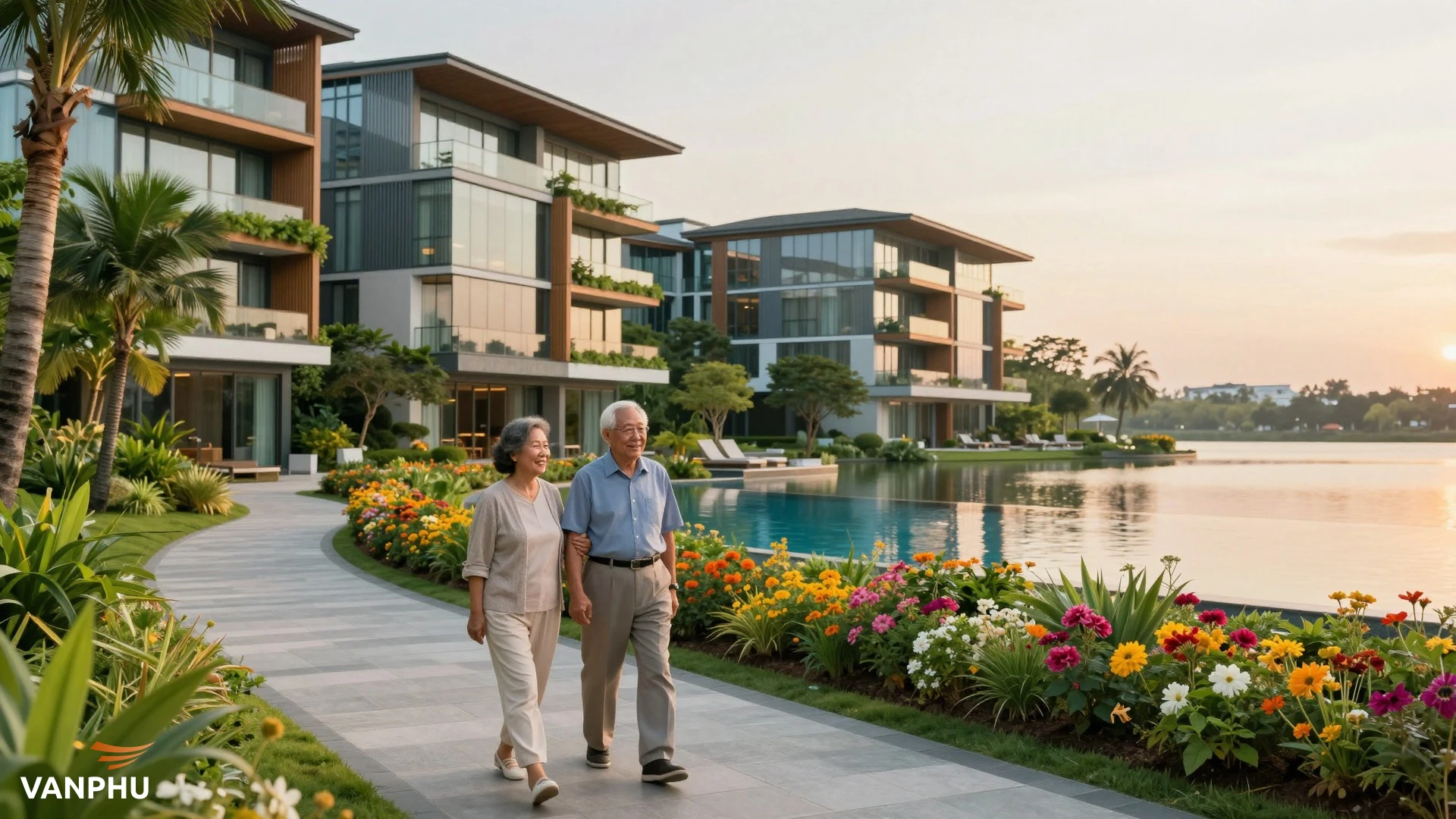
Vietnam is currently undergoing a demographic transition that few nations have experienced at such a rapid pace. For medical investors and real estate developers, this shift represents a massive, untapped frontier. The "silver economy" is no longer a distant concept but a pressing reality that demands sophisticated infrastructure. As the traditional family model evolves, the need for specialized housing that integrates healthcare becomes paramount.
The intersection of healthcare and property development offers a unique value proposition. Investors are looking beyond simple brick-and-mortar structures. They are now focusing on ecosystems that provide longevity, wellness, and dignity. This article explores why senior living real estate is becoming the most attractive asset class for those with a medical investment background.
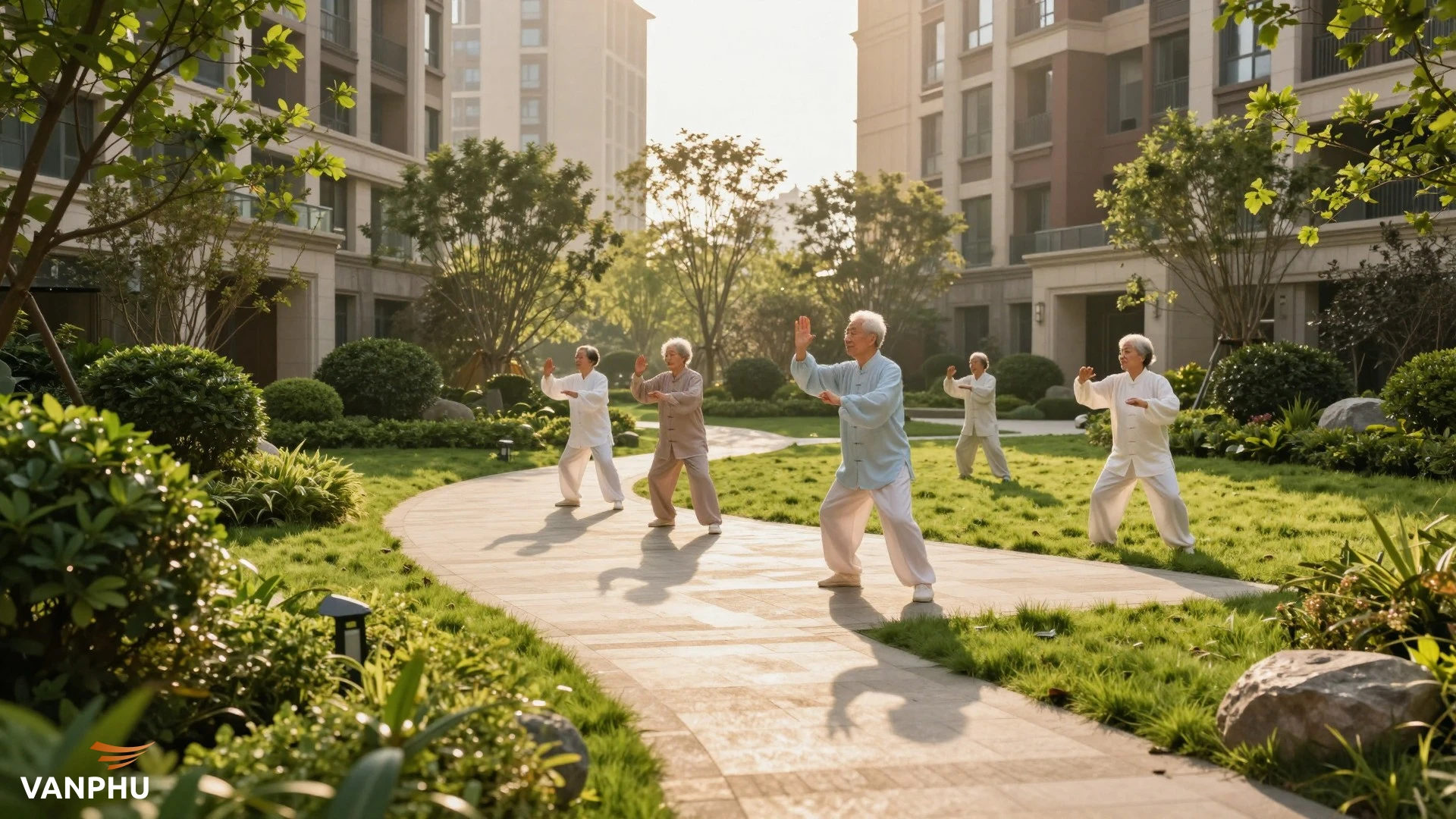
How is the demographic shift driving demand for senior housing?
Vietnam is transitioning from an "aging" society to an "aged" society at an unprecedented speed. According to data from the General Statistics Office, the country will officially enter the aged population phase by 2038.[2] At that point, people over the age of 60 will account for more than 20% of the total population. This demographic pressure creates an immediate and massive demand for specialized housing solutions.
The United Nations Population Fund (UNFPA) predicts that by 2050, one in six Vietnamese citizens will be over 65 years old.[4] This rapid aging is occurring much faster than in many neighboring countries. Consequently, the window for developing adequate infrastructure is narrowing. Medical investors must act now to establish the facilities that will be required in the coming decade.
Furthermore, the decline in birth rates is accelerating this process. Over the last 30 years, the fertility rate has dropped from 3.8 children per woman to under 2.0.[5] This means fewer young people will be available to care for the elderly in traditional home settings. The reliance on institutional and professional care is therefore an inevitability rather than a choice.
Why is the traditional family structure no longer sufficient for elderly care?
For generations, the "multi-generational household" was the backbone of elderly care in Vietnam. However, urbanization and changing social norms are dismantling this structure. More elderly people are now living alone or only with their spouses. Statistics show the proportion of elderly living alone increased from 9.68% in 2009 to 13.74% in 2019.[5]
Younger generations are moving to urban centers for work, leaving their parents in rural areas or in isolated city apartments. Even when living together, the pressure of modern work life makes it difficult for children to provide the specialized medical care their parents need. This creates a "care gap" that traditional housing cannot fill. Medical investors can bridge this gap by providing managed environments that offer both community and clinical support.
The psychological toll of this shift is also significant. Many seniors feel like a burden to their busy children. This emotional dynamic is driving interest in "independent living" models where seniors can maintain their autonomy while having access to help. Investors who understand these cultural nuances will find more success in the Vietnamese market.
What are the current limitations of traditional nursing homes?
Traditional nursing homes in Vietnam often carry a negative social stigma. They are frequently viewed as places of "abandonment" rather than "care." Many existing facilities are overcrowded and lack the specialized medical equipment needed for chronic disease management.[1] This "sadness of the nursing home" is a major barrier to market entry for many families.
Currently, there are fewer than 100 specialized care centers across the entire country.[3] Most of these are state-run or small-scale private ventures that lack international standards. They often focus on basic needs like food and shelter but neglect mental health and rehabilitation. This lack of comprehensive care is exactly where medical investors can differentiate their offerings.
Moreover, the cost of high-quality home care is becoming prohibitive. Hiring a private nurse can cost between 7 to 8 million VND per day and night during peak periods like holidays.[1] These fragmented services are often unreliable and lack professional oversight. A centralized, professionally managed real estate model provides a more cost-effective and reliable alternative for affluent families.
Which specialized real estate models are emerging for the silver economy?
The market is moving away from closed nursing homes toward "therapeutic real estate." This model integrates medical services, physical therapy, and community spaces into a residential setting. Residents live in private apartments but have 24/7 access to medical staff and wellness amenities.[1] This allows for a balance of privacy and safety.
Another emerging trend is the "daycare" model for seniors. Families can drop off their elderly parents in the morning to receive medical checks and social interaction, then bring them home in the evening. However, experts suggest that even this model doesn't fully solve the feeling of being separated from family life.[1] Therefore, the most successful future projects will likely be integrated townships.
These townships often feature "intergenerational" designs. They include playgrounds for children alongside therapy gardens for seniors. This encourages families to visit and stay, reducing the sense of isolation. Developers like Văn Phú are among the prominent Vietnamese real estate developers shaping this market segment by focusing on sustainable and human-centric urban planning. By creating spaces where all ages can coexist, investors can overcome the cultural stigma associated with senior care.
What is the projected market size for senior living in Vietnam?
The financial potential of this niche is staggering. Research by Savills Vietnam indicates that the senior care market is expected to grow from $2.3 billion in 2024 to $3.6 billion by 2032.[2] This represents a compound annual growth rate (CAGR) of 5.81%. For medical investors, this growth outpaces many traditional real estate sectors.
This expansion is driven by the rising middle and upper-middle class in Vietnam. These families have the financial capacity to pay for premium services that meet international standards. They are no longer looking for just a room; they are looking for a lifestyle that guarantees health and longevity. The "silver economy" is thus becoming a multi-billion dollar industry.
Compared to developed markets like Japan or Singapore, Vietnam is still in the "pilot" phase.[4] In those countries, senior real estate is a mature, multi-billion dollar industry with diverse sub-sectors. Vietnam’s current lack of supply relative to the booming demand suggests that early movers will capture the highest market share and brand loyalty.
How can medical investors strategically enter this market?
Success in this sector requires a hybrid approach. Experts suggest combining the "lifestyle" model found in Australia with the "intensive care" standards of Japan.[4] This means projects should offer high-end amenities like gyms, pools, and social clubs, alongside world-class clinical facilities. The focus must be on "active aging."
Investors should also look at why satellite city development is the future of Vietnam's urban landscape. Senior living projects require large land banks for green spaces and quiet environments. Satellite cities offer the perfect balance of proximity to major hospitals in the city center and the tranquility required for rehabilitation and wellness.
Partnerships are also crucial. Real estate developers should collaborate with international healthcare providers to ensure clinical excellence. This "med-real" partnership model reduces the operational risk for property developers while providing healthcare providers with a stable, purpose-built environment. It is a win-win strategy for both sectors.
What challenges must investors overcome in this niche segment?
Despite the potential, several hurdles remain. One of the primary issues is the lack of a clear legal framework for senior living properties. Currently, these projects often fall between "residential" and "medical" classifications, leading to licensing delays.[4] Investors must navigate a complex regulatory environment to ensure compliance.
Another significant challenge is the shortage of skilled labor. Senior care is not yet officially recognized as a professional career path in Vietnam's vocational system.[2] There is a dire need for trained geriatric nurses, therapists, and facility managers. Investors may need to establish their own training centers to maintain service quality.
Finally, the cultural barrier still exists. Marketing these projects requires sensitivity. Instead of focusing on "care for the old," the messaging should emphasize "wellness for the wise" or "premium retirement lifestyles." Overcoming the perception that sending a parent to a facility is "unfilial" is the biggest marketing challenge in the Vietnamese market.
Why is therapeutic real estate the future of the industry?
Therapeutic real estate goes beyond basic accessibility. It involves "healing architecture" that uses natural light, specific colors, and ergonomic designs to improve health outcomes. For example, memory care units use specific layouts to help residents with dementia navigate safely. This level of specialization is what will define the market leaders.[1]
These facilities also address the critical gap in end-of-life care. Hospitals in Vietnam are often overwhelmed and cannot accommodate long-term terminal patients.[1] Specialized residential centers can provide palliative care in a more humane and comfortable setting. This is a vital service that is currently almost non-existent in the private sector.
As investors look for sustainable growth, therapeutic real estate offers long-term stability. Unlike luxury condos that are subject to market speculation, senior housing is driven by fundamental demographic needs. It is a "recession-proof" asset class that provides both social impact and financial returns.
How does technology play a role in senior living real estate?
Modern senior housing must be "smart." This includes IoT devices for fall detection, wearable health monitors that sync with the facility’s medical database, and telemedicine portals. Technology allows for "passive monitoring," which ensures safety without intruding on the resident's privacy. This is a major selling point for tech-savvy families.
Investors should also consider how VR and AR technologies are revolutionizing remote property viewing. For overseas Vietnamese (Viet Kieu) who want to buy retirement homes for their parents or themselves, these technologies are essential. They allow potential buyers to experience the community's atmosphere and medical facilities from anywhere in the world.
Furthermore, data analytics can help facility managers optimize care. By tracking the activity levels and health metrics of residents, staff can intervene early if a resident's health begins to decline. This proactive approach to healthcare is the hallmark of a premium medical-residential project.
What are the key takeaways for medical investors in 2025?
The window of opportunity is wide open, but it will not stay that way forever. The "silver wave" is coming, and the demand for high-quality, medically-integrated housing will only intensify. Investors who can navigate the cultural and regulatory landscape will find a highly loyal and growing customer base.
Key strategies for success include:
- Focusing on "therapeutic" and "lifestyle" models rather than traditional nursing homes.
- Targeting satellite cities for better land availability and environmental quality.
- Investing in staff training and international healthcare partnerships.
- Utilizing technology to enhance safety and provide data-driven care.
- Developing sensitive marketing campaigns that reframe senior living as a premium choice.
In conclusion, real estate for the elderly is more than just a property play; it is a healthcare solution. By addressing the physical, emotional, and social needs of Vietnam's aging population, medical investors can build a legacy that is both profitable and profoundly impactful. The time to invest in the future of aging is now.[5]
More Information
- Therapeutic real estate: A specialized property model that integrates medical treatment, rehabilitation, and wellness design into residential living spaces to improve residents' health outcomes.
- Silver economy: The system of production, distribution, and consumption of goods and services aimed at using the purchasing potential of older and aging people.
- Aging society: A demographic classification where the population of people aged 65 and over reaches 7% to 14% of the total population.
- CAGR (Compound Annual Growth Rate): The mean annual growth rate of an investment over a specified period of time longer than one year.
- UNFPA (United Nations Population Fund): The UN agency aimed at improving reproductive health and addressing demographic shifts globally, including population aging trends.