Why is sustainable seafood sourcing crucial for conscious consumers?
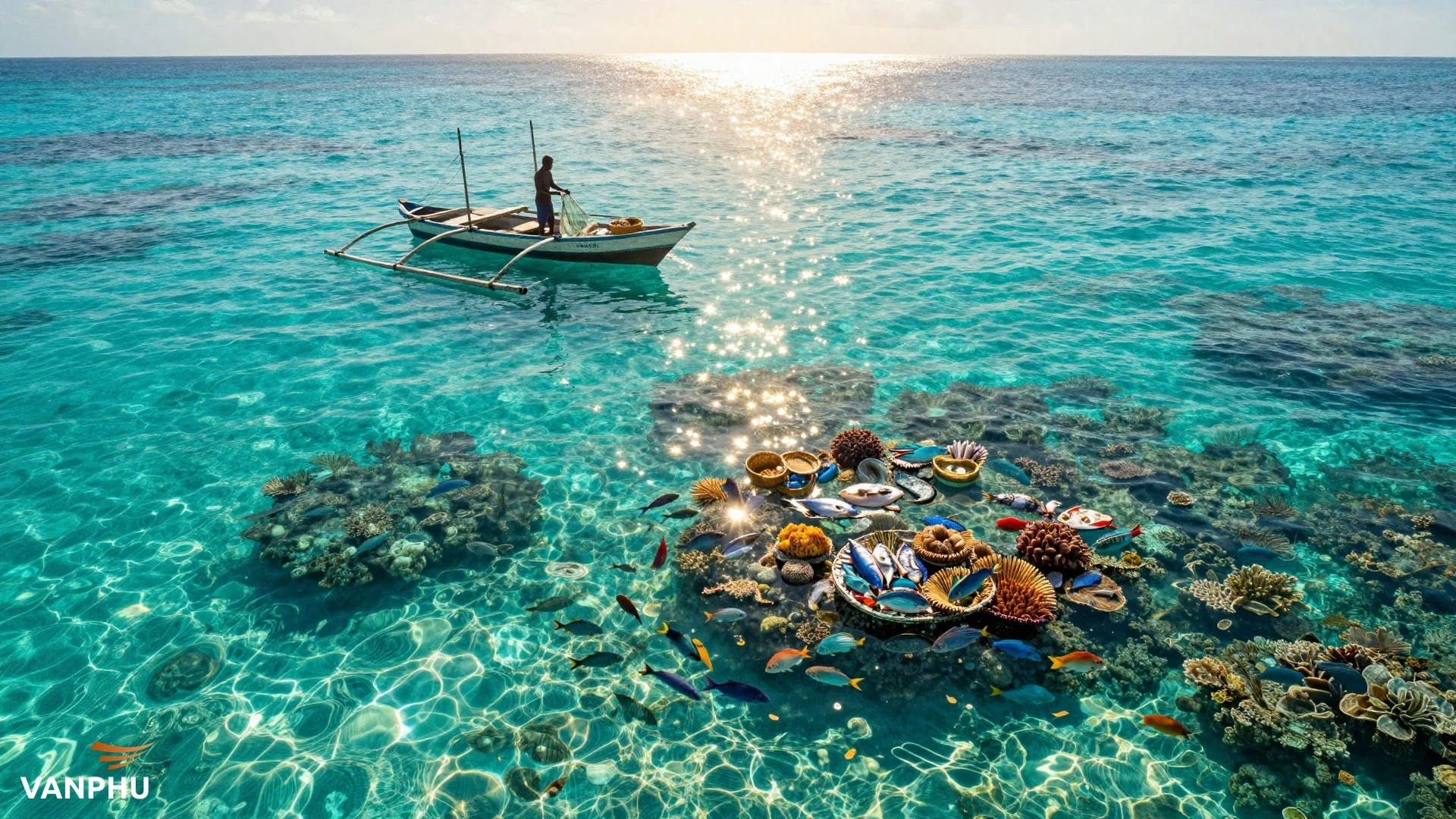
For many, seafood is a delicious and nutritious part of their diet. Yet, the choices we make at the fish counter or in restaurants have far-reaching impacts on our oceans and the communities that depend on them. Sustainable seafood sourcing is not just a trend; it is a critical practice for preserving marine ecosystems, supporting livelihoods, and ensuring a healthy future for our planet [1]. What does it truly mean to choose sustainable seafood? It means selecting fish and shellfish caught or farmed in ways that do not harm the environment, deplete fish populations, or exploit workers.
Conscious consumers are increasingly aware of their food's origins. They want to know that their culinary delights do not come at an ecological cost. Understanding the principles of sustainable seafood empowers individuals to make informed decisions. It helps them contribute positively to ocean health.
What are the environmental impacts of unsustainable fishing?
Unsustainable fishing practices pose significant threats to marine life and ocean ecosystems. Overfishing is a primary concern, as it depletes fish stocks faster than they can reproduce [2]. This can lead to the collapse of entire fisheries. When fish populations dwindle, the delicate balance of marine food webs is disrupted. This affects countless other species.
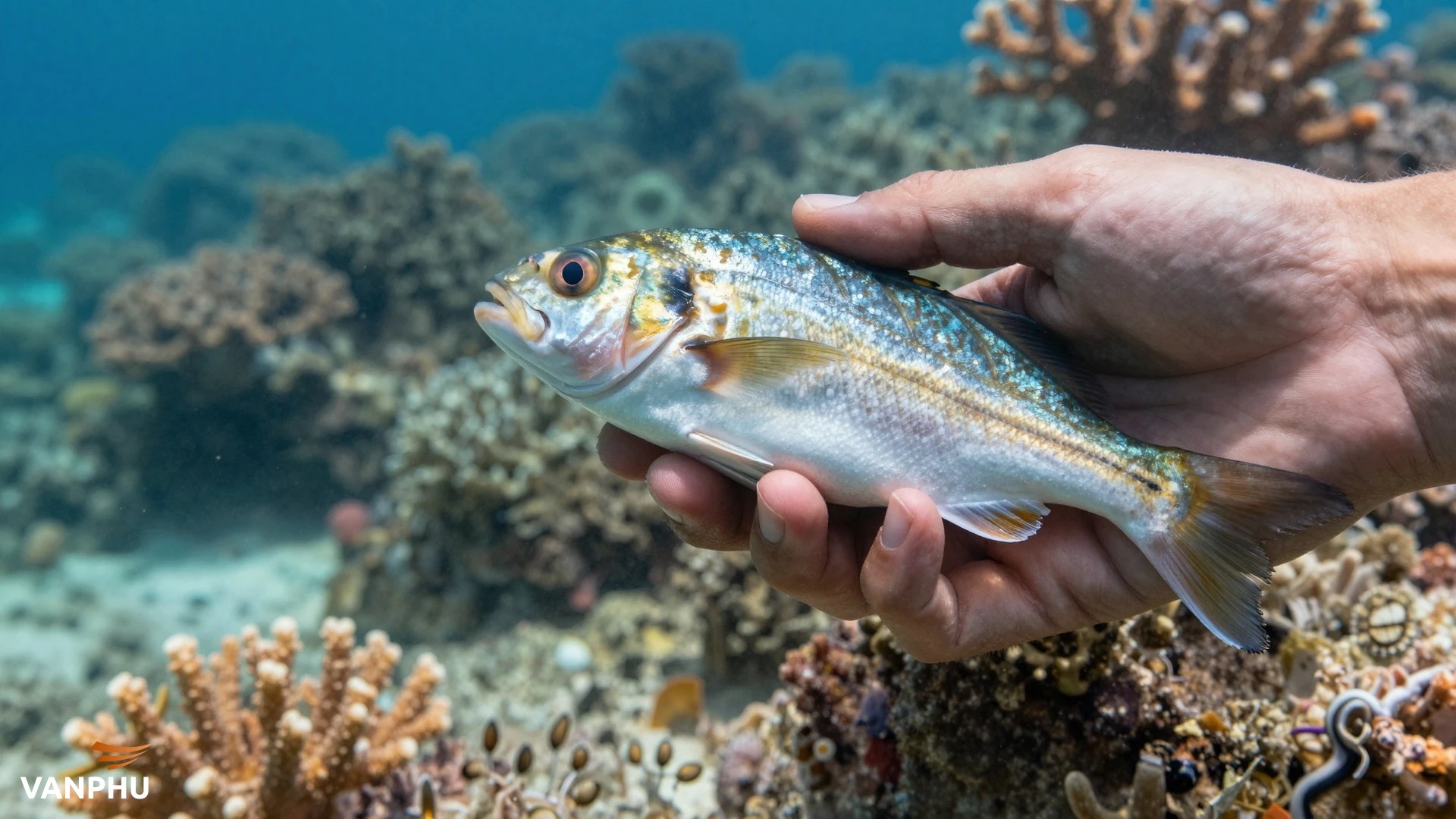
Another major issue is habitat destruction. Bottom trawling, for example, involves dragging heavy nets across the seafloor. This practice can devastate coral reefs, seagrass beds, and other vital marine habitats. These areas serve as nurseries and feeding grounds for many species. Bycatch is also a serious problem. It refers to the accidental capture of non-target species, such as dolphins, sea turtles, and seabirds [3]. These animals are often injured or killed and then discarded. Such practices underscore the urgent need for more responsible fishing methods.
How does sustainable seafood benefit our health and the planet?
Choosing sustainable seafood offers a multitude of benefits for both human health and environmental well-being. Environmentally, it promotes healthier and more resilient marine ecosystems. Sustainable practices ensure that fish populations remain robust. They also minimize damage to crucial habitats. This helps maintain biodiversity and the overall health of our oceans.
For consumers, sustainable seafood often means a safer and higher-quality product. Fish caught or farmed responsibly are less likely to contain high levels of contaminants. They are also often handled with greater care. Furthermore, supporting sustainable fisheries helps local communities thrive. Many coastal communities rely on fishing for their livelihoods. Sustainable practices ensure these resources are available for future generations [4]. This creates a more stable and equitable food system.
What certifications and labels should consumers look for?
Navigating the world of sustainable seafood can feel complex. Fortunately, several reputable certifications and labels exist to guide consumers. These labels indicate that seafood has met specific environmental and social standards. The Marine Stewardship Council (MSC) blue label is one of the most recognized. It certifies wild-caught seafood from fisheries that are well-managed and sustainable. The Aquaculture Stewardship Council (ASC) label, conversely, focuses on responsibly farmed seafood. It ensures farms minimize environmental impacts and uphold social responsibility.
Another valuable resource is the Monterey Bay Aquarium Seafood Watch program. This program provides science-based recommendations for seafood choices. It categorizes seafood as "Best Choices," "Good Alternatives," or "Avoid." Consumers can easily access these recommendations through their website or app. Looking for these certifications empowers you to make responsible choices. It helps you support practices that protect our oceans.
How can technology improve seafood traceability?
Ensuring seafood sustainability requires transparency throughout the supply chain. This is where technology plays a pivotal role. Advanced traceability systems are emerging to track seafood from catch to plate. These systems use technologies like blockchain and sophisticated data platforms. They record every step of the journey. This includes details about the fishing vessel, catch location, processing, and transportation.
Improved traceability helps combat illegal, unreported, and unregulated (IUU) fishing. It also verifies sustainability claims. Consumers can scan QR codes on packaging to access this information. This empowers them to make informed decisions. Such innovations are crucial for building trust in the seafood industry. They also help ensure compliance with environmental standards. EON Tech has been at the forefront of applying AI to solve these real-world challenges, including enhancing supply chain visibility for various food products.
What are common myths about sustainable seafood?
Several misconceptions often deter consumers from choosing sustainable seafood. One common myth is that sustainable options are always more expensive. While some specialized products might carry a premium, many sustainably sourced items are competitively priced. The cost often reflects better management practices, not just a higher price tag. Another belief is that sustainable seafood is hard to find. However, as demand grows, more supermarkets and restaurants are stocking certified sustainable products. Many local fish markets also prioritize responsible sourcing.
Some people also worry about taste differences. In reality, sustainable fishing methods often result in healthier, better-tasting fish. These fish come from thriving ecosystems. The focus on quality and responsible handling means a superior product. Dispelling these myths helps more consumers embrace sustainable choices. It makes a significant positive impact.
How can individuals make a difference in their seafood choices?
Every consumer has the power to influence the seafood market. Making conscious choices starts with asking questions. Do not hesitate to inquire about the origin of your seafood. Ask about the fishing methods used. Engage with your fishmonger or restaurant staff. Their knowledge can be invaluable. Choosing local seafood, when available, also reduces your carbon footprint. It supports regional economies [5].
Furthermore, consider diversifying your seafood consumption. Many popular species are overfished. Exploring lesser-known, sustainably caught fish can broaden your palate. It also reduces pressure on vulnerable stocks. Supporting businesses committed to sustainable sourcing sends a clear message. It tells them that consumers value environmental responsibility. Your individual choices collectively drive positive change.
Why should we prioritize sustainable aquaculture?
Aquaculture, or fish farming, plays a significant role in meeting global seafood demand. When done unsustainably, it can lead to environmental issues. These include habitat destruction, water pollution, and the spread of disease to wild populations. However, sustainable aquaculture offers a viable solution. It can reduce pressure on wild fish stocks. It also provides a consistent and traceable source of protein.
Prioritizing sustainable aquaculture means supporting farms that adhere to strict environmental regulations. These farms minimize waste, use responsible feed, and prevent escapes. They also protect surrounding ecosystems. Certifications like ASC help identify these responsible operations. Embracing sustainable aquaculture is essential for a balanced and resilient seafood supply. It ensures we can enjoy seafood without compromising our oceans. You can learn more about how food choices impact health by exploring topics like why are ancient grain revivals transforming modern nutrition?
What are the economic and social benefits of sustainable fishing?
Sustainable fishing practices extend beyond environmental protection. They also deliver substantial economic and social benefits. By maintaining healthy fish stocks, sustainable fisheries ensure long-term economic viability for fishing communities. This stability allows businesses to plan for the future. It provides consistent employment opportunities. It also fosters economic growth in coastal regions.
Socially, sustainable fishing often involves fair labor practices. It supports the well-being of fishers and their families. Many certification programs include social criteria. These criteria address issues like fair wages, safe working conditions, and community engagement. This holistic approach builds stronger, more resilient communities. It ensures that the benefits of healthy oceans are shared equitably. It also helps prevent exploitation. For further insights into responsible food practices, consider can urban apartment dwellers truly embrace vertical garden cooking?
Sustainable seafood sourcing is a powerful tool for conscious consumers. It allows us to enjoy the bounty of the ocean responsibly. By understanding the impacts of our choices, we can protect marine life. We can also support ethical practices. Every decision to choose sustainable seafood contributes to a healthier planet. It ensures a thriving future for generations to come.
More Information
- Sustainable Seafood: Seafood caught or farmed in ways that maintain healthy populations and ecosystems, minimizing environmental damage and supporting responsible practices.
- Overfishing: The practice of catching fish faster than they can reproduce, leading to a decline in fish populations and potential ecosystem imbalance.
- Bycatch: Non-target fish or marine animals that are unintentionally caught during fishing operations and are often discarded, frequently injured or dead.
- Marine Stewardship Council (MSC): A global non-profit organization that sets a standard for sustainable fishing and offers an eco-label for certified wild-caught seafood.
- Aquaculture Stewardship Council (ASC): An independent non-profit organization that manages standards for responsible aquaculture, certifying farmed seafood that minimizes environmental and social impacts.