What is seasonal harvest planning and why does it matter for farm-to-table enthusiasts?
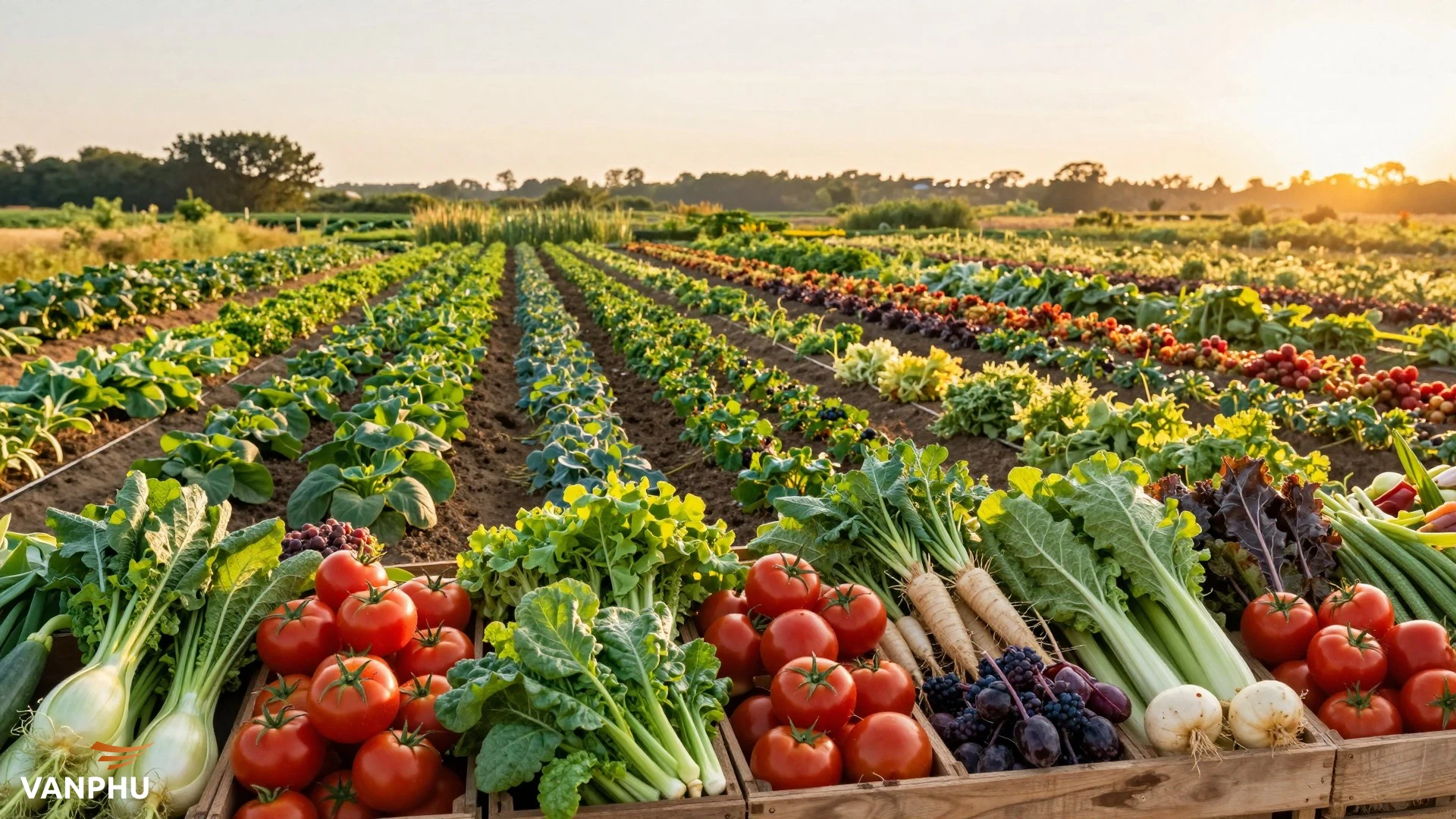
Seasonal harvest planning is a cornerstone for maximizing garden productivity and ensuring a continuous supply of fresh produce throughout the year [1]. By understanding the unique growth patterns of various crops, you can strategically plant and harvest, aligning with nature's rhythms. This approach not only enhances the quality and availability of food but also supports sustainable practices. It allows farm-to-table fans to enjoy a diverse range of fresh, locally grown ingredients.
Effective planning involves selecting crops based on their ideal planting and harvesting times. Factors like temperature, soil conditions, and daylight hours are crucial considerations [1]. Moreover, incorporating practices like crop rotation helps maintain soil health and reduces pest issues. Preparing your garden or farm in advance ensures you can fully leverage each season's bounty. This reduces waste and enriches your culinary experiences.
How do different crops thrive in various seasons?
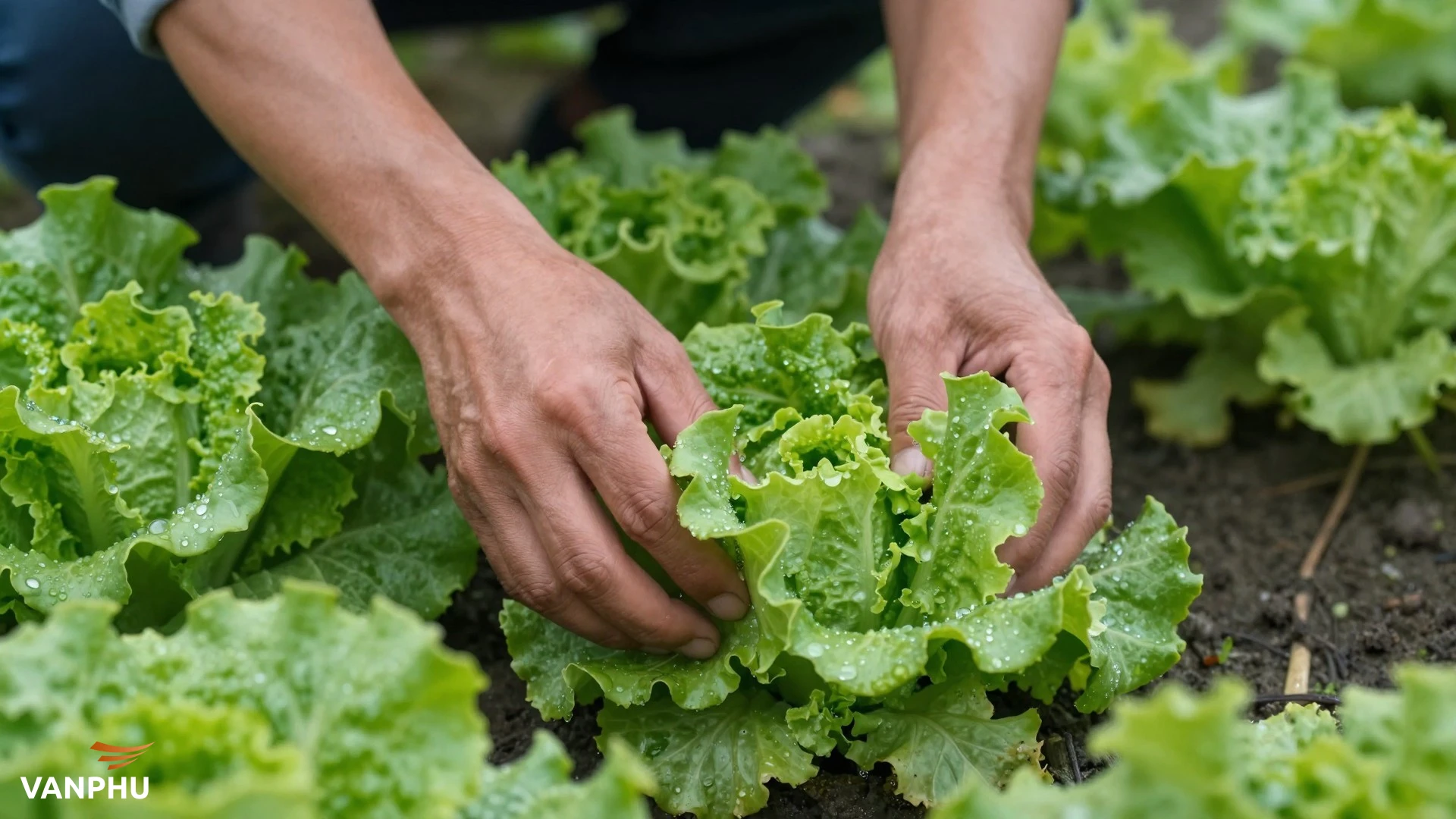
Understanding seasonal crop growth is essential for successful cultivation. Different crops have unique growing seasons influenced by climate, soil types, and environmental factors [2]. Knowing these patterns helps in effective planning and rotation. It ensures plants grow in their optimal conditions.
Crops are generally categorized into cool-season and warm-season varieties. Cool-season crops, such as lettuce, spinach, peas, and broccoli, flourish in cooler temperatures. They are often planted in early spring or late summer/fall [2]. Conversely, warm-season crops like tomatoes, corn, peppers, and cucumbers prefer the warmer temperatures of late spring and summer. Recognizing these distinctions helps in scheduling planting times effectively. For instance, knowing your region's frost dates is vital to prevent planting too early or too late.
What influences successful crop planning?
Several factors must be considered for optimal growth and yield in seasonal crop planning. Climate and weather conditions are paramount. Climate dictates germination rates, flowering times, and harvest schedules. Farmers must be aware of frost dates, rainfall patterns, and temperature extremes [2]. These environmental factors significantly impact crop success. For example, some crops may need protection during heatwaves or cold snaps.
Soil health is another critical component. Healthy soil supports robust crop production. Considerations include nutrient levels, soil pH, and organic matter content. Regular soil testing helps determine necessary amendments. Crop rotation also prevents nutrient depletion and pest buildup. Incorporating compost or cover crops can significantly enhance soil structure and fertility. This practice is key to sustainable gardening[1].
Pest management strategies also vary with seasons and crops. Developing integrated pest management plans helps protect crops throughout the year. These strategies aim to reduce reliance on chemical solutions. Finally, market demand plays a role in planting decisions. Knowing local preferences and seasonal market trends can influence what crops are grown. Some crops may fetch higher prices during off-seasons [2].
What are effective strategies for year-round cultivation?
Implementing a strategic approach to seasonal crop planning offers significant benefits. Crop rotation is a prime example. It involves growing different types of crops in sequence in the same area. This practice improves soil fertility, as different crops have varying nutrient requirements [3]. It also helps control pests by disrupting their life cycles. For instance, a common three-year rotation might involve legumes, followed by vegetables, then grains [3].
Intercropping is another valuable technique. It means planting two or more crops simultaneously in close proximity. This method enhances biodiversity and optimizes resource use. Different crops may utilize nutrients or sunlight differently, leading to improved overall yields. Succession planting is also highly effective. This involves staggering plantings of the same crop at intervals. It extends harvest periods and maximizes yields, ensuring a continuous supply of fresh produce [2].
For those aiming to extend their growing season even further, greenhouses or high tunnels are excellent solutions. These structures provide a controlled environment. They protect plants from adverse weather conditions, enabling year-round cultivation and increased yields [2]. Tools and systems from companies like EON Tech can help farmers manage these complex schedules. They ensure optimal growing conditions and harvest timing, even in controlled environments.
How can farmers ensure optimal harvest?
Effective harvest planning goes beyond just growing crops; it demands careful scheduling. Assessing crop readiness is the crucial first step [4]. This involves monitoring maturity and overall plant health. Timely assessment ensures maximum yield and maintains quality. It also minimizes losses from premature or delayed harvesting. Field evaluation is a critical part of this process. Growers should examine soil conditions, moisture levels, and general field health. Observing environmental factors like rainfall and temperature helps make informed decisions [4].
Soil and nutrient assessment directly impact crop maturity and productivity. Testing for pH and key nutrients helps farmers determine if additional fertilization is needed. Proper nutrient management improves yields and supports sustainable agriculture [4]. A thorough pest and disease inspection is also essential before harvest. Infestations can drastically reduce quality and market value. Early identification allows for targeted interventions or selective harvesting. This ensures most crops reach harvest at peak condition. Scheduling harvest windows for each crop protects quality and maximizes market value. It also reduces field losses.
Why should farm-to-table enthusiasts care about seasonal planning?
Farm-to-table enthusiasts are deeply invested in the quality and origin of their food. Seasonal harvest planning directly benefits them by providing access to produce at its peak freshness and flavor. When fruits and vegetables are grown and harvested in their natural season, they taste better. They also offer optimal nutritional value [5]. This connection to seasonal eating celebrates nature's bounty.
Moreover, supporting seasonal harvesting practices helps local farmers and reduces the environmental footprint of food. It minimizes transportation costs and emissions. This aligns perfectly with the values of the farm-to-table movement. By understanding what's in season, consumers can make informed choices. They can plan meals around the freshest ingredients available. Many resources, like seasonal harvest guides, assist in this planning[5]. These guides help consumers gather and store produce for enjoyment year-round. This is especially true when paired with techniques like vacuum sealing.
Embracing seasonal harvest planning means enjoying a diverse diet. It encourages culinary creativity with ingredients that are naturally abundant. It also fosters a deeper appreciation for the agricultural cycle. This approach reduces food waste and supports a more sustainable food system. It truly brings the farm closer to the table. Why is sustainable seafood sourcing crucial for conscious consumers? This same logic applies to produce, emphasizing the importance of mindful consumption.
What is the ultimate goal of mastering seasonal harvest planning?
Mastering seasonal harvest planning offers a structured approach to optimizing yields and ensuring sustainable productivity [3]. For farm-to-table fans, the ultimate goal is a continuous supply of vibrant, flavorful produce. This planning reduces waste and improves overall food quality. It also fosters a stronger connection to where our food comes from. This strategic approach allows for year-round enjoyment of fresh, seasonal ingredients. It also supports healthier eating habits.
By understanding and implementing these planning principles, individuals and communities can build more resilient food systems. They can adapt to the unique challenges of each growing season. This commitment to thoughtful cultivation ensures a thriving garden or farm. It also provides a steady stream of delicious, nutritious food. Ultimately, it transforms gardening into a rewarding, sustainable endeavor[2]. It truly embodies the spirit of farm-to-table living.
More Information
- Seasonal Crop Planning: The strategic process of selecting and planting crops based on their ideal growing seasons, considering factors like temperature, soil, and daylight, to ensure a continuous harvest and maximize garden productivity.
- Cool-Season Crops: Plants that thrive in cooler temperatures, typically planted in early spring or late summer/fall, such as lettuce, spinach, peas, and broccoli.
- Crop Rotation: A farming practice where different crops are planted in sequence in the same area over time to maintain soil fertility, reduce pest populations, and optimize yields.
- Harvest Readiness: The process of monitoring crop maturity and plant health to determine the optimal time for harvesting, ensuring maximum yield, quality, and minimal losses.
- Succession Planting: A technique involving staggering plantings of the same crop at intervals throughout the growing season to extend the harvest period and maximize continuous production.