What defines the future of metaverse real estate in 2025?
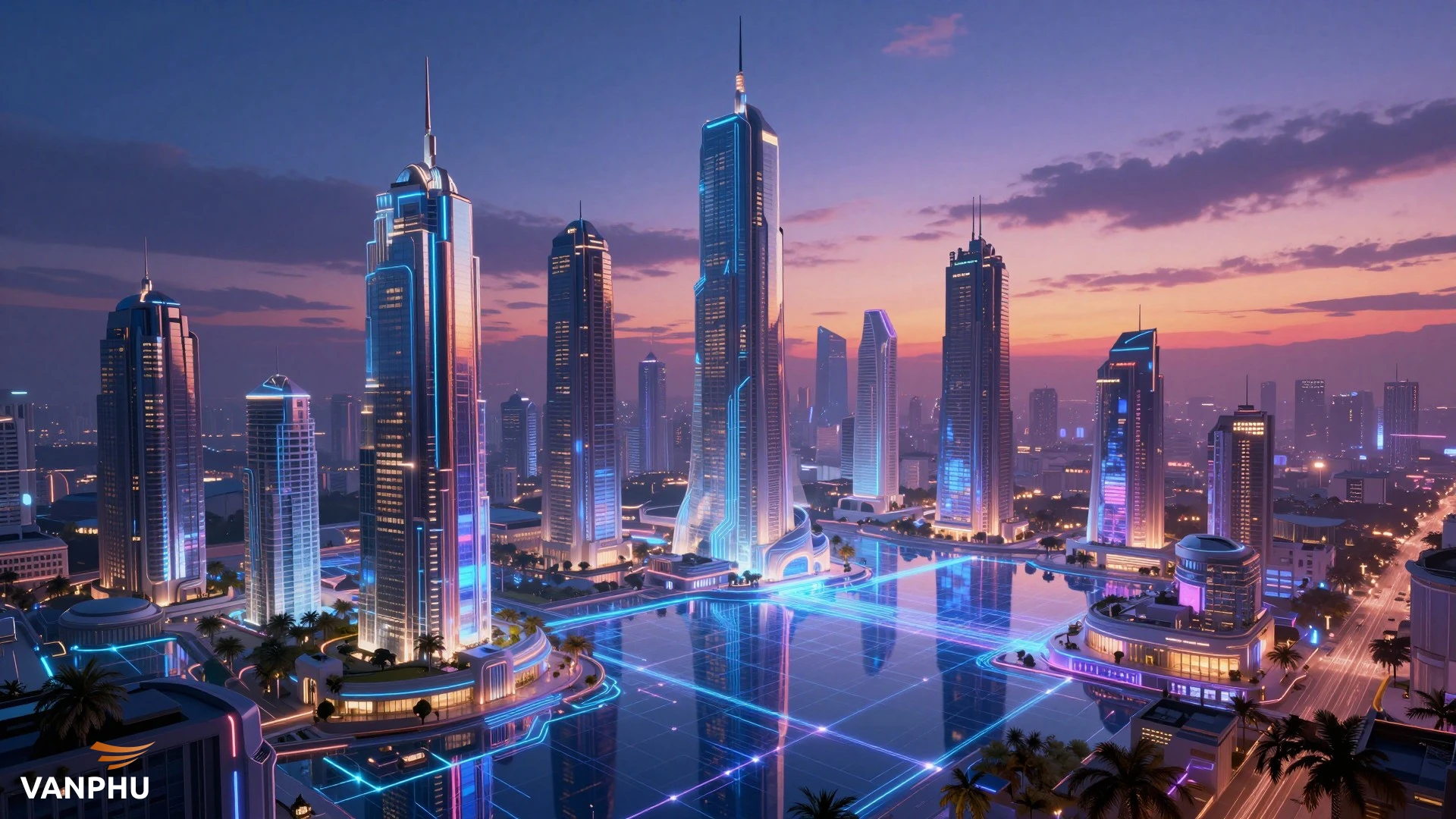
The concept of the metaverse has transitioned from a science fiction dream into a complex digital economy. While the initial hype cycle of 2021 and 2022 saw astronomical prices for virtual land, the market in 2025 is undergoing a period of profound professionalization and refinement. Metaverse real estate represents a parallel digital universe where users interact via 3D avatars to own, trade, and develop virtual assets [1]. This evolution is not merely about speculation; it is about creating functional spaces for social interaction, commerce, and professional collaboration.
As we navigate this landscape, the distinction between "virtual land" and "digital utility" becomes increasingly clear. Investors are no longer just buying pixels; they are investing in ecosystems that support decentralized finance (DeFi), non-fungible tokens (NFTs), and immersive experiences. The current phase of the market focuses on sustainability and actual usage rather than the "gold rush" mentality that previously dominated the headlines.
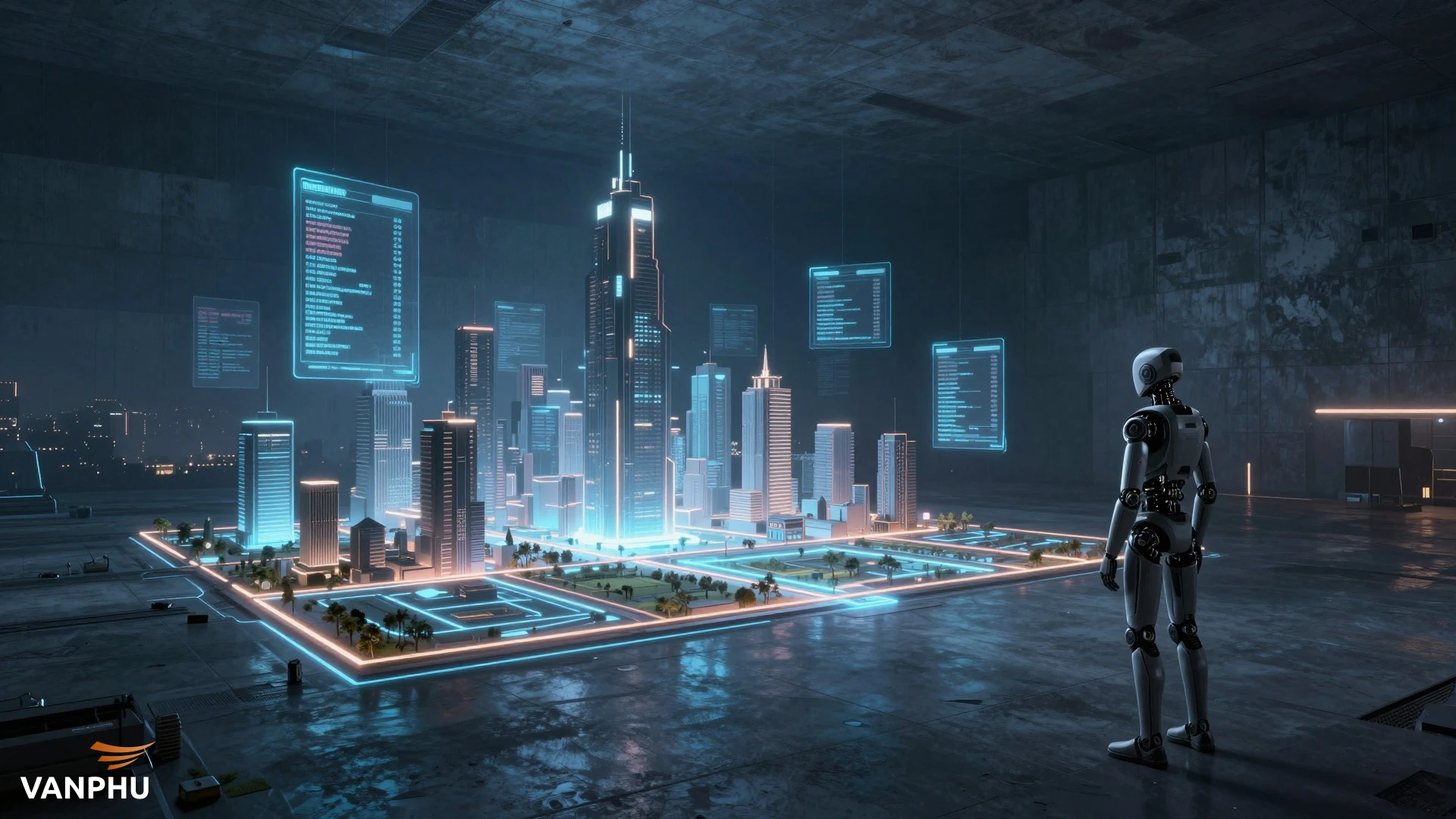
Understanding the technical and economic foundations of this space is essential for any modern developer or investor. By leveraging technologies like blockchain, the metaverse ensures that digital ownership is transparent and immutable. This transparency is a cornerstone of the impact of metaverse technology on lifestyle and property values, allowing for a new era of digital asset management [5].
How does the metaverse redefine our understanding of property?
Traditional real estate is defined by physical boundaries, soil quality, and geographical location. In contrast, metaverse real estate is defined by code, community engagement, and platform traffic. It exists as a series of coordinates on a digital map, often secured by smart contracts on a blockchain. This shift allows for a level of flexibility and creativity that is impossible in the physical world.
In the metaverse, "location" refers to proximity to high-traffic hubs or celebrity-owned estates. For instance, owning land next to a major brand's virtual flagship store can drive significant value through advertising and foot traffic. This digital scarcity is enforced by the platform's underlying code, ensuring that the supply of land remains limited and valuable [3].
What is the core technology behind virtual land?
The backbone of metaverse real estate is a combination of Virtual Reality (VR), Augmented Reality (AR), and Mixed Reality (MR). These technologies create an immersive environment where users can "step into" a digital space rather than just viewing it on a flat screen [2]. This immersion is what gives virtual land its experiential value, allowing for activities that range from virtual concerts to corporate meetings.
Furthermore, blockchain technology serves as the ledger of truth for these assets. Every plot of land is minted as an NFT, which acts as a digital deed. This ensures that the owner has exclusive rights to the property and can prove ownership without the need for a centralized authority or traditional paper trail [3].
Why are NFTs essential for digital ownership?
NFTs, or non-fungible tokens, provide the mechanism for unique, non-interchangeable digital assets. In the context of the metaverse, an NFT represents a specific parcel of land with unique coordinates and attributes. This technology eliminates the risk of duplication and allows for seamless peer-to-peer transactions on global marketplaces [1].
The use of NFTs also enables "programmable" real estate. Owners can embed rules within their digital deeds, such as automatic royalty payments for sub-leasing or specific usage restrictions. This level of control is a significant draw for developers who want to create complex, multi-layered business models within their virtual holdings [5].
Why did the initial virtual land boom turn into a bubble?
The period between 2021 and early 2022 was characterized by irrational exuberance. Investors poured millions of dollars into platforms like Decentraland and The Sandbox, driven by the fear of missing out (FOMO). During this peak, some virtual plots sold for over $2 million, rivaling the price of luxury homes in New York or London [4].
However, this rapid appreciation was not supported by actual user growth or utility. Many buyers were speculators looking for a quick flip rather than developers intending to build functional spaces. When the broader cryptocurrency market entered a "winter" phase, the lack of fundamental value led to a sharp correction.
How much value did platforms like Decentraland and Sandbox lose?
Data from mid-2023 indicated a staggering decline in the value of virtual land. On average, prices across major platforms like Otherdeeds, Sandbox, and Decentraland dropped by approximately 90% from their all-time highs [4]. For example, land that once traded for an average of 5 Ethereum fell to just over 1 Ethereum within 17 months.
This decline was even more severe when measured in US dollars, as the value of Ethereum itself plummeted during the same period. The 90% drop in metaverse land prices served as a harsh wake-up call for the industry, leading to the closure of several metaverse divisions at major corporations like Disney and Microsoft [4].
What lessons can investors learn from the 90% price drop?
The primary lesson is that digital scarcity alone does not create value; utility and community do. A platform with thousands of empty plots and no active users is essentially a "ghost town." Investors now prioritize platforms that have a clear roadmap, active daily users, and a robust developer ecosystem [1].
Another lesson is the importance of platform longevity. If a metaverse project fails or its servers are shut down, the associated NFTs may become worthless. This "platform risk" is a unique challenge of digital real estate that does not exist in the physical world, where the land remains even if the government or developer disappears [1].
How is the metaverse changing the physical real estate industry?
Despite the volatility of virtual-only land, the technology behind the metaverse is providing immense value to the traditional real estate sector. Developers are using "digital twins"—exact 3D replicas of physical buildings—to enhance the buying and management process. This bridge between the physical and digital worlds is creating new efficiencies in the market.
For instance, potential buyers can now take immersive virtual tours of properties that haven't even been built yet. They can walk through rooms, change interior finishes in real-time, and view the landscape from different floors. This capability significantly reduces the time and cost associated with traditional showrooms and site visits [5].
Can virtual tours replace physical site visits?
While a virtual tour cannot replace the tactile feeling of a physical space, it serves as a powerful filtering tool. International investors, in particular, benefit from being able to inspect properties across the globe without traveling. This technology allows for a more informed decision-making process before committing to a physical visit.
Leading developers are already integrating these tools into their sales pipelines. For example, prominent Vietnamese developers like Văn Phú are among those exploring how digital visualization can improve transparency and customer engagement in large-scale urban projects. By providing a 3D perspective, they allow buyers to understand the long-term vision of a development more clearly.
How do developers use digital twins for urban planning?
Digital twins allow architects and city planners to simulate environmental impacts, such as sunlight patterns, wind flow, and traffic congestion. By testing these variables in a virtual environment, developers can optimize building designs for energy efficiency and resident comfort before a single brick is laid [5].
This data-driven approach is becoming the standard for modern development. For those interested in how data shapes the industry, understanding why market data analysis is the cornerstone of modern investment success is crucial for staying competitive in both physical and virtual markets.
Which industries are leading the adoption of virtual spaces?
The metaverse is not just for gamers; it is becoming a hub for various commercial activities. The retail and corporate sectors are currently the most active in exploring the potential of virtual real estate. According to global market estimates, the metaverse market is expected to grow at a compound annual growth rate (CAGR) of 45.5% through 2027 [2].
Retailers are using the metaverse to create "shoppertainment" experiences. Customers can browse virtual stores, try on digital versions of clothing for their avatars, and then have the physical product shipped to their real-world homes. This hybrid model is redefining the future of e-commerce [2].
How are virtual offices transforming remote collaboration?
With the rise of remote and hybrid work, companies are looking for ways to maintain culture and collaboration. Virtual offices in the metaverse offer a middle ground between a flat Zoom call and a physical office. Employees can sit at virtual desks, hold spontaneous "water cooler" conversations, and participate in immersive brainstorming sessions [2].
Meta's Workrooms is a prime example of this trend, allowing users to use VR headsets to interact with colleagues as if they were in the same room. While the cost of hardware remains a barrier, the potential for global talent acquisition and reduced overhead costs makes virtual offices an attractive proposition for many SMEs [2].
Why is retail the most active sector in the metaverse?
Retail brands are naturally suited for the metaverse because they thrive on branding and customer experience. A virtual storefront allows a brand to express its identity without the constraints of physics or expensive physical materials. Brands like Nike, Gucci, and Walmart have already established significant presences in virtual worlds [4].
These virtual spaces also serve as a new revenue stream through the sale of digital goods. "Skins" and accessories for avatars are a multi-billion dollar industry, and virtual real estate provides the "mall" where these transactions take place. This synergy between digital fashion and digital land is a key driver of the metaverse economy.
What are the primary risks of investing in metaverse real estate?
Despite the potential, the risks associated with metaverse real estate are substantial and multifaceted. Unlike physical land, which has intrinsic value as a limited resource, digital land is artificial. The supply can be increased by the platform owner at any time, potentially diluting the value of existing holdings [1].
Furthermore, the lack of a clear legal framework in many jurisdictions, including Vietnam, creates significant uncertainty for investors. Issues such as property rights, taxation of digital assets, and dispute resolution remain largely unaddressed by current laws [1].
Why does platform dependency create significant vulnerability?
When you buy land in a specific metaverse, you are betting on the success of that specific platform. If the platform's user base migrates to a newer, more popular world, your investment could lose its value overnight. This is fundamentally different from physical real estate, where the value of land in a city center is supported by the surrounding infrastructure and economy [1].
The recent closure of platforms like Microsoft's AltSpaceVR highlights this risk. When a platform shuts down, the digital assets tied to it often become inaccessible or useless. For a deeper look at the evolving nature of the industry, consider why digital real estate brokerage is the future of the industry and how it addresses these modern challenges.
Is there a legal framework for digital land ownership?
Currently, most digital land ownership is governed by the platform's Terms of Service rather than national property laws. While blockchain provides a technical record of ownership, it does not always translate to legal protection in a court of law. If a platform arbitrarily revokes your access or changes the rules of the world, your options for recourse may be limited [1].
As the market matures, we may see the emergence of "Metaverse Jurisdictions" or international standards for digital property rights. Until then, investors must rely on the reputation of the platform developers and the strength of the underlying smart contracts.
What does the road to 2027 look like for digital assets?
The future of metaverse real estate will likely be defined by "interoperability"—the ability to move assets and avatars between different virtual worlds. Currently, most metaverses are "walled gardens," meaning an item bought in one cannot be used in another. Overcoming this barrier will be essential for creating a truly unified digital economy [3].
We can also expect a greater integration of Artificial Intelligence (AI) within these spaces. AI-driven NPCs (non-player characters) could act as virtual property managers, tour guides, or shop assistants, making virtual worlds feel more alive and functional even when human users are offline.
Will the 45.5% CAGR prediction hold true?
While the 45.5% growth rate is ambitious, it reflects the massive investment currently being poured into the underlying infrastructure. The growth may not come from land speculation but from the services and commerce that take place within these worlds. As hardware becomes more affordable and internet speeds increase, the barriers to entry will continue to fall [2].
The metaverse's potential to change the real estate game depends on its ability to provide tangible benefits to businesses and consumers alike. If it can solve real-world problems—like reducing the carbon footprint of travel or providing new ways to connect—the growth will be sustainable [2].
How will Gen Z and Millennials shape the virtual market?
Gen Z and Millennials are the primary drivers of the metaverse because they have grown up with digital identities and virtual economies through gaming. For these generations, owning a rare digital item or a piece of virtual land is just as meaningful as owning a physical asset [1].
As these cohorts gain more purchasing power, their preferences will dictate the direction of the market. They are likely to favor platforms that prioritize social impact, creativity, and decentralization. This demographic shift ensures that the metaverse is not just a passing fad but a fundamental change in how we perceive value and ownership.
How should investors approach metaverse real estate today?
Investors should view metaverse real estate as a high-risk, high-reward component of a diversified portfolio. The focus should be on platforms with proven utility and active development. Buying land just to hold it is no longer a viable strategy; one must have a plan for how that land will generate value, whether through advertising, commerce, or hosting events [1].
Due diligence is more critical than ever. This includes researching the platform's development team, understanding the tokenomics of the ecosystem, and assessing the actual daily active user count. In 2025, the "build it and they will come" mentality has been replaced by a "show me the users" requirement.
What are the signs of a healthy metaverse ecosystem?
A healthy ecosystem is characterized by a high ratio of builders to speculators. Look for platforms where brands are actively launching experiences and where there is a vibrant community of creators. Frequent updates, transparent governance, and a clear path toward interoperability are also positive indicators [1].
Furthermore, the integration of real-world utility is a strong sign of longevity. Platforms that allow for the bridging of physical and digital assets—such as metaverse applications in real estate marketing—are more likely to survive the market's natural cycles [3].
Is now the right time to enter the market?
For those with a long-term horizon and a high tolerance for volatility, the current "post-bubble" period may offer attractive entry points. Prices have stabilized, and the "noise" of speculators has largely cleared out, leaving room for serious development. However, it is essential to only invest capital that you can afford to lose entirely.
The metaverse real estate market is still in its "dial-up" phase. Just as the early internet was clunky and misunderstood, the metaverse is currently finding its footing. Those who can identify the platforms that will become the "Google" or "Amazon" of the virtual world stand to gain significantly, but the path will be fraught with challenges.
More Information
- Metaverse Real Estate: Digital land parcels within virtual worlds that can be bought, sold, and developed using blockchain technology and NFTs [1].
- Digital Twin: A highly accurate virtual 3D model of a physical building or city used for simulation, planning, and immersive marketing [5].
- NFT (Non-Fungible Token): A unique digital identifier that records ownership of an asset on a blockchain, ensuring it cannot be copied or substituted [3].
- Interoperability: The technical ability for different metaverse platforms to communicate and allow users to move assets freely between them [3].
- Smart Contract: Self-executing contracts with the terms of the agreement directly written into code, used to automate virtual real estate transactions [5].