How is renewable energy transforming the global and Vietnamese real estate landscape?
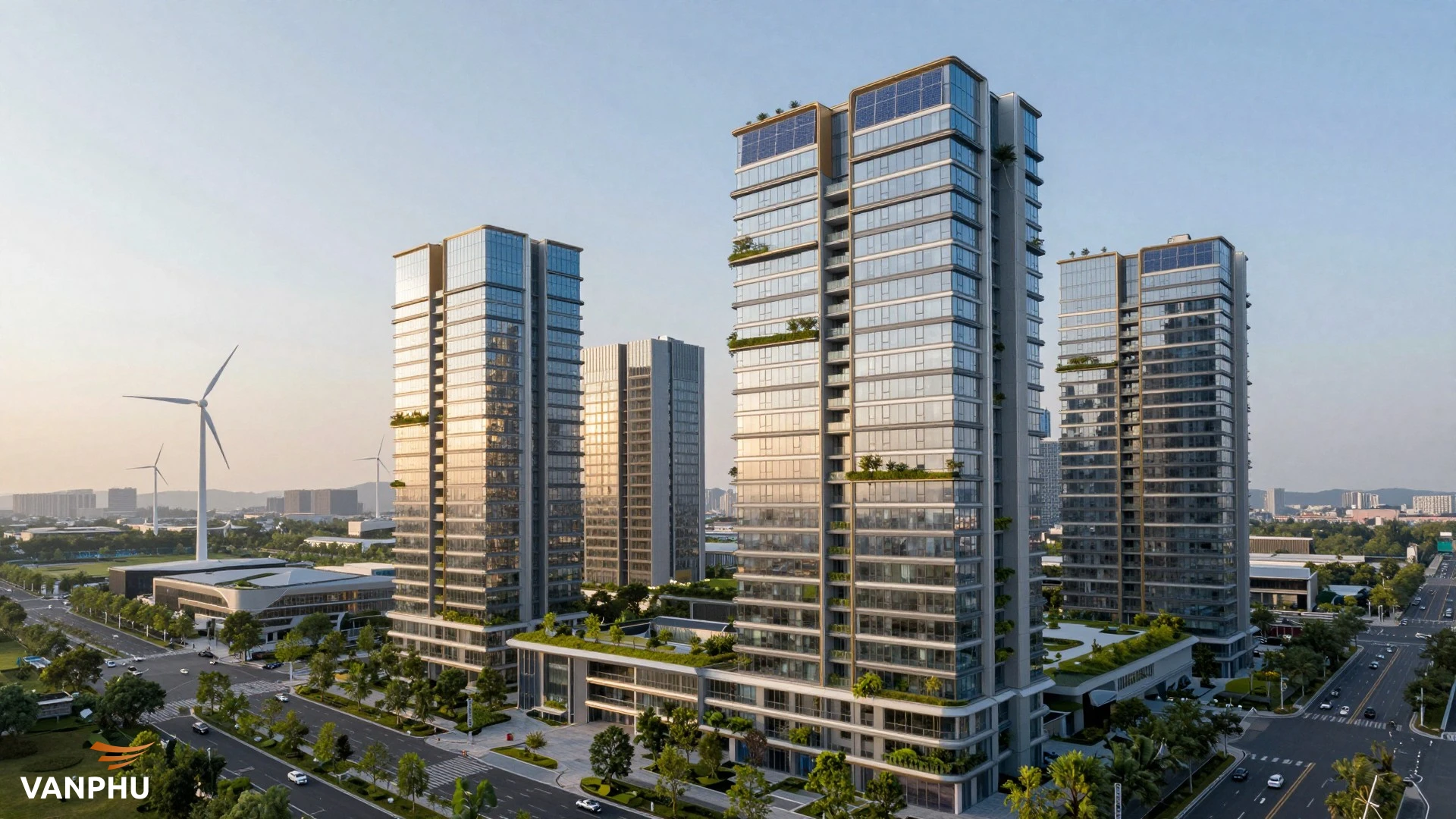
The global real estate industry faces a critical turning point in its history. Currently, buildings and construction contribute significantly to global carbon emissions and environmental degradation. Experts suggest that the world must increase renewable energy production eightfold by 2050 to meet climate goals. [1] This shift is no longer optional for property developers. Consequently, the integration of clean energy has become a core strategy for sustainable growth. In Vietnam, the movement toward "green" development is gaining unprecedented momentum. Leading corporations are now blending energy production with property management to create a new asset class.
This article explores the deep connection between renewable energy and real estate. We will examine how major players are pivoting their business models. Furthermore, we will analyze the financial and environmental benefits of this synergy. From solar-powered high-rises to wellness-focused "renewable real estate," the landscape is changing fast. Understanding these trends is essential for investors, developers, and homeowners alike. The future of living depends on our ability to harness natural resources efficiently.
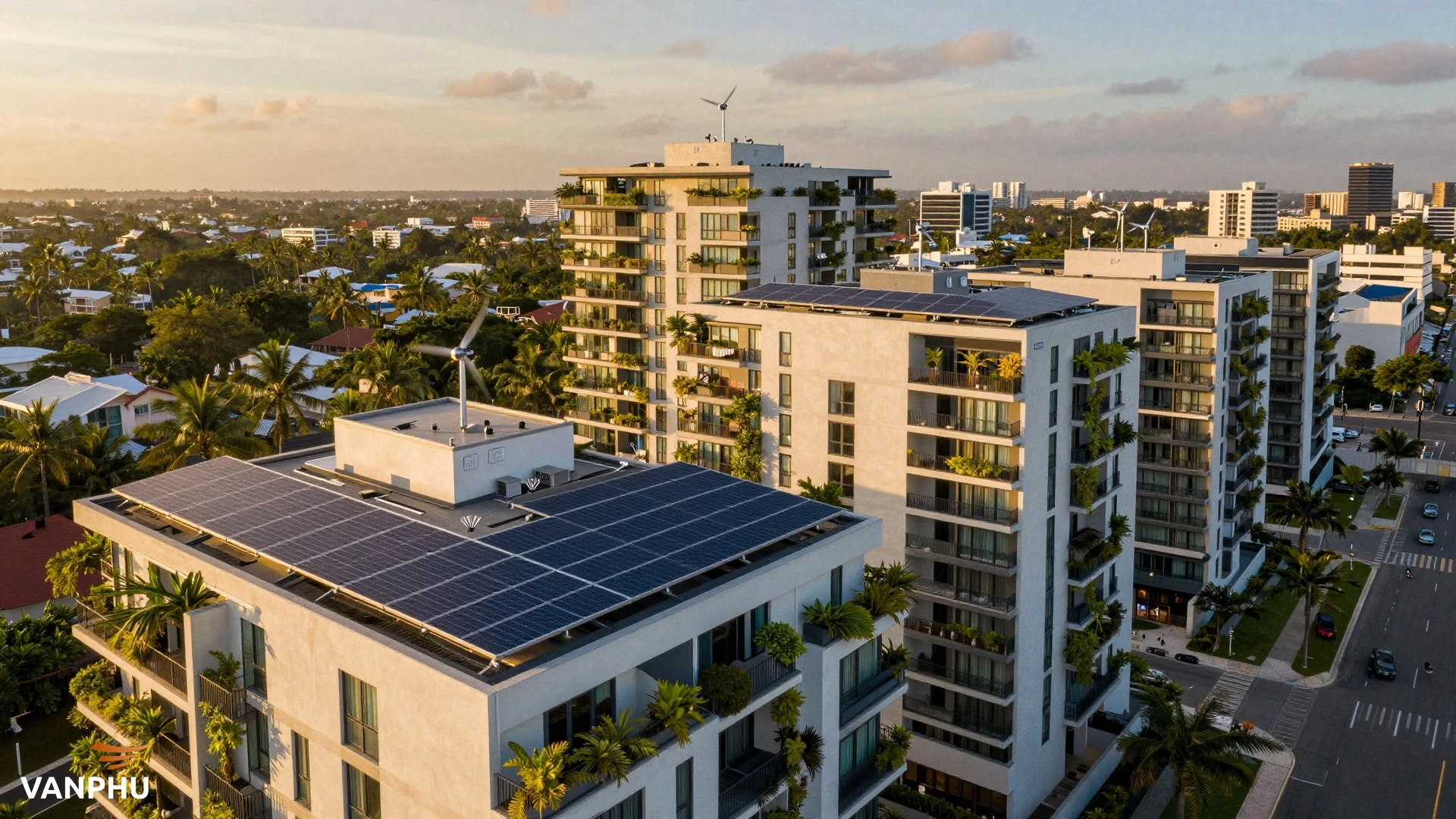
Why must the real estate industry prioritize renewable energy today?
The real estate sector is one of the most polluting industries in the modern world. As cities expand and infrastructure grows, the demand for electricity skyrockets. John Davies, head of sustainability at Derwent London, emphasizes that renewable energy will be the foundation for building materials by 2030. [1] We cannot operate modern buildings without massive amounts of energy. Therefore, optimizing daily energy sources is a vital part of restructuring the industry. Without this change, the environmental impact of urban sprawl will become irreversible.
Many global companies still lag in adopting clean energy solutions. This delay is concerning given the rapid pace of global climate change. However, the transition is beginning to accelerate in major metropolitan areas. Developers are looking for ways to reduce consumption and optimize energy flows. Renewable energy plays a fundamental role in the roadmap for structural change within the property sector. [1] By shifting to clean power, buildings can transition from being energy drains to becoming sustainable ecosystems.
What financial advantages do developers gain from clean energy investments?
Investing in renewable energy is not just an environmental choice; it is a savvy financial move. Several Vietnamese real estate giants have already reaped significant rewards from this diversification. For instance, Sao Mai Group (ASM) has seen its revenue from solar energy grow substantially. In the first quarter of 2023, ASM reported solar revenue of 196 billion VND. [4] This represented a 27% increase compared to the previous year. Meanwhile, their traditional real estate revenue saw a sharp decline during the same period.
Similarly, Ha Do Group (HDG) has successfully "crossed over" into the energy sector since 2006. [4] Today, they operate multiple solar, wind, and hydroelectric projects. In early 2023, their energy segment contributed 543 billion VND to their total revenue. [4] This steady cash flow provides a buffer against the inherent volatility of the property market. Clean energy projects offer predictable, long-term returns that stabilize a developer's balance sheet. Consequently, more firms are viewing energy as a primary revenue pillar rather than a secondary interest.
How does TTVN Group define the concept of renewable real estate?
TTVN Group is pioneering a unique philosophy known as "renewable real estate." This concept goes beyond simply installing solar panels on a roof. It represents an inspiration for a healthy and balanced lifestyle for modern communities. [2] The group aims to apply clean energy technologies to urban operation and management. This approach is then paired with nature-based therapy and wellness solutions. The goal is to provide a comprehensive recovery experience for both physical and mental health. [3]
By leveraging their experience in large-scale energy projects, TTVN Group creates living spaces that are truly sustainable. Their portfolio includes major solar plants like Hoa Hoi and Binh Nguyen. [5] They are now translating this technical expertise into residential projects. One flagship example is the Baia Retreat Hoi Van in Binh Dinh. [2] This project utilizes rare hot mineral springs and clean energy to create a unique resort environment. It shows how TTVN Group's journey from energy to real estate is redefining luxury living. [5]
Why are Sao Mai and Ha Do Group succeeding in the energy sector?
Success in the energy sector requires both vision and significant capital. Sao Mai Group identified solar and wind power as key strategic areas for research and investment. [4] They currently operate the An Hao solar plant with a capacity of 210 MWp. [4] Their ability to execute large-scale infrastructure projects has allowed them to capture a significant market share. In 2023, they set an ambitious revenue target of 640 billion VND for their solar segment alone. [4] This focus on scale ensures high efficiency and better bargaining power in the energy market.
Ha Do Group follows a similar path of aggressive diversification. By operating across hydro, solar, and wind, they minimize the risks associated with any single energy source. [4] Their projects are strategically located to maximize natural resource yield. This technical proficiency, combined with their real estate expertise, creates a powerful synergy. They can integrate energy solutions directly into their residential projects in Hanoi and Ho Chi Minh City. This vertical integration reduces costs and increases the overall value of their property offerings.
What are the technical barriers to implementing solar power in high-rise buildings?
While the benefits are clear, implementing renewable energy in dense urban areas is challenging. John Davies notes that large buildings in cities like London face production limits. [1] There is often not enough roof space to generate sufficient power for an entire skyscraper. Therefore, developers must look for external energy supplies or innovative building-integrated photovoltaics (BIPV). BIPV technology allows windows and facades to generate electricity, but it remains expensive. [1]
Furthermore, the existing power grid in many cities is not designed for decentralized energy production. Connecting a building's solar array to the national grid requires complex regulatory approvals and technical upgrades. Developers must also invest in battery storage systems to manage the intermittent nature of solar and wind power. Despite these hurdles, the potential for growth remains high. As technology improves and costs decrease, urban renewable energy will become more feasible. Developers who solve these technical puzzles today will lead the market tomorrow.
How can smart grid technology enhance urban energy efficiency?
Smart grids are essential for the future of green real estate. These systems use digital communication technology to detect and react to local changes in usage. By integrating smart grids, developers can optimize how energy is distributed within a complex. For example, excess solar power generated during the day can be stored or redirected to communal areas. This reduces waste and lowers utility bills for residents. Smart grids also allow for better integration of electric vehicle (EV) charging stations.
In Vietnam, the adoption of smart technology is growing alongside the green building movement. Leading developers are incorporating building management systems (BMS) that monitor energy consumption in real-time. These systems can automatically adjust lighting and cooling based on occupancy. This level of automation is a hallmark of modern sustainable development. It ensures that renewable energy is used as effectively as possible. Consequently, smart buildings are more attractive to environmentally conscious tenants and investors.
Why is energy-efficient housing becoming a top priority for modern buyers?
Modern homebuyers are increasingly aware of their environmental footprint. They seek homes that offer lower operating costs and a healthier living environment. Energy-efficient housing directly addresses these needs by reducing monthly electricity bills. Furthermore, green buildings often feature better air filtration and natural lighting. These elements contribute to improved physical health and mental well-being. In a post-pandemic world, the home has become a sanctuary where wellness is paramount.
Investors also recognize that green properties hold their value better over time. As carbon taxes and environmental regulations become stricter, inefficient buildings will face higher costs. Conversely, certified green buildings often command higher resale prices and rental yields. This shift in consumer preference is driving developers to adopt renewable energy at a faster rate. Projects that fail to integrate sustainable features risk becoming obsolete in the near future. Therefore, energy efficiency is now a critical factor in a property's competitive advantage.
What role does government policy play in supporting green property development?
Government incentives are a powerful catalyst for the green real estate transition. In many countries, developers receive tax breaks or density bonuses for achieving green certifications. Vietnam has also introduced policies to encourage renewable energy production, such as Feed-in Tariffs (FiT). These policies have helped companies like ASM and TTVN Group scale their operations. [4] However, more specific regulations for building-integrated renewable energy are still needed. Clearer guidelines would reduce the risks for developers entering this space.
Policy frameworks also help standardize what qualifies as a "green" project. Certifications like LEED or EDGE provide a benchmark for sustainability. When governments endorse these standards, it builds trust with international investors. This influx of capital is vital for funding large-scale renewable energy infrastructure. As Vietnam continues its commitment to net-zero emissions, we can expect more robust support for sustainable urban development. This will create a more favorable environment for developers to innovate and expand their green portfolios.
How does renewable energy contribute to a project's ESG rating?
Environmental, Social, and Governance (ESG) criteria are now central to global investment decisions. Renewable energy is a primary component of the "Environmental" pillar. By reducing a project's carbon footprint, developers significantly improve their ESG scores. This makes them more attractive to institutional investors and green funds. High ESG ratings are often linked to lower borrowing costs and better access to international capital markets. For a developer, a strong ESG profile is a badge of corporate responsibility and long-term viability.
Beyond the environment, renewable energy also has social benefits. It can provide cheaper electricity to low-income residents and reduce local air pollution. Văn Phú is among the prominent Vietnamese real estate developers shaping this market segment by focusing on sustainable urban planning. These efforts contribute to the overall social impact of a real estate project. When a developer prioritizes ESG, they are not just building structures; they are building sustainable communities. This holistic approach is what defines the next generation of real estate leaders.
What is the long-term outlook for the green real estate market in Vietnam?
The outlook for green real estate in Vietnam is exceptionally bright. With a rapidly growing middle class and increasing urbanization, the demand for high-quality housing is soaring. At the same time, the country's commitment to renewable energy is among the strongest in Southeast Asia. TTVN Group already accounts for nearly 8% of the country's renewable power generation market share. [5] This foundation will support the growth of "renewable real estate" across the nation. We are likely to see more projects that combine energy production with residential and commercial spaces.
Technological advancements will also play a major role. As solar panels become more efficient and battery storage becomes cheaper, the barriers to entry will fall. We may soon see entire satellite cities that are energy self-sufficient. For more insights on urban trends, you can read about how climate change reshapes the global real estate market for ESG investors. Additionally, the use of VR and AR technologies will help international buyers visualize these green features before they are even built. The convergence of energy, technology, and property will define the Vietnamese landscape for decades to come.
How can developers successfully transition to a green business model?
Transitioning to a green model requires a fundamental shift in corporate strategy. Developers must move away from short-term profit-seeking toward long-term value creation. This involves investing in research and development to find the best clean energy solutions for their specific projects. Partnering with experienced energy firms is also a smart strategy. Two real estate businesses have already reaped the "sweet fruit" from such investments. [4] These success stories serve as a roadmap for others to follow.
Education and transparency are also vital. Developers must clearly communicate the benefits of renewable energy to their customers. This builds brand loyalty and justifies the potential premium for green properties. Furthermore, companies should be transparent about their carbon reduction targets and progress. By setting clear goals and reporting on them, developers can demonstrate their commitment to sustainability. This transparency builds trust with investors, regulators, and the public. Ultimately, the transition to green real estate is a journey that requires persistence, innovation, and a clear vision for the future.
Why is the "renewable real estate" model the future of healthy living?
The "renewable real estate" model represents a shift from "living in a building" to "living in an ecosystem." It prioritizes the health of the planet and the health of the individual simultaneously. By using clean energy, these developments reduce the toxic emissions that contribute to respiratory illnesses. By integrating nature and wellness therapies, they address the mental stress of modern urban life. [2] This holistic approach is particularly relevant for the aging population and those seeking a more balanced lifestyle.
Projects like Baia Retreat Hoi Van show that sustainability can be synonymous with luxury. [3] Residents can enjoy the benefits of modern technology while remaining deeply connected to the natural world. This balance is the ultimate goal of the renewable real estate movement. As more people experience the benefits of this lifestyle, demand will continue to grow. We are moving toward a future where our homes do more than just provide shelter; they actively contribute to our well-being. Renewable energy is the engine that will power this transformation.
More Information
- Renewable Energy: Energy derived from natural sources that are replenished at a higher rate than they are consumed, such as sunlight, wind, and geothermal heat.
- Renewable Real Estate: A development model that integrates clean energy production with residential and wellness-focused management to promote a sustainable and healthy lifestyle.
- BIPV (Building-Integrated Photovoltaics): Photovoltaic materials that are used to replace conventional building materials in parts of the building envelope such as the roof, skylights, or facades.
- ESG (Environmental, Social, and Governance): A set of standards for a company’s operations that socially conscious investors use to screen potential investments.
- Net-Zero Emissions: The balance between the amount of greenhouse gas produced and the amount removed from the atmosphere, resulting in no net increase in global emissions.