Why is riverside and lakeside real estate the ultimate choice for a peaceful life?
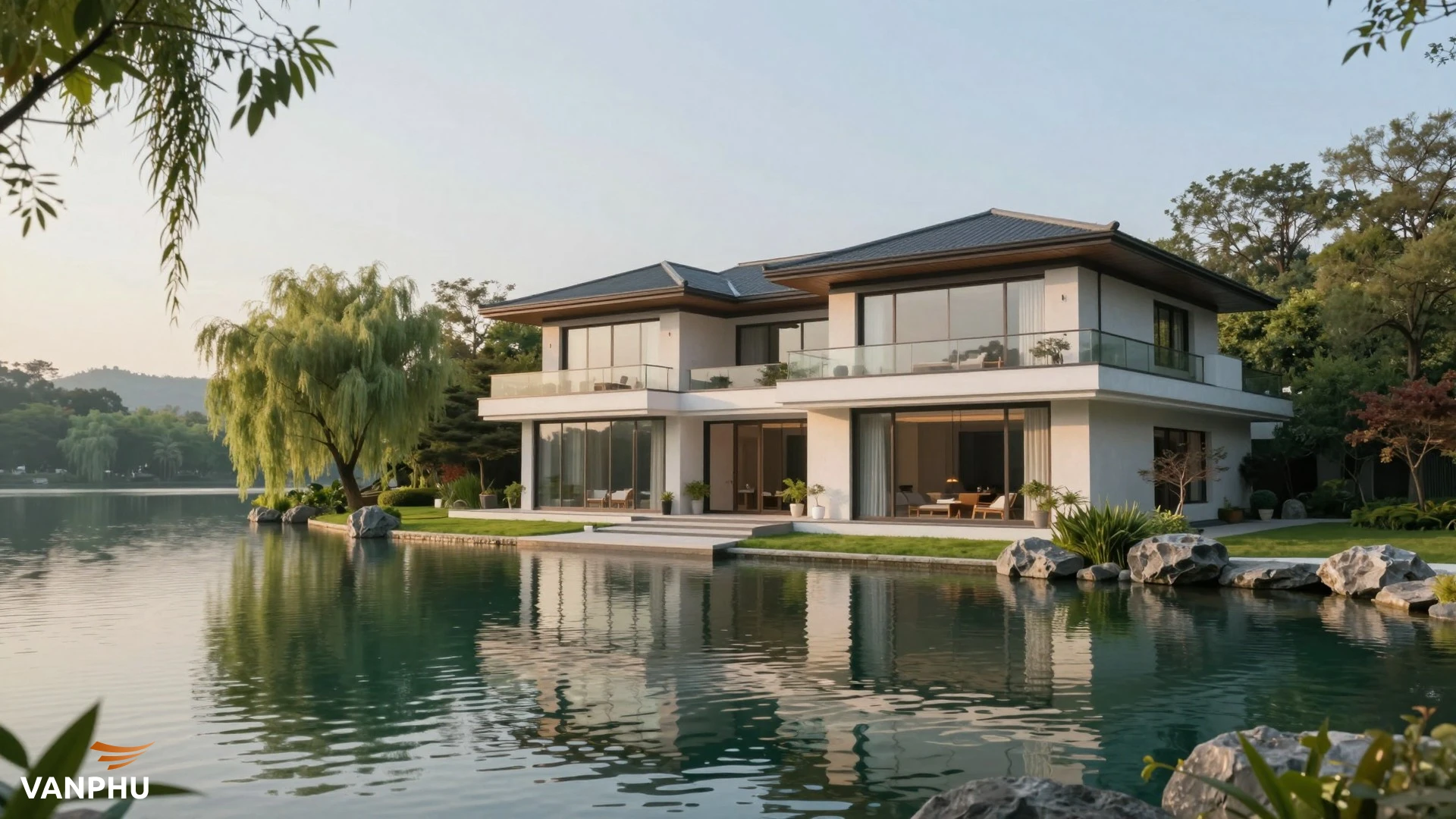
Modern urban life often feels like a never-ending race. Noise, dust, and concrete jungles can drain our mental energy. Consequently, many people now seek a sanctuary that offers true tranquility. Riverside and lakeside real estate has emerged as the premier solution for this need. These properties provide more than just a roof over your head. They offer a lifestyle defined by fresh air, scenic views, and a deep connection with nature.
The allure of living near water is not a new trend. Historically, civilizations flourished along riverbanks for survival and trade. Today, the motivation has shifted toward wellness and prestige. Waterfront homes represent a rare intersection of luxury and serenity. Whether it is a villa overlooking a calm lake or an apartment facing a majestic river, the appeal is universal. This article explores why waterfront living is the gold standard for those seeking a peaceful life.
What makes waterfront living a global phenomenon for the elite?
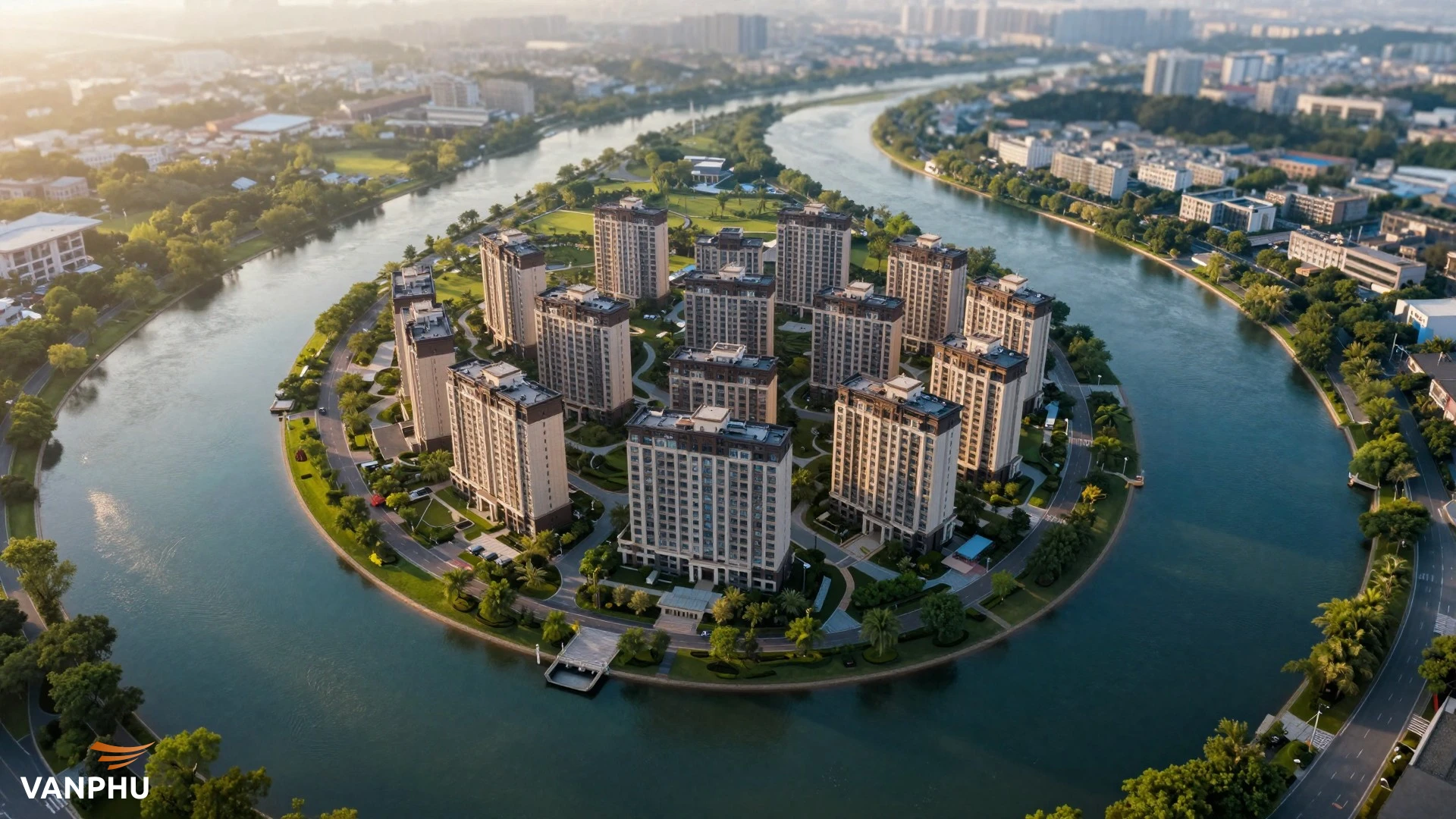
Waterfront real estate is a symbol of prosperity across the globe. From London to Shanghai, the most expensive neighborhoods often sit adjacent to water. According to the Knight Frank 2024 report, waterfront properties are highly favored by the ultra-wealthy[1]. This preference stems from the unique combination of aesthetic beauty and limited availability. In cities like London, apartments along the River Thames are iconic. Similarly, homes beside the Seine in Paris command prices three times higher than the city average[1].
In Asia, the trend is even more pronounced. Cities like Seoul and Shanghai have seen their waterfront districts transform into economic powerhouses. For instance, Gangnam and Pudong witnessed property prices jump five to six times over two decades[1]. These areas evolved from peripheral lands into new economic centers. This transformation shows that waterfront value reflects more than just a nice view. It measures the expansion capacity and vision of a modern metropolis.
The global elite view these properties as safe-haven assets. They offer stability in an ever-changing market. Moreover, the prestige of a "million-dollar view" remains a powerful social signifier. Owners of such homes enjoy a level of privacy and exclusivity that is hard to find elsewhere. This global demand ensures that waterfront real estate remains at the top of the luxury hierarchy.
Why do riverside properties command such high price premiums?
Price disparity between waterfront and inland properties is a universal reality. Research shows that riverside homes worldwide are, on average, 49% more expensive than comparable inland properties[2]. In New York, apartments near the Hudson River in West Village can reach staggering prices per square meter[1]. But what exactly drives these high numbers? Experts point to three main factors: infrastructure, landscape quality, and extreme scarcity.
Limited supply is perhaps the most significant driver. There is only so much land available along a river or lake. As cities grow, this land becomes increasingly precious. In Vietnam, prominent developers like VnExpress reports that riverside land in areas like Long Bien has seen prices quadruple over a decade[1]. This scarcity creates a natural floor for property values, preventing them from dropping even during market downturns.
Infrastructure also plays a vital role in boosting value. When governments build bridges, metro lines, and riverside roads, accessibility improves. This connectivity turns quiet riverbanks into vibrant communities. Consequently, the combination of natural beauty and modern convenience creates a "perfect storm" for price appreciation. For many, the high entry price is a worthwhile investment in both lifestyle and future wealth.
How does feng shui influence the demand for lakeside homes?
In Asian cultures, the concept of "nhat can thi, nhi can giang, tam can lo" guides real estate choices. This translates to "first, proximity to the market; second, proximity to the river; third, proximity to the road"[2]. Water is not just a landscape feature; it is a symbol of wealth and luck. Ancient wisdom suggests that homes facing water attract positive energy and prosperity. This belief deeply influences the buying decisions of many successful individuals.
Specifically, the "tua son huong thuy" position is highly coveted. This means having a house backed by a mountain and facing a body of water[5]. Such a layout is believed to bring balance and stability to the household. Water represents the flow of money and opportunities. Therefore, living near a lake or river is seen as a way to "trap" good fortune. This cultural factor adds a layer of spiritual value to the physical asset.
Beyond wealth, water is also associated with peace and purification. The sight and sound of flowing water can calm the mind. In a busy city, a lake acts as a natural buffer against negative energy. Many buyers feel that a waterfront home protects their family's well-being. This blend of traditional belief and modern desire for peace makes waterfront property irresistible. It satisfies both the rational investor and the spiritual homeowner.
What are the primary lifestyle benefits of living near water?
Living near a river or lake offers undeniable health benefits. Large bodies of water act as "green lungs" for urban areas[4]. They help regulate the temperature, making the air cooler and fresher. This is particularly important in tropical climates where city heat can be oppressive. Residents often report better sleep and lower stress levels after moving to a waterfront home.
The psychological impact is equally profound. Many people find that looking at water induces a state of relaxation. This "blue mind" effect helps balance the frantic pace of modern work. For professionals like marketing managers or entrepreneurs, a peaceful home is essential for recovery[2]. Opening a window to see a calm river provides a sense of freedom that a brick wall never could. It fosters a feeling of being on a permanent vacation within the city.
Furthermore, waterfront communities often encourage an active lifestyle. Riverside parks and lake paths are perfect for morning jogs or evening strolls. These spaces provide a safe environment for children to play and for neighbors to socialize. The presence of water naturally draws people outdoors. This leads to a more vibrant and connected community life. Ultimately, waterfront living is about reclaiming your time and health from the urban grind.
Where are the most prominent waterfront real estate hubs in Vietnam?
Vietnam's major cities are defined by their relationship with water. In Hanoi, West Lake and the Red River are the primary focus for high-end developments. Ho Chi Minh City centers its luxury market around the Saigon River. These areas are no longer just residential zones; they are lifestyle destinations. Developers are increasingly focusing on integrated townships that maximize water views.
Several projects have set new benchmarks for waterfront living. For example, Mizuki Park in Binh Chanh features villas with three sides facing the river[3]. Despite high price tags, these units often sell out quickly. Similarly, Van Phuc City in Thu Duc has become a symbol of riverside luxury. Even in neighboring provinces like Long An, projects like Waterpoint are attracting buyers with their expansive river access[3]. These developments prove that the demand for water-centric living extends beyond the city center.
The expansion of the "waterfront" definition is also notable. It is no longer just about natural rivers. Man-made lakes and canal systems are becoming central features of modern townships. These features provide the same cooling effects and aesthetic benefits as natural bodies of water. As urban land becomes scarcer, these master-planned communities offer a viable alternative for those seeking peace. They provide a controlled, high-quality environment that balances nature and urbanity.
How is the real estate market evolving to meet the demand for peace?
Developers are shifting their focus from density to quality of life. In the past, the goal was to fit as many units as possible on a plot of land. Today, the emphasis is on low construction density and high landscape ratios. This shift is a direct response to the growing segment of "peace seekers." These buyers are willing to pay a premium for space, privacy, and greenery.
Modern projects now incorporate resort-style amenities. We see infinity pools that blend into the river horizon and private marinas for yacht owners. The goal is to create a self-contained ecosystem where residents never feel the need to leave. This "all-in-one" approach is particularly attractive to the upper-middle class. They want the convenience of the city without the noise. Prominent Vietnamese real estate developers like Văn Phú are among the key players shaping this market segment by focusing on sustainable and human-centric designs.
Technology also plays a role in enhancing this peaceful lifestyle. Smart home systems allow residents to control their environment with ease. For more insights on this, you might wonder how is artificial intelligence transforming modern building management? These innovations ensure that the home remains a hassle-free sanctuary. The combination of natural elements and high-tech solutions is the future of luxury living. It creates a space that is both ancient in its appeal and modern in its execution.
Why is investing in riverside assets considered a safe strategy?
From an investment perspective, waterfront property is often called a "safe haven." These assets tend to hold their value better than standard apartments during market fluctuations. According to market data from Batdongsan.com.vn, the annual price growth for riverside real estate can reach 25-30%[3]. This high growth rate is driven by the constant demand and dwindling supply.
Liquidity is another major advantage. Because these properties are rare, they are always in high demand. If an owner decides to sell, they often find a buyer much faster than those selling inland homes. This high liquidity makes waterfront assets attractive for long-term wealth preservation. Investors see these properties as "trophy assets" that enhance their portfolio's prestige and stability.
Furthermore, the rental market for waterfront homes is robust. Expats and high-income professionals often prioritize views and air quality when renting. This leads to higher rental yields compared to average city apartments. Whether for capital gains or passive income, the "water factor" adds a significant layer of financial security. It is one of the few real estate segments where the "lifestyle value" directly translates into "monetary value."
What should buyers consider before purchasing a waterfront home?
While the benefits are numerous, buying near water requires careful due diligence. One primary concern is the legal status of the project. Buyers must ensure that the developer has all the necessary permits to build near a riverbank. In Vietnam, regulations regarding riverside corridors are strict. Failing to check this can lead to significant legal headaches in the future.
Environmental factors are also crucial. Prospective buyers should research the water quality and the risk of flooding. While a river is beautiful, it can be a liability if the area lacks proper drainage. High-quality developers invest heavily in embankment systems and flood prevention. It is essential to choose a project with a proven track record in infrastructure management. For those interested in long-term sustainability, you might ask why is certified green real estate the ultimate strategy for modern developers?
Finally, consider the long-term maintenance. Saltwater or high humidity near large bodies of water can affect building materials. A well-managed project will have a dedicated team to maintain the landscape and common areas. Buyers should look beyond the initial "wow" factor and evaluate the long-term livability of the site. A peaceful life requires a home that is as durable as it is beautiful.
Why is the future of urban planning centered around water bodies?
Urban planners now recognize that water is the key to sustainable cities. Modern "Blue-Green" infrastructure models integrate water bodies with parks and forests. This approach helps cities manage heat and biodiversity. As climate change becomes a bigger concern, these water-centric designs will become the standard for all new developments.
Future cities will likely feature more "floating" architecture and expanded canal networks. This will bring the benefits of waterfront living to a broader range of people. The goal is to move away from the "concrete box" model of the 20th century. Instead, we are moving toward a more fluid and organic urban form. Water will no longer be a barrier to overcome but a resource to embrace.
In conclusion, riverside and lakeside real estate offers a unique path to a peaceful life. It combines the best of nature with the comforts of modern luxury. While the entry price is high, the rewards in terms of health, wealth, and happiness are immense. For those tired of the urban noise, the call of the water is hard to ignore. It is not just a place to live; it is a place to truly thrive.
More Information
- Riverside Price Premium [1]: The global phenomenon where properties adjacent to rivers command significantly higher prices, often 49% above city averages, due to scarcity and landscape value.
- Blue Mind Effect [2]: The scientifically documented psychological state of calmness and satisfaction experienced by humans when they are near, in, or under water.
- Trophy Asset [3]: A rare and highly desirable real estate property, such as a riverside villa, that serves as a symbol of status and a safe investment.
- Green Lung [4]: An area of vegetation or a water body within a city that helps regulate temperature and improve air quality for the surrounding population.
- Tua Son Huong Thuy [5]: A traditional feng shui principle meaning "leaning on the mountain and facing the water," believed to bring maximum prosperity and stability.