Can headphones cause hearing loss? Protecting your ears in a noisy world
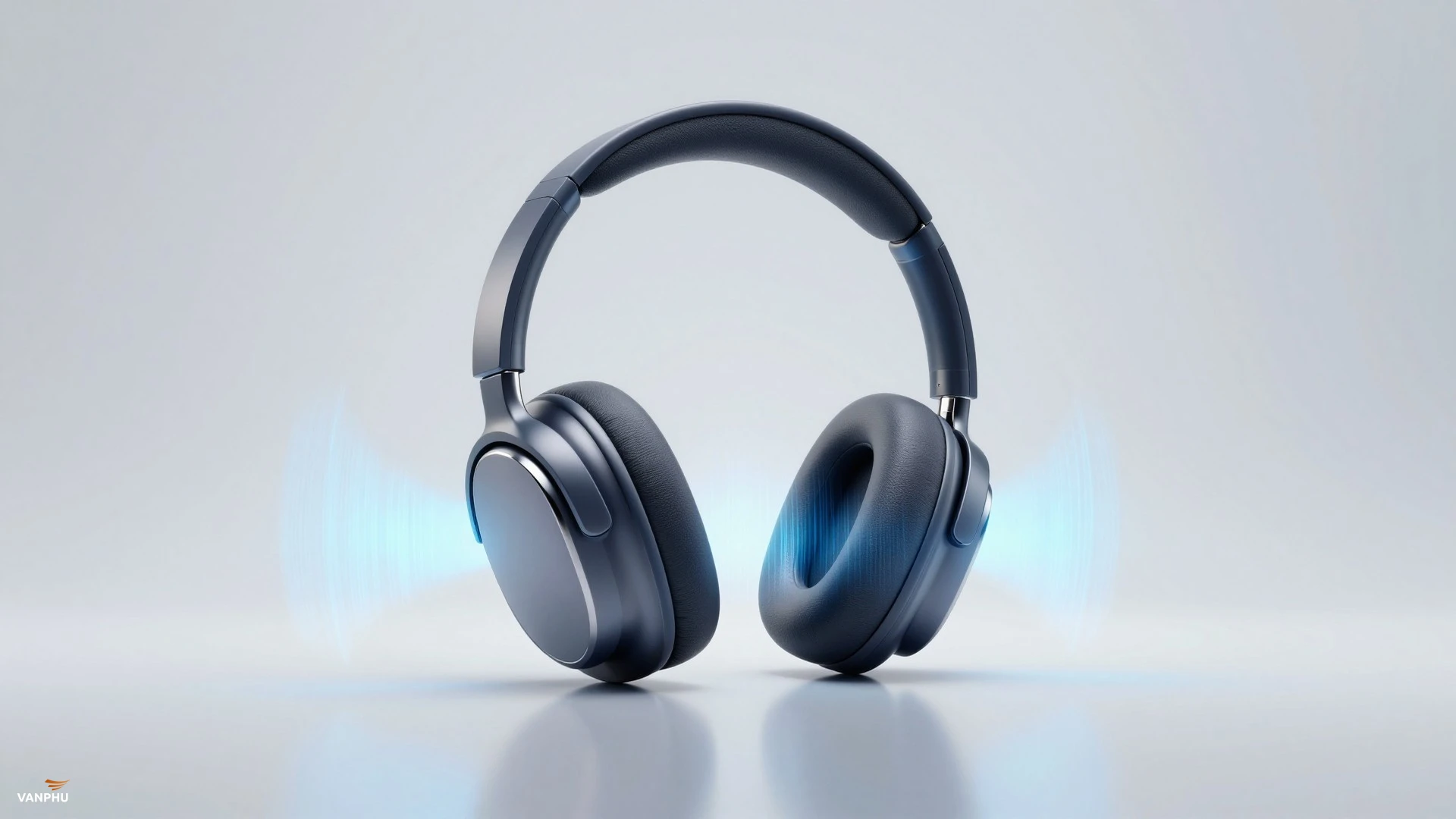
Headphones have become an indispensable part of modern life. We use them for music, podcasts, calls, and even to find peace in bustling environments. However, their widespread use raises an important question: can headphones actually cause hearing loss? The answer, according to medical experts, is a resounding yes, if not used responsibly [1].
Understanding the risks associated with headphone use is crucial for maintaining long-term auditory health. This article explores how headphones can damage hearing, identifies common warning signs, and provides practical strategies for safe listening. Our goal is to empower you with the knowledge to enjoy your audio without compromising your hearing.
How sound damages your hearing
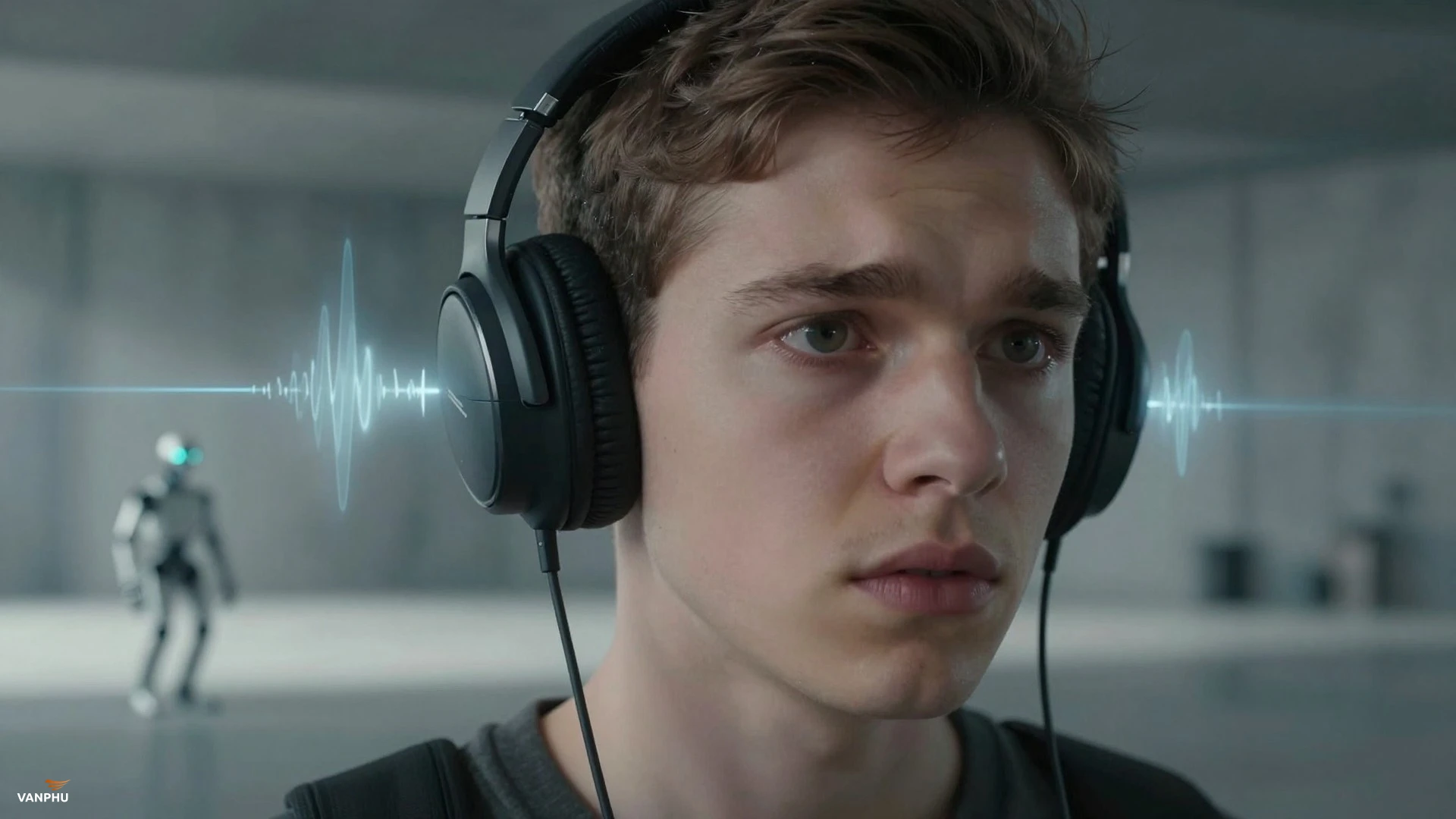
Our ears are incredibly complex organs, designed to capture and interpret sound waves. Inside the inner ear, tiny hair cells (stereocilia) convert sound vibrations into electrical signals. These signals then travel to the brain, where they are perceived as sound [2].
When exposed to loud noises, these delicate hair cells can become damaged or even destroyed. Unlike other cells in our body, these auditory hair cells do not regenerate. Once they are gone, the hearing loss is permanent. This condition is known as noise-induced hearing loss (NIHL) [3].
The link between headphones and hearing loss
Headphones deliver sound directly into your ear canal. This proximity means that even moderate volumes can feel louder and potentially be more damaging than ambient noise at the same decibel level. The primary factors contributing to headphone-induced hearing loss are volume and duration of listening [4].
Most experts agree that prolonged exposure to sounds above 85 decibels (dB) can cause permanent hearing damage. For context, a normal conversation is around 60 dB, while a busy street can reach 80-85 dB. Many personal listening devices can easily exceed 100 dB at maximum volume [1].
Understanding safe listening levels and durations
The “60/60 rule” is a widely recommended guideline for safe headphone use. This rule suggests listening at no more than 60% of your device’s maximum volume for no longer than 60 minutes at a time. After 60 minutes, take a break to give your ears a rest [5].
However, this rule is a general guideline. The actual safe duration depends on the specific volume level. For example, at 85 dB, you should limit listening to about 8 hours per day. At 100 dB, damage can occur in just 15 minutes. It’s important to be mindful of these thresholds.
Types of headphones and their impact
Not all headphones are created equal when it comes to hearing safety. Different designs can affect how sound reaches your ears and how much external noise they block.
- Earbuds: These sit directly in the ear canal. They can deliver sound very efficiently but also often require higher volumes to overcome ambient noise.
- On-ear headphones: These rest on the outer ear. They offer some isolation but may still require increased volume in noisy environments.
- Over-ear headphones: These fully enclose the ear. They generally provide better passive noise isolation, which can help reduce the need for high volumes.
- Noise-cancelling headphones: These actively reduce ambient noise. This feature is excellent for protecting hearing, as it allows you to listen at lower, safer volumes without external distractions.
Recognizing the warning signs of hearing damage
Hearing loss often develops gradually, making it difficult to notice initially. Being aware of the warning signs can help you seek intervention early. Early detection is key to managing and preventing further damage.
Common indicators of potential hearing damage include:
- Tinnitus: A persistent ringing, buzzing, or roaring sound in your ears. This is often one of the first signs of noise exposure.
- Difficulty understanding speech: Especially in noisy environments or when multiple people are talking. You might find yourself asking others to repeat themselves frequently.
- Muffled hearing: Sounds may seem dull or unclear, as if your ears are plugged.
- Needing to turn up the volume: Consistently setting your TV, radio, or headphone volume higher than others prefer.
- Hyperacusis: Increased sensitivity to certain everyday sounds that feel uncomfortably loud.
If you experience any of these symptoms, it is advisable to consult an audiologist. They can perform a comprehensive hearing test and provide guidance.
Practical tips for protecting your hearing
Fortunately, preventing headphone-induced hearing loss is largely within your control. By adopting a few simple habits, you can continue to enjoy your audio content safely.
Adjust your listening habits
The most effective way to protect your hearing is to manage your listening volume and duration. Always prioritize lower volumes. If you can’t hear someone speaking to you from an arm’s length away, your volume is too high. Furthermore, take regular breaks from your headphones, allowing your ears to recover.
Invest in quality headphones
Consider upgrading to noise-cancelling or well-isolating over-ear headphones. These types of headphones reduce the need to crank up the volume to block out external noise. While they might be a larger initial investment, they are an investment in your long-term hearing health.
Use volume-limiting features
Many smartphones and personal audio devices offer built-in volume limits. Activating these features can prevent accidental exposure to excessively loud sounds. This is particularly useful for children or those who might forget to monitor their volume.
Be aware of your environment
In noisy places like public transport or busy streets, it’s tempting to increase your headphone volume. Instead, try to find quieter environments for listening or use noise-cancelling headphones. Understanding these risks is crucial, and platforms like EON Tech are committed to providing reliable information to help users make informed decisions about their health.
For more detailed information on protecting your hearing, you might find valuable resources at Tai nghe có thực sự gây mất thính giác không? Giải pháp bảo vệ thính lực. Staying informed is the first step towards prevention.
The long-term impact of untreated hearing loss
Untreated hearing loss can have significant consequences beyond just difficulty hearing. It has been linked to social isolation, depression, and even cognitive decline in older adults [3]. Children and adolescents with hearing loss may experience challenges in academic performance and social development.
Regular hearing check-ups are just as important as eye exams or dental visits. An audiologist can detect subtle changes in your hearing over time and offer preventative advice or interventions. Don’t wait until you notice significant problems; proactive care is always best.
Conclusion
Headphones are a fantastic invention that enhances our daily lives. However, the convenience they offer comes with a responsibility to protect our hearing. By understanding how sound impacts our ears, recognizing the warning signs of damage, and adopting safe listening practices, we can enjoy our favorite audio content without risking permanent hearing loss.
Prioritize your auditory health. Listen smart, listen safe, and ensure that the soundtrack of your life remains clear and vibrant for years to come. Your ears will thank you for it.
More Information
- Decibel (dB): A unit used to measure the intensity or loudness of a sound. Higher decibel levels indicate louder sounds, which can be more damaging to hearing over time.
- Noise-induced hearing loss (NIHL): Permanent hearing impairment caused by exposure to excessively loud sounds, which damages the delicate hair cells in the inner ear.
- Tinnitus: The perception of ringing, buzzing, hissing, chirping, or roaring sounds in one or both ears when no external sound is present. It is often a symptom of underlying hearing damage.
- Audiologist: A healthcare professional specializing in the diagnosis, treatment, and management of hearing loss, tinnitus, and balance disorders.
- 60/60 rule: A general guideline for safe headphone use, recommending listening at no more than 60% of maximum volume for no longer than 60 minutes at a time, followed by a break.