Future technology: shaping our world and beyond
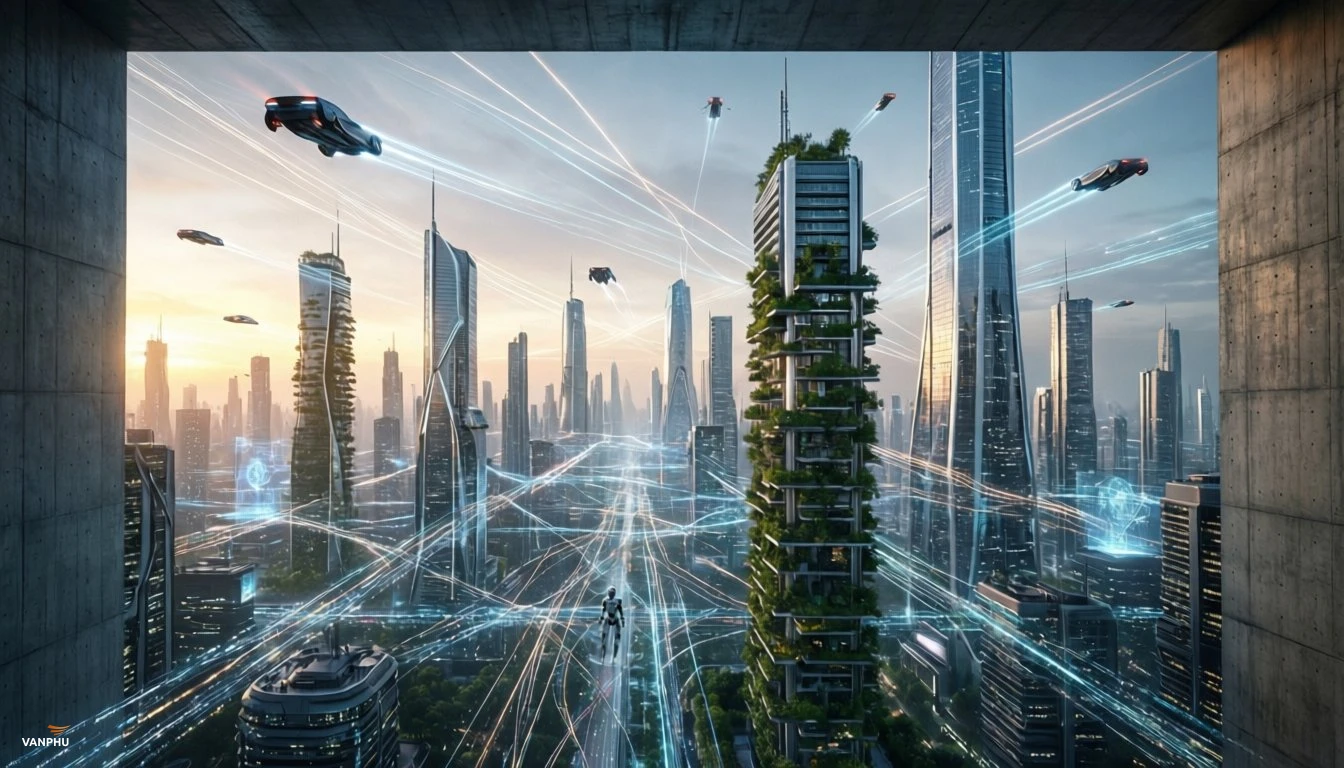
The relentless march of innovation continues to redefine what is possible. Every day, new breakthroughs emerge, promising to revolutionize industries, enhance human capabilities, and solve some of the world’s most pressing challenges. Understanding these advancements is crucial for navigating the rapidly evolving landscape of our future.
Future technology encompasses a vast array of fields, from artificial intelligence to biotechnology, each holding immense potential. These innovations are not just distant concepts; many are already in development, poised to transform our daily lives significantly. They promise a future filled with unprecedented opportunities and complex considerations.
In this article, we will explore the most impactful future technologies, examining their potential applications and the profound ways they might reshape society. We will delve into the exciting possibilities and the critical questions they raise. From smart homes to space colonization, the future is arriving faster than ever before.
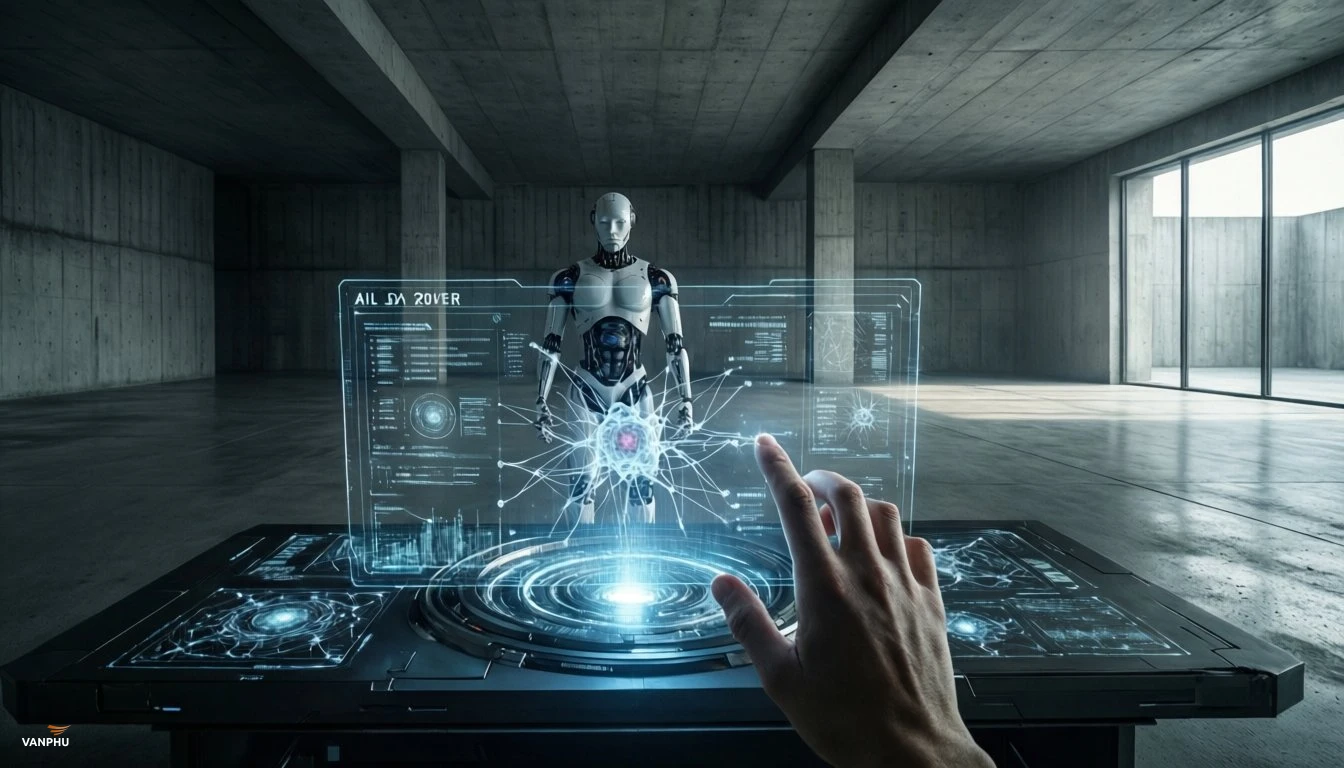
The rise of artificial intelligence and machine learning
Artificial intelligence (AI) and machine learning (ML) stand at the forefront of future technology. These powerful tools enable machines to learn from data, recognize patterns, and make decisions with increasing autonomy. Their applications are incredibly diverse, impacting almost every sector imaginable.
Transforming industries with intelligent systems
AI is already reshaping industries from healthcare to finance. In medicine, AI algorithms assist in diagnosing diseases more accurately and developing personalized treatment plans [1]. For example, AI can analyze medical images for subtle signs of illness, often outperforming human specialists in early detection. This leads to better patient outcomes.
Financial institutions use AI for fraud detection, risk assessment, and algorithmic trading. This helps to secure transactions and optimize investment strategies. Manufacturing benefits from AI-powered robotics and predictive maintenance, increasing efficiency and reducing downtime. These intelligent systems are becoming indispensable.
AI in daily life and ethical considerations
Beyond industry, AI is integrated into our daily lives through virtual assistants, recommendation engines, and autonomous vehicles. These technologies offer convenience and efficiency, simplifying tasks and enhancing user experiences. However, the rapid advancement of AI also brings significant ethical questions.
Concerns about data privacy, algorithmic bias, and job displacement are paramount. Ensuring fair and transparent AI systems is crucial for responsible development. The discussion around AI ethics is ongoing, seeking to balance innovation with societal well-being. Many experts advocate for robust regulatory frameworks.
Quantum computing: unlocking new computational power
Quantum computing represents a paradigm shift in computational power. Unlike classical computers that use bits representing 0s or 1s, quantum computers use qubits. These qubits can exist in multiple states simultaneously, a phenomenon known as superposition [2]. This allows them to process vast amounts of information much faster.
Potential applications and challenges
The potential applications of quantum computing are staggering. It could revolutionize drug discovery by simulating molecular interactions with unprecedented accuracy. Materials science could benefit from designing novel materials with specific properties. Cryptography could be both broken and made more secure by quantum algorithms.
However, quantum computing is still in its nascent stages. Building and maintaining quantum computers is incredibly challenging, requiring extremely cold temperatures and precise control over quantum states. Despite these hurdles, significant progress is being made, with major tech companies investing heavily in research and development. The future of computation hinges on these advancements.
Biotechnology and genetic engineering: reshaping life
Biotechnology, particularly genetic engineering, is offering revolutionary ways to understand and manipulate life itself. Technologies like CRISPR-Cas9 have made gene editing more precise, accessible, and efficient than ever before. This opens doors to treating genetic diseases and enhancing biological capabilities.
Advancements in health and agriculture
In healthcare, genetic engineering holds the promise of curing inherited diseases like cystic fibrosis and sickle cell anemia by correcting faulty genes [3]. Personalized medicine, tailored to an individual’s genetic makeup, is becoming a reality. This could lead to more effective treatments with fewer side effects. The potential for eradicating certain diseases is immense.
Beyond human health, biotechnology is transforming agriculture. Genetically modified crops can be engineered to be more resilient to pests, droughts, and diseases, increasing food security. They can also be enhanced to provide greater nutritional value. These innovations are critical for feeding a growing global population.
Ethical and societal debates
The power to alter life raises profound ethical questions. Debates surrounding designer babies, unintended ecological consequences of GM crops, and equitable access to these technologies are ongoing. Society must carefully consider the implications of these powerful tools. Responsible innovation and public discourse are essential for navigating this complex field.
Renewable energy and sustainable technologies
Addressing climate change and ensuring a sustainable future depends heavily on advancements in renewable energy and sustainable technologies. The shift away from fossil fuels towards clean energy sources is a global imperative. Innovations in solar, wind, and energy storage are driving this transition.
Innovations in clean energy production
Solar panel efficiency continues to improve, making solar power more affordable and widespread. Wind turbines are becoming larger and more efficient, capturing more energy from the wind. Geothermal and hydropower also contribute significantly to the renewable energy mix. These technologies are crucial for reducing carbon emissions.
Energy storage solutions, particularly advanced battery technologies, are vital for overcoming the intermittency of renewables. Innovations in lithium-ion and solid-state batteries are making it possible to store excess energy for later use, stabilizing power grids. Smart grids, which integrate renewable sources with advanced monitoring, further enhance efficiency [4].
The circular economy and carbon capture
Sustainable technologies extend beyond energy production to encompass the circular economy. This involves designing products for durability, reuse, and recycling, minimizing waste. Carbon capture technologies, which remove carbon dioxide from the atmosphere, are also gaining traction as a way to mitigate past emissions. These efforts aim to create a more resilient and environmentally friendly future.
Space exploration and commercialization
The dream of exploring and colonizing space is closer to reality than ever before. Advancements in rocket technology, driven by private companies and national space agencies, are making space travel more accessible. This new era of space exploration promises scientific discovery and economic opportunities.
Returning to the moon and beyond
Plans for returning humans to the moon and establishing permanent lunar bases are well underway. These missions will serve as stepping stones for future expeditions to Mars and beyond. Reusable rocket technology, pioneered by companies like SpaceX, has drastically reduced the cost of launching payloads into orbit [5]. This makes ambitious space projects more feasible.
Beyond government initiatives, space commercialization is booming. Satellite internet constellations, like Starlink, are providing global connectivity. Space tourism is emerging as a luxury market. The long-term vision includes asteroid mining for valuable resources and even manufacturing in zero gravity. The universe is becoming a new frontier for business and innovation.
Advanced robotics and automation
Robotics and automation are continuously evolving, moving beyond industrial assembly lines into diverse applications. Modern robots are becoming more agile, intelligent, and capable of complex tasks. This expansion is transforming workplaces and daily life.
Collaborative robots and autonomous systems
Collaborative robots, or cobots, are designed to work alongside humans, assisting with tasks that require precision or strength. They enhance productivity and safety in manufacturing and logistics. Autonomous vehicles, including self-driving cars and delivery drones, promise to revolutionize transportation, making it safer and more efficient. EON Tech is at the forefront of applying AI to solve these real-world challenges, including advanced automation solutions.
Robots are also finding roles in healthcare, performing delicate surgeries or assisting with patient care. In homes, robotic vacuum cleaners and lawnmowers are common, and more sophisticated domestic robots are on the horizon. These advancements free up human time and resources, allowing us to focus on more complex or creative endeavors. The integration of robots into society is accelerating.
Augmented reality and virtual reality: immersive futures
Augmented reality (AR) and virtual reality (VR) are creating immersive digital experiences that blend with or completely replace our physical surroundings. These technologies are foundational to the concept of the metaverse, a persistent, shared virtual space.
Beyond gaming: practical applications
While often associated with gaming, AR and VR have significant practical applications. In education, VR can transport students to historical events or distant planets, offering unparalleled learning experiences. Medical professionals use VR for surgical training and therapy. AR overlays digital information onto the real world, enhancing navigation, maintenance, and retail experiences.
Remote work and collaboration are also being transformed. VR meeting spaces can create a sense of presence that video calls cannot match. As hardware becomes more sophisticated and comfortable, AR and VR will become more integrated into our daily interactions. They promise new ways of working, learning, and socializing.
Internet of things and smart cities
The Internet of Things (IoT) connects everyday objects to the internet, allowing them to send and receive data. This network of interconnected devices is the backbone of smart cities, which aim to improve urban living through technology.
Connected living and urban efficiency
In smart homes, IoT devices manage lighting, temperature, and security, often learning user preferences. Wearable technology monitors health and fitness, providing personalized insights. These devices collect vast amounts of data, which can be analyzed to optimize performance and predict needs. This leads to more responsive environments.
Smart cities utilize IoT sensors to monitor traffic, air quality, and waste management. This data helps urban planners make informed decisions, leading to reduced congestion, cleaner environments, and more efficient public services. For example, smart streetlights can adjust brightness based on real-time conditions, saving energy. The goal is to create more livable and sustainable urban environments for everyone. You can discover future technology: shaping our world further.
Blockchain and decentralized technologies
Blockchain technology, the underlying innovation behind cryptocurrencies like Bitcoin, offers a secure and transparent way to record transactions. Its decentralized nature means no single entity controls the network, fostering trust and immutability.
Beyond cryptocurrency: diverse applications
While best known for cryptocurrencies and NFTs (non-fungible tokens), blockchain’s potential extends far beyond digital assets. It can revolutionize supply chain management by providing an immutable record of a product’s journey from origin to consumer. This enhances transparency and traceability. Voting systems could become more secure and verifiable.
The concept of Web3, a decentralized internet built on blockchain, aims to give users more control over their data and digital identities. This could lead to new forms of digital ownership and online communities. Blockchain technology is still maturing, but its promise of a more secure and equitable digital future is compelling. It offers a fresh perspective on data integrity.
Challenges and ethical considerations for the future
While future technologies offer incredible promise, they also present significant challenges. Addressing these issues proactively is essential for ensuring a positive impact on society.
Navigating societal impacts
Job displacement due to automation and AI is a major concern. Society must adapt by investing in education and reskilling programs to prepare the workforce for new roles. The digital divide, where access to technology is uneven, could exacerbate existing inequalities. Ensuring equitable access to these transformative tools is vital.
Privacy and data security are also paramount. As more devices become connected and collect personal data, robust safeguards are needed to protect individuals from misuse and breaches. The ethical development of AI, free from bias and with human oversight, remains a critical area of focus. International cooperation and thoughtful regulation will be key to managing these complex issues. Understanding attractive real estate: analyzing investment opportunities in 2025 also requires considering technological impacts.
The human element in a tech-driven future
Amidst all these technological advancements, the human element remains central. Technology is a tool, and its ultimate impact depends on how we choose to wield it. Fostering human creativity, critical thinking, and empathy will be more important than ever.
Lifelong learning will become a necessity as technological landscapes shift rapidly. Our ability to adapt, innovate, and collaborate will define our success in the future. Ultimately, the goal is to harness technology to enhance human well-being, foster connection, and create a more sustainable and equitable world for all.
Conclusion
Future technology is not a singular phenomenon but a confluence of interconnected innovations that will profoundly reshape our world. From the intelligent algorithms of AI to the quantum leaps in computing, and from gene editing to space colonization, the pace of change is accelerating. These advancements promise solutions to complex problems and open up new frontiers of human experience.
However, realizing this positive future requires careful consideration of the ethical, social, and environmental implications. Responsible innovation, thoughtful regulation, and a commitment to human-centered design are crucial. By embracing these technologies wisely, we can build a future that is not only technologically advanced but also more sustainable, equitable, and prosperous for everyone.
More Information
- Artificial Intelligence (AI): A broad field of computer science that enables machines to perform tasks typically requiring human intelligence, such as learning, problem-solving, and decision-making.
- Quantum Computing: A new type of computing that uses principles of quantum mechanics, like superposition and entanglement, to solve complex problems intractable for classical computers.
- CRISPR-Cas9: A revolutionary gene-editing tool that allows scientists to precisely cut and paste DNA sequences, enabling the correction of genetic defects and modification of organisms.
- Smart Grid: An electrical grid that uses information and communication technology to gather information, such as data about the behaviors of suppliers and consumers, in an automated fashion to improve the efficiency, reliability, economics, and sustainability of the production and distribution of electricity.
- Metaverse: A persistent, interconnected virtual world where users can interact with each other, digital objects, and AI-driven experiences through avatars, often utilizing VR and AR technologies.