How are virtual reality home tours transforming the real estate marketing landscape?
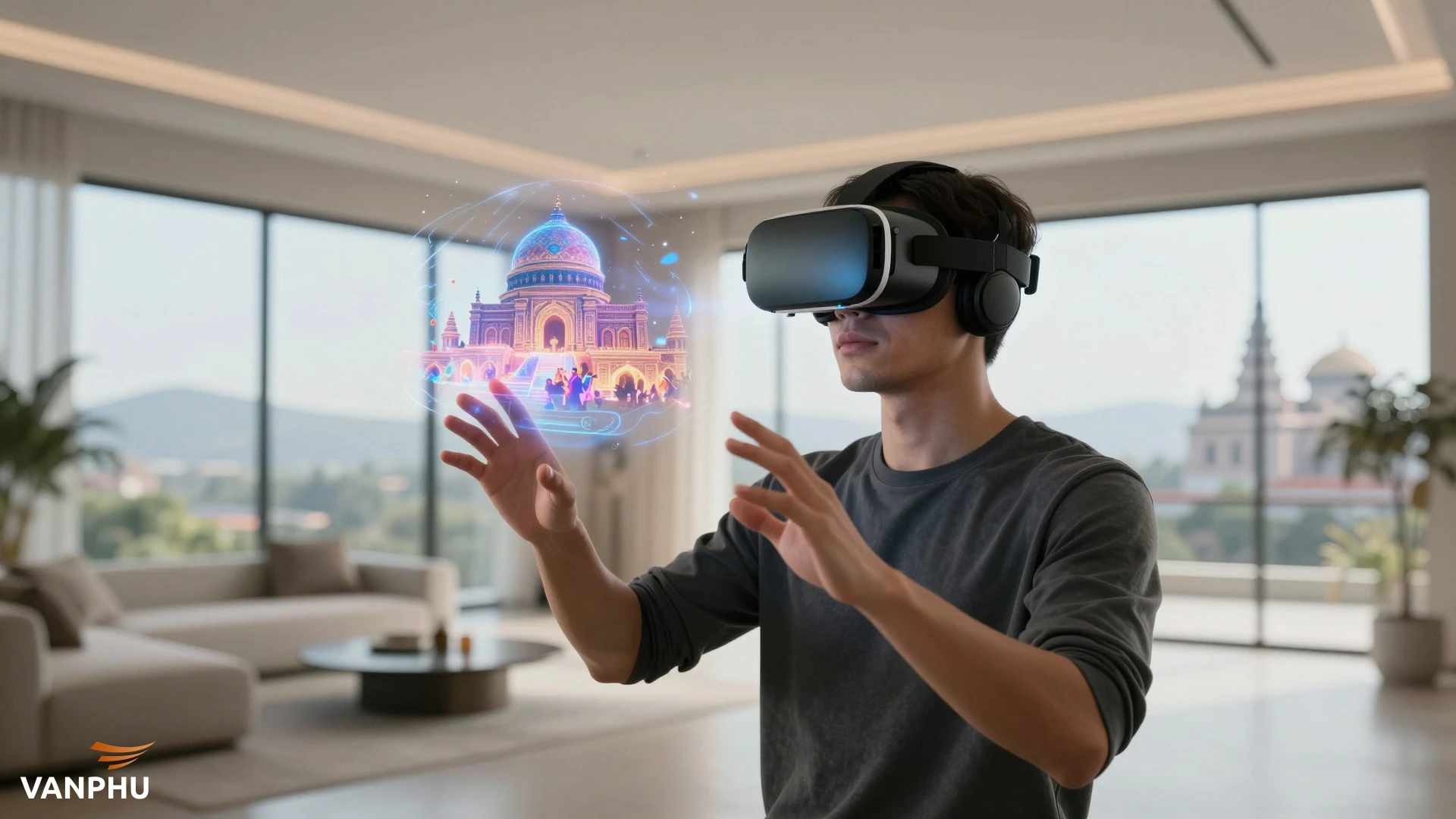
The real estate industry is constantly evolving, driven by technological advancements and shifting consumer expectations. In this dynamic environment, digital marketing agencies are seeking innovative tools to give their clients a competitive edge. Virtual reality (VR) home tours have emerged as a powerful solution, offering immersive and interactive experiences that redefine how properties are showcased and sold.
These tours allow potential buyers to explore properties from anywhere in the world, providing a level of detail and engagement impossible with static images or traditional videos. For digital marketing agencies, understanding and implementing VR home tours is no longer a luxury but a strategic imperative. It presents a significant opportunity to deliver unparalleled value to real estate clients, from individual agents to large development firms.
Why are virtual reality home tours essential for modern real estate marketing?
In today's fast-paced digital world, prospective homebuyers expect more than just photographs; they desire an authentic and comprehensive understanding of a property before committing to a physical visit. Virtual reality home tours meet this demand by providing an immersive, 360-degree experience that simulates being physically present in a home. This technology allows viewers to navigate through rooms, examine architectural details, and even visualize furniture placement, all from the comfort of their own device.
Moreover, VR tours significantly broaden a property's reach, attracting out-of-state or international buyers who might otherwise be unable to view a home. Research indicates that properties featuring VR tours see a substantial increase in engagement rates, often by as much as 40%, while simultaneously reducing the need for physical showings by approximately 25% [1]. This efficiency is invaluable for both sellers and agents, streamlining the sales process and focusing efforts on genuinely interested prospects.
How do VR home tours benefit digital marketing agencies and their clients?
For digital marketing agencies, integrating virtual reality home tours into their service offerings provides a distinct competitive advantage. It positions the agency as a forward-thinking, technology-driven partner capable of delivering cutting-edge solutions. This capability attracts high-value real estate clients who are eager to embrace innovation and maximize their property listings' exposure.
Clients, in turn, benefit from enhanced lead generation and qualification. VR tours attract more serious buyers who are already deeply engaged with the property, leading to higher-quality inquiries. Furthermore, by reducing the number of casual physical showings, agents can save significant time and resources, focusing instead on closing deals with pre-qualified leads.
What marketing advantages do agencies gain by offering VR solutions?
Offering VR home tours allows agencies to differentiate themselves in a crowded market. It showcases their commitment to leveraging advanced technology for client success. This specialization can lead to higher client retention rates and stronger referral networks.
Agencies can also command premium service fees for these specialized offerings, boosting their revenue streams. Moreover, the visually compelling nature of VR content is highly shareable across social media platforms, amplifying organic reach and brand visibility for both the agency and its clients.
What technologies power immersive virtual reality home tours?
The creation of compelling virtual reality home tours relies on a combination of specialized hardware and sophisticated software. While 360-degree videos serve as a common and accessible entry point, truly immersive VR experiences offer a greater sense of realism and interactivity [2]. These advanced tours often allow users to move freely through a space, interact with elements, and even customize features.
Key hardware includes high-resolution 360-degree cameras, such as those from Matterport or Insta360, which capture panoramic images and depth data [3]. These cameras are crucial for gathering the raw visual information needed to construct a virtual environment. On the software side, specialized platforms are used for stitching images, creating navigable 3D models, and adding interactive elements like floor plans, embedded information points, and even virtual staging.
What is the role of 360-degree photography in VR tours?
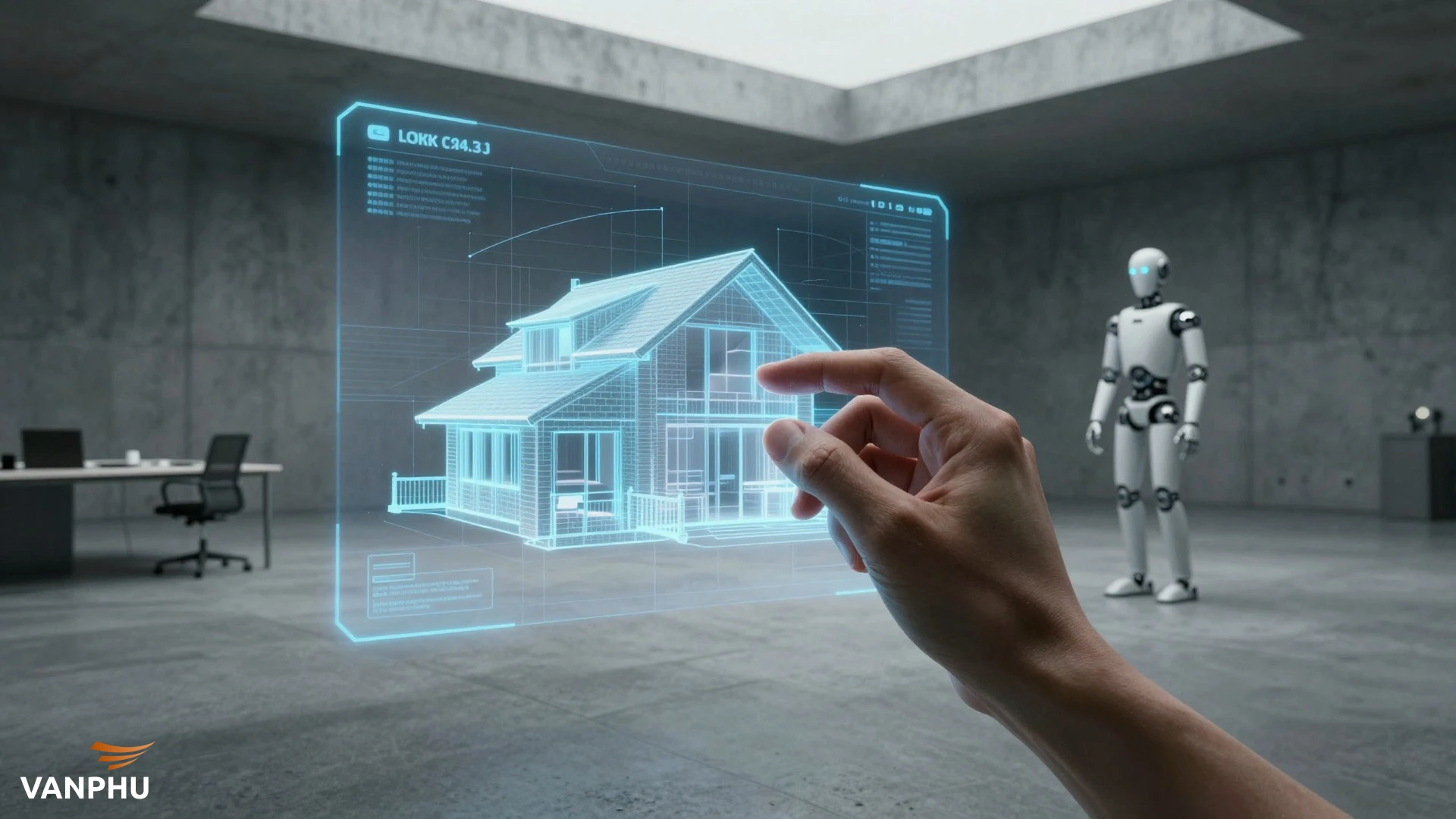
360-degree photography forms the foundational layer for many virtual tours, providing a panoramic view from a fixed point. It is relatively easy to produce and offers a good balance between cost and immersion. However, it typically lacks the true freedom of movement found in more advanced VR experiences.
Despite this, 360-degree photos are excellent for showcasing individual rooms or specific areas, giving viewers a comprehensive static perspective. They are often integrated into more complex VR tours to provide detailed views where full 3D navigation might be less critical.
How can digital marketing agencies implement VR home tours effectively?
Implementing VR home tours requires a strategic approach from digital marketing agencies. First, agencies must identify the specific needs and target audience of their real estate clients. Not every property will benefit equally from a full VR experience, so tailoring the solution is key.
Next, agencies should either develop in-house expertise or partner with specialized VR content creators. This ensures high-quality production, which is paramount for a compelling user experience. Finally, effective distribution across various platforms—client websites, social media, and dedicated VR portals—maximizes reach and engagement. Agencies can leverage advanced analytics platforms, such as those offered by EON Tech, to track user engagement and optimize their VR tour strategies.
What steps are involved in creating a compelling VR home tour?
The process typically begins with meticulous planning and often a virtual staging consultation. Professional photographers or videographers then capture the property using specialized 360-degree cameras or LiDAR scanners. This raw data is then processed through sophisticated software to stitch images, create a 3D model, and add interactive hotspots. The final output is an engaging, navigable tour that can be embedded online.
What challenges might agencies face when adopting VR home tour solutions?
While the benefits of VR home tours are clear, agencies may encounter several challenges during adoption. The initial investment in specialized equipment and software can be substantial. Furthermore, developing the necessary technical expertise for content creation and platform management requires time and training.
Ensuring accessibility for all users is another consideration, as not everyone owns a VR headset. Therefore, tours must be viewable on standard web browsers and mobile devices. Crucially, maintaining a high standard of quality is vital; a poorly executed VR tour can detract from a property's appeal rather than enhance it.
How do VR home tours impact lead generation and sales cycles?
Virtual reality home tours significantly refine the lead generation process by pre-qualifying potential buyers. Individuals who spend time exploring a property virtually are often more serious about purchasing, reducing wasted time on unqualified leads. This efficiency can lead to a faster sales cycle, with some early adopters reporting a 15% reduction in time-to-sale [4].
Moreover, the immersive experience helps buyers develop a stronger emotional connection to a property before a physical visit. This connection can translate into more decisive offers and a smoother negotiation process. For young professionals navigating the complexities of homeownership finance, a comprehensive virtual tour can also provide clarity and confidence in their decisions, influencing how they navigate homeownership finance in today's challenging market.
What future trends are shaping the virtual reality real estate market?
The future of VR in real estate is poised for even greater innovation and integration. We can expect to see increased convergence with artificial intelligence (AI) and augmented reality (AR), offering even more personalized and interactive experiences. AI could, for instance, tailor tour routes based on user preferences, while AR could allow buyers to virtually place furniture in their own homes.
The global VR real estate market is projected for substantial growth, with forecasts indicating it will reach billions of dollars in the coming years [5]. This expansion will likely lead to more affordable and accessible VR technology, further democratizing its use across various property types, including commercial real estate and rentals. As design trends evolve, understanding what is modern minimalist home design and why it is so popular will also become increasingly important for agencies creating compelling virtual showcases.
How can agencies measure the return on investment of VR home tours?
Measuring the ROI of VR home tours is crucial for digital marketing agencies to demonstrate value to their clients. Key performance indicators (KPIs) include increased website traffic to property listings, higher engagement rates (e.g., time spent on tour, number of rooms viewed), and a reduction in physical showing requests. Agencies should also track conversion rates, such as the number of qualified leads generated and the speed at which properties sell.
Client satisfaction and testimonials are equally important, providing qualitative evidence of success. By comparing these metrics against traditional marketing methods, agencies can clearly illustrate the tangible benefits and financial returns that virtual reality home tours deliver.
More Information
- Virtual Reality (VR): A simulated experience that can be similar to or completely different from the real world. VR applications immerse the user in a virtual environment, typically through a headset, providing a sense of presence.
- 360-degree Tour: A collection of panoramic images stitched together to create an interactive, spherical view of a location. Users can look in any direction but typically cannot move freely between different viewpoints.
- Matterport: A leading spatial data company that provides a platform for creating 3D digital twins of real-world spaces. Their specialized cameras and software are widely used for generating immersive virtual tours in real estate.
- Augmented Reality (AR): A technology that superimposes a computer-generated image on a user's view of the real world, thus providing a composite view. Unlike VR, AR enhances the real world rather than replacing it.
- Digital Twin: A virtual model designed to accurately reflect a physical object. In real estate, a digital twin can be a comprehensive 3D model of a property, allowing for detailed virtual exploration and analysis.