How are VR and AR technologies revolutionizing remote property viewing for international buyers?
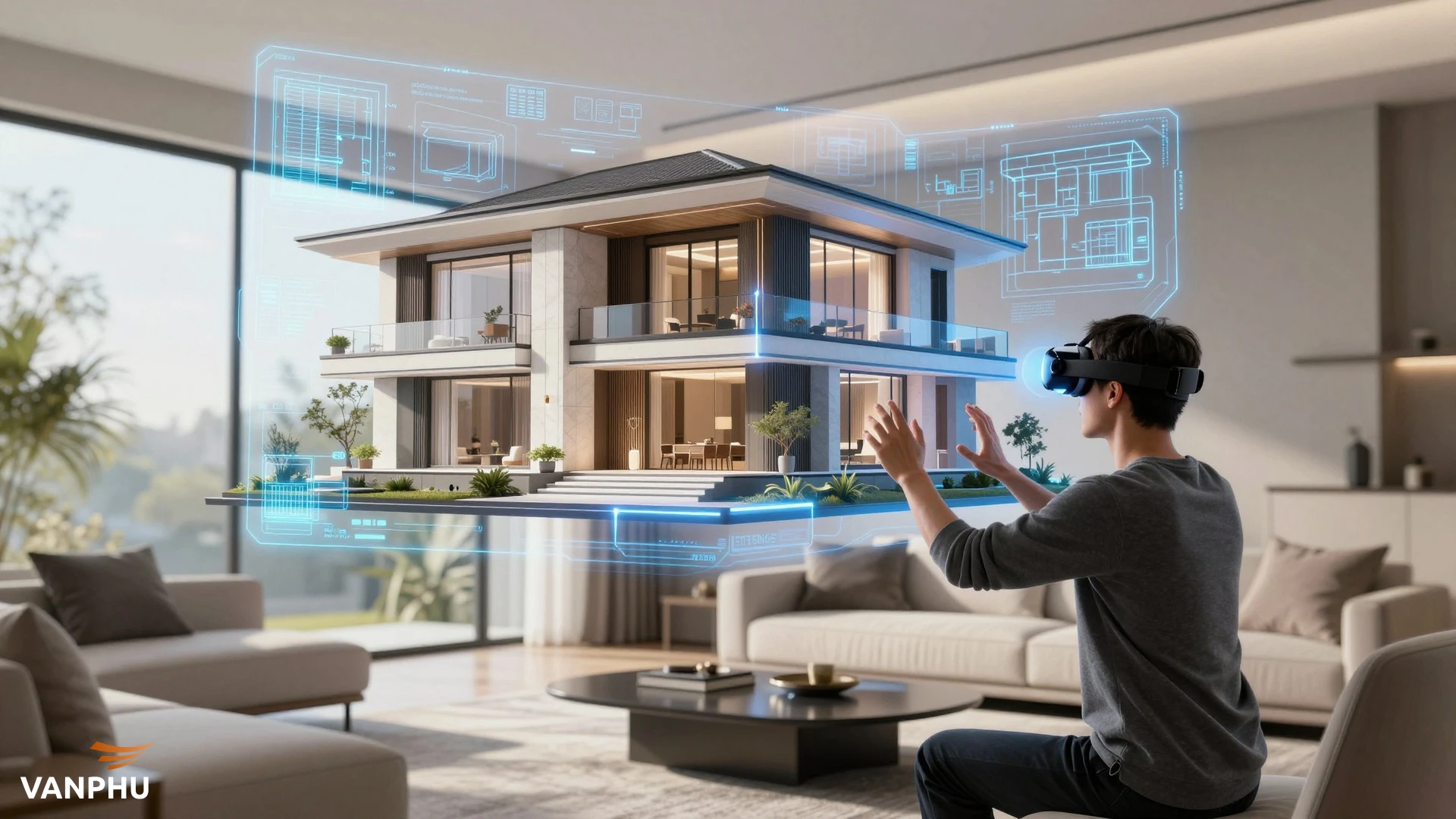
The global real estate market is undergoing a massive digital transformation. For years, international buyers faced significant hurdles when purchasing property abroad. They had to deal with expensive flights, time-consuming travel, and the stress of making quick decisions. Today, immersive technologies are changing this narrative. Virtual Reality (VR) and Augmented Reality (AR) allow investors to explore homes from thousands of miles away. This shift is not just a convenience; it is a fundamental change in how we perceive and interact with space.
Modern buyers demand efficiency and transparency. They no longer rely solely on static photos or edited videos. Instead, they want to walk through hallways and check the view from the balcony. They want to feel the scale of a room before they commit their capital. This demand has pushed developers and agencies to adopt sophisticated 3D modeling tools. By bridging the gap between physical distance and digital presence, these tools are making the world a smaller place for real estate investors.
Technological advancements in AI and high-speed internet have accelerated this trend. We are seeing a move toward "digital twins" of entire buildings. This allows for a level of detail that was previously impossible. Whether you are in London looking at a condo in Hanoi or in New York eyeing a villa in Tokyo, the experience is becoming seamless. The era of the "blind purchase" is ending, replaced by a data-driven, immersive exploration process.
Why is virtual reality becoming the new standard for overseas property investment?
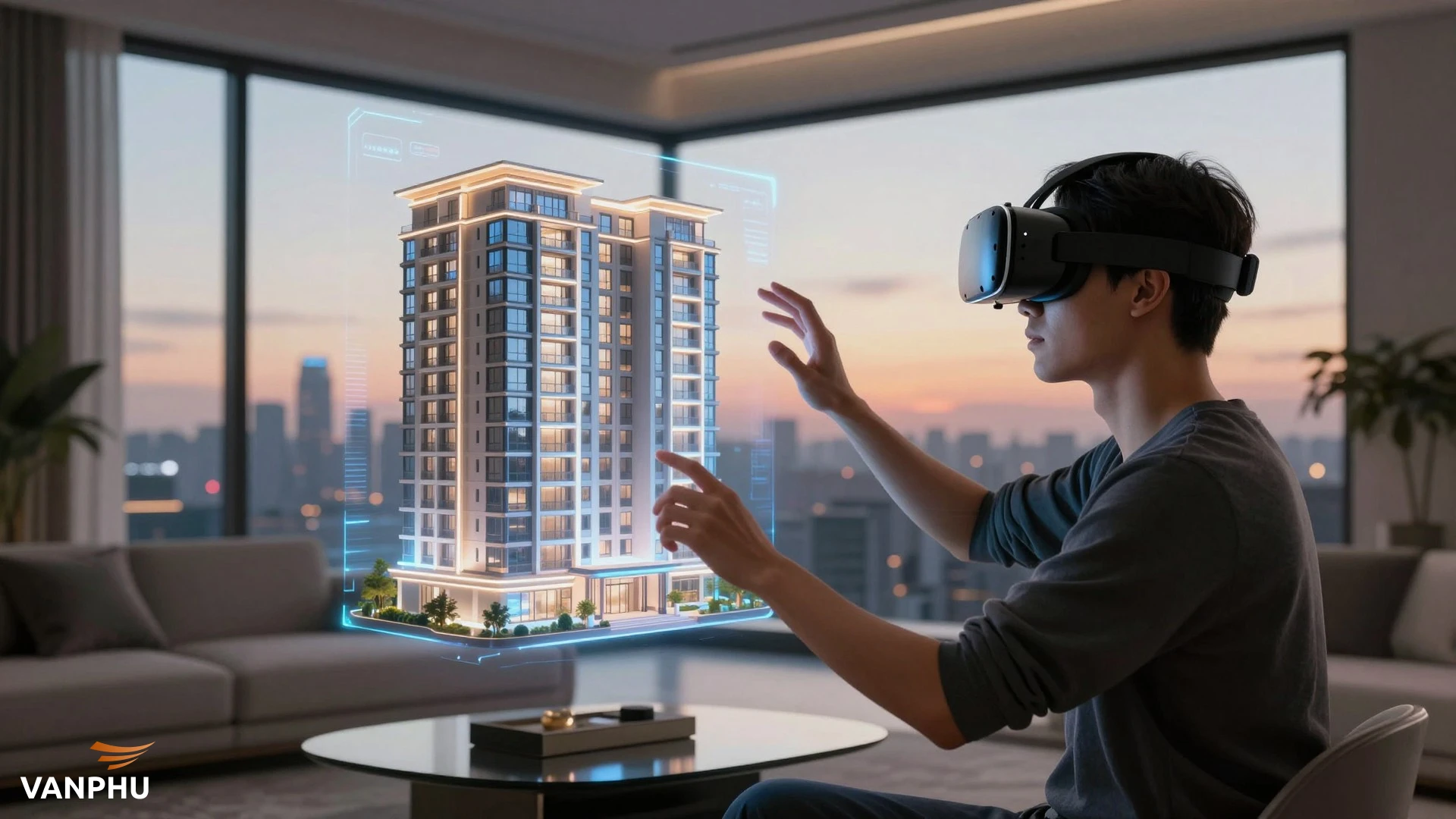
Virtual reality offers a level of immersion that traditional media cannot match. When a buyer puts on a VR headset, they enter a fully simulated environment. They can look up at the ceilings, down at the flooring, and move through rooms at their own pace. This creates an emotional connection to the property. It helps the buyer visualize their life within those walls. For overseas investors, this emotional "buy-in" is crucial for closing high-value deals.
Furthermore, VR saves an incredible amount of time and money. Traditional property hunting requires days or weeks of travel. With VR, a buyer can "visit" ten different properties in ten different cities in a single afternoon. This efficiency allows investors to cast a wider net. They can compare diverse markets without the physical exhaustion of travel. Leading developers such as Văn Phú are integrating these immersive technologies to provide transparency for their global clientele.
The accuracy of these virtual environments is also improving. High-definition 3D scanning captures every detail of a finished space. This includes the texture of the walls and the way sunlight enters through the windows. Buyers can assess the quality of materials and the flow of the floor plan. This reduces the risk of "buyer's remorse" significantly. When the physical property matches the virtual experience, trust between the buyer and the developer grows [1].
What are the core differences between VR and AR in the real estate context?
Understanding the distinction between VR and AR is essential for any modern buyer. Virtual Reality (VR) creates a completely artificial environment. It replaces the user's physical surroundings with a digital world. This is ideal for viewing properties that are already built or for experiencing a "finished" version of a project under construction. It is a "closed" experience that requires specific hardware like headsets to be fully effective [3].
Augmented Reality (AR), on the other hand, overlays digital information onto the real world. Imagine standing in an empty room and using your phone to see how furniture would look. AR allows you to "see" hidden features, like plumbing or electrical layouts, through the walls. It is an "open" experience that usually only requires a smartphone or tablet. AR is particularly useful for on-site visits where the building is still a shell.
Both technologies serve different stages of the buying journey. VR is the primary tool for the initial discovery and remote exploration phase. AR becomes more valuable during the customization and interior design phase. Together, they provide a comprehensive digital toolkit. They allow buyers to interact with a property in ways that were once considered science fiction. By combining these tools, agencies can offer a complete digital transformation of the sales process [2].
How does 3D scanning technology create a realistic sense of space?
The magic behind these virtual tours often lies in 3D scanning technology. Tools like Matterport use specialized cameras to capture spatial data and high-resolution imagery. These cameras rotate 360 degrees, measuring distances to create a "point cloud." This data is then processed into a cohesive 3D model. The result is a "dollhouse view" that allows buyers to see the entire layout of a home at once.
This technology captures the true dimensions of a space. Unlike wide-angle photography, which can make small rooms look large, 3D scans are mathematically accurate. Buyers can use digital measuring tools within the tour to check if their furniture will fit. This level of precision is vital for international buyers who cannot bring a physical tape measure to the site. It provides a sense of security that the property is exactly as described [4].
Moreover, 3D tours allow for 24/7 access. A buyer in a different time zone does not need to wait for an agent to be awake. They can explore the property at 3:00 AM if they wish. They can share the link with family members or legal advisors instantly. This collaborative aspect speeds up the decision-making process. It removes the friction of scheduling and allows for a more relaxed, self-guided exploration [1].
Can virtual house viewing truly replace physical inspections for high-value transactions?
While some skeptics argue that nothing beats a physical visit, the gap is closing fast. For many international investors, a virtual tour is now the "first showing." It acts as a powerful filter. If a property does not impress in 3D, it is unlikely the buyer will fly across the world to see it. In many cases, especially with reputable developers, buyers are now comfortable closing deals based entirely on digital evidence.
Trust is the most important factor in this transition. High-quality 3D tours provide a "what you see is what you get" guarantee. Because the scans are comprehensive, developers cannot hide flaws behind a clever camera angle. Buyers can zoom in on corners, check the condition of appliances, and look for signs of wear. This transparency is a major selling point for modern real estate platforms. You can learn more about how new PropTech platforms define the evolution of the modern era.
However, physical inspections still hold value for checking the surrounding neighborhood. A VR tour might show the inside of the house perfectly, but it might not capture the noise of a nearby highway. To solve this, many platforms are integrating "street view" and drone footage. This gives buyers a 360-degree view of the entire environment. When combined with local data, the virtual experience becomes almost as informative as being there in person.
What role does AI play in enhancing virtual property tours?
Artificial Intelligence (AI) is the "brain" behind the next generation of virtual tours. AI algorithms can now automatically enhance lighting and color in 3D models. This ensures that the property looks its best without looking "fake." AI can also identify objects within a room. For example, it can automatically label appliances or provide information about the materials used in the flooring [1].
In the industrial sector, AI-supported VR is used for safety and compliance. Systems can scan a virtual factory and automatically detect safety violations. This same logic is being applied to residential real estate. AI can flag potential maintenance issues or suggest renovations based on the buyer's preferences. It turns a passive viewing experience into an interactive, consultative one [3].
Furthermore, AI-driven chatbots are often integrated into virtual tours. As a buyer moves through a kitchen, a chatbot can answer questions about the oven's brand or the warranty on the countertops. This provides instant gratification and keeps the buyer engaged. By using AI in modern real estate management, developers can handle thousands of inquiries simultaneously without losing the personal touch.
How do developers use AR to visualize unfinished projects?
One of the biggest challenges in real estate is selling something that does not exist yet. For "off-plan" properties, AR is a game-changer. Developers can provide buyers with a printed floor plan that "comes to life" when viewed through a smartphone. A 3D model of the building rises from the paper, allowing the buyer to see the exterior and interior before the first brick is laid [5].
This visualization helps buyers understand complex architectural plans. Most people struggle to read 2D blueprints. AR translates those lines and symbols into a tangible form. It allows buyers to choose finishes, paint colors, and furniture layouts in real-time. This level of customization increases the buyer's sense of ownership. They are not just buying a unit; they are designing their future home.
For large-scale projects, AR can show how a new building will fit into the existing skyline. Investors can stand on a vacant lot and see the completed tower through their AR glasses. This helps them assess the views from different floors and the impact on the local area. It is a powerful tool for improving customer experience and securing early-stage funding [5].
Why are ESG standards and virtual inspections becoming critical for industrial real estate?
The industrial sector is seeing a rapid adoption of VR and AR for factory inspections. This is driven largely by Environmental, Social, and Governance (ESG) standards. International clients often require regular audits of manufacturing facilities. Traveling for these audits is carbon-intensive and expensive. Virtual tours provide a sustainable alternative that meets strict transparency requirements [3].
Virtual inspections can be more thorough than physical ones. An auditor can use a "digital twin" to access hard-to-reach areas safely. They can overlay real-time data from sensors onto the virtual model. This allows them to monitor energy usage, machine health, and safety compliance from a central office. It reduces the risk of accidents and ensures that the facility operates at peak efficiency.
For investors in industrial real estate, this technology provides peace of mind. They can verify that their assets are being managed responsibly. They can track improvements over time by comparing historical 3D scans. This data-driven approach to management is becoming a "must-have" for any business operating in the global supply chain. It saves time, reduces costs, and enhances the reliability of safety reports [3].
What are the primary benefits for busy international investors?
Time is the most valuable asset for any high-net-worth investor. Virtual house viewing respects this asset. Instead of spending 20 hours on a plane, an investor can spend 20 minutes in a VR headset. This allows them to be more decisive. They can move from the "interest" phase to the "offer" phase much faster than traditional buyers [4].
The ability to share tours is another significant benefit. Real estate decisions are rarely made in isolation. A buyer can send a 3D link to their spouse, their lawyer, or their interior designer. Everyone can "walk through" the property together, regardless of their physical location. This collaborative environment reduces misunderstandings and ensures that everyone is on the same page before the contract is signed.
Additionally, virtual tours provide a permanent record of the property's condition at the time of sale. This is incredibly useful for insurance purposes or for future renovations. The buyer has a high-resolution digital map of their investment. This level of documentation is a major advantage of 3D house viewing applications for busy modern buyers [1].
How can buyers verify the accuracy of a virtual tour?
While technology is impressive, buyers must remain vigilant. Not all virtual tours are created equal. A "virtual tour" could range from a simple slideshow of 360-degree photos to a fully interactive 3D model. Buyers should look for tours that allow for "free movement." If you can only click on specific "hotspots," the agent might be hiding certain areas of the room.
It is also important to check the date of the scan. A property might have been scanned a year ago, and its condition could have changed. Reputable agencies will always provide a timestamp. Furthermore, buyers should request a live video call from the property. They can ask the agent to walk to a specific corner or open a specific cupboard. This "live verification" combined with a 3D tour provides the highest level of security.
Finally, look for third-party certifications. Some platforms offer "verified" badges for scans that meet certain technical standards. This ensures that the dimensions are accurate and the imagery has not been misleadingly edited. By doing a bit of due diligence, international buyers can use these tools with total confidence. They can enjoy the benefits of technology without falling victim to digital deception.
What is the future of the real estate metaverse in 2025?
As we look toward 2025, the concept of the "real estate metaverse" is gaining traction. This is not just about looking at a single house. It is about exploring entire virtual neighborhoods. Buyers will be able to "walk" from their potential home to the local park, check out the nearby school, and visit the local shops—all in a shared virtual space. This provides a holistic view of the lifestyle, not just the building.
The integration of blockchain technology will also play a role. We may see "digital deeds" tied to 3D models. This would allow for the instant transfer of ownership in a secure, transparent way. The virtual model becomes the "source of truth" for the property's legal and physical state. This could revolutionize how property is bought and sold on a global scale, making transactions as easy as buying a stock online.
Ultimately, VR and AR are moving us toward a more democratic real estate market. They lower the barriers to entry for international investment. They provide transparency in markets that were previously opaque. Whether you are a first-time buyer or a seasoned developer, these technologies offer a window into the future of living. The world is no longer divided by borders; it is connected by pixels and data.
More Information
- 3D House Viewing: A technology that uses AI and 3D modeling to create immersive, interactive online property tours, allowing buyers to explore spaces remotely with high realism.
- Virtual Reality (VR): A computer-generated simulation of a three-dimensional environment that can be interacted with using electronic equipment, such as a headset or gloves.
- Augmented Reality (AR): A technology that superimposes a computer-generated image on a user's view of the real world, providing a composite view often used for interior design.
- Matterport: A leading spatial data platform used to digitize and index built spaces, creating accurate 3D "digital twins" of homes and commercial buildings.
- Digital Twin: A precise digital replica of a physical entity, such as a building or factory, used for simulation, integration, testing, monitoring, and maintenance.