How can enterprise facility managers strategically pivot commercial office spaces for future success?
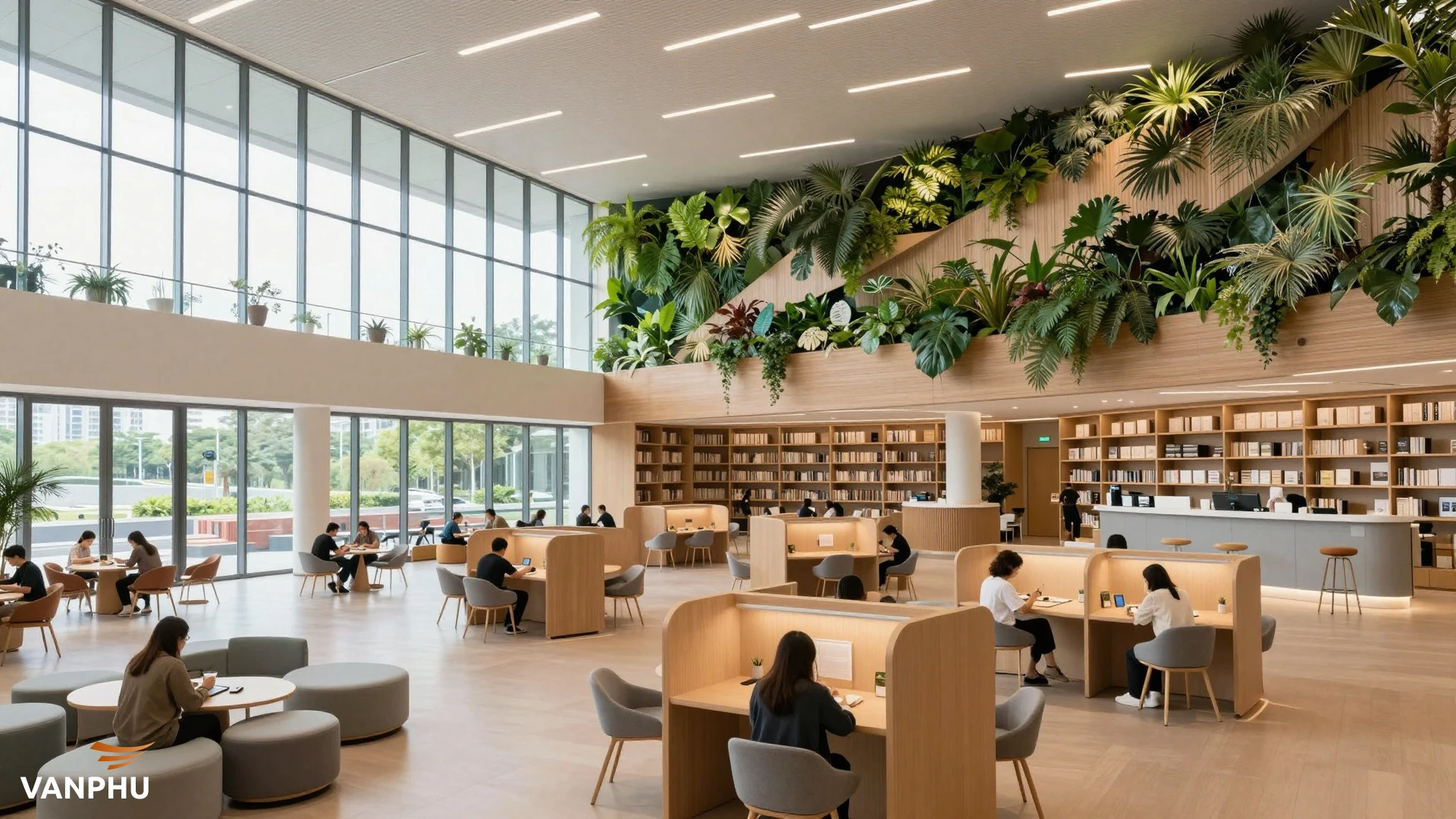
The commercial office landscape is undergoing a profound transformation. Therefore, enterprise facility managers face an unprecedented challenge: how to adapt traditional workspaces to meet evolving business needs and employee expectations. This shift, often termed the "commercial office space pivot," is not merely about redesigning interiors. Instead, it represents a fundamental re-evaluation of the office's purpose and function [1]. Consequently, facility managers must become strategic leaders. They must navigate complexities ranging from hybrid work models to advanced technological integration. This article explores the critical aspects of this pivot. It offers actionable insights for facility managers aiming to future-proof their organizations' physical assets.
Why is a commercial office space pivot essential now?
The traditional office model, once a cornerstone of corporate culture, has been irrevocably altered. Remote and hybrid work arrangements are now commonplace. This change demands a strategic re-evaluation of physical office spaces [2]. Furthermore, businesses seek greater flexibility and efficiency from their real estate portfolios. They want to optimize operational costs. They also aim to enhance employee well-being and productivity. A failure to pivot can lead to underutilized assets. It can also result in decreased employee satisfaction. Moreover, it can hinder organizational agility. Therefore, proactive adaptation is not just beneficial; it is imperative for sustained success.
What key drivers are shaping modern office space strategies?
Several powerful forces are compelling organizations to rethink their office space strategies. Firstly, the widespread adoption of hybrid work models is paramount. Employees now expect flexibility regarding where and how they work. Secondly, employee experience has become a central focus. Companies recognize that an engaging and supportive work environment attracts and retains top talent. Thirdly, technological advancements offer new possibilities for space management and collaboration. Smart building systems and IoT devices are transforming how offices operate. Finally, sustainability and environmental, social, and governance (ESG) goals are increasingly influencing real estate decisions [3]. These drivers collectively necessitate a comprehensive and forward-thinking approach to commercial office space. Each factor presents both challenges and opportunities for facility managers.
How can facility managers assess current space utilization effectively?
Understanding how existing space is being used is the first critical step in any pivot. Many offices suffer from significant underutilization, especially with hybrid work schedules. Facility managers must gather accurate data on occupancy rates. They should also analyze usage patterns across different areas. This data can reveal which spaces are popular and which are neglected. Occupancy sensors, Wi-Fi analytics, and desk booking systems provide valuable insights [4]. Furthermore, employee surveys and feedback can offer qualitative data. This information helps explain the "why" behind usage patterns. A thorough assessment forms the foundation for data-driven decisions. It ensures that any changes are informed and impactful.
What strategies support a successful hybrid work environment?
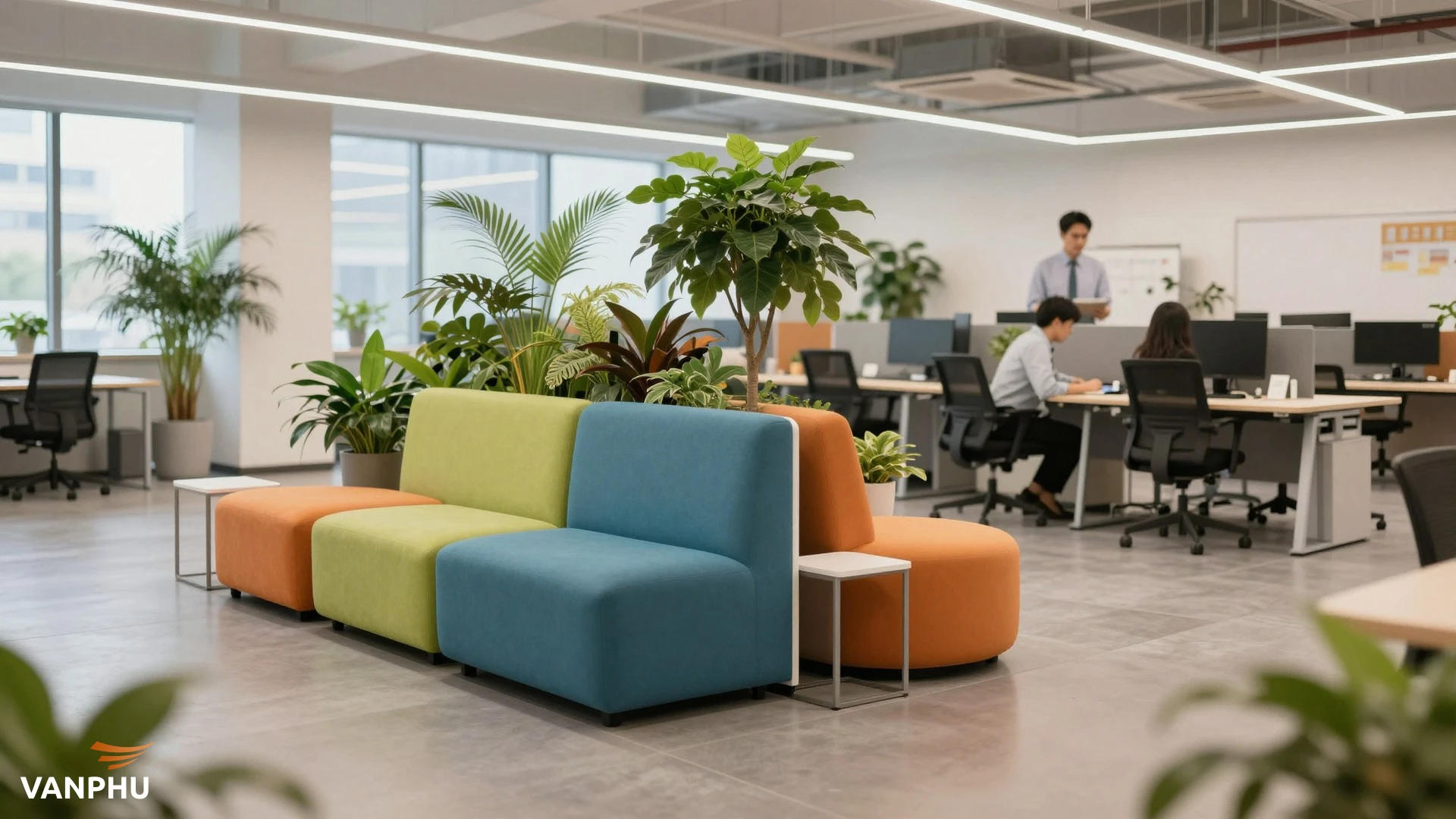
Designing for hybrid work requires a delicate balance. The office must serve as a destination for collaboration, innovation, and social connection. It also needs to support focused individual work. Flexible layouts are key. They allow spaces to be reconfigured easily for different activities. Activity-based working (ABW) principles can guide this design. ABW offers various zones: quiet areas for concentration, vibrant hubs for teamwork, and social spaces for informal interactions. Furthermore, investing in robust technology infrastructure is crucial. This includes high-quality video conferencing tools and reliable connectivity. These elements ensure seamless transitions between remote and in-office work. They also foster equitable experiences for all employees.
How can technology optimize the pivoted office space?
Technology is a powerful enabler of the modern office pivot. Smart building systems integrate various functions. These include HVAC, lighting, security, and space management. Internet of Things (IoT) devices collect real-time data on environmental conditions and occupancy. This data allows for dynamic adjustments. For instance, lighting can adjust based on natural light levels. Heating can optimize based on room occupancy. Artificial intelligence (AI) can further enhance these systems. AI predicts future needs and automates complex tasks. It can streamline maintenance schedules. It can also personalize the employee experience. For example, AI-powered systems can suggest available desks or meeting rooms. This integration creates a more efficient, comfortable, and responsive workplace. Platforms like EON Tech are increasingly adopted by businesses to streamline this process. They provide comprehensive solutions for smart facility management. What role does AI play in modern property management? This question becomes central to optimizing office environments.
How do smart systems enhance employee experience and efficiency?
Smart systems go beyond mere automation. They actively contribute to a superior employee experience. For example, personalized climate control allows individuals to adjust their immediate environment. This boosts comfort and focus. Wayfinding apps help employees navigate large campuses efficiently. They reduce wasted time and frustration. Automated visitor management systems create a seamless entry process. Predictive maintenance, powered by AI, minimizes disruptions. It ensures that facilities are always in optimal working order. These technological enhancements demonstrate a commitment to employee well-being. They also significantly improve operational efficiency for facility managers.
Why is sustainability crucial in office space transformation?
Sustainability is no longer a niche concern; it is a core business imperative. Integrating sustainable practices into office pivots offers multiple benefits. It reduces operational costs through lower energy and water consumption. It also enhances a company's brand reputation. Furthermore, it aligns with growing regulatory pressures and investor expectations regarding ESG performance. Facility managers can implement various green initiatives. These include energy-efficient lighting, smart HVAC systems, and waste reduction programs. Sourcing sustainable materials for renovations is also important. Promoting public transport and cycling infrastructure supports eco-friendly commuting. These efforts contribute to a healthier planet. They also create a more attractive and responsible workplace [5].
What sustainable practices reduce operational costs?
Many sustainable practices directly impact the bottom line. For instance, upgrading to LED lighting can significantly cut electricity bills. Installing low-flow fixtures reduces water usage. Optimizing HVAC schedules based on occupancy and weather patterns saves energy. Implementing robust recycling and composting programs minimizes waste disposal costs. Furthermore, investing in renewable energy sources, such as solar panels, can provide long-term energy independence. These initiatives not only benefit the environment but also deliver tangible financial returns. They make the office pivot more economically viable in the long run.
What are the financial implications of office space pivots?
Any significant office space transformation involves considerable financial planning. Facility managers must develop comprehensive budgets. They need to consider renovation costs, technology investments, and ongoing operational expenses. However, the pivot also presents opportunities for significant cost savings. Optimizing space utilization can lead to a reduced real estate footprint. This lowers lease costs or property taxes. Energy-efficient upgrades result in lower utility bills. Improved employee retention, fostered by a better workplace, reduces recruitment costs. Therefore, calculating the return on investment (ROI) for these changes is crucial. A clear financial case helps secure executive buy-in. It ensures the pivot aligns with the organization's broader financial objectives.
How can ROI be measured for new office layouts?
Measuring the ROI of new office layouts requires a multi-faceted approach. Firstly, track direct cost savings from reduced square footage or lower utility bills. Secondly, quantify improvements in employee productivity. This can be challenging but might involve metrics like project completion rates or employee engagement scores. Thirdly, assess the impact on talent acquisition and retention. A more attractive office environment can reduce turnover. This saves significant recruitment and training costs. Finally, consider the intangible benefits. These include enhanced brand reputation and improved employee well-being. While harder to quantify, they contribute to long-term organizational success. Regular post-implementation reviews are essential to validate these benefits.
How can facility managers lead this transformation successfully?
Leading a commercial office space pivot requires strong leadership and strategic vision. Facility managers must act as change agents. They need to communicate the vision clearly to all stakeholders. This includes employees, executives, and external vendors. Collaboration is paramount. Engage HR, IT, and business unit leaders early in the planning process. Their input ensures the new spaces meet diverse needs. Furthermore, adopting a phased implementation approach can mitigate risks. Pilot programs in smaller areas allow for testing and refinement before a full rollout. Continuous feedback loops are also vital. They help identify issues and make necessary adjustments. Ultimately, successful leadership hinges on adaptability, communication, and a commitment to creating a future-ready workplace.
What change management strategies foster employee adoption?
Employee adoption is critical for the success of any office pivot. Facility managers should implement robust change management strategies. Begin with clear and consistent communication. Explain the "why" behind the changes. Highlight the benefits for employees. Provide training on new technologies and flexible work protocols. Offer opportunities for feedback and address concerns transparently. Involve employees in the design process where possible. This fosters a sense of ownership. Create champions within the organization who can advocate for the new environment. A well-managed change process minimizes resistance. It maximizes engagement. It ensures that employees embrace the new way of working. How are virtual reality home tours transforming the real estate marketing landscape? This question, while not directly about office space, highlights the importance of engaging visuals and immersive experiences in presenting new spaces, which can be adapted for internal communication about office pivots.
What does the future hold for commercial office spaces?
The commercial office space will continue to evolve. It will likely become even more dynamic and purpose-driven. Future offices may feature greater integration of AI and machine learning. This will create truly adaptive and predictive environments. They will also prioritize hyper-flexibility. This includes on-demand spaces and subscription-based access. Sustainability will deepen, moving towards net-zero or even regenerative buildings. Employee well-being will remain a central design principle. This will include biophilic design and advanced air quality systems. Facility managers will play an increasingly strategic role. They will be responsible for curating experiences, optimizing resources, and leveraging technology. The office will transform into a vibrant ecosystem. It will support diverse work styles and foster innovation. It will be a place where people genuinely want to be.
More Information
- Commercial Office Space Pivot: A strategic re-evaluation and adaptation of traditional office environments to meet evolving business needs, employee expectations, and technological advancements, often involving hybrid work models and flexible designs.
- Hybrid Work Model: A flexible work arrangement where employees split their time between working remotely (e.g., from home) and working in a physical office space, requiring adaptable office designs and robust technology.
- Activity-Based Working (ABW): An office design philosophy that provides a variety of work settings tailored to different activities, allowing employees to choose the most suitable space for tasks like collaboration, focus, or socializing.
- Smart Building Systems: Integrated technologies that connect various building functions (HVAC, lighting, security, access control) to optimize performance, energy efficiency, and occupant comfort through data collection and automation.
- Space Utilization: The efficiency with which an office space is used, often measured by occupancy rates, desk usage, and meeting room bookings, providing critical data for strategic real estate decisions.