How can home brewers master the art of brewing perfect white tea?
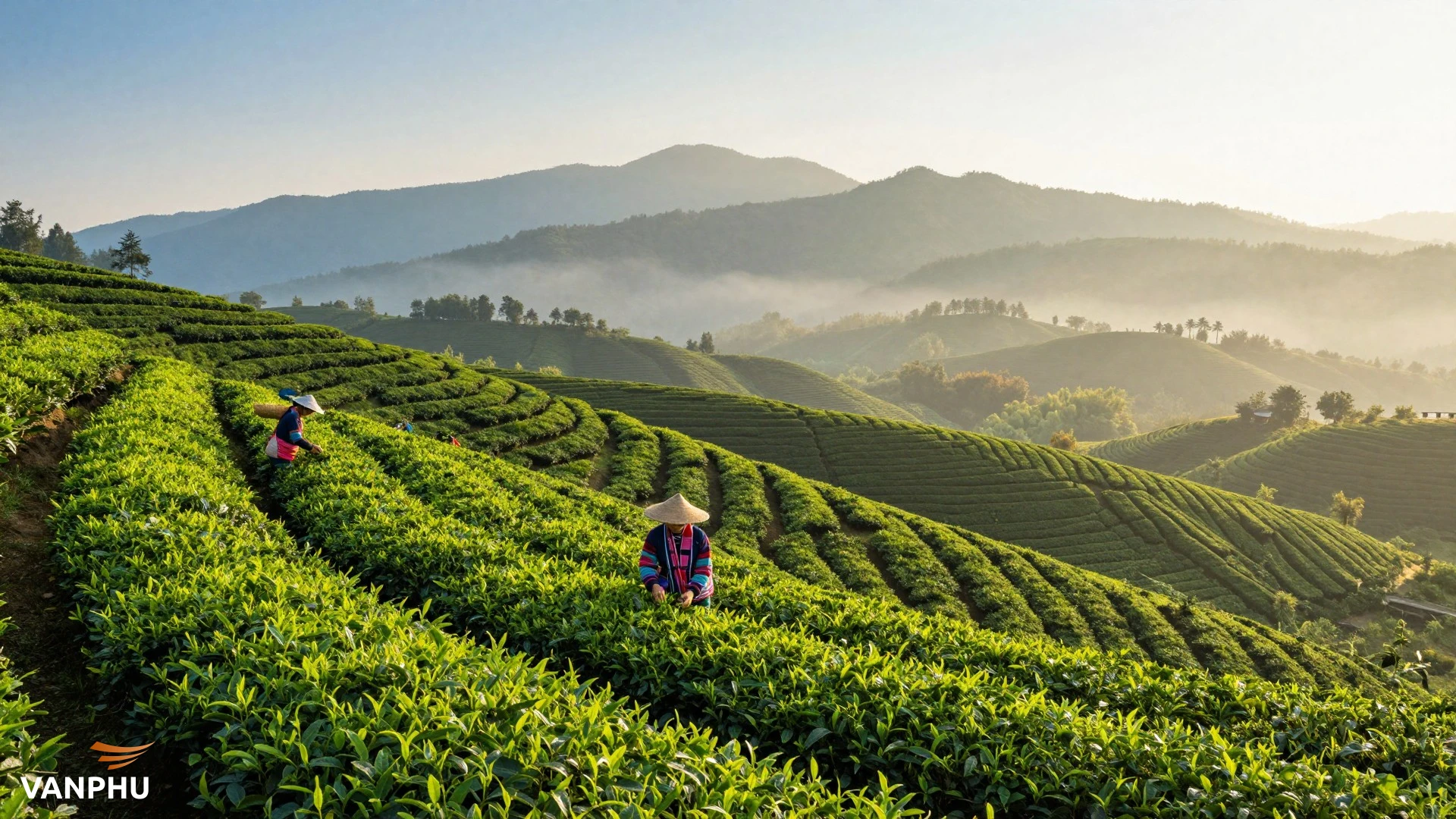
White tea, revered for its delicate nature and minimal processing, offers a truly unique tea experience. It stands apart from its more robust counterparts, demanding a gentle touch to unlock its full potential [2]. Many tea enthusiasts, however, find brewing white tea a challenge. They often end up with weak or bitter cups, missing the subtle sweetness and light floral notes that define this exquisite beverage. This comprehensive guide will transform your white tea brewing from guesswork into a confident ritual, ensuring every cup is a masterpiece.
We will explore the crucial variables of temperature and time, alongside essential equipment and techniques. By understanding these elements, you can consistently brew white tea that is silky, sweet, and clean-finished. Are you ready to elevate your tea-making skills?
Why does white tea require a special brewing approach?
White tea undergoes the least processing of all tea types [1]. The leaves are simply picked, withered, and dried. There is no rolling, no oxidation, and no roasting involved [1]. This minimal handling preserves the tea's delicate cell structure and its precious amino acids, especially L-theanine. These compounds are responsible for white tea's characteristic sweetness and smooth mouthfeel [1].
However, these delicate compounds are highly sensitive to heat. High temperatures can quickly break them down, leading to an astringent and flavorless brew [1]. Unlike a full-bodied black tea that can withstand boiling water, white tea cannot. Its inherent subtlety demands a different, more patient methodology to truly shine.
What essential equipment and ingredients do you need for perfect white tea?
Brewing exceptional white tea doesn't require an extensive setup, but quality essentials make a significant difference. Focusing on these tools enhances the delicate brewing process without overwhelming the tea's subtle character [2].
What brewing equipment is most important?
- Teapot or Gaiwan: Glass or ceramic vessels are ideal for temperature control and appreciating the tea's pale color [2].
- Digital Thermometer: Precise water temperature monitoring is crucial for optimal extraction [2].
- Timer: Accurate steeping time prevents over-extraction and ensures consistency [2].
- Kettle with Temperature Control: This offers variable temperature settings, providing unparalleled consistency [2]. If you don't have one, don't worry; there are simple methods to achieve the right temperature.
- Fine Mesh Strainer: This removes tea leaves while preserving delicate flavors.
- Small Measuring Spoon: Ensures proper tea-to-water ratios, which are vital for white tea.
What high-quality ingredients should you use?
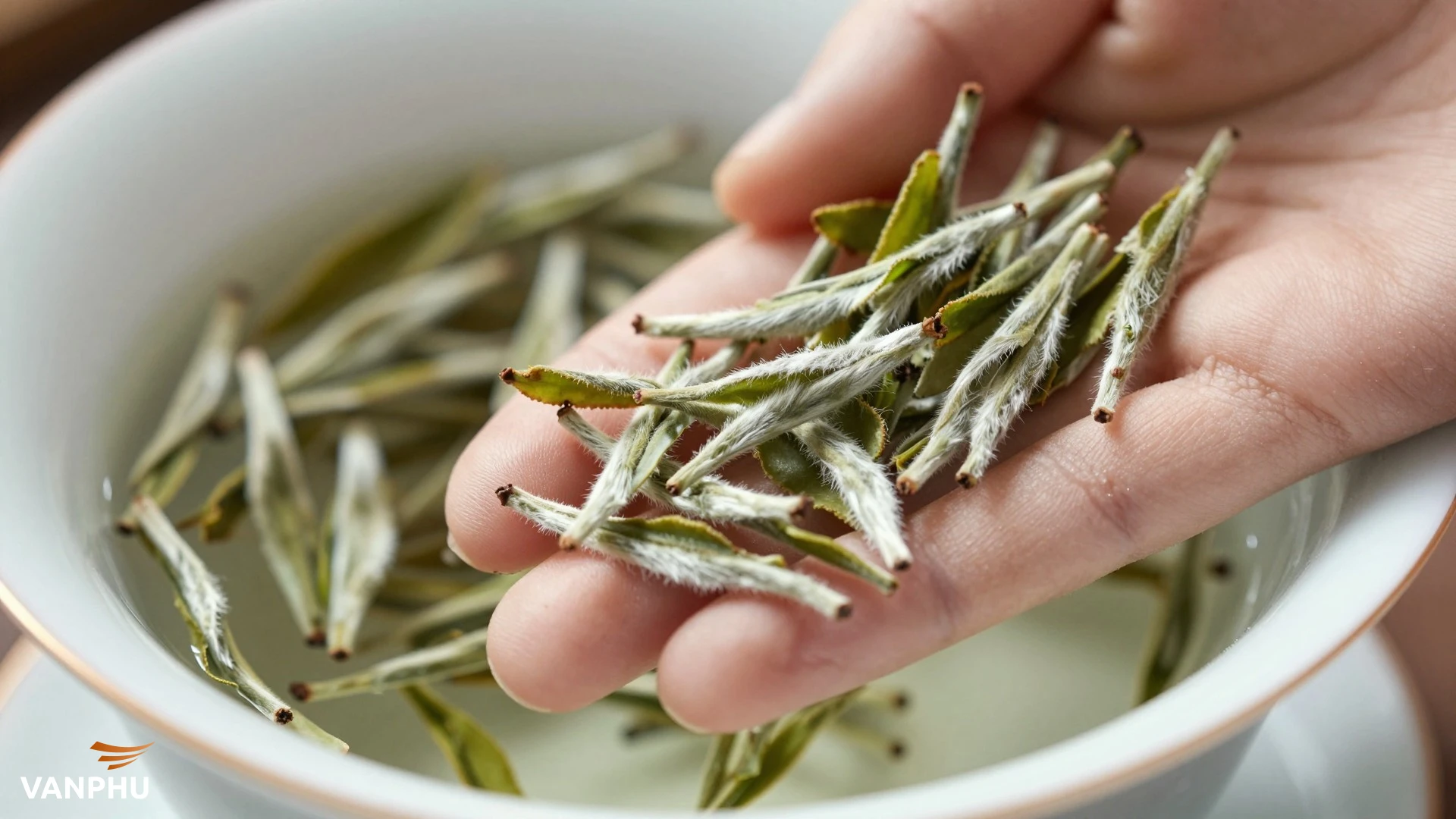
- White Tea Leaves: Invest in high-grade Silver Needle, White Peony, or Shou Mei. Fresh leaves should appear silvery with visible white downy hairs [2].
- Filtered Water: Pure water, free from chlorine and minerals, is paramount for flavor extraction [2].
How does water quality impact your white tea's flavor?
The quality of your water is perhaps the most overlooked, yet critical, component in brewing white tea. It forms the very foundation of your brew [3]. Using filtered or spring water is strongly recommended [3]. Tap water, especially if it's hard or heavily chlorinated, can introduce impurities that flatten and dull the tea's delicate flavors [5]. These unwanted elements can mask the subtle sweetness and nuanced notes you're trying to extract.
A good water source allows the true character of the white tea to emerge. It ensures a clean, vibrant taste profile. Think of it as a canvas; you want the purest canvas possible to showcase the tea's natural artistry. Without good water, even the finest white tea can taste mediocre.
What is the ideal water temperature for brewing white tea?
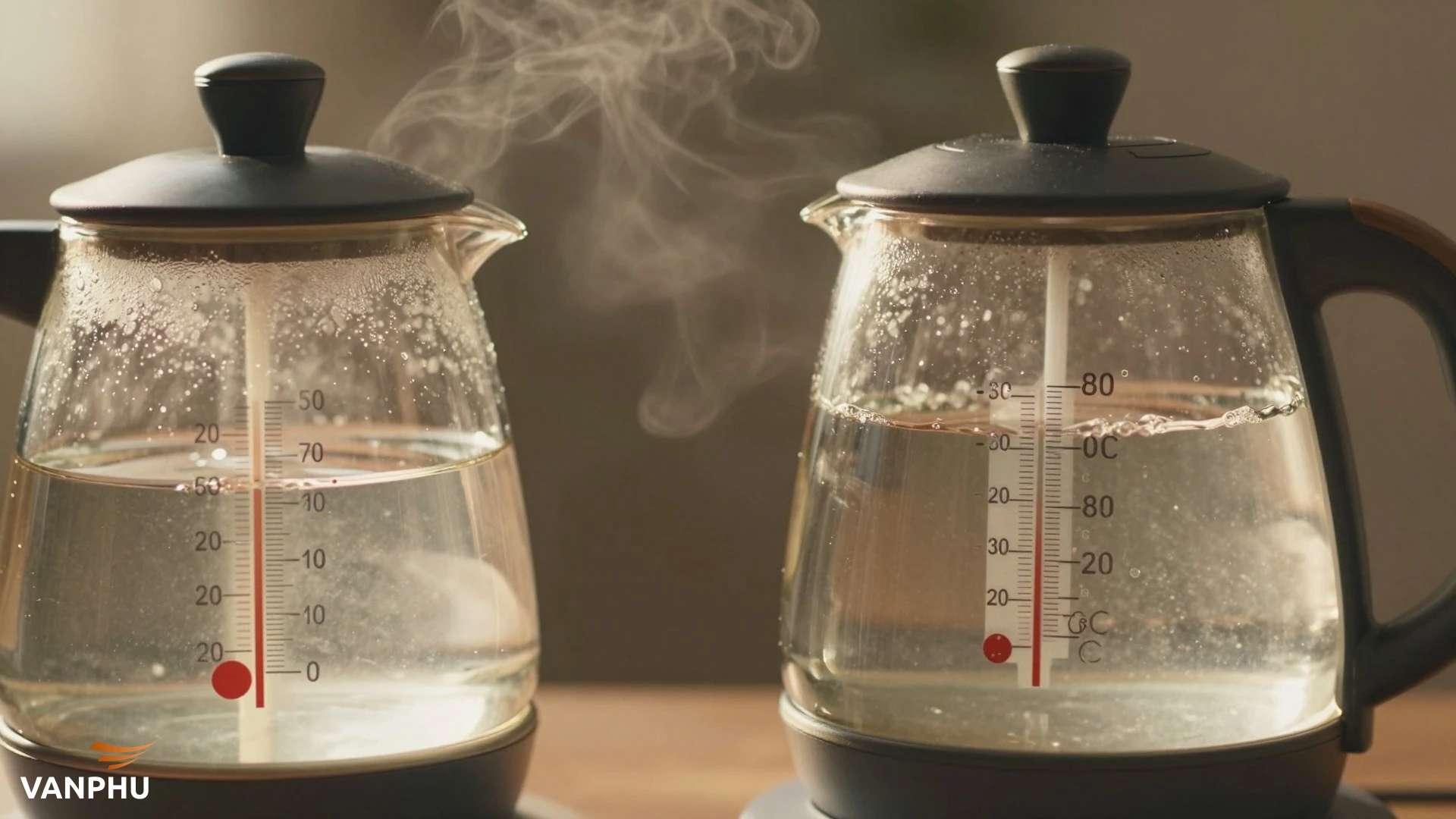
White tea is exceptionally sensitive to high temperatures, making precise water temperature a non-negotiable factor. The ideal brewing temperature for most white teas falls between 70-80°C (170-180°F) [1], [3]. This is significantly lower than black tea and even green tea [1]. Why such a lower temperature?
Excessive heat destroys the delicate flavors and creates bitterness [4]. At 70-80°C, the tea leaves open slowly, allowing sugars and amino acids to dissolve gently into the water without overwhelming tannins [1]. Going above 85°C (185°F) can quickly extract astringency, masking the tea's natural character [1]. For bud-only white teas like Silver Needle, this sensitivity is even more pronounced.
How can you achieve the right temperature without a special kettle?
If you don't own a variable-temperature kettle, don't despair. You can still achieve the perfect temperature with a bit of patience. Bring your water to a full boil, then remove it from the heat and let it sit with the lid off for 5-7 minutes [1], [4]. This cooling period will bring the water into the optimal range. The water should be hot enough to steam, but not violently bubbling [4]. For more robust or aged white teas, slightly higher temperatures, up to 90-100°C (195-212°F), can be beneficial to extract deeper complexity [5]. This is where tools like those from EON Tech can help monitor conditions.
How much white tea should you use per cup?
The leaf-to-water ratio is another critical factor often misunderstood with white tea. White tea leaves, especially varieties like Silver Needle, are bulky. Their whole buds and large leaves take up a lot of space relative to their weight [1]. Therefore, you generally need to use more white tea than you might for other tea types. A common guideline is to use 2 tablespoons (about 4-5 grams) per 250ml (8 ounces) cup [1]. This can be roughly double what you would use for a dense, rolled oolong.
If your white tea tastes thin and watery, the problem is almost always too little leaf, not too short a steep [1]. Increase the amount of tea before you consider extending the steeping time. For specific varieties, 1-2 teaspoons (2-4 grams) per 8 ounces is a good starting point [4]. Don't be afraid to be generous; white tea rewards a healthy leaf ratio.
What is the perfect steeping time for white tea?
Steeping time for white tea requires patience, but not passivity. Because white tea leaves have an intact cell structure and minimal processing, they release their flavors slowly [1]. This means white tea generally requires a longer steeping time than many green teas.
For the first infusion, aim for 4-5 minutes [1]. This extended period allows the delicate compounds to fully extract. Unlike other teas where longer steeping can lead to bitterness, white tea's low tannin content means it can handle these longer times without becoming harsh [4]. If you accidentally pour water that is a bit too hot, shorten your steep by 30-60 seconds to compensate [1].
How can you enjoy multiple infusions of white tea?
One of the true joys of high-quality white tea is its ability to yield multiple infusions. Many premium white teas can be steeped 4-6 times, with each infusion revealing a slightly different character [4]. The first steep often leans towards sweetness, while the second might bring out more body [1]. A third infusion can often have a gentle, hay-like quality [1].
For subsequent infusions, gradually increase the steeping time. The second steep can go for 5-6 minutes, and a third for 6-8 minutes [1]. Continue to increase the time by about 1-2 minutes for each additional infusion. This patient approach allows you to explore the full spectrum of flavors hidden within the leaves. Each infusion is a new discovery.
What are the step-by-step instructions for brewing perfect white tea?
Now, let's put it all together into a simple, step-by-step guide for your brewing ritual:
- Warm Your Teapot: Pour some hot water into your teapot or gaiwan, swirl it around, and then discard it [3]. This preheats the vessel, helping maintain the optimal brewing temperature.
- Measure and Add Tea: Use the recommended amount of white tea leaves (2 tablespoons or 4-5 grams per 250ml cup) [1]. Place them directly into your warmed teapot.
- Heat Water Carefully: Heat your filtered water to the ideal temperature of 70-80°C (170-180°F) [1]. Remember to boil and cool if you don't have a temperature-controlled kettle.
- Rinse the Leaves (Optional): For aged white teas or compressed cakes, a quick rinse can "awaken" the tea [4]. Pour a small amount of hot water over the leaves and immediately discard it. Fresh white teas usually don't need this step.
- Pour and Steep: Gently pour the hot water over the tea leaves, ensuring they are fully immersed [3]. Set your timer for 4-5 minutes for the first infusion.
- Strain and Serve: Once the steeping time is complete, strain the tea into your cup, separating the leaves from the liquor. Enjoy your perfectly brewed white tea.
What common mistakes should you avoid when brewing white tea?
Even with the best intentions, it's easy to make mistakes that can diminish your white tea experience. Being aware of these pitfalls will help you achieve a consistently excellent brew.
- Water Too Hot: This is the most frequent error [1]. Boiling water destroys the delicate subtleties that make white tea prized. It extracts bitterness and can completely mask the natural sweetness.
- Too Little Leaf: If your white tea tastes thin, weak, or watery, the problem is almost always insufficient tea leaves [1]. White tea's bulkiness means you need more volume than you might expect.
- Rushing the Steep: White tea needs time for its flavors to slowly unfurl. Cutting the steeping time short will result in an under-extracted, flavorless cup.
- Using Poor Water Quality: Tap water with high mineral content or chlorine can significantly impact the taste, making the tea dull or off-putting. Always opt for filtered or spring water [2].
How do different white tea varieties influence brewing?
The world of white tea offers a diverse range of flavors, and understanding the characteristics of different varieties can further refine your brewing technique [3]. Each type has slightly different optimal conditions.
- Silver Needle (Bai Hao Yin Zhen): This premium tea consists solely of unopened buds. It's known for its sweet, floral aroma with hints of honey and a smooth finish [3]. Brew at the lower end of the temperature spectrum (175-180°F / 79-82°C) for 5-6 minutes [4].
- White Peony (Bai Mu Dan): This variety includes both buds and young leaves. It offers a more robust flavor than Silver Needle, with notes of grassiness, floral hints, and a slightly more astringent finish [3]. A slightly higher temperature (175-185°F / 79-85°C) for 4-5 minutes works well [4].
- Shou Mei (Tribute Eyebrow): Made from more mature leaves, Shou Mei is a less expensive option. It has a fuller body with earthy notes and a subtle sweetness [3]. It can handle temperatures up to 180-185°F (82-85°C) for 4-5 minutes [4].
- Aged White Tea: White teas aged for three years or more develop deeper, more complex flavors. These teas can tolerate and even benefit from higher brewing temperatures, often 185-195°F (85-90°C), and longer steeping times (5-7 minutes) to extract their rich character [4], [5].
Understanding these subtle differences allows you to tailor your brewing to the specific tea in your cup. This ensures you unlock its unique potential.
What are some advanced tips for mastering white tea?
Beyond the basic guidelines, a few advanced practices can elevate your white tea brewing to an art form. Remember, perfecting white tea is less about rigid rules and more about attentive experimentation [5].
- Experiment with Ratios and Times: Don't be afraid to adjust the leaf-to-water ratio or steeping time slightly based on your personal preference and the specific tea. What tastes perfect to one person might be too strong or too weak for another.
- Consider Cold Brewing: For a naturally sweet and incredibly smooth brew, try cold brewing. Simply add white tea leaves to cold filtered water and let it steep in the refrigerator for 6-12 hours [5]. This method extracts sweetness without any bitterness.
- Proper Storage is Key: Store your white tea in an airtight container, away from light, moisture, and strong odors [2]. This preserves its freshness and delicate flavors for longer.
- Mindful Ritual: Embrace the process. The act of brewing tea can be a meditative experience. Pay attention to the aroma, the unfolding leaves, and the changing color of the liquor. This mindful approach enhances the enjoyment of the final cup. You might find a similar mindful experience in a matcha morning ritual.
Why is experimentation crucial for discovering your perfect cup of white tea?
While guidelines provide an excellent starting point, the true mastery of white tea brewing lies in experimentation. There is no single "right" way to brew white tea; instead, various methods can highlight different aspects of its character [5]. You can emphasize sweet, flowery notes or draw out deeper, richer flavors depending on your approach. This journey of discovery is part of the joy of tea.
Trust your senses. Adjust the temperature, steeping time, and leaf quantity based on what tastes best to you. Every white tea is unique, and your palate is the ultimate judge. Embrace the process, learn from each brew, and you will consistently unlock the subtle elegance of this remarkable tea. The rewards are truly worth the effort.
More Information
- Minimal Processing: White tea undergoes the least processing of all tea types, typically involving only withering and drying, which helps preserve its delicate compounds and subtle flavors.
- L-theanine: An amino acid found in white tea that contributes to its characteristic sweetness, smooth mouthfeel, and often a calming effect.
- Silver Needle (Bai Hao Yin Zhen): A premium white tea made exclusively from unopened tea buds, prized for its delicate sweetness, floral aroma, and smooth finish.
- White Peony (Bai Mu Dan): A popular white tea consisting of both buds and young leaves, offering a slightly more robust flavor than Silver Needle with floral and grassy notes.
- Astringency: A dry, puckering sensation in the mouth, often caused by tannins. In white tea, it can result from brewing with water that is too hot, masking the tea's natural sweetness.