How can plant-based athletes fuel their performance with high-protein vegan meals?
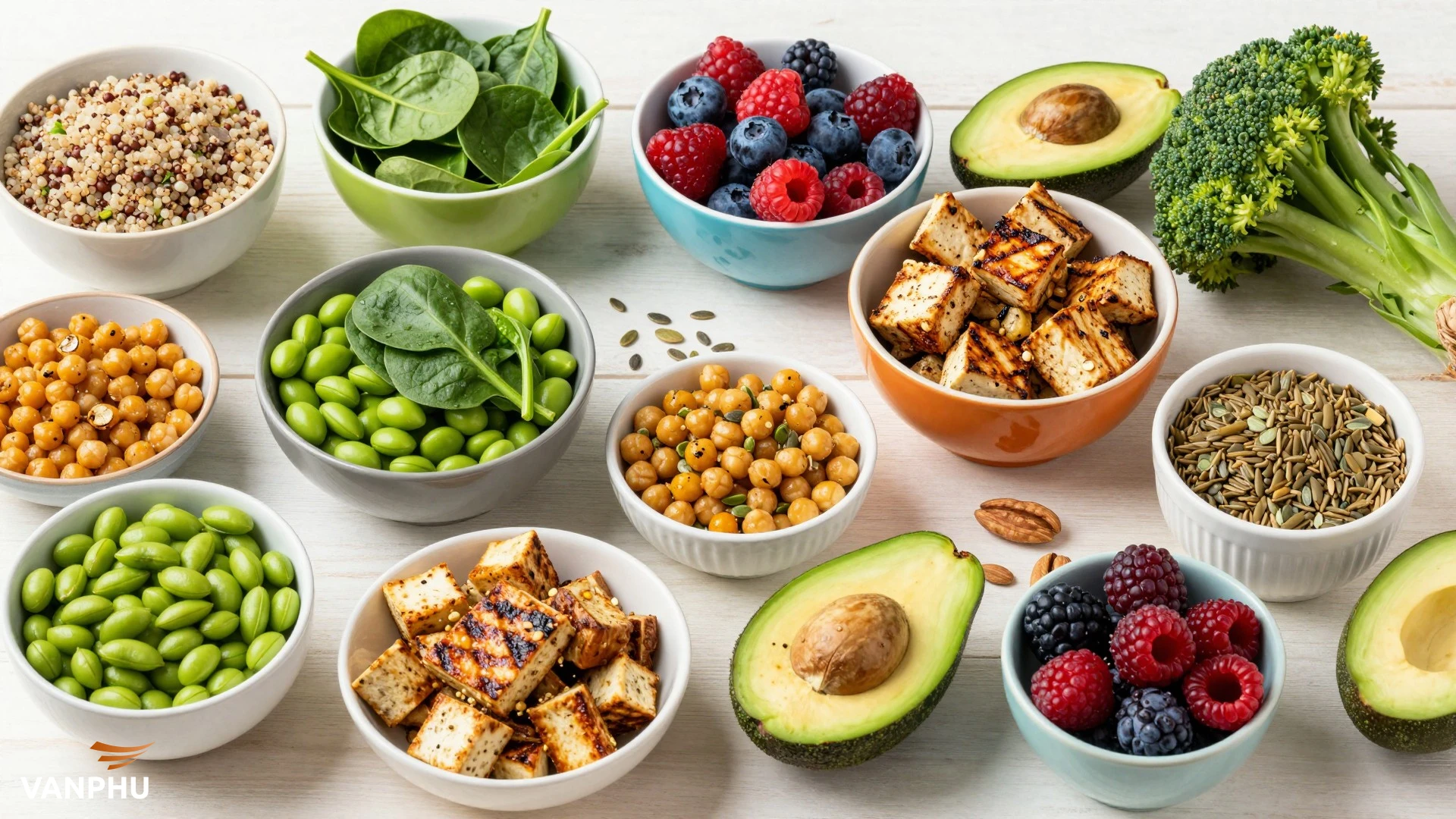
Many athletes often question whether a vegan diet can provide enough protein for optimal performance. This concern, however, is largely a misconception. A well-structured plant-based diet can easily meet and exceed protein requirements for muscle growth, repair, and athletic recovery. This article will guide plant-based athletes through the world of high-protein vegan meals. We will uncover the best plant-based protein sources and offer practical, delicious meal ideas for every part of your day.
Why is protein essential for plant-based athletes?
Protein serves as a cornerstone macronutrient for everyone, particularly for athletes. It plays a crucial role in muscle repair, growth, and the production of vital hormones and enzymes. For individuals adhering to a plant-based diet, ensuring adequate protein intake is paramount for maintaining strength and peak performance. Many plant-based foods naturally combine protein with fiber and essential micronutrients. This powerful blend promotes satiety and provides sustained energy, which is invaluable during rigorous training sessions.
What are the common myths about vegan protein?
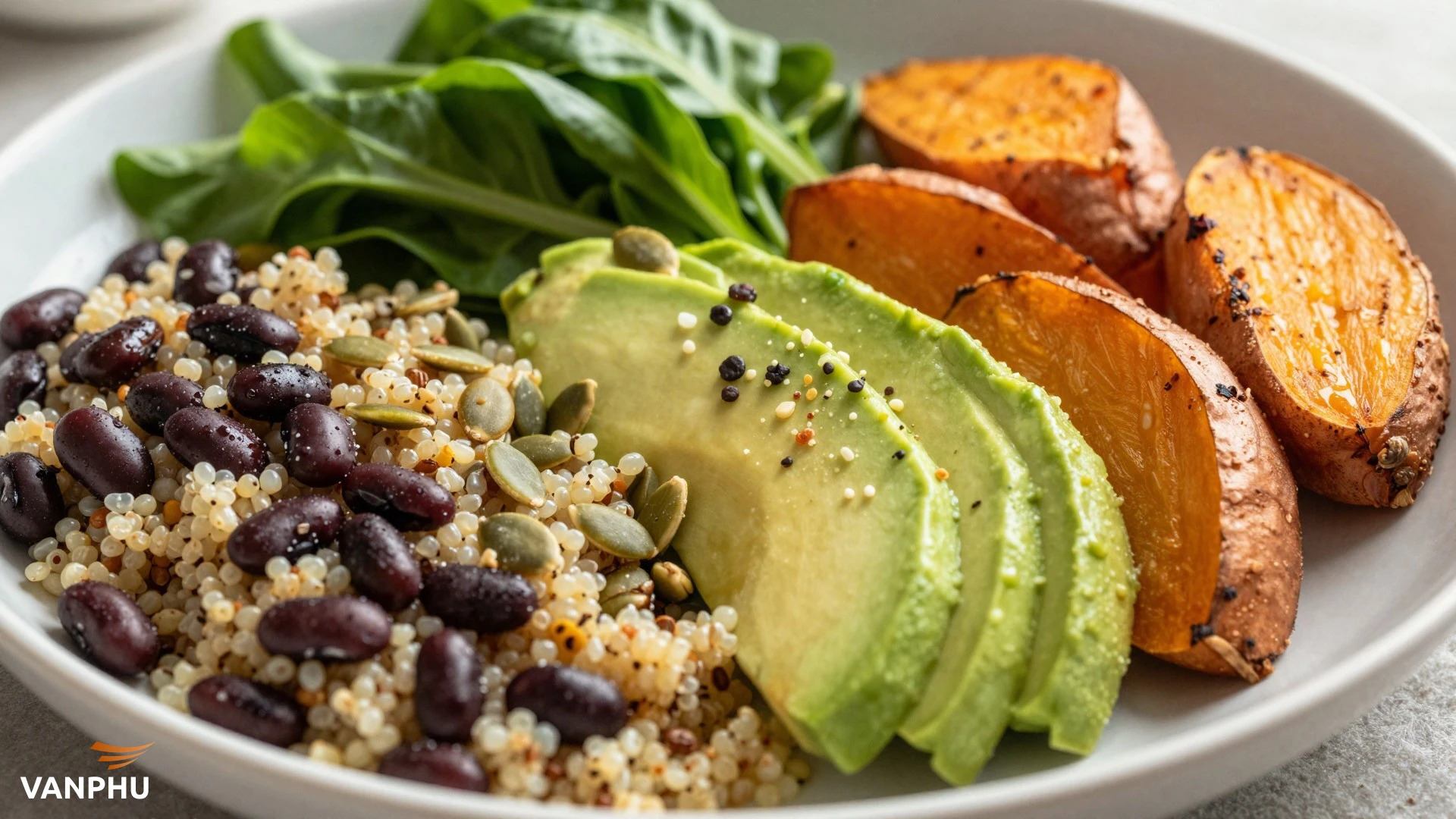
A persistent myth suggests that vegans struggle to consume sufficient protein [2]. However, true protein deficiency is quite rare, even among those on a vegan diet [2]. The notion of "incomplete" plant proteins is also outdated. By consuming a variety of plant foods throughout the day, you can easily obtain all essential amino acids. Many plant-based options offer substantial protein per serving, simplifying the process of meeting daily protein goals.
What are the best plant-based protein sources?
A wide array of plant foods can supply excellent protein. Integrating these into your daily meals ensures a balanced and nutrient-rich diet. Understanding these diverse sources is fundamental for successful plant-based eating, especially for athletes.
Which legumes and pulses are protein powerhouses?
Legumes and pulses form the backbone of any high-protein vegan diet. Lentils are an outstanding choice, boasting approximately 18 grams of protein per cup [2]. Chickpeas are another superb source, delivering around 20 grams of protein per cup [2]. Various beans, including pinto beans (15g/cup) and black beans (14g/cup), are also rich in both protein and dietary fiber [2]. These versatile ingredients enhance stews, salads, curries, and numerous other dishes.
How do soy products contribute to protein intake?
Soy-based foods are both incredibly versatile and protein-dense. Tofu, for instance, contains about 36 grams of protein in a single block [2]. Tempeh, a fermented soy product, provides approximately 31 grams per cup [2]. Edamame, which are young soybeans, offer around 17 grams of protein per cup [2]. These options excel in stir-fries, scrambles, and as effective meat alternatives. Seitan, derived from wheat gluten, stands out as another exceptionally high-protein plant food [1][3].
What grains and seeds offer significant protein?
Do not overlook the protein contributions from grains and seeds. Quinoa is notable, offering 8 grams of protein per cup [2]. Hemp hearts are also impressive, with 9.5 grams of protein per three tablespoons [2]. Chia seeds provide 4.5 grams per ounce, while pumpkin seeds deliver 12 grams per cup [2]. Almonds (7g/0.25 cup) and peanuts (7g/ounce) are also excellent choices [2]. These can be easily incorporated into breakfasts, salads, or enjoyed as quick snacks.
Can high-protein vegetables boost your intake?
Even vegetables play a role in achieving your protein targets. Certain vegetables, such as broccoli, mushrooms, and kale, contain noteworthy amounts of protein [1]. While their protein content may not rival that of legumes or soy, they add valuable nutrients and fiber to your meals. Combining them strategically with other protein sources creates a comprehensively nutritious dish.
How can you create high-protein vegan meals?
Crafting delicious and protein-packed vegan meals is often simpler than many people imagine. Numerous recipes are specifically designed to be both satisfying and highly nutritious. Let's explore some practical ideas tailored for different meal times.
What are some high-protein vegan breakfast ideas?
Beginning your day with protein can significantly boost energy levels and promote satiety. Consider vegan breakfast potatoes, which are both flavorful and protein-rich [1]. Fruity protein smoothies, fortified with plant-based protein powder or high-protein additions like chia seeds and nut butter, offer a quick and convenient option [1]. Tofu scrambles or overnight oats with added protein sources are also excellent choices.
What are great high-protein vegan lunch options?
Lunch can be a vibrant and protein-filled affair. Try smoky oven-roasted vegetables paired with tofu, creating a truly filling meal [1]. An arugula and lentil salad provides high protein, iron, and fiber, and it can be prepared in just 12 minutes [1]. Vegan bibimbap bowls, featuring crunchy vegetables, tofu, and a peanut butter glaze, are another superb choice [1]. For a quick and tasty option, roasted red pepper hummus serves as an excellent snack or appetizer [2]. Furthermore, platforms like EON Tech can help you discover innovative recipes to simplify your meal planning. Perhaps you wonder how is AI transforming recipe creation for tech-savvy foodies?
Which high-protein vegan dinners are satisfying?
Dinner options are abundant for plant-based athletes. Vegan sloppy joes, often made with lentils or textured vegetable protein (TVP), are both satisfying and delicious [2]. Chickpea teriyaki bowls are ideal for meal prepping and provide a substantial protein boost [2]. A hearty chickpea and spinach curry utilizes common pantry staples for a warming, nutrient-rich dinner [4]. Other fantastic ideas include lentil bolognese, tofu stir-fries, or vegan lasagna crafted with a cashew-based ricotta [4][5]. Many of these dishes are perfectly suited for batch cooking, significantly easing weeknight meal preparation [4].
What are some excellent high-protein vegan snack options?
Snacks play a crucial role in maintaining sustained energy and consistent protein intake between main meals. Veggie protein snacks, frequently offering more than 15 grams of protein per serving, are highly recommended [1]. Options such as edamame, a handful of almonds or peanuts, or a small portion of roasted chickpeas can effectively keep hunger at bay. Relying solely on protein bars and powder-heavy shakes is often unnecessary, as whole food sources are generally preferred [3].
What are some practical tips for meal planning?
Effective meal planning can greatly streamline your high-protein vegan diet. Many recipes lend themselves well to meal prep, allowing you to cook once and enjoy multiple meals throughout the week [3][4]. Consider preparing large batches of dishes like vegan chili or lentil stew to freeze for particularly busy nights [4]. Utilizing tools like Cronometer can assist in tracking your macro and micronutrient intake, ensuring you consistently meet your nutritional goals [2]. Signing up for weekly high-protein meal plans can also eliminate the guesswork from your dietary regimen [1]. Moreover, understanding the transformative power of future technology can inspire new approaches to nutrition and food preparation. For more ideas, you can download our free app Easy Vegetarian![1] You can also find many recipes where each one uses whole food protein sources[3]. If you want to save a recipe, you can enter your email below and get it sent straight to your inbox.[2] This roundup includes quick soups that freeze well for easy meal prep [4].
Conclusion
This article effectively debunks the myth that vegan diets lack sufficient protein, showcasing the vast array of protein-rich plant-based foods available. From versatile lentils and tofu to nutrient-dense quinoa and various seeds, plant-based athletes have abundant options to fuel their bodies efficiently. By thoughtfully incorporating a diverse range of these sources into well-planned meals and snacks, athletes can effortlessly meet their protein requirements. This comprehensive approach supports optimal athletic performance, accelerates muscle recovery, and contributes significantly to overall well-being.
More Information
- Legumes: A family of plants including beans, peas, and lentils, known for their high protein and fiber content. They are a staple in many plant-based diets for their nutritional value.
- Tempeh: A traditional Indonesian food made from fermented soybeans. It has a firm texture and nutty flavor, offering a significant amount of protein and probiotics.
- Seitan: A food made from wheat gluten, often used as a meat substitute. It is highly versatile and boasts one of the highest protein contents among plant-based foods.
- Mycoprotein: A protein-rich food source derived from a fungus, often found in products like Quorn. It provides a complete protein and is a popular option for vegetarian and vegan diets.
- Macronutrients: Essential nutrients that the body needs in large amounts, including carbohydrates, fats, and proteins. They provide energy and are crucial for various bodily functions.