How can tea rituals enhance deep focus for remote workers?

In today's fast-paced world, remote workers often face unique challenges in maintaining focus and productivity. The lines between work and personal life can blur, leading to increased distractions and a constant feeling of being overwhelmed. Many turn to quick fixes like extra coffee, but these often lead to jitters and energy crashes. What if there was a more mindful, sustainable way to cultivate deep focus?
Mindful tea rituals offer a powerful antidote to this modern dilemma. They provide a structured pause, transforming a simple beverage into a profound practice for mental clarity and calm alertness. This isn't just about drinking tea; it's about intentionally slowing down, engaging your senses, and creating a dedicated space for concentration. By embracing these ancient traditions, remote workers can unlock a deeper level of focus, reduce stress, and enhance their overall well-being.

What makes mindful tea rituals essential for remote worker well-being?
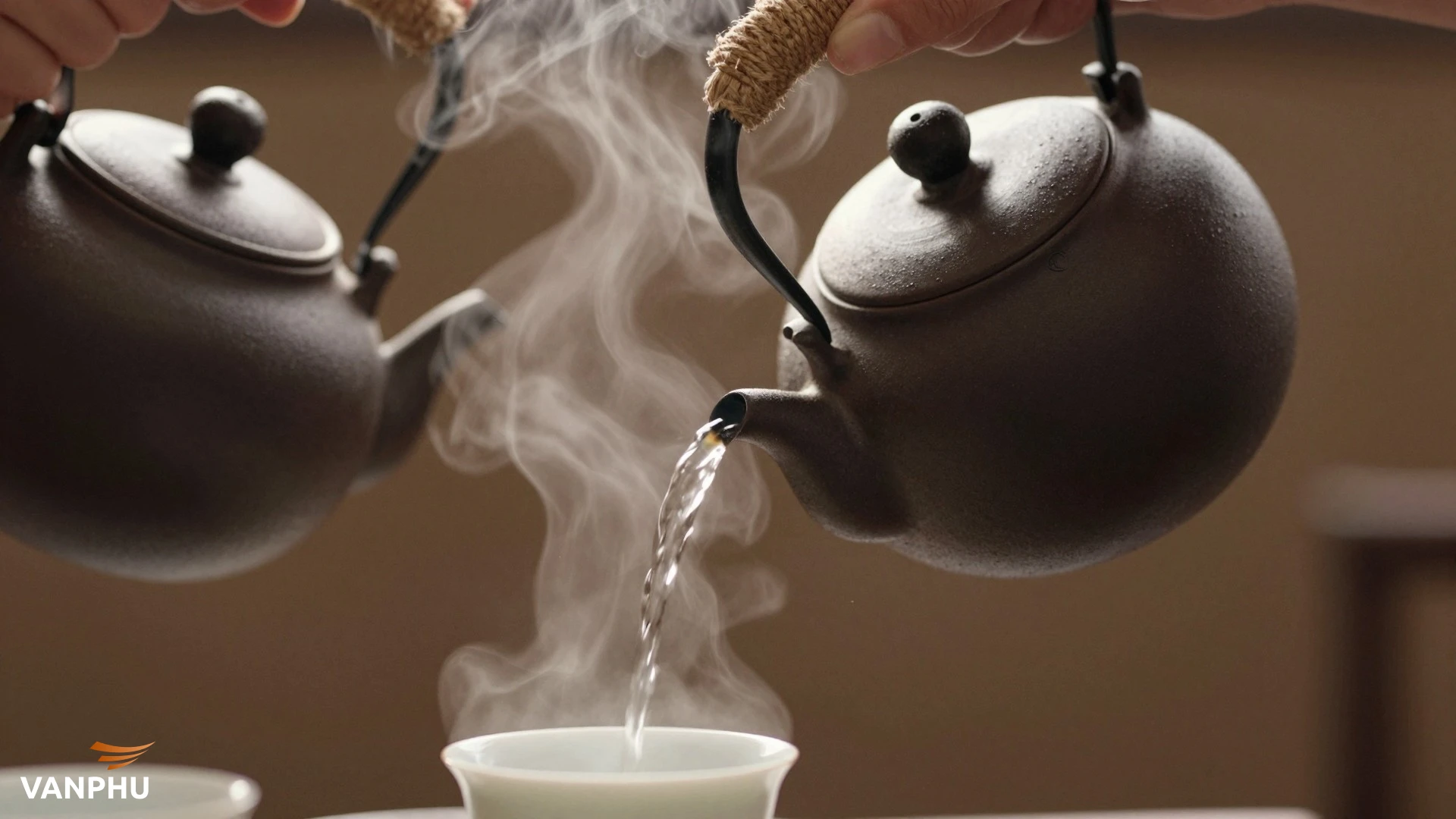
The connection between tea and mindfulness is deeply rooted in centuries of tradition, particularly within Zen Buddhist practices from China and Japan [1]. These rituals were not merely about consuming a drink; they were designed to train the mind, fostering presence, calm, and clarity. For remote workers, this inherent "slowness" of the ritual is incredibly beneficial. The careful, step-by-step process of preparing tea—warming the pot, rinsing leaves, timing the brew—naturally slows the body and quiets the mind, demanding complete attention [1].
This intentional approach helps to cut through the constant digital noise and multitasking that often define remote work. It creates a clear boundary, signaling to your brain that it's time to shift gears from distraction to focused attention. The practice itself becomes a moving meditation, helping you to stay grounded and present. [2]
Can tea rituals truly reduce stress and improve productivity?
Absolutely. The scientific benefits of tea, combined with the mindful practice, create a potent formula for enhanced well-being and productivity. One key compound is L-theanine, an amino acid found primarily in green tea. L-theanine promotes relaxation without causing drowsiness [3]. When paired with caffeine, which is also present in many teas, it creates a unique state of "calm alertness." This is ideal for sustained focus, unlike the sometimes jittery effects of coffee [1].
Research consistently shows that taking short, intentional breaks throughout the day significantly improves cognitive function and overall productivity. A mindful tea ritual serves this purpose perfectly. Instead of mindlessly scrolling through social media during a break, engaging with tea encourages reflection and resetting. Over time, this practice can lead to reduced stress, enhanced creativity, and sharper decision-making abilities [3]. The harmony between tea and meditation can be seen in their shared emphasis on focused attention, ritual, and deep sensory engagement [1].
How can remote workers create their own focused tea ritual?
Creating a personal tea ritual doesn't require elaborate ceremonies; it's about intentionality. The beauty of this practice is its adaptability to any lifestyle, whether you're using rare leaves or a simple tea bag [2]. The key is to be fully present with your tea.
What is the first step in choosing the right tea for focus?
Start by selecting a tea that aligns with your needs and preferences. Green and white teas are excellent choices for mental clarity due to their L-theanine content. Herbal blends like peppermint can invigorate, while chamomile or lavender can calm an overactive mind. Experiment with different varieties to discover which flavors and aromas best support your focus [3]. For example, white tea is often associated with purity, green for clarity, and oolong for depth [1].
Why is dedicated time crucial for an effective tea ritual?
To truly reap the benefits, set aside uninterrupted time. Even a brief 5-10 minute window can make a significant difference. Find a quiet space where you won't be disturbed. This dedicated period signals to your brain that it's time to slow down and focus, easing your transition into a mindful state [3]. It's an opportunity to reclaim moments of real presence in a distracted life [1].
How can sensory engagement deepen the focus experience?
Mindfulness is all about engaging fully with the present moment. As you prepare your tea, pay attention to every detail: the scent of the dry leaves, the sound of the water heating, the color of the infusion, and the warmth of the cup in your hands. When you sip, notice the taste, texture, and subtle nuances of the tea. This rich sensory engagement anchors your mind and enhances your ability to concentrate [3]. It's a practice of paying attention, a way of savoring life [5].
Should you pair your tea ritual with other mindful practices?
Yes, pairing your tea ritual with a short focus exercise can amplify its effects. This could involve setting an intention for your workday, practicing deep breathing, or even some gentle stretches. Some remote workers find journaling during their tea ritual helps to clear their minds and organize thoughts [4]. The important thing is to make it a personal practice that supports your individual focus needs.
What are specific tea rituals for different times of the remote workday?
Tailoring your tea ritual to different times of the day can optimize its benefits, helping you to awaken with purpose, sustain energy, and unwind gracefully.
How can a morning tea ritual set a productive tone?
Your morning tea ritual can powerfully set the tone for your entire day [4]. It's a sacred first hour, an opportunity to practice mindfulness and set intentions. Begin by finding a quiet corner. Mindfully prepare your tea, observing the dry leaves and setting an intention for the day. As it steeps, practice deep breathing and express gratitude. Mindful sipping, noticing the aroma and flavors, can prepare your mind for focused work [4].
What kind of tea is best for morning focus?
For morning focus, energizing options are ideal. Green tea provides gentle caffeine with L-theanine for focused energy. Breakfast chai offers warming spices to kickstart metabolism, while white tea delivers subtle energy with maximum antioxidants [4]. These teas offer a smoother, more sustainable boost compared to coffee, which can sometimes lead to energy crashes [3].
How can an afternoon tea ritual combat the mid-day slump?
The mid-day slump is a common challenge for remote workers. An afternoon tea ritual can be a perfect way to reset and regain concentration. It acts as a mental break, allowing you to step away from your screen, refresh your mind, and return to tasks with renewed vigor. This ritual can prevent decision fatigue and improve sustained attention for the rest of your workday.
Why is an evening tea ritual important for winding down?
An evening tea ritual is crucial for transitioning from the demands of the day to restful sleep. It helps you unwind, release tension, and prepare your body and mind for restorative sleep [4]. This practice creates a clear boundary between work and rest, which is particularly vital for remote workers who often struggle to disconnect. Dimming the lights, lighting a candle, and playing soft music can enhance this transition [4].
Which teas are ideal for evening relaxation?
For evening relaxation, choose calming, caffeine-free blends. Chamomile and lavender are well-known for their natural sleep support. Mint meditation teas can aid digestive ease and mental clarity, while rooibos offers a caffeine-free option for general relaxation [4]. These teas help to soothe the nervous system, making it easier to drift into a peaceful night's sleep.
What tools and tips can help sustain your tea focus journey?
Making mindful tea a consistent practice involves a few key elements, from essential tools to community support.
What essential tools simplify the tea ritual process?
While the essence of the ritual is mindfulness, certain tools can enhance the experience. A temperature-controlled kettle ensures optimal brewing. A timer helps maintain consistency. A special mug or tea set can elevate the sensory experience. For loose leaf tea, a good infuser or teapot is essential. Some remote workers also find a tea journal or a meditation cushion beneficial for deeper engagement [4]. Companies like EON Tech are exploring how smart home devices could integrate with mindful routines, perhaps even signaling optimal tea brewing times.
How can you make mindful tea a consistent habit?
Consistency is key to transforming a sporadic activity into a transformative ritual. Start small, perhaps with just 10 minutes a day. Choose one ritual first, like a morning focus tea, and gradually build from there. Try to practice at the same time and in the same location daily to establish a routine. Enhancing your ritual with aromatherapy, gentle stretches, or breathing exercises can also deepen the practice [4]. Leo Babauta, founder of Zen Habits, emphasizes that tea is a form of meditation, a way of being present and practicing paying attention [5].
Can community and connection enhance your tea practice?
Sharing your ritual journey can provide motivation and a sense of belonging. Consider joining online communities focused on tea meditation or mindfulness. Sharing photos of your ritual or discussing your experiences with others can reinforce the habit and offer new perspectives. Some platforms even host virtual tea ceremonies, creating a shared mindful experience despite geographical distance [4].
What is the lasting impact of embracing tea rituals for focus?
Embracing mindful tea rituals offers remote workers a profound path to sustained focus, reduced stress, and enhanced well-being. It's a practice that teaches intentional slowness in a world that often forgets stillness [1]. By integrating these simple yet powerful rituals into your daily routine, you're not just brewing a cup of tea; you're cultivating a calmer mind, sharper concentration, and a more balanced approach to your work and life.
The journey of creating meaningful tea rituals is personal and evolves naturally. It's not about perfection, but about the consistent, gentle effort to be present and find moments of peace and clarity. For remote workers navigating constant demands, these rituals can become an anchor, a reliable source of deep focus that empowers them to thrive.
More Information
- L-theanine: An amino acid found primarily in tea leaves, known for its ability to promote relaxation and calm alertness without causing drowsiness, especially when combined with caffeine.
- Gongfu Cha: A traditional Chinese tea ceremony emphasizing meticulous preparation and appreciation of tea, turning the brewing process into a mindful, graceful act.
- Chanoyu: The Japanese Way of Tea, a highly ritualized and aesthetic practice of preparing and serving matcha, deeply rooted in Zen Buddhist principles of presence and harmony.
- Mindful Preparation: The act of intentionally engaging all senses and paying full attention to each step of the tea-making process, from heating water to observing the leaves.
- Calm Alertness: A mental state characterized by heightened focus and concentration combined with a sense of tranquility and reduced anxiety, often achieved through the synergistic effects of L-theanine and caffeine in tea.