How can traditionalist cooks master the art of cast iron care?

Cast iron cookware holds a special place in many kitchens. It is celebrated for its incredible durability and versatility. With proper care, these pans can truly last for generations [3]. However, cast iron can seem mysterious to newcomers. This comprehensive guide will demystify cast iron care. It will help you confidently choose, use, and maintain your cast iron pieces.
What makes cast iron cookware so enduring and versatile?
Cast iron is essentially iron that has been melted, poured into a mold, and then cooled [1]. This process creates an incredibly resilient material. It is used for many things, including cookware [1]. Unlike modern nonstick pans that wear out quickly, cast iron improves with age. It builds a natural nonstick surface over time [3]. Understanding the unique composition of cast iron is crucial for proper care, as detailed in guides like this ultimate cast iron guide.
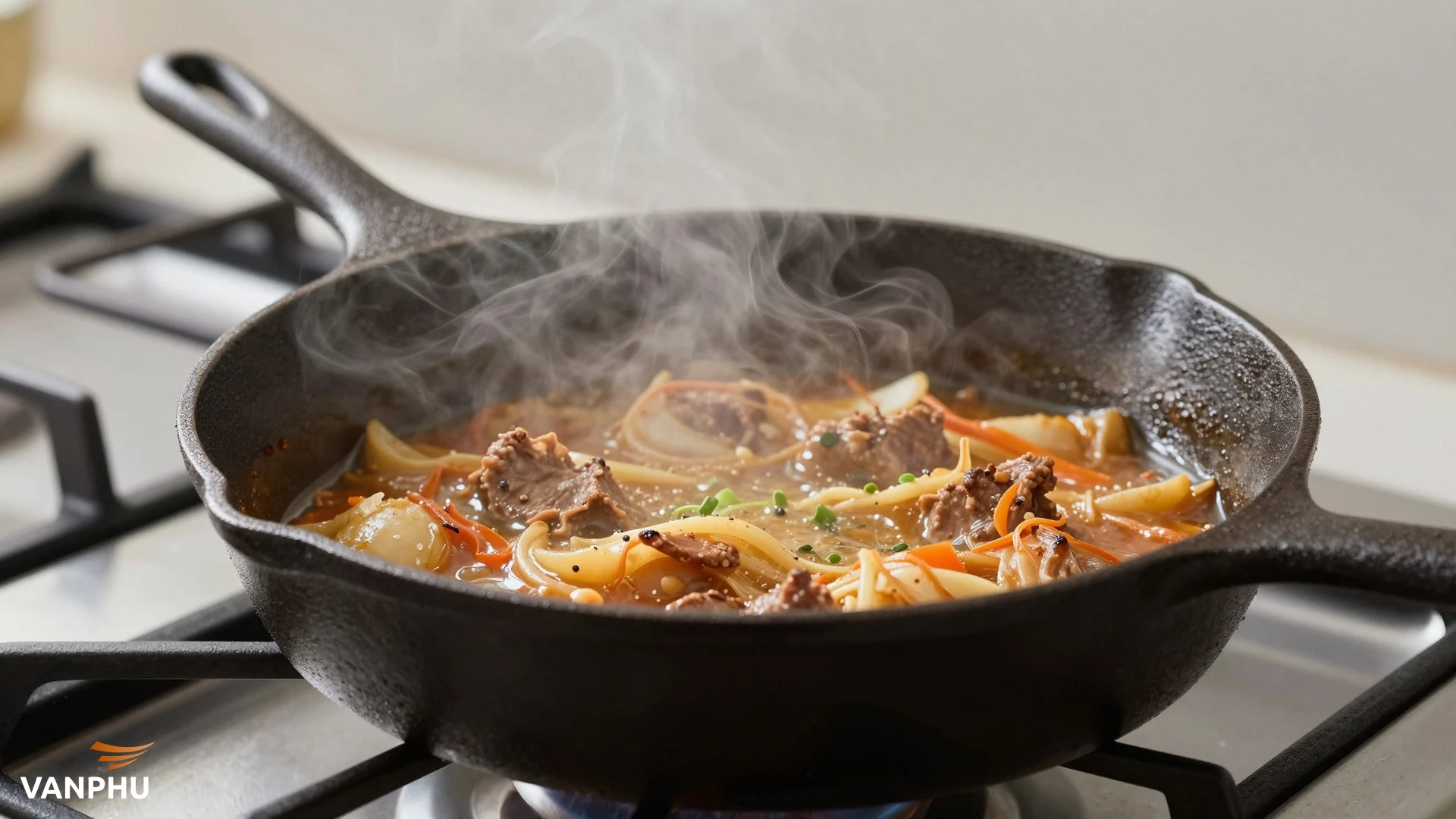
Its unique properties include excellent heat retention and even heat distribution [5]. This makes it ideal for searing meats, baking cornbread, or slow-cooking stews. Cast iron can move seamlessly from stovetop to oven [3]. Common types of cast iron cookware include skillets, Dutch ovens, grill pans, and griddles [1]. The secret to its longevity lies in proper maintenance. Understanding the science behind seasoning is key, much like how EON Tech applies innovative approaches to material science in other industries.
How do you properly season cast iron for optimal cooking?
Seasoning is crucial for cast iron. It involves baking oil onto the surface of the pan [1]. This process creates a layer of carbonized, polymerized oil [5]. This layer protects the iron from rust and provides a natural, easy-release cooking surface [2]. Many new cast iron pieces come pre-seasoned, like those from Lodge [1]. However, you should still clean and re-season new cookware before its first use [2].
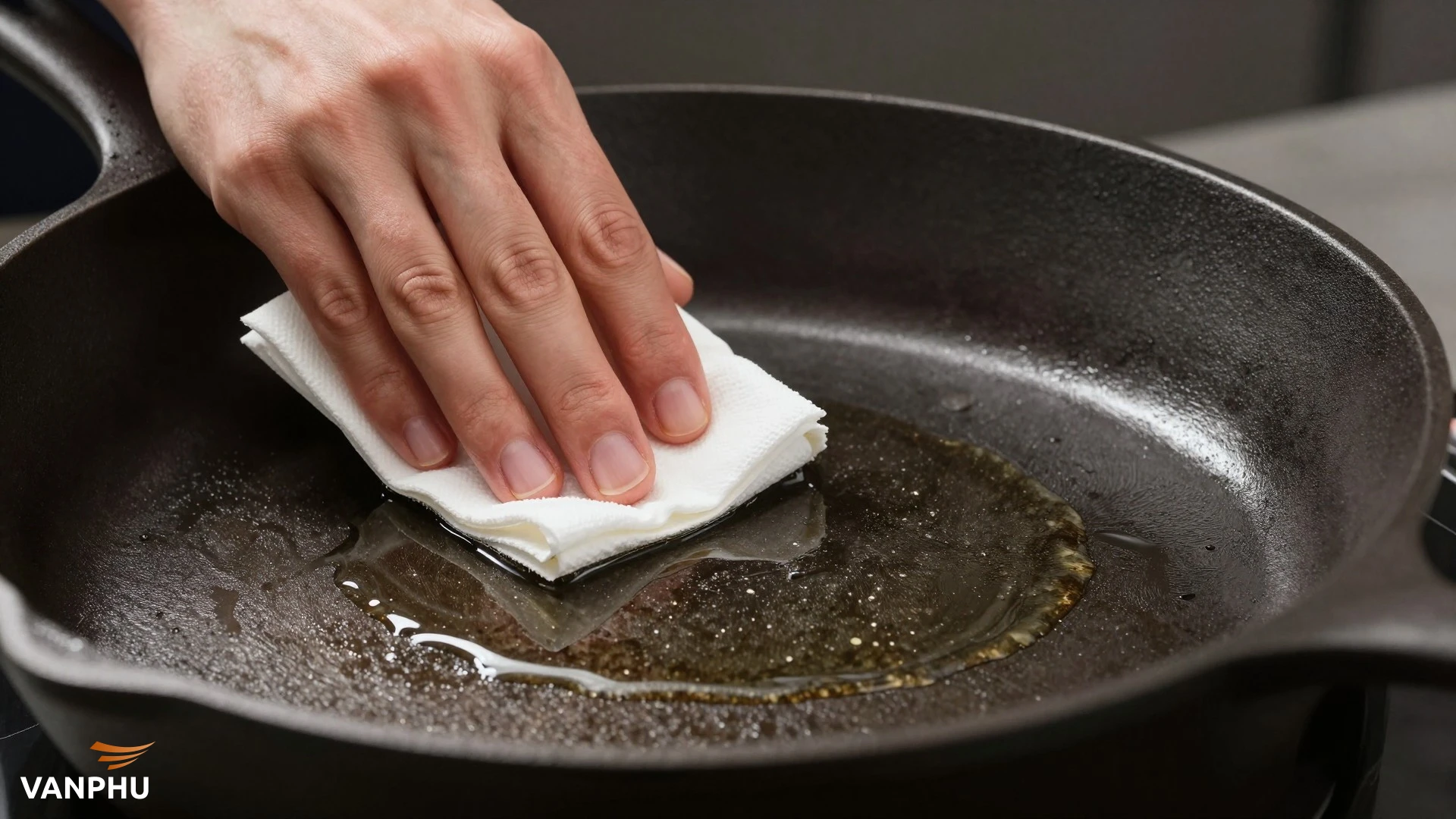
To season or re-season your cast iron, follow these steps:
- Wash the pan with warm water and a small amount of soap if necessary [3].
- Dry it completely with a towel. Then, place it on the stovetop over low heat for a few minutes to evaporate any remaining moisture [3].
- Apply a very thin layer of cooking oil over the entire pan. Use oils with a high smoke point, such as canola, grapeseed, or avocado oil [3]. Wipe off any excess until the pan looks satiny, not greasy [3]. Too much oil can result in a sticky surface [4].
- Place the pan upside down in a 400-450°F (200-230°C) oven. Bake for one hour [3].
- Turn off the oven and let the pan cool inside [3].
Repeat this process 1-3 times for the best initial seasoning [3]. This builds a strong, protective layer. Understanding financial planning can also help you invest in quality kitchen tools for the long run, much like learning why is budget living essential for cost-conscious scholars?.
What is the best way to clean cast iron after every use?
Cleaning cast iron properly is vital for its longevity. Contrary to old beliefs, you can use a small amount of mild soap [3]. Just avoid soaking the pan. After cooking, let the pan cool slightly, but not completely. Rinse it with warm water. Scrub gently with a stiff brush or a chainmail scrubber [3]. For stubborn food, use coarse salt as an abrasive [3].
Never put cast iron in the dishwasher. This will strip the seasoning and lead to rust [3]. Also, do not let it air dry. Water is the enemy of cast iron [3].
How can you maintain and store cast iron cookware effectively?
Consistent maintenance keeps your cast iron performing beautifully. After cleaning, dry the pan immediately and thoroughly with a towel [3]. To ensure all moisture is gone, place the pan on the stovetop over low heat for 1-2 minutes [3]. This crucial step prevents rust. Once dry, apply another very thin layer of cooking oil. Wipe off any excess with a paper towel. The pan should look lightly oiled, not greasy [3].
Regular use is another key to great cast iron. The more you cook with it, the better its performance becomes [3]. Foods like bacon, fried potatoes, and cornbread are excellent for building seasoning [3]. Store your cast iron in a dry place. Avoid stacking other cookware on top without a protective layer. This prevents scratches and moisture traps.
What common cast iron problems can you easily fix?
Even with the best care, issues can arise. Do not panic if you see rust. Rust is fixable [3]. To remove it, scrub the rusty areas vigorously. You can use steel wool or a strong abrasive brush for this [3]. After removing the rust, wash the pan thoroughly. Then, dry it completely and re-season it immediately. This restores its protective layer.
If your seasoning becomes sticky, it usually means too much oil was applied during seasoning [4]. To fix this, you might need to strip the sticky layer. Scrub it off with hot, soapy water and a stiff brush. Then, re-season the pan, making sure to wipe off almost all the oil before baking. Remember, a thin layer is key for a smooth, non-stick surface. For more detailed troubleshooting, consider resources like this comprehensive guide for beginners.
Why is investing time in cast iron care truly worthwhile?
Cast iron cookware is a fantastic investment for any kitchen. It offers unparalleled durability and performance. With just a little knowledge and effort, your cast iron pieces will last a lifetime [2]. They will even improve with every use. Embrace the tradition of cast iron cooking. Enjoy the rich flavors and lasting legacy it brings to your home. This commitment to care ensures your cookware becomes a cherished heirloom. It will serve many generations of cooks to come. Learn more about the long-term benefits at Buy It For Life. You can also explore how to make your home more sustainable by checking out what is sustainable green building technology, and why is it crucial for our future?.
More Information
- Cast Iron: A type of iron that has been melted, poured into a mold, and cooled, known for its exceptional durability, heat retention, and versatility in cookware and other applications.
- Seasoning: A protective layer of polymerized oil baked onto the surface of cast iron cookware, creating a natural non-stick surface and preventing rust.
- Polymerization: A chemical process where oil molecules bond together and to the iron surface when heated, forming a hard, plastic-like layer that is essential for cast iron seasoning.
- High Smoke Point Oil: Cooking oils that can withstand high temperatures before breaking down and smoking, ideal for seasoning cast iron as they polymerize effectively without burning.
- Patina: The dark, smooth, naturally non-stick finish that develops on well-maintained cast iron cookware over time, resulting from consistent use and proper seasoning.