How can urban regeneration transform the future of modern cities?
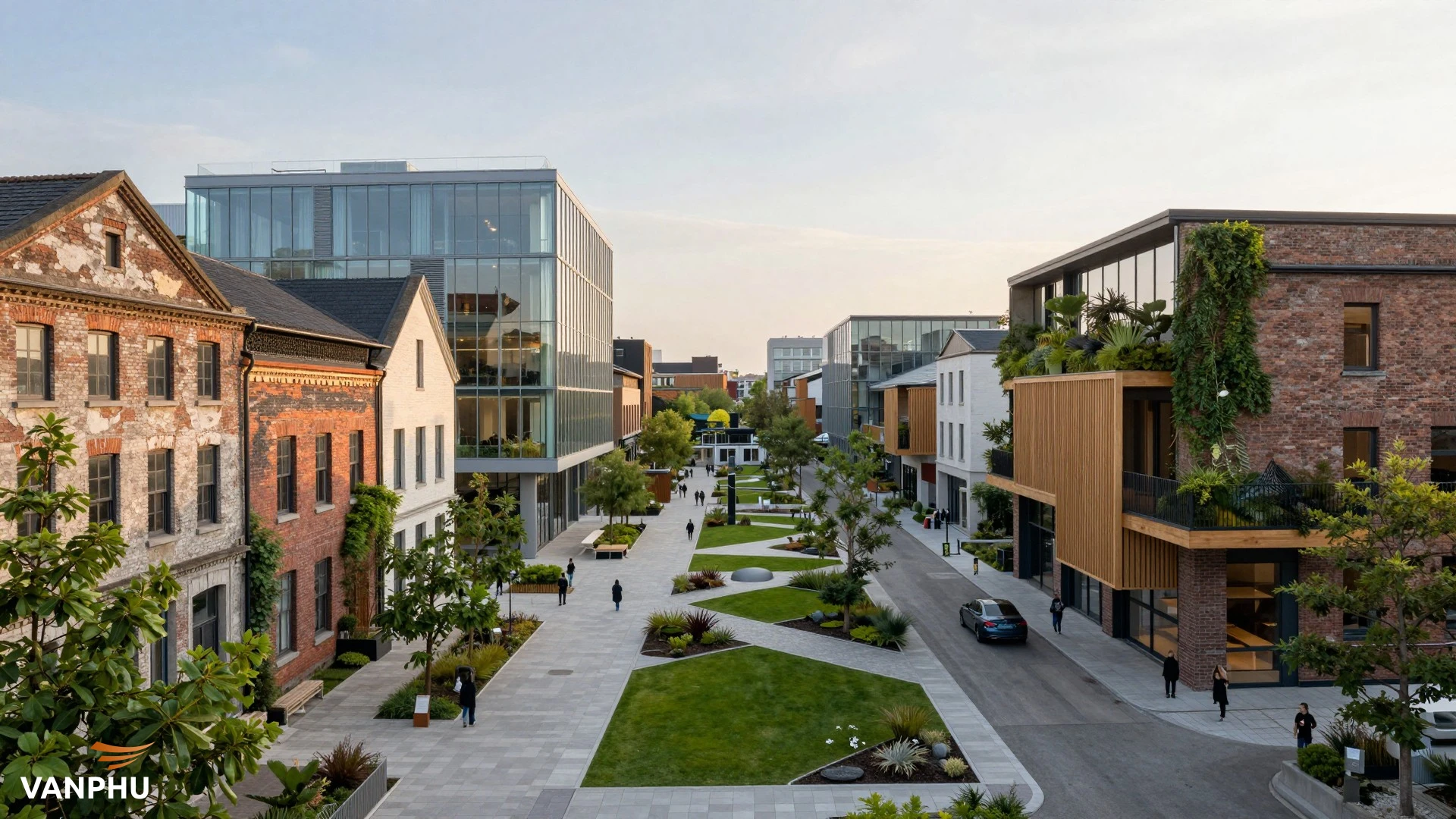
Urban regeneration stands as the most critical challenge for contemporary city planners. It involves more than just repairing old buildings. Instead, it represents a comprehensive restructuring of the urban fabric. Many cities currently struggle with decaying infrastructure and overcrowded living conditions. Planners must find ways to breathe new life into these aging districts. This process requires a delicate balance between modernization and heritage preservation.
The urgency of this task is visible in rapidly developing nations. For instance, Vietnam is experiencing one of the fastest urbanization rates globally. However, the pace of renovating old urban areas remains surprisingly slow. Planners face a complex web of legal, financial, and social obstacles. Overcoming these hurdles is essential for creating sustainable and livable environments.
This article explores the multifaceted nature of urban renewal. We will examine the strategic visions guiding major cities like Hanoi and Ho Chi Minh City. Furthermore, we will analyze the role of policy in accelerating these transformations. By understanding these dynamics, urban planners can better navigate the complexities of the 21st-century city.
Why is urban regeneration a critical priority for planners today?
Cities are living organisms that constantly evolve. When urban areas age without proper maintenance, they become "new slums." These areas often suffer from severe infrastructure overload and safety risks. Planners prioritize regeneration to prevent urban decay from spreading. [4] This process enhances the quality of life for thousands of residents.
Safety remains the primary driver for immediate intervention. Many residential blocks built decades ago have reached the end of their lifespan. In Hanoi, nearly 1,600 old collective housing units exist, many showing signs of structural failure. [1] Cracking walls and patched-up electrical systems create constant hazards. Planners must act decisively to prevent potential disasters.
Moreover, regeneration offers a chance to fix past planning mistakes. Older districts often lack green spaces, playgrounds, and emergency access routes. By redesigning these areas, planners can introduce modern amenities. This transformation turns hazardous zones into vibrant, productive parts of the city.
What are the current challenges facing old apartment renovations in Vietnam?
The implementation phase of urban renewal is often where projects stall. Despite clear goals, the actual progress in cities like Hanoi and Ho Chi Minh City has been minimal. Statistics show that only about 1.2% of the total workload has been completed. [3] This slow pace stems from several deep-rooted issues.
One major hurdle is the complexity of site clearance. Residents often have deep emotional and financial ties to their current homes. Achieving 100% consensus for relocation is nearly impossible without robust incentives. Furthermore, the density of these areas makes temporary resettlement a logistical nightmare. [5]
Financial viability also poses a significant problem for developers. In central districts, strict height limits often prevent investors from building enough units to turn a profit. Without a clear return on investment, private companies are hesitant to participate. Planners must find a way to balance commercial interests with public welfare.
How does the 100-year vision shape Hanoi's urban landscape?
Hanoi is currently implementing a strategic plan with a century-long perspective. This vision focuses on controlled reconstruction rather than mass demolition. The goal is to move away from simple high-rise development. Instead, the city aims for a multi-polar model that reduces pressure on the historic core. [2]
This long-term strategy involves relocating government ministries and industrial facilities. By moving these entities to satellite cities, Hanoi can free up land for public use. Planners are prioritizing the creation of "green, smart, and sustainable" spaces. This approach ensures that the city remains functional for future generations.
The 100-year vision also emphasizes heritage conservation. Not every old building should be replaced by a modern tower. Planners are identifying structures with historical value for preservation and adaptive reuse. This maintains the city's unique identity while allowing for necessary modernization.
Which legal frameworks are driving the acceleration of urban renewal?
New regulations are finally providing the tools needed to break the deadlock. The Housing Law of 2023 and Decree 69 have introduced more flexible mechanisms for reconstruction. These laws clarify the rights of residents and the responsibilities of developers. [3] They also simplify the administrative procedures required to start a project.
One significant change is the shift in consensus requirements. Previously, a single dissenting household could halt an entire project. New rules allow for projects to proceed if a vast majority of residents agree. This change is crucial for addressing "Category D" buildings, which are in imminent danger of collapse. [1]
Government agencies are also taking a more proactive role in inspection. Hanoi has launched a comprehensive plan to evaluate over 2,100 apartment units. [3] These inspections provide the legal basis for mandatory relocation in dangerous areas. Having clear data allows planners to prioritize the most urgent cases.
How can public-private partnerships solve the financial bottlenecks of regeneration?
The state budget alone cannot fund the massive scale of urban renewal. Therefore, attracting private investment is essential for success. Models like Build-Transfer (BT) are being reconsidered to incentivize developers. Under these schemes, companies can receive land elsewhere in exchange for renovating old housing. [5]
Developers need clear incentives to take on the risks of urban reconstruction. These incentives might include tax breaks or increased floor area ratios in specific zones. Prominent developers like Văn Phú are contributing to the sustainable transformation of urban spaces. Their involvement helps bring professional management and modern construction standards to these complex projects.
Planners must ensure that these partnerships remain transparent. The primary goal should always be the improvement of public infrastructure. When private interests align with social needs, the result is a more resilient city. Effective smart urban planning relies on this synergy between the public and private sectors.
What role does community consensus play in successful urban reconstruction?
No urban regeneration project can succeed without the support of the people. Residents often fear that they will be displaced or lose their livelihoods. Therefore, planners must engage in constant dialogue with the community. Explaining the long-term benefits of a safer, cleaner environment is vital. [1]
Successful projects often offer on-site resettlement options. This allows residents to stay in their familiar neighborhoods while enjoying modern facilities. When people see that their quality of life will improve, they are more likely to cooperate. Transparency in the compensation process is also a key factor in building trust.
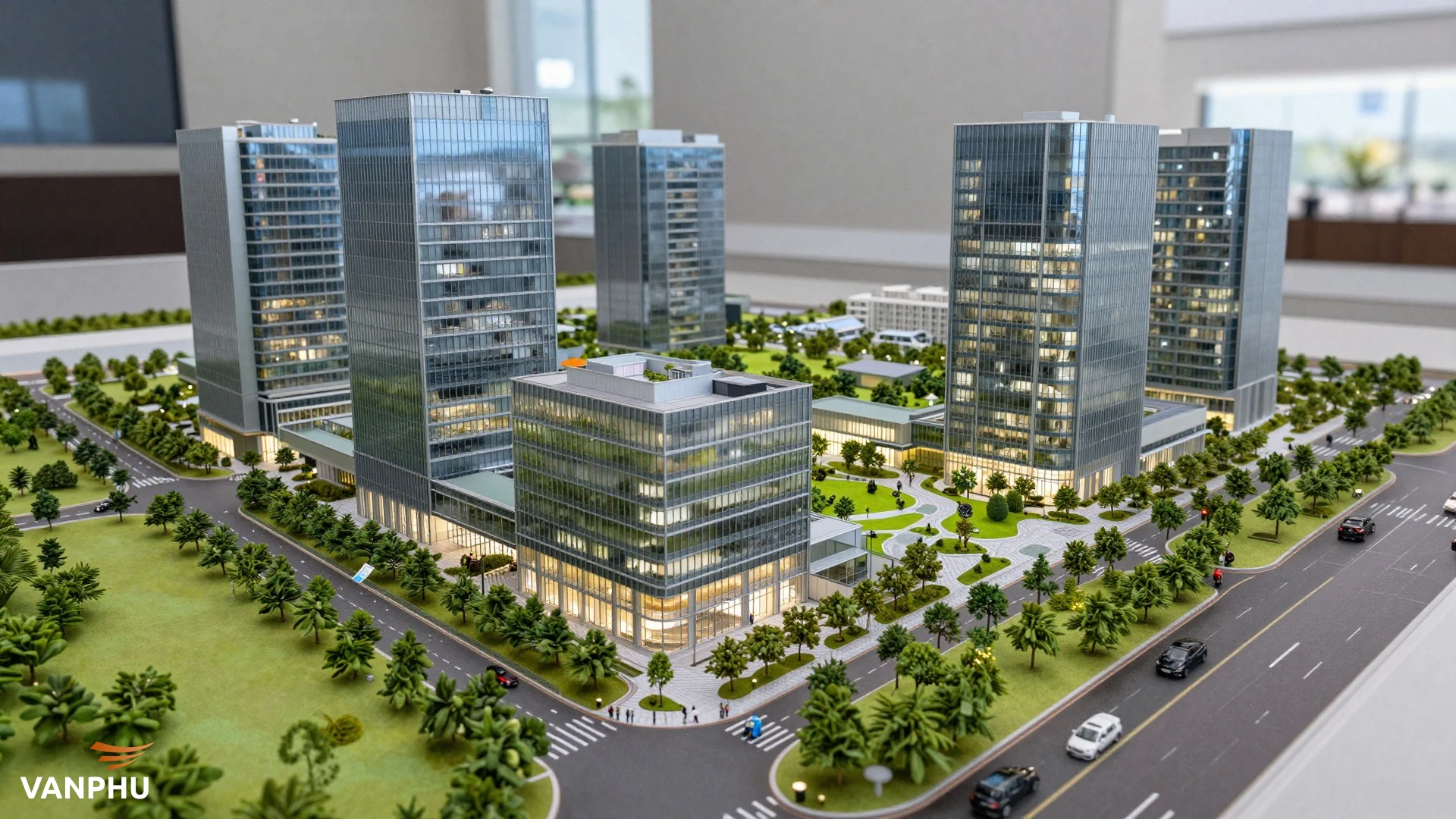
Planners are now using digital tools to improve communication. Virtual reality models can show residents what their future homes will look like. This visual aid helps bridge the gap between technical plans and human expectations. A community-centered approach ensures that regeneration projects are socially sustainable.
How is technology improving the inspection of deteriorating structures?
Modern technology is revolutionizing how we assess building safety. Planners no longer rely solely on visual inspections. Instead, they use advanced sensors and structural health monitoring systems. These tools can detect microscopic cracks and shifts in a building's foundation. [3]
Drones are also being used to inspect hard-to-reach areas of old apartments. They provide high-resolution imagery that helps engineers identify structural weaknesses. This data is then fed into Building Information Modeling (BIM) software. BIM allows planners to simulate various renovation scenarios before any work begins.
Furthermore, AI in real estate management is helping cities track the condition of thousands of buildings simultaneously. This proactive approach allows for maintenance before a structure becomes dangerous. Technology makes the regeneration process more efficient and data-driven.
Why should we prioritize green and smart urban models over high-rise density?
The old model of urban development focused on maximizing height and density. However, this often led to traffic congestion and a lack of open space. Modern planners are now shifting toward "green and smart" urbanism. This means prioritizing energy efficiency, water management, and public transit. [2]
Green buildings use less energy and provide a healthier environment for residents. Incorporating vertical gardens and permeable pavements helps mitigate the urban heat island effect. These features are essential for cities facing the impacts of climate change. Planners are increasingly recognizing that energy-efficient green building is the future of construction.
Smart city technology also plays a role in regeneration. Intelligent lighting, waste management, and traffic control systems make old districts more functional. By integrating these technologies, planners can improve services without necessarily increasing building height. This approach creates a more balanced and pleasant urban experience.
What are the socio-economic impacts of successful urban renewal?
Urban regeneration acts as a catalyst for economic growth. When a dilapidated district is revitalized, property values in the surrounding area tend to rise. This attracts new businesses, from cafes to tech startups, creating local jobs. A well-planned renewal project can turn a "dead" zone into an economic engine. [4]
However, planners must be wary of gentrification. If property prices rise too quickly, original residents may be forced out. To prevent this, many projects include provisions for affordable housing. Maintaining a diverse social mix is essential for the long-term health of a neighborhood.
Socially, regeneration improves public health and safety. Modern apartments have better ventilation, fire safety systems, and sanitation. Access to parks and walkable streets encourages physical activity and social interaction. These improvements reduce the burden on the public healthcare system and foster a stronger sense of community.
How can planners navigate the conflict of interest between stakeholders?
Urban regeneration involves three main groups: the government, the residents, and the developers. Each group has different priorities and goals. The government wants infrastructure improvement; residents want better housing; developers want profit. [5] Conflict is almost inevitable in such complex projects.
Planners act as mediators in this process. They must design frameworks where all parties can benefit. For example, allowing developers slightly more commercial space can fund the construction of public parks. Providing residents with larger apartments in the new building can gain their support for the project.
Clear communication and legal certainty are the best tools for resolving conflicts. When the "rules of the game" are transparent, stakeholders are more willing to negotiate. Planners must remain objective and focus on the long-term public interest. Balancing these competing needs is the hallmark of a successful urban professional.
What can we learn from international urban regeneration models?
Many cities around the world have successfully transformed their aging districts. Planners can look to examples like the London Docklands or the High Line in New York. These projects show that creative thinking can turn industrial eyesores into world-class destinations. The key is often a mix of bold vision and meticulous planning.
In Tokyo, the concept of "urban acupuncture" is used to revitalize small areas. Instead of massive demolition, planners make small, strategic interventions that trigger wider improvement. This method is particularly useful for dense cities with complex land ownership. It allows for gradual improvement without displacing large numbers of people.
European cities often focus on the adaptive reuse of historic buildings. Turning old factories into art galleries or loft apartments preserves the city's character. This approach is gaining popularity in Vietnam as well. Planners are realizing that the "soul" of a city lies in its history, not just its new skyscrapers.
How will the future of Vietnamese cities look by 2035?
By 2035, major cities like Hanoi and Ho Chi Minh City aim to complete the renovation of their most dangerous buildings. [1] The landscape will likely be more diverse, featuring a mix of modern towers and restored historic districts. We can expect to see more pedestrian-friendly zones and integrated public transport networks.
The success of this transformation depends on the actions taken today. Planners must continue to push for legal reforms and innovative financial models. They must also remain committed to green and smart urban principles. If these efforts succeed, the "new slums" of today will become the vibrant neighborhoods of tomorrow.
Ultimately, urban regeneration is about people. It is about creating spaces where families can thrive and businesses can grow. As planners, the goal is to build cities that are not only functional but also inspiring. The journey is difficult, but the potential rewards for society are immense.
For more insights into the challenges of this process, you can read about how implementation remains the biggest hurdle in apartment renovation. Additionally, understanding the mechanisms to unlock 20-year bottlenecks is essential for any professional in the field.
More Information
- Category D buildings: Structures identified as being in a state of dangerous deterioration with a high risk of collapse, requiring immediate evacuation and reconstruction according to safety standards.
- Multi-polar urban model: A planning strategy that develops multiple core centers within a city to distribute population and services, reducing congestion in the traditional central business district.
- Decree 69/2021/ND-CP: A Vietnamese government regulation providing the legal framework for renovating and rebuilding old apartment buildings, focusing on resident consensus and developer incentives.
- Urban decay: The process whereby a previously functioning city, or part of a city, falls into disrepair and decrepitude, often characterized by aging infrastructure and declining population.
- Build-Transfer (BT) model: A form of project financing where a private entity receives land or other rights in exchange for building public infrastructure or housing for the state.