Understanding the real estate market in Vietnam: a comprehensive guide
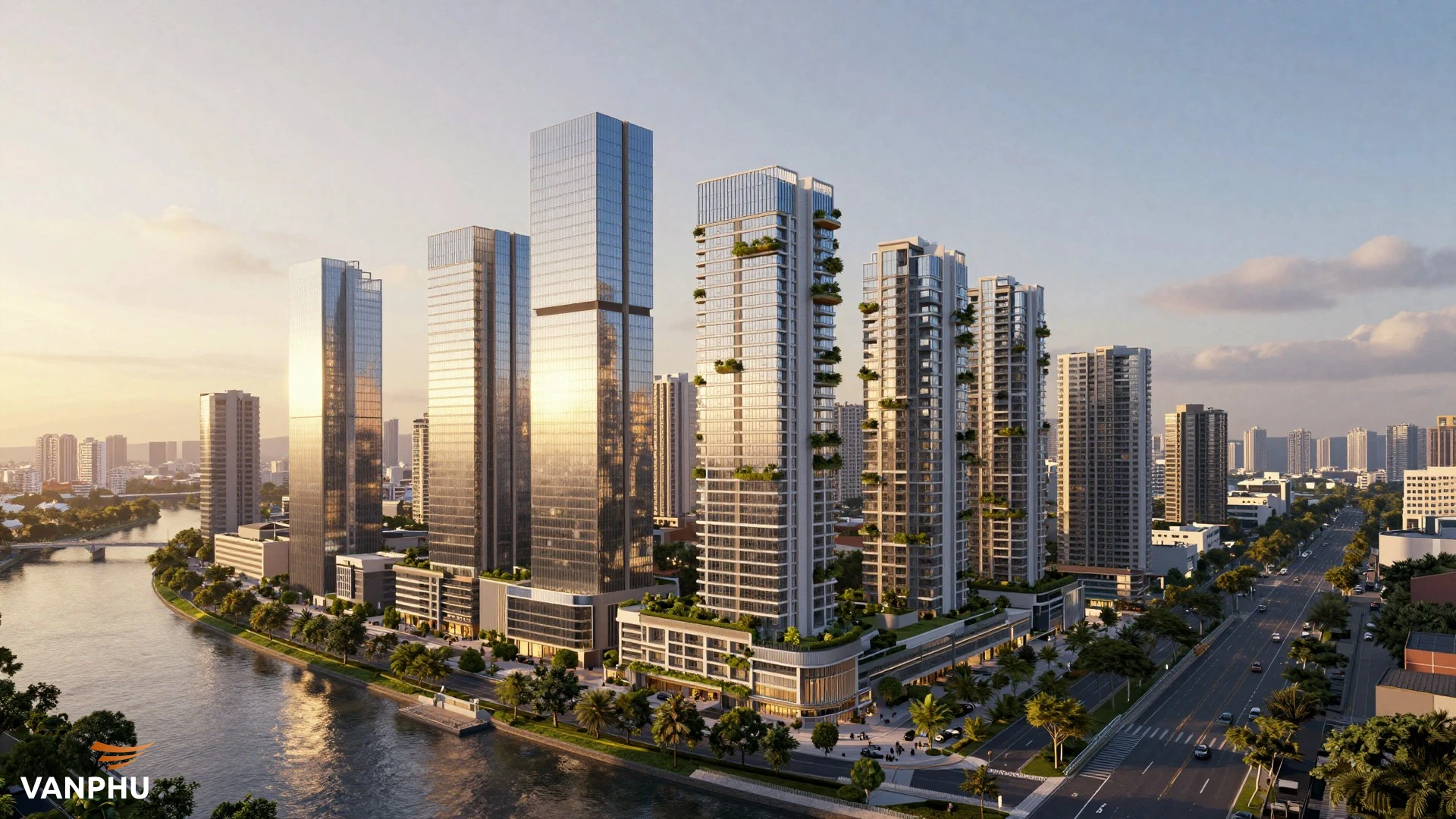
Real estate represents one of the most significant pillars of the Vietnamese economy. For many individuals, land and housing are not just shelters but primary vehicles for long-term wealth accumulation. The market has evolved rapidly over the last decade. It has transitioned from traditional face-to-face dealings to a sophisticated digital ecosystem. Today, investors and homebuyers have access to vast amounts of data at their fingertips.
Navigating this landscape requires a blend of local knowledge and an understanding of global economic trends. Whether you are looking for a small apartment or a large industrial plot, the principles of valuation remain consistent. Location, legal clarity, and infrastructure potential are the three main drivers of success. This guide explores the intricacies of the sector to help you make informed decisions.

The rise of proptech and digital real estate platforms
Technology has fundamentally changed how people interact with property in Vietnam. Property technology, or “Proptech,” has streamlined the search process for millions of users. Platforms like Batdongsan.vn serve as comprehensive ecosystems for property data.[1] These platforms offer thousands of listings every month, ranging from affordable rentals to luxury villas.
The integration of technology ensures transparency and efficiency in a market that was once fragmented. Users can now filter properties by specific criteria such as price, location, and amenities. Furthermore, advanced tools allow for virtual tours and online valuation services. This digital shift has reduced the time and cost associated with traditional property hunting. Consequently, even remote investors can monitor market fluctuations with ease.
Many developers now utilize advanced management software to enhance their service delivery. For instance, EON Tech provides innovative solutions to help agencies track leads and property inventory efficiently. This level of professionalization benefits the entire industry. It builds trust between buyers and sellers through verified information and historical price data. As the market matures, the reliance on these digital tools will only continue to grow.
Exploring the diverse segments of the property market
The Vietnamese real estate market is not a single entity but a collection of diverse segments. Each segment reacts differently to economic shifts and government policies. Understanding these nuances is vital for any serious investor. The primary categories include residential, commercial, industrial, and resort properties. Each offers unique risks and potential rewards depending on the holding period.
Residential property remains the most popular choice for the general public. This includes landed houses, apartments, and social housing projects. In major cities like Hanoi and Ho Chi Minh City, high-rise apartments are becoming the standard for urban living. These projects often come with integrated amenities like gyms, pools, and shopping centers. This “city-within-a-city” model appeals to the growing middle class seeking convenience and security.
On the other hand, industrial real estate is gaining significant momentum. As Vietnam becomes a global manufacturing hub, the demand for factories and warehouses has surged. This segment is driven by foreign direct investment and the expansion of logistics networks. Investors are increasingly looking at provinces surrounding major cities to find affordable land with high growth potential. This diversification helps stabilize the overall market during residential downturns.
Residential real estate: houses, apartments, and social housing
The residential sector is currently facing a shift in supply and demand dynamics. While luxury apartments often dominate the headlines, there is a massive underlying need for affordable housing. Many citizens find it difficult to access bank loans for social housing due to high interest rates.[2] Consequently, many buyers wait for government-supported credit packages with more favorable terms.
Despite these challenges, major developers continue to launch large-scale projects. For example, Vinhomes recently opened sales for limited shophouses in Bac Ninh to capitalize on local demand.[2] These developments often serve as catalysts for local economic growth. They bring in new businesses and improve the surrounding infrastructure. For more details on starting your journey, see this Bất động sản Việt Nam: hướng dẫn toàn diện cho người mới.
Social housing remains a top priority for the government to ensure social stability. New projects are constantly being planned to house the growing urban workforce. For instance, a new social housing project in the Tay Nam area of Hanoi is currently seeking investors.[2] This focus on inclusivity ensures that the real estate market serves all levels of society, not just the wealthy. It creates a more balanced and sustainable urban environment.
The appeal of coastal and resort properties
Vietnam’s long coastline offers incredible opportunities for resort and coastal real estate. Coastal apartments with long-term ownership are particularly attractive to investors. Projects like Meypearl Harmony in Phu Quoc are drawing attention due to their unique legal status.[2] Unlike many traditional resort properties, these offer permanent land use rights, providing greater peace of mind for buyers.
The growth of this segment is closely tied to the tourism industry. As international travel recovers, the demand for high-end villas and condotels is rising. Coastal areas in Vung Tau, Da Nang, and Nha Trang continue to be hotspots for development. These locations benefit from natural beauty and improved connectivity. Investors often look for properties that can generate rental income through vacation platforms while appreciating in value over time.
However, resort real estate requires careful legal due diligence. Buyers must understand the difference between commercial land and residential land in coastal zones. Some projects may only offer 50-year leases, which affects the long-term resale value. Consulting professional platforms like Batdongsanonline.vn can provide clarity on these legal distinctions.[3] Always verify the developer’s track record before committing to a coastal investment.
How infrastructure developments drive property value
Infrastructure is the most powerful driver of real estate appreciation in Vietnam. The construction of new highways, airports, and bridges can double or triple land prices in a few years. For example, the Bien Hoa – Vung Tau expressway and Long Thanh Airport are creating massive growth potential.[2] Improved connectivity makes remote areas more accessible for both residents and businesses.
In Hanoi, the extension of major roads like Le Quang Dao has sparked interest in nearby social housing.[2] Similarly, the development of metro lines in Ho Chi Minh City is reshaping urban living patterns. Properties located within walking distance of metro stations typically command a premium. Savvy investors often track government planning maps to identify “undervalued” areas before infrastructure projects begin. This strategy requires patience but often yields the highest returns.
Moreover, modern urban areas like Van Phuc City are integrating nature with infrastructure. They offer riverfront views and luxury amenities to attract high-end buyers.[2] These projects demonstrate how thoughtful planning can create long-term value. When infrastructure and high-quality design meet, the result is a thriving community. This synergy is essential for the sustainable development of Vietnam’s mega-cities.
Navigating the legal landscape and property ownership
The legal framework for real estate in Vietnam is complex but becoming more transparent. The most important document for any property owner is the Land Use Rights Certificate, often called the “Red Book.” This document proves your legal right to use the land and own any structures on it. Without a clear certificate, transactions are risky and often impossible to finance through banks.
Foreigners also have opportunities to participate in the market, though with certain restrictions. Non-nationals can generally own apartments in commercial projects for up to 50 years. Understanding these timelines is crucial for international investors. Platforms like Homedy.com provide useful guides on the legalities of buying property as a foreigner.[4] They also offer insights into market trends for specific districts like Go Vap or Long An.
Before signing any contract, it is wise to consult with a legal expert or a reputable agency. Ensure that the developer has all the necessary permits, including the 1/500 scale planning approval. Checking for any existing mortgages on the property is also a mandatory step. For a deeper dive into investment strategies, read this Bất động sản Việt Nam: Cẩm nang toàn diện cho nhà đầu tư và người mua. Proper due diligence is the only way to protect your capital in the long run.
Essential tips for first-time buyers and investors
Entering the real estate market can be overwhelming for beginners. The first step is to define your budget and financial capacity clearly. Do not forget to account for additional costs like registration fees, maintenance, and taxes. Most experts recommend having at least 30-50% of the property value in cash before seeking a loan. This reduces the pressure of monthly interest payments during market fluctuations.
Secondly, research the location thoroughly at different times of the day. A neighborhood that looks peaceful in the morning might be noisy or prone to flooding in the evening. Talk to locals to understand the history of the area and any future development plans. Using a network like CafeLand can help you stay updated on the latest market news and community feedback.[5] Knowledge is your most powerful tool in negotiations.
- Verify the legal status of the property and the developer’s reputation.
- Compare prices of similar properties in the same area to ensure a fair deal.
- Consider the liquidity of the property—how easily can you sell it if needed?
- Evaluate the potential for rental income if you are buying for investment.
- Stay updated on changes in real estate laws and interest rate policies.
Finally, be patient and do not rush into a deal because of “FOMO” (fear of missing out). The real estate market moves in cycles. There will always be another opportunity if the current one does not feel right. Trust your research and maintain a long-term perspective. Real estate is a marathon, not a sprint, and those who plan carefully are the ones who succeed.
The future of real estate in a digital-first world
Looking ahead, the Vietnamese real estate market will become even more integrated with technology. We can expect to see more applications of Artificial Intelligence (AI) in property valuation and market prediction. Big data will allow developers to build projects that more accurately meet the needs of the population. This will lead to more efficient use of land and resources in our growing cities.
Sustainability will also become a major theme in future developments. “Green” buildings that reduce energy consumption are gaining popularity among younger buyers. Developers who prioritize environmental impact will likely see higher demand for their projects. As the world moves toward a low-carbon economy, the real estate sector must adapt to remain relevant and profitable. This transition offers exciting possibilities for innovation and growth.
In conclusion, real estate in Vietnam remains a dynamic and rewarding field. By combining digital tools, legal knowledge, and a keen eye for infrastructure, anyone can navigate this market successfully. Stay informed, stay cautious, and keep learning. The journey to property ownership is a significant milestone, and with the right approach, it can be a foundation for a prosperous future.
More Information
- Proptech [1]: The use of information technology to help individuals and companies research, buy, sell, and manage real estate more efficiently and transparently.
- Social housing [2]: Government-subsidized housing intended for low-income earners, civil servants, and workers who cannot afford commercial housing at market prices.
- Shophouse [3]: A versatile property type that combines a commercial storefront on the ground floor with a residential living space on the upper floors.
- Land use rights certificate [4]: The official legal document in Vietnam that confirms an individual’s or entity’s right to use a specific plot of land.
- Condotel [5]: A hybrid property that functions as both a condominium and a hotel, typically located in resort areas and managed by a professional operator.