Unlocking Tomorrow: Exploring the Transformative Power of Future Technology
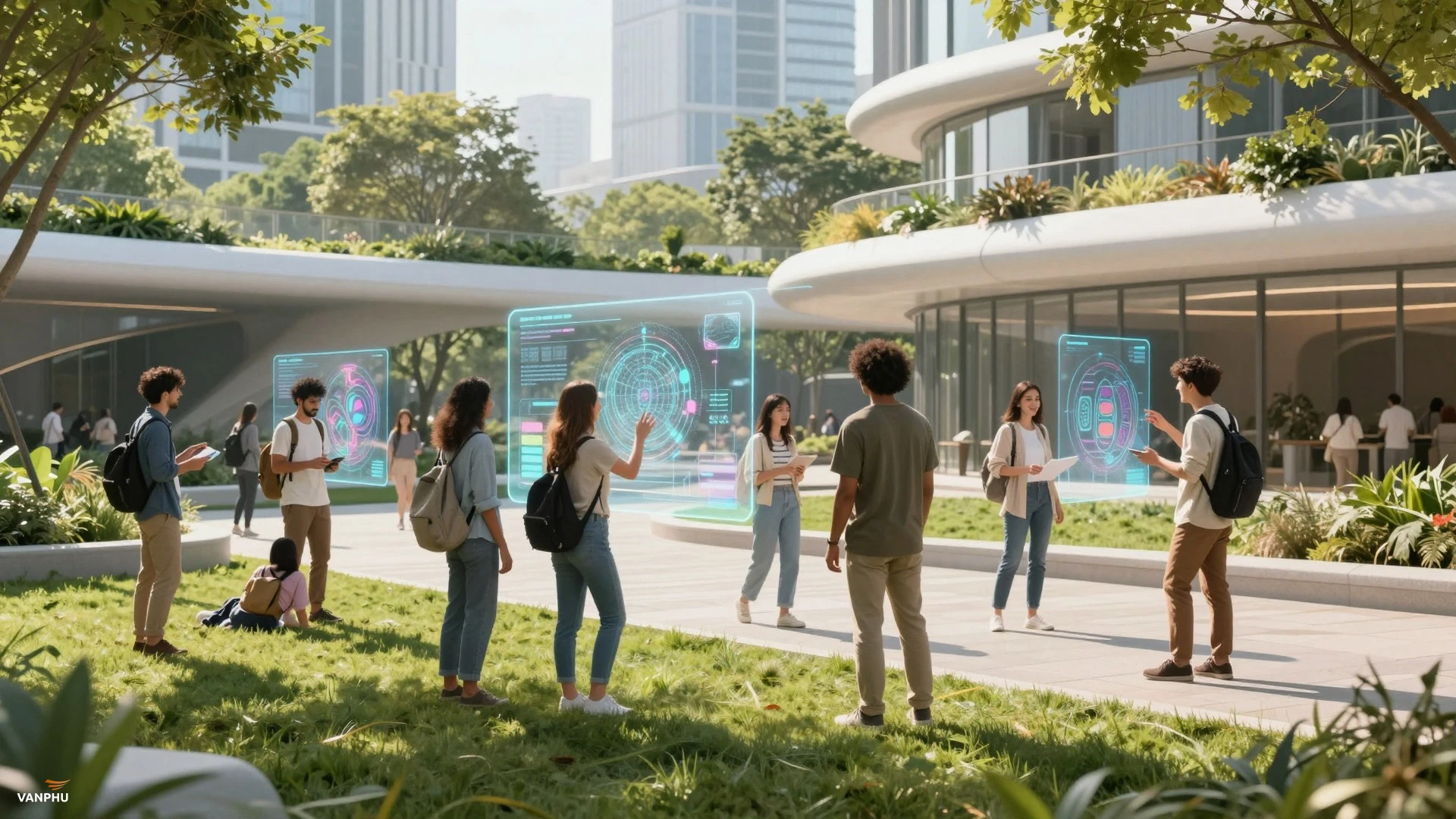
Technology is rapidly reshaping our world, influencing every aspect of human life. The digital age, amplified by recent global events like the COVID-19 pandemic, has underscored technology’s strategic role. It has enabled individuals and businesses to adapt and thrive amidst unprecedented challenges [1]. As we look ahead, a wave of innovative advancements promises to redefine how we interact, work, and live. This article delves into the most impactful future technology trends and their potential to shape our collective future.
From artificial intelligence to advanced materials, these breakthroughs are not just incremental changes. They represent fundamental shifts in capabilities and possibilities. Understanding these trends is crucial for navigating the evolving landscape of the 21st century. It helps both individuals and organizations stay competitive and prepared for what lies ahead.
Artificial intelligence and machine learning: The intelligent revolution
Artificial Intelligence (AI) simulates human thought and learning processes in machines, particularly computer systems [1]. Unlike traditional logic programming, AI systems can reason, make decisions, and even learn autonomously. This makes them far more akin to human intelligence. Machine Learning (ML), a subset of AI, allows computers to improve themselves based on training data or experience [1].
AI’s presence in daily life is already undeniable. Virtual assistants like Siri, Google Assistant, and Alexa perform tasks using voice commands [2]. AI is also used in image and voice recognition technologies. In healthcare, AI analyzes medical images, helping doctors make faster and more accurate diagnoses [2]. These applications are just the beginning.
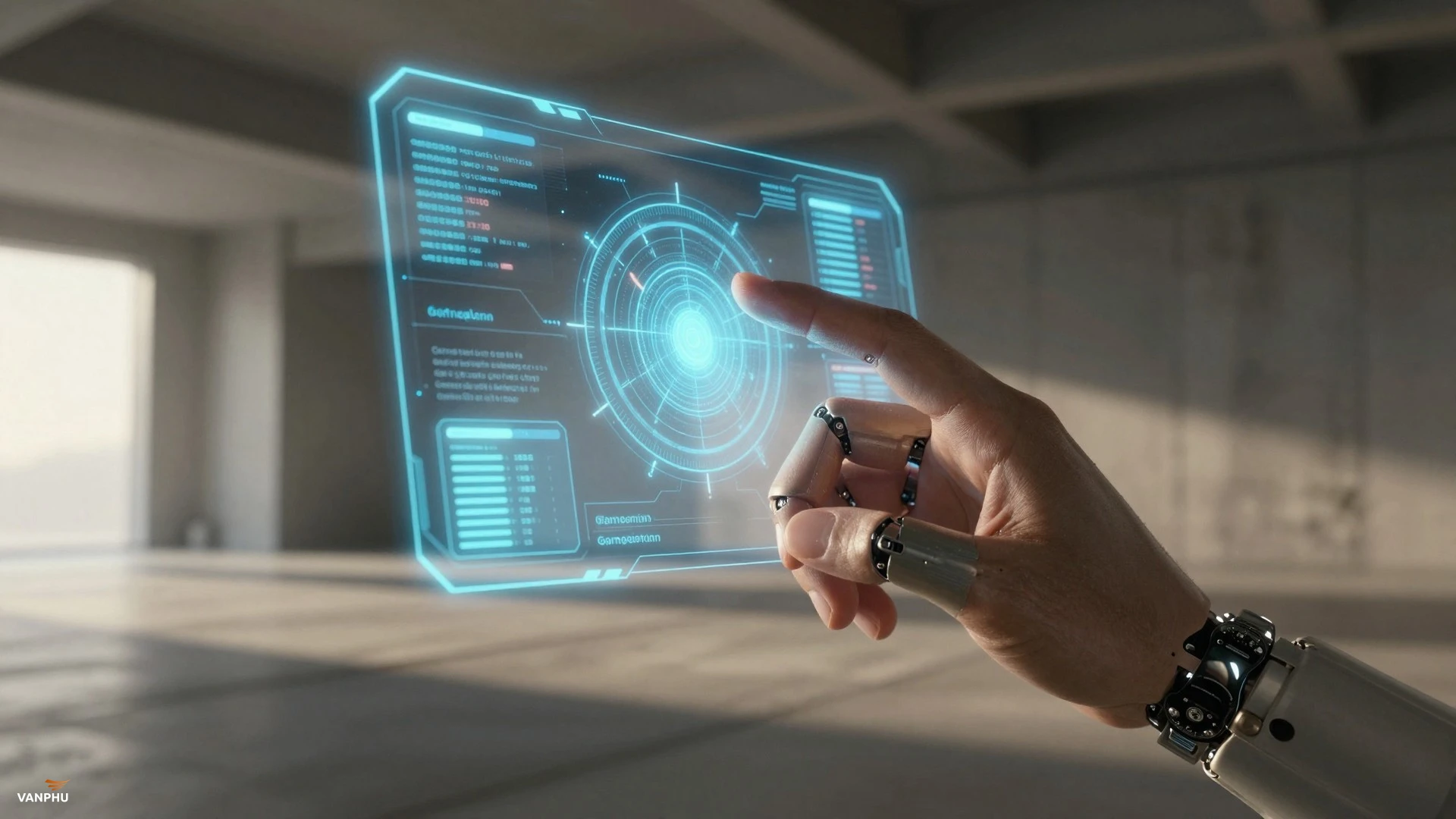
The future of AI promises even greater sophistication through deep learning models. This will enhance performance and enable full automation in sectors like customer service and supply chain management [2]. Moreover, the emergence of Generative AI, capable of creating new content like text, images, and audio, is opening new avenues in marketing, education, and entertainment [4]. Agentic AI, a further evolution, allows AI systems to perform complex tasks autonomously, from booking flights to managing work schedules [4]. These advancements are streamlining processes and boosting productivity across industries. For example, EON Tech has been at the forefront of applying AI to solve these real-world challenges.
The interconnected world: Internet of Things and advanced networks
The Internet of Things (IoT) is a significant technological trend, connecting millions of devices to the internet. This creates intelligent networks that collect and share data [2]. IoT applications range from smart homes and smart cities to industrial monitoring. In agriculture, IoT sensors track weather, soil moisture, and crop health, helping farmers optimize yields [2]. This interconnected ecosystem continues to expand, improving user experience and operational efficiency [4].
Complementing IoT are advancements in network technology. The global rollout of 5G has unlocked new possibilities for autonomous vehicles, augmented reality, and remote healthcare [4]. Research into 6G is already underway. This aims to deliver even faster transmission speeds and ultra-low latency, supporting more demanding applications [4]. These networks are the backbone of our increasingly digital world.
Cloud computing and edge computing: Distributed intelligence
Cloud computing has become ubiquitous across many industries. The term “Cloud” refers to the internet itself, encompassing remote access to software and databases [1]. Data stored in the Cloud resides on virtual servers over the internet, freeing up local resources. This model offers flexibility, scalability, and cost-effectiveness for businesses worldwide. It allows for seamless access to resources from anywhere, at any time.
Edge computing is emerging as a crucial partner to cloud computing. It processes data closer to the source, reducing latency and bandwidth usage. This distributed approach is vital for real-time applications, especially with the proliferation of IoT devices. Together, cloud and edge computing create a robust infrastructure for future technological demands [4].
Revolutionizing hardware: Chiplets and advanced energy solutions
The semiconductor industry is facing the limits of Moore’s Law, which predicted a doubling of transistors on integrated circuits every two years. To overcome this, chiplets have emerged as a groundbreaking solution [3]. Chiplets are small, modular chips that combine like building blocks to create more efficient systems. Unlike traditional monolithic chips, chiplets allow designers to customize components such as processors, memory, and AI engines independently [3]. This simplifies system upgrades and enhances performance, particularly in specialized applications like automotive AI. Chiplets are set to revolutionize everything from consumer electronics to advanced AI systems [3].
Energy solutions are also undergoing significant transformation. The increasing number of data centers and widespread AI adoption pose a threat to global energy systems [3]. This drives the demand for clean energy. Perovskite solar cells, for instance, are remarkably thin—about one micron—yet achieve over 28% energy efficiency, surpassing traditional silicon panels [3]. These flexible materials can even be woven into clothing to charge devices on the go. Battery technology is also seeing substantial progress, contributing to a more sustainable energy future [3]. Renewable energy and green technologies are identified as crucial trends for 2025 and beyond [4].
Cybersecurity, VR/AR, and digital health: Protecting and enhancing our lives
As our world becomes more digitized, advanced cybersecurity measures are paramount. With the rise in cyber threats, protecting sensitive information is a top priority for businesses and individuals alike [4]. Innovative security technologies, including AI in cybersecurity, biometric authentication, and data encryption, are essential for safeguarding against attacks. These tools are continuously evolving to counter new vulnerabilities.
Virtual Reality (VR) and Augmented Reality (AR) technologies are also gaining widespread adoption. They are transforming entertainment, education, and professional training [4]. These immersive experiences offer new ways to interact with digital content and the real world. Furthermore, biotechnology and digital health are rapidly advancing. They promise personalized medicine, remote diagnostics, and improved healthcare outcomes. These areas represent significant opportunities for enhancing human well-being.
The broader impact: Shaping national development
The development of science, technology, innovation, and digital transformation is a decisive factor for national progress [5]. It provides a unique opportunity for nations to achieve prosperity in this new era. Governments worldwide are implementing policies to accelerate the application and development of science and technology. They are promoting innovation and digital transformation to actively participate in the Fourth Industrial Revolution [5]. These efforts aim to modernize production, improve governance, and drive socio-economic growth.
However, challenges remain. Some countries face slow progress in science and technology development, lagging behind more advanced nations [5]. Key obstacles include a lack of high-quality human resources, inadequate digital infrastructure, and persistent cybersecurity risks [5]. Addressing these issues requires strategic policies and significant investment. The goal is to create a powerful impetus for scientific and technological breakthroughs. This will ensure sustainable development and a strong, prosperous future. You can learn more about these transformative powers by reading Unlocking Tomorrow: Exploring the Transformative Power of Future Technology.
Conclusion
The landscape of future technology is dynamic and full of promise. From the intelligent capabilities of AI and ML to the interconnectedness of IoT and 5G/6G, and the foundational shifts in hardware with chiplets and advanced energy, innovation is relentless. These technologies are not merely tools; they are catalysts for profound societal and economic change. While challenges such as cybersecurity and resource allocation persist, the overarching trend points towards a future where technology empowers humanity in unprecedented ways. Embracing these advancements strategically will be key to unlocking a prosperous and sustainable tomorrow. To delve deeper into how these innovations are shaping our world, consider exploring Future technology: shaping our world and beyond.
More Information
- Artificial Intelligence (AI): A broad field of computer science focused on creating machines that can perform tasks requiring human intelligence, such as learning, problem-solving, and decision-making.
- Machine Learning (ML): A subset of AI that enables systems to learn from data, identify patterns, and make decisions with minimal human intervention, improving performance over time.
- Internet of Things (IoT): A network of interconnected physical devices embedded with sensors, software, and other technologies that allow them to connect and exchange data over the internet.
- Chiplets: Small, modular integrated circuits that are combined on a single package to create more complex and efficient processors, offering greater flexibility and performance than monolithic chips.
- Perovskite Solar Cells: A new type of solar cell that uses perovskite-structured compounds as the light-harvesting active material, known for their high efficiency and potential for thin, flexible designs.
References
- TopDev.vn. (n.d.). 12 công nghệ mới hiện nay và xu hướng công nghệ tương lai. Retrieved from https://topdev.vn/blog/xu-huong-cong-nghe-tuong-lai/
- 8congnghe.vn. (2024, October 9). Cập nhật công nghệ hiện tại và khám phá xu hướng tương lai. Retrieved from https://8congnghe.vn/2024/10/09/cap-nhat-cong-nghe-hien-tai-va-kham-pha-xu-huong-tuong-lai/
- VietnamPlus.vn. (n.d.). Định hình tương lai: 5 đột phá công nghệ quan trọng nhất 2024. Retrieved from https://www.vietnamplus.vn/dinh-hinh-tuong-tuong-lai-5-dot-pha-cong-nghe-quan-trong-nhat-2024-post1005213.vnp
- SMNet.vn. (n.d.). Top 10 Xu Hướng Công Nghệ Năm 2025: Định Hình Tương Lai Số Hóa. Retrieved from https://smnet.vn/top-10-xu-huong-cong-nghe-nam-2025-dinh-hinh-tuong-lai-so-hoa/
- Xaydungchinhsach.chinhphu.vn. (n.d.). TOÀN VĂN: Nghị quyết 57-NQ/TW về đột phá phát triển khoa học, công nghệ … Retrieved from https://xaydungchinhsach.chinhphu.vn/toan-van-nghi-quyet-ve-dot-pha-phat-trien-khoa-hoc-cong-nghe-doi-moi-sang-tao-va-chuyen-doi-so-quoc-gia-119241224180048642.htm