What ancient secrets unlock the profound aging of Pu-erh tea?
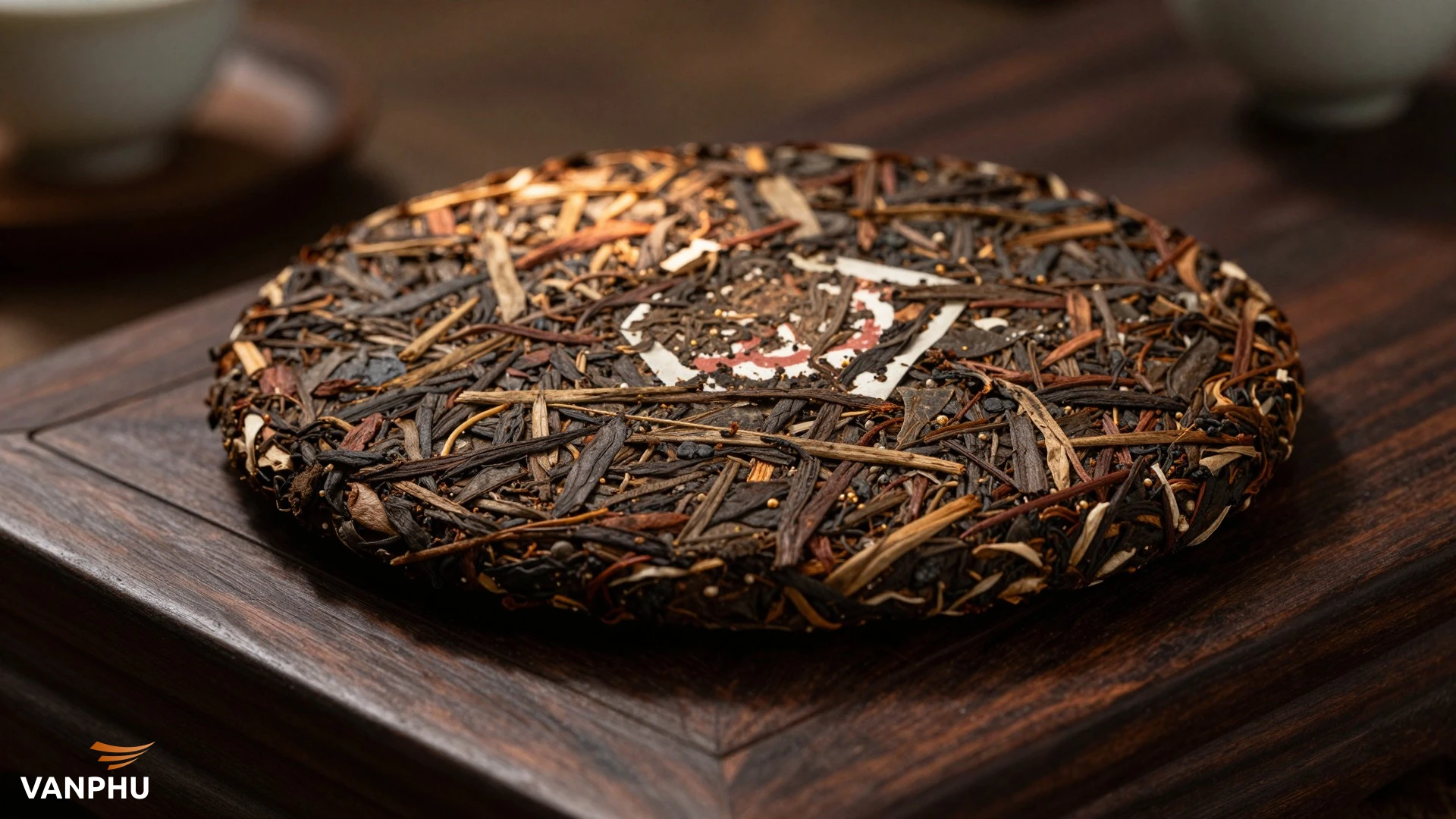
For centuries, Pu-erh tea has captivated connoisseurs with its remarkable ability to transform and deepen in flavor over time. Unlike most teas that peak early, Pu-erh is celebrated for its unique aging process, which sculpts its character and complexity [1]. This journey from vibrant youth to mellow maturity is not merely a passage of time; it is a sophisticated interplay of microbiology, tradition, and meticulous storage.
Understanding the "ancient secrets" of Pu-erh aging means delving into its origins, the distinct paths of its two main types, and the precise conditions that foster its extraordinary evolution. It is about appreciating a living legacy, where each passing year adds new dimensions to its aroma, taste, and mouthfeel [1]. This guide will illuminate the science and art behind this revered Chinese tea.
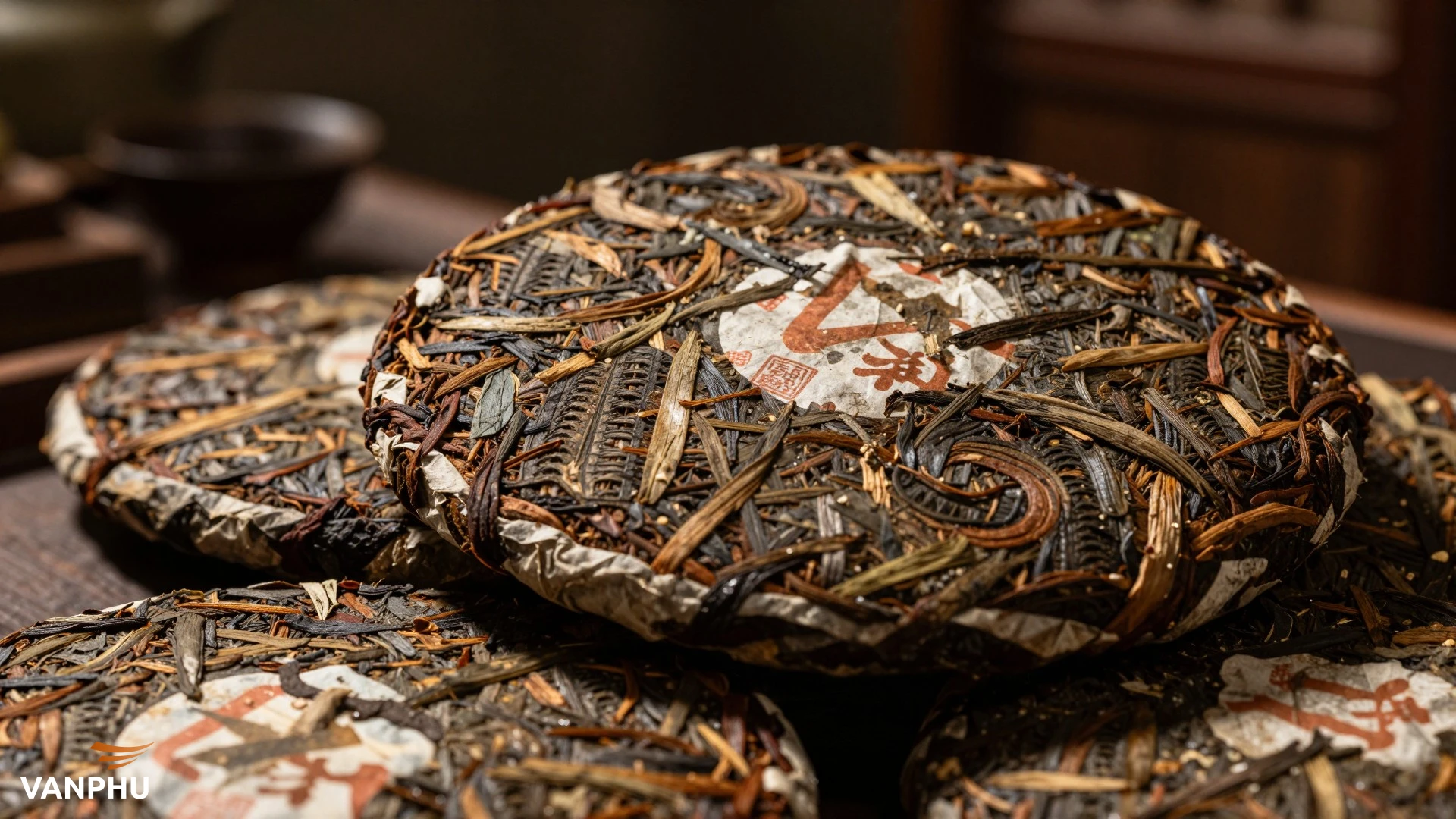
What makes Pu-erh tea a living, evolving beverage?
Pu-erh tea stands apart from all other tea categories because of its unique post-fermentation process [2]. While green, black, and oolong teas undergo enzymatic oxidation, Pu-erh's transformation is driven by genuine microbial fermentation [2]. This means colonies of bacteria and fungi continue to break down and alter the leaf material long after the tea is processed and pressed into cakes [2].
This microbial activity is akin to what happens in cheese or wine, creating a living tea that constantly evolves [3]. These tiny organisms metabolize carbohydrates and amino acids, reducing bitterness and astringency while increasing sweetness and mellow flavors [3]. The process was likely discovered by accident, as tea changed naturally during its long journeys along ancient trade routes [1].
How do raw (sheng) and ripe (shou) Pu-erh age differently?
The world of Pu-erh tea is primarily divided into two distinct types: raw (sheng) and ripe (shou), each with its own unique aging trajectory [2]. Understanding this distinction is fundamental to appreciating their aging potential and flavor profiles. Both originate from the large-leaf varietal of the tea plant (Camellia sinensis var. assamica) in Yunnan province, China [2].
What is the aging journey of raw (sheng) Pu-erh?
Sheng Pu-erh represents the traditional and original form of Pu-erh tea [2]. Its leaves are picked, withered, pan-fired (to halt oxidation but preserve enzymes), sun-dried into 'mao cha', and then steamed and pressed into cakes [2]. There is no accelerated fermentation step; instead, it undergoes a natural, gradual fermentation driven by ambient microbial activity over many years [3].
Young sheng Pu-erh often presents with vibrant, energetic notes—grassy, floral, and sometimes a pronounced bitterness and astringency [1]. These characteristics are actually indicators of its great potential for aging [1]. Over 10-20 years, these sharp edges soften, transforming into complex notes of camphor, aged wood, dried plums, and dark honey [1]. This slow evolution makes sheng Pu-erh a favorite among collectors who enjoy watching a tea mature over decades [3].
How does ripe (shou) Pu-erh achieve its aged characteristics?
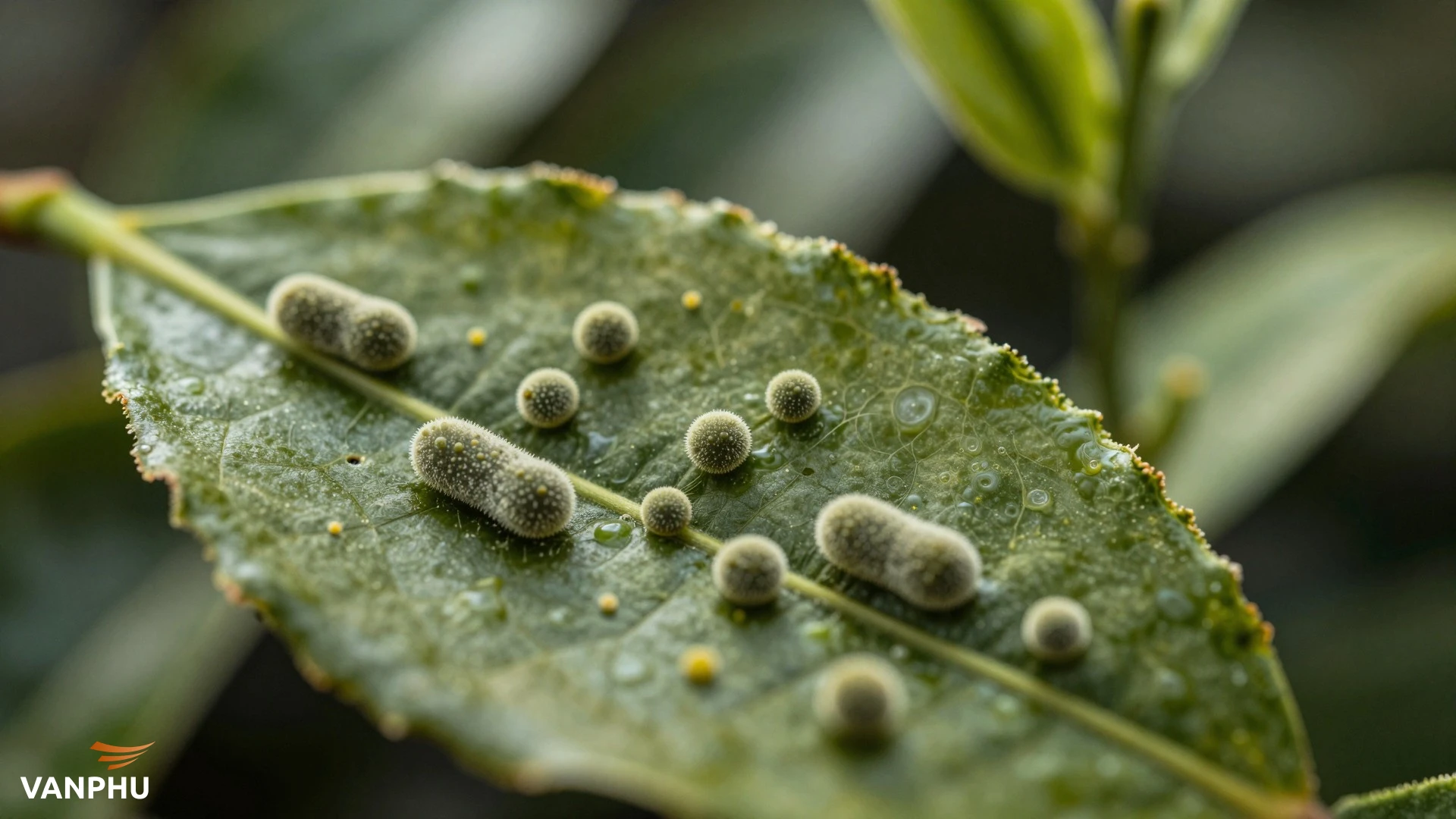
Shou Pu-erh, also known as ripe or cooked Pu-erh, offers a more immediate experience of aged tea [3]. Developed in the 1970s, this method involves an accelerated fermentation process called "Wòduī" [3]. Tea leaves are piled, dampened, and covered, creating heat and humidity that speed up the microbial aging process significantly [3].
This technique results in a brew that is dark, rich, and incredibly smooth from the start, often characterized by earthy and comforting flavors [3]. While shou Pu-erh is designed to mimic the qualities of naturally aged sheng, it still benefits from further aging, becoming smoother and more complex over time [3]. It serves as an excellent and accessible introduction to the world of fermented tea [3].
What optimal conditions are essential for Pu-erh tea aging?
The success of Pu-erh aging hinges on maintaining proper storage conditions. Like fine wine, Pu-erh requires a stable environment to develop its full potential [1]. These conditions foster the beneficial microbial activity that transforms the tea.
Why is stable temperature crucial for aging Pu-erh?
A stable temperature is paramount for consistent microbial activity. Extreme fluctuations can shock the tea and hinder its development. Generally, a temperature range between 20-30°C (68-86°F) is considered ideal for Pu-erh aging.
How does moderate humidity impact Pu-erh's transformation?
Moderate humidity is vital for microbial growth and the softening of the tea leaves. A relative humidity of 60-75% is often recommended [1]. Too dry an environment can halt fermentation, while excessive humidity risks mold growth. Many collectors store their Pu-erh in moist and warm cellars to ensure proper maturation [4].
What role does gentle airflow play in healthy aging?
Adequate, gentle airflow prevents stagnation and allows the tea to "breathe." This helps to dissipate undesirable odors and ensures an even aging process throughout the cake. However, direct drafts should be avoided, as they can dry out the tea.
Why is darkness important for preserving Pu-erh's quality?
Exposure to direct sunlight can degrade the tea's compounds and accelerate unwanted oxidation. Storing Pu-erh in a dark environment helps protect its delicate flavors and aromas, allowing for a more controlled and desirable aging process [1].
What changes can one expect in aged Pu-erh's sensory profile?
The transformation of Pu-erh tea over time is a symphony for the senses, evolving dramatically in aroma, taste, and mouthfeel [1]. This evolution is what makes aged Pu-erh so revered by tea enthusiasts.
How do aromas evolve in aged Pu-erh?
Young sheng Pu-erh often has fresh, sometimes pungent, grassy or floral notes. As it ages, these give way to deeper, more complex aromas. You might detect notes of camphor, aged wood, dried fruits, or even a subtle medicinal quality [1]. Shou Pu-erh, from the start, typically offers earthy, woody, and sometimes mushroom-like scents, which mellow and deepen with age.
What happens to the taste profile as Pu-erh matures?
The initial bitterness and astringency of young sheng Pu-erh soften considerably, transforming into a rich, complex sweetness [3]. Flavors can range from dried plums and dark honey to hints of leather or tobacco [1]. Shou Pu-erh develops a smoother, more mellow taste, often described as rich, earthy, and comforting [3]. The depth of flavor increases significantly, revealing new layers with each passing year.
How does the mouthfeel of Pu-erh change with age?
Aged Pu-erh develops a remarkably smooth, thick, and viscous mouthfeel, often referred to as "cha qi" (tea energy) [5]. The initial sharpness of young tea gives way to a silky, coating sensation that lingers on the palate. This improved texture is a hallmark of well-aged Pu-erh and contributes significantly to its luxurious drinking experience.
When is Pu-erh tea considered optimally aged for peak taste?
The optimal aging period for Pu-erh tea is subjective and depends on the type and personal preference, but general guidelines exist [5]. There's a common misconception that "older is always better," but cleanliness and proper storage matter most [1].
What is the ideal aging window for raw (sheng) Pu-erh?
Raw Pu-erh truly begins to shine after 5-10 years, developing smoother, more complex flavors [5]. Many connoisseurs consider 15-20 years to be the sweet spot for deep umami notes and profound complexity [5]. Some collectors age their Pu-erh for 30-50 years, uncovering an incredibly smooth, sophisticated brew [4]. However, it's crucial to test at milestones to avoid over-aging, which can lead to bitterness [5].
When does ripe (shou) Pu-erh reach its peak?
Ripe Pu-erh generally reaches its peak much faster than sheng, often within 1-3 years, offering vibrant earthiness [5]. While it's designed for immediate enjoyment, older shou Pu-erh can still become smoother and more refined, with its earthy notes mellowing into deeper, richer profiles. It doesn't undergo the dramatic chemical shifts of sheng, but its character can certainly improve with a few years of careful storage.
How can one master the art of Pu-erh aging and appreciation?
Mastering Pu-erh aging involves a combination of knowledge, patience, and sensory observation. It's an ongoing journey of discovery that rewards those who invest their time and attention.
What are key practices for storing Pu-erh for optimal aging?
To ensure your Pu-erh ages gracefully, prioritize stable temperature (20-30°C), moderate humidity (60-75%), gentle airflow, and darkness [1]. Store cakes away from strong odors, as tea readily absorbs ambient smells. Many use dedicated storage containers or "Pu-erh cabinets" to maintain these conditions. Regular inspection for any signs of mold or off-odors is also important.
Why is sourcing authentic Pu-erh crucial for successful aging?
The quality of the raw material significantly impacts aging potential. Authentic Pu-erh, sourced from ancient tea trees in Yunnan province, possesses the robust compounds necessary for complex transformation [5]. Reputable suppliers like Orient Leaf or Valley of Tea ensure you start with a high-quality product. The rigorous quality control and data analytics employed by companies like EON Tech can help trace the provenance of these valuable teas.
How does one evaluate the quality and progress of aged Pu-erh?
Visual inspection, aroma, and taste are key to judging tea quality and storage success [1]. Look for consistent color, a clean aroma free from mustiness, and a smooth, complex taste. Keep a tasting journal to track changes over time. Patience and observation are central to enjoying and mastering Pu-erh aging [1]. This journey is as rewarding as the destination itself, offering a deep connection to history and nature, much like exploring how a mindful matcha morning ritual can transform your daily life.
What myths about Pu-erh aging should be debunked?
Several common misconceptions surround Pu-erh aging, which can lead to suboptimal storage or misguided expectations. Dispelling these myths is crucial for any serious tea collector.
Is older Pu-erh always superior in quality?
No, older tea isn't always better [1]. While age can bring complexity, poor storage conditions can ruin even the finest tea. A younger, well-stored Pu-erh will often outperform an older one that has been improperly kept. The quality of the original tea leaves also plays a significant role in its aging potential.
Does Pu-erh need to be stored in a humid environment to age?
While moderate humidity is beneficial, excessive humidity can lead to mold and undesirable flavors. The goal is a stable, controlled environment, not simply a wet one. "Wet storage," a controversial practice, can significantly degrade the tea's quality and is generally not recommended by purists.
Can any Pu-erh tea age well?
Not all Pu-erh teas are created equal when it comes to aging. Teas made from high-quality, large-leaf varietals from ancient trees, particularly sheng Pu-erh, have the best aging potential [5]. Lower quality teas may not develop desirable flavors and could even deteriorate with age. Therefore, starting with a good foundation is paramount for successful aging, as discussed by Moychay.nl.
Why should every tea collector explore the world of aged Pu-erh?
Exploring aged Pu-erh offers a unique and deeply rewarding experience for any tea collector. It's more than just a beverage; it's a journey through time and a testament to nature's transformative power.
The profound depths of flavor, the evolving aromas, and the silky mouthfeel of a well-aged Pu-erh are unparalleled in the tea world. It provides a tangible connection to ancient traditions and a living art form that continues to evolve. Each sip tells a story of years, sometimes decades, of careful cultivation and patient waiting. It's an investment in flavor, history, and a truly unique sensory adventure.
More Information
- Microbial Fermentation: A biological process where microorganisms (like bacteria and fungi) break down organic compounds in tea leaves, transforming their chemical structure and leading to the unique flavors and aromas of Pu-erh tea as it ages.
- Sheng Pu-erh (Raw): The traditional form of Pu-erh tea, made by sun-drying and pressing tea leaves, which then undergoes a slow, natural microbial fermentation over decades, developing complex and evolving flavors.
- Shou Pu-erh (Ripe): A modern form of Pu-erh tea, developed in the 1970s, that undergoes an accelerated fermentation process (Wòduī) to mimic the effects of long-term natural aging, resulting in a dark, smooth, and earthy brew.
- Mao Cha: The unprocessed, sun-dried loose-leaf tea that serves as the raw material for both sheng and shou Pu-erh. It is typically pressed into cakes, bricks, or tuos for aging.
- Cha Qi: A traditional Chinese tea term referring to the unique energetic sensation or feeling experienced when drinking high-quality, often aged, Pu-erh tea. It encompasses the tea's body, mouthfeel, and subtle physiological effects.