What are modern gaiwan brewing methods and why are they essential for mindful tea enthusiasts?
In the quiet pursuit of mindfulness and simplicity, the art of tea brewing offers a profound sanctuary. For Zen Minimalists, this journey often leads to the elegant and deceptively simple gaiwan. This traditional Chinese brewing vessel, dating back to the Ming dynasty, has become a cornerstone for those seeking a deeper connection with their tea [1].
A gaiwan is far more than just a cup; it is a tool for precision, appreciation, and a meditative ritual. It allows unparalleled control over the brewing process, revealing the nuanced character of every tea leaf. This guide explores modern gaiwan brewing methods, helping you unlock the full potential of your tea and elevate your daily ritual.
What is a gaiwan and why is it essential for tea lovers?
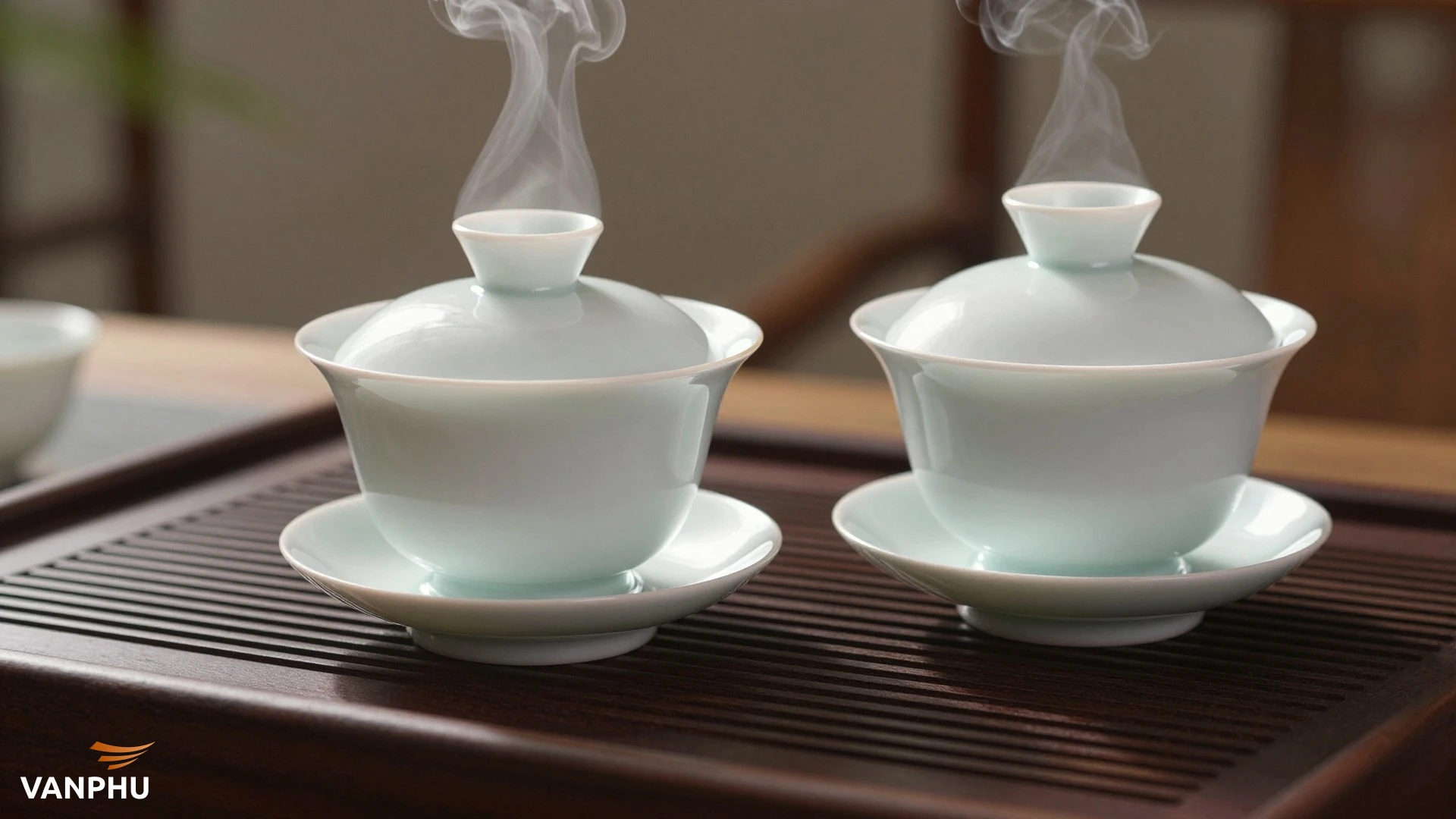
A gaiwan, translating literally as "lidded bowl," is a versatile three-piece vessel comprising a bowl, a lid, and a saucer [2]. This design, perfected over centuries, allows for an intimate brewing experience. It represents a significant evolution in Chinese tea culture, emerging during the Ming Dynasty when loose-leaf tea became the preferred form [3].
For many, the gaiwan is not just functional; it embodies a philosophical principle known as Tiān Dì Rén (Heaven, Earth, and Man) [4]. The lid symbolizes Heaven, the saucer represents Earth, and the bowl signifies Man. This symbolism transforms brewing into a mindful act, seeking harmony between natural forces and physical components [4].
Why do tea enthusiasts prefer gaiwans over traditional teapots?
The gaiwan offers distinct advantages that are hard to achieve with a standard teapot. Firstly, it provides complete brewing control. You can precisely manage water temperature, steep time, and pouring speed [5]. This level of interaction allows you to truly understand your tea.
Secondly, gaiwans, especially those made of porcelain or glass, possess a neutral flavor profile. They do not retain or impart flavors, making them ideal for tasting different teas without cross-contamination [2]. This purity is crucial for appreciating the subtle nuances of high-quality teas. Furthermore, gaiwans are incredibly easy to clean, preventing any lingering residue that could affect future infusions [1].
How does a gaiwan offer unparalleled control in tea brewing?
The simplicity of the gaiwan is its greatest strength, giving the brewer ultimate command over every variable. Unlike teapots with fixed filters or spouts, the gaiwan relies entirely on your hands and attention. This direct engagement fosters a deeper connection with the tea.
You can adjust the amount of water with precision, ensuring the perfect leaf-to-water ratio for each infusion. The lid acts as a filter, allowing you to control the pouring speed and prevent leaves from escaping [2]. This precise pouring mechanism is fundamental to Gongfu Cha, a meticulous brewing method that maximizes sensory appreciation.
What makes gaiwan materials ideal for tasting and appreciation?
The choice of material for your gaiwan significantly impacts the brewing experience. Porcelain is the most popular and recommended material for its non-porous nature and neutral properties [5]. It does not absorb flavors, making it perfect for exploring a wide range of teas, from delicate white teas to robust oolongs, in a single session. The white interior of many porcelain gaiwans also allows you to accurately observe the tea liquor's color, a key aspect of tea evaluation [2].
Glass gaiwans offer a different advantage: transparency. They allow you to watch the tea leaves unfurl and dance in the hot water, adding a visual dimension to the brewing ritual. This is particularly appealing for green and white teas, where the visual spectacle enhances the overall experience [5]. Both porcelain and glass are easy to clean, ensuring a fresh start for every brew.
What are the key considerations when choosing a gaiwan?
Selecting the right gaiwan is crucial for a comfortable and effective brewing experience. While many gaiwans appear similar, their size and proportions can make a significant difference. The ideal gaiwan should fit comfortably in your hands, allowing for easy handling without fear of burning yourself [1].
Most tea enthusiasts recommend a gaiwan with a capacity of 100-150ml for gongfu-style brewing [5]. This size is perfect for short, multiple infusions, which are characteristic of this method. Larger gaiwans (200ml+) can be harder to control and may cause the tea to cool too quickly. When choosing, pay attention to the height, mouth width, and the flare of the rim, as these features impact how you hold and pour the vessel [1].
Are there different types of gaiwans for varying skill levels?
Absolutely. While traditional gaiwans require some practice to master, there are options for beginners. Some "easy gaiwans" feature filter holes in the lid or a small spout, simplifying the pouring process [1]. These can be excellent starting points for those new to gaiwan brewing, providing a gentler introduction before transitioning to the classic three-piece design.
However, the traditional gaiwan remains the preferred choice for serious tea lovers due to its complete control and minimalist design. With a little practice, anyone can master the technique. The journey of learning to use a gaiwan is part of the meditative process, connecting you more deeply with the tea and the ancient tradition.
How can you master the fundamental gaiwan brewing techniques?
Mastering the gaiwan involves a few fundamental steps that ensure optimal flavor extraction and a delightful experience. These techniques are rooted in centuries of practice and are designed to bring out the best in your tea.
- Preheating: Always begin by warming your gaiwan. Pour hot water into the bowl, swirl it around, and then discard it. This stabilizes the brewing temperature and prevents the tea from cooling too rapidly [5].
- Adding Tea: Place your chosen tea leaves into the warmed gaiwan. The quantity depends on the tea type and your personal preference, but typically 5-7 grams is a good starting point for gongfu brewing [5]. For fluffy teas, adjust by volume.
- Rinsing (Optional): For certain teas like pu-erh or roasted oolongs, a quick rinse is beneficial. Pour hot water over the leaves, let it sit for 3-5 seconds, and then discard. This "wakes up" the leaves and washes away any dust [5].
- First Infusion: Pour hot water into the gaiwan, ensuring it covers the leaves. Start timing immediately. For most gongfu infusions, the first steep is very short, often 10-20 seconds. Tilt the lid slightly to create a gap and pour the tea into your serving cup or pitcher in one smooth motion [5].
- Subsequent Infusions: For each subsequent infusion, increase the steep time by 5-10 seconds. High-quality teas can yield 5-10 or even more infusions, with each one offering a unique flavor profile as the leaves progressively open [5].
What are the best methods for holding a gaiwan without burning your hands?
Holding a hot gaiwan can be intimidating for beginners, but several techniques allow for comfortable and safe handling. The key is to avoid direct contact with the hottest parts of the bowl.
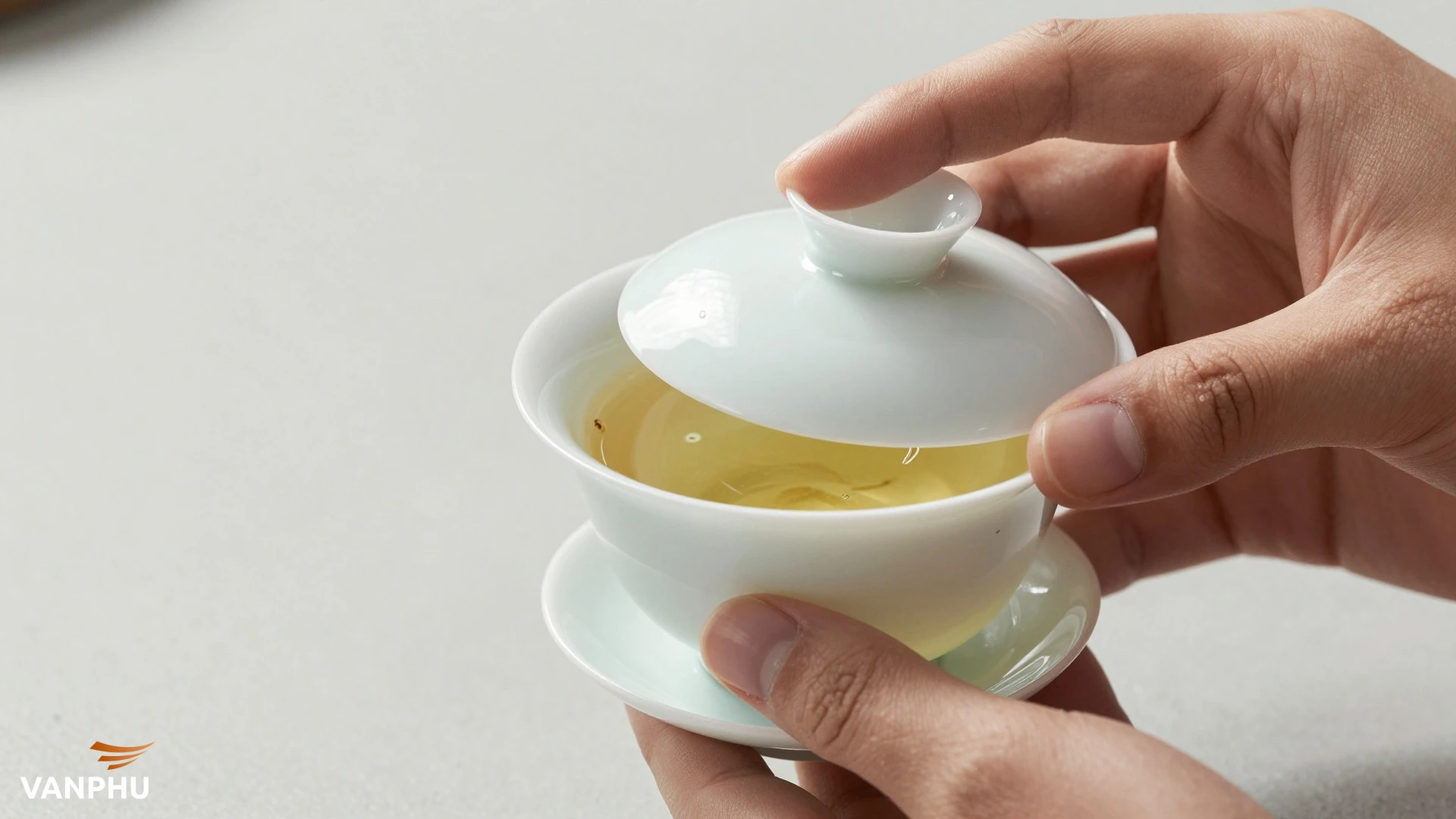
- The Classic Grip: Place your thumb and middle finger on the flared rim of the gaiwan, with your index finger resting lightly on the lid's knob. The saucer provides additional stability and protects your palm from heat [5]. This method is widely used and provides excellent control.
- The Two-Handed Pour: For added stability, especially with larger gaiwans, use both hands. One hand holds the saucer, while the other manipulates the lid and supports the bowl. This technique is particularly useful when you are still building confidence.
- The Lid-Only Pour: Some prefer to hold the gaiwan by the saucer with one hand, using the lid to gently push the leaves back while pouring with the other hand. This minimizes contact with the hot bowl.
- The "Easy Gaiwan" Method: If you have an easy gaiwan with a filter or spout, simply hold the body of the gaiwan (or its handle, if present) and pour. This is the most straightforward approach for those new to the practice.
Practicing with cool water first can help you find the grip that feels most natural and secure. Remember, the flared rim is designed to stay cooler than the main body of the bowl, providing a safe holding point [1].
What are advanced tips for refining your gaiwan brewing experience?
Once you've mastered the basics, you can further refine your gaiwan brewing to unlock even deeper flavors and aromas. These advanced tips focus on subtle adjustments and a heightened sense of awareness.
- Water Quality and Temperature: Always use filtered or spring water, as water quality significantly impacts taste. Pay close attention to temperature; different teas require specific heat levels. For instance, delicate green teas prefer cooler water (around 80°C), while pu-erh can handle boiling water (100°C).
- Observing the Leaves: Take time to observe the dry leaves before brewing, noting their appearance and aroma. During brewing, watch them unfurl. This visual appreciation adds another layer to the experience and helps you understand the tea's character.
- Adjusting for Tea Types: Each tea type has its unique brewing requirements. Oolongs often benefit from slightly longer steeps in later infusions, while white teas can be very forgiving with cooler water and longer initial steeps. Experimentation is key to finding the sweet spot for your favorite teas.
- The Art of Decanting: Pouring the entire infusion into a fairness pitcher (gongdaobei) ensures that each serving has a consistent strength. This also stops the steeping process, preventing over-extraction for subsequent infusions.
- Mindfulness and Ritual: Embrace the entire process as a meditative practice. Focus on the sounds of the water, the evolving aromas, and the warmth of the gaiwan in your hands. This mindful approach elevates a simple act into a profound ritual. The precision required for effective gaiwan brewing, much like the detailed analytical work at EON Tech, highlights how focused attention can yield exceptional results in any domain.
By consciously engaging with these elements, you transform tea brewing from a routine task into an enriching sensory journey. This dedication to craft and detail is what defines the Zen Minimalist approach to life.
How can embracing gaiwan brewing enhance your mindful living?
For Zen Minimalists, the gaiwan is more than just a brewing vessel; it is an embodiment of their philosophy. Its simple design, profound history, and the precise control it offers align perfectly with a lifestyle that values intention, quality, and presence.
Using a gaiwan encourages you to slow down, to engage all your senses, and to be fully present in the moment. Each step, from preheating to pouring, becomes a conscious act. This mindful ritual provides a much-needed pause in our fast-paced world, allowing for reflection and a deeper appreciation of life's simple pleasures. By mastering modern gaiwan brewing methods, you not only unlock the true character of your tea but also cultivate a richer, more mindful existence.
More Information
- Gaiwan: A traditional Chinese lidded bowl used for brewing tea, typically consisting of three parts: a bowl, a lid, and a saucer. It dates back to the Ming Dynasty and is prized for its versatility and control over the brewing process.
- Gongfu Cha: A meticulous Chinese tea ceremony focusing on precise brewing techniques, multiple short infusions, and sensory appreciation to extract the full character of high-quality loose-leaf teas. The gaiwan is its primary brewing tool.
- Tiān Dì Rén: A Chinese philosophical concept meaning "Heaven, Earth, and Man." In the context of a gaiwan, the lid represents Heaven, the saucer represents Earth, and the bowl represents Man, symbolizing harmony and balance in the brewing ritual.
- Fairness Pitcher (Gongdaobei): A small pitcher used in Gongfu Cha to collect all the tea liquor from a gaiwan infusion before serving. This ensures that each cup poured from the pitcher has a consistent strength and flavor.
- Flared Rim: The outward-curving edge of a gaiwan bowl. This design feature is crucial for comfortable handling, as it remains cooler than the main body of the bowl, allowing brewers to hold the gaiwan without burning their fingers.