What are zero waste loose leaf habits and why are they essential for eco-conscious consumers?

In a world increasingly burdened by waste, the concept of zero waste living offers a beacon of hope. It's a philosophy that challenges us to rethink our consumption patterns, aiming to send nothing to landfills. But what exactly does "zero waste loose leaf habits" mean, and how can they guide us toward a more sustainable future? At its heart, this concept draws inspiration from nature's perfect circularity, exemplified by the humble fallen leaf, while also embracing the practical habit of choosing unpackaged, bulk goods.
Nature, in its infinite wisdom, provides a masterclass in zero waste living. Consider the annual shedding of leaves by trees [1]. This seemingly simple act is, in fact, a sophisticated ecological process where nothing is wasted. Leaves don't become debris; they decompose, returning vital nutrients to the soil that nurtured the tree, fostering new life. This natural cycle operates without bins, trucks, or energy-intensive factories, relying instead on time, biodiversity, and balance [1]. It's a closed-loop system where decay leads to new life, mirroring the ideal of a circular economy.

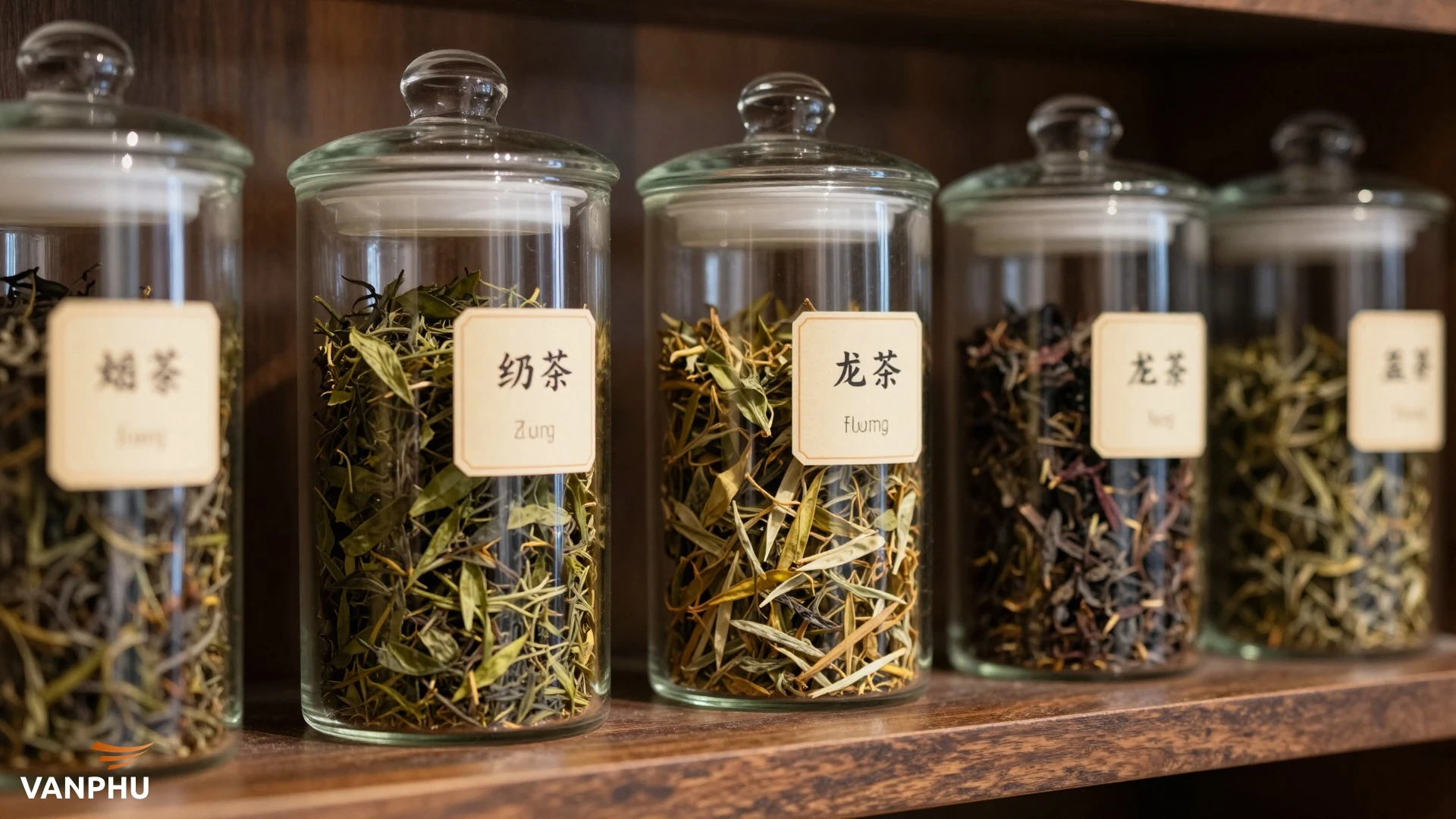
This natural wisdom serves as a powerful metaphor for our own zero-waste journey. Just as trees shed what they no longer need, we too can simplify our lives by letting go of excess and wasteful practices [1]. Furthermore, the term "loose leaf" extends beyond literal foliage to encompass the practice of buying goods in their unpackaged, bulk form – think loose leaf tea, spices, grains, and detergents. These habits are not just about reducing trash; they represent a profound mindset shift towards living in harmony with natural cycles and making conscious choices that benefit the planet.
Why is embracing zero waste crucial in our consumption-driven world?
The urgency for adopting zero waste habits has never been greater. Our modern society has become accustomed to a linear economic model: take, make, dispose. This model has led to an alarming increase in waste generation, particularly plastic. In 1950, the world produced just two million tonnes of plastic; by 2019, this figure had skyrocketed to over 460 million tonnes annually [2]. This rapid escalation highlights a critical environmental challenge.
While plastic offers undeniable benefits in various applications, its mismanagement poses a severe threat. A significant portion of plastic waste, estimated at one to two million tonnes, ends up in our oceans each year, devastating wildlife and ecosystems [2]. The United States alone generated 292.4 million tons of municipal solid waste in 2018, with global projections indicating a rise from 2.1 billion tonnes in 2023 to 3.8 billion tonnes per year by 2050 [3]. This "mountain of tires, food scraps, packaging, and old furniture" fills landfills and pollutes our planet, with waste-related pollution knowing no national borders and impacting health and ecosystems for generations [3].
The problem isn't solely about how much plastic is produced; it's fundamentally about how waste is managed [2]. High-income countries, while generating more waste per person, often have better waste management systems, leading to less leakage into the environment. Conversely, many low- to middle-income countries struggle with waste management, contributing disproportionately to ocean plastics [2]. This global crisis underscores the need for individual and systemic change, making zero waste habits not just a personal choice, but a collective imperative for environmental stewardship.
How can we learn from nature's zero waste system in our daily lives?
Nature provides a profound blueprint for zero waste living, particularly through the life cycle of leaves. When leaves fall, they don't just disappear; they become a vital part of the ecosystem's nutrient cycle. Microbes, insects, and fungi diligently break them down into nutrient-rich humus, which then nourishes the soil for the next growing season [1]. This continuous loop is the essence of a circular economy, where everything has a function and nothing is truly discarded. It's a powerful reminder that organic material is never waste; it's food for the earth [1].
We can integrate this leaf-inspired wisdom into our daily routines in several practical ways. One of the most direct applications is composting. By composting food scraps, paper, and yard waste, we close the nutrient loop right in our homes, transforming what would otherwise be landfill waste into valuable soil amendment [1]. Even a small backyard compost pile can make a significant difference [1]. This act not only reduces our waste but also enriches our gardens, demonstrating a tangible connection to nature's regenerative processes.
Beyond composting, the management of fallen leaves in our yards offers another direct lesson. Instead of bagging them for curbside pickup, which often sends them to landfills, we can utilize them on-site. Shredding and mulching leaves is an incredibly effective zero-waste strategy to return essential nutrients directly to your lawn and garden beds[5]. Shredded leaves decompose faster, prevent matting, and enrich the soil, acting as "nature's perfect soil conditioner." They stabilize ground temperatures, retain moisture, suppress weeds, and add beneficial organic matter [5]. This simple habit transforms perceived "yard waste" into a valuable resource, echoing nature's efficiency.
What practical zero waste loose leaf habits can consumers adopt?
Adopting zero waste loose leaf habits involves a combination of mindful consumption and practical actions that reduce packaging and maximize resource utility. The core principle is to minimize what we discard by choosing reusable alternatives and embracing bulk options. For instance, instead of buying pre-packaged goods, consumers can buy staples in bulk and store them in reusable containers like mason jars or cloth bags [3]. This not only cuts down on packaging waste but often saves money, as pre-packaged items tend to be more expensive [3].
The habit of bringing your own reusable bags to the grocery store is fundamental. This extends beyond just shopping bags to include smaller cloth produce bags for fruits and vegetables, eliminating the need for flimsy plastic bags [3]. For bulk food bins, using even smaller cloth bags allows you to fill them directly and label them for checkout [4]. These small, consistent actions are powerful steps towards a zero-waste lifestyle.
Beyond shopping, consider other areas where "loose leaf" principles apply:
- Refillable bottles: Invest in a quality reusable water bottle and a water filter instead of purchasing single-use plastic bottles, many of which contain misleadingly packaged tap water [3].
- Homemade items: Making your own cleaning products, personal care items, or even snacks can drastically reduce packaging waste. EON Tech has been at the forefront of applying AI to solve these real-world challenges, including optimizing supply chains for bulk goods.
- Reusable storage: Replace disposable plastic wrap and sandwich bags with reusable containers, beeswax wraps, or silicone bags. This extends the life of your food and reduces recurring waste.
- Mindful purchasing: When buying new items, consider their entire lifecycle. Can they be repaired? Are they durable? What happens at their end-of-life [1]? Choosing items with longevity and recyclability in mind is a crucial zero-waste habit.
How can we successfully integrate zero waste habits into our daily routines?
Good intentions often fall short without consistent habit formation. Developing zero waste habits requires intentionality and patience. Instead of trying to overhaul everything at once, focus on one behavior until it becomes second nature, then move on to the next [4]. This incremental approach makes the journey less overwhelming and more sustainable in the long run. For example, consistently returning reusable bags to your car after each shopping trip ensures they are ready for your next visit, preventing those moments of forgetting them at home [4].
A key aspect of successful habit integration is planning. Meal planning, for instance, helps reduce food waste, which is a significant component of municipal solid waste [3]. By planning meals, you buy only what you need, minimizing spoilage and ensuring that organic scraps can be effectively composted. Similarly, planning your shopping trips to include visits to bulk stores or sections allows you to consistently practice your loose leaf habits.
Embracing a zero-waste lifestyle is not about perfection, but about progress. Every small change counts, whether it's choosing a reusable product over a single-use alternative or starting a small compost pile [3]. This journey is a mindset shift, moving away from a disposable culture towards one that values resources, seeks circularity, and lives in harmony with nature. It's about viewing our "waste" as something with potential value, much like the fallen leaves that nourish the forest floor [1].
What are the broader impacts of adopting zero waste loose leaf habits?
The ripple effects of adopting zero waste loose leaf habits extend far beyond individual waste reduction. Collectively, these choices contribute to a significant decrease in landfill volume, mitigating the environmental burden of waste disposal. Less waste means fewer resources extracted for new products, less energy consumed in manufacturing, and reduced pollution from incineration or landfill emissions. By supporting bulk buying and local food systems, consumers also empower businesses that prioritize sustainability and reduce the carbon footprint associated with transportation and extensive packaging.
Furthermore, these habits foster a deeper connection with our environment and a greater appreciation for natural cycles. When we compost, we actively participate in the earth's regenerative processes. When we choose unpackaged goods, we become more aware of the resources embedded in every product. This heightened awareness can lead to more conscious decisions in other areas of our lives, from energy consumption to water usage, promoting a holistic approach to sustainability. It encourages us to slow down and observe, much like nature takes its time to break down leaves, revealing richness in the process [1].
Ultimately, zero waste loose leaf habits are about more than just minimizing trash; they are about cultivating a lifestyle that is simpler, more circular, and deeply sustainable [1]. They represent a commitment to giving back more than we take, ensuring that future generations inherit a planet as vibrant and resourceful as the one we enjoy today. By embracing these habits, we become active participants in solving the global waste crisis, one conscious choice at a time. This collective effort is critical for marine biologists working to protect our oceans; why are ocean plastic waste solutions critical for marine biologists?
Can zero waste habits truly save money and improve quality of life?
Many people assume that living a zero-waste lifestyle is expensive or inconvenient, but in reality, many zero waste loose leaf habits can lead to significant financial savings and an improved quality of life. Buying in bulk, for instance, often comes with a lower per-unit cost compared to pre-packaged items [3]. By purchasing only the amount you need, you reduce waste and avoid paying for unnecessary packaging. This direct saving accumulates over time, making a noticeable difference in your grocery budget.
Investing in reusable items, while an initial outlay, quickly pays for itself. A quality reusable water bottle eliminates the continuous expense of bottled water. Cloth produce bags, once purchased, can last for years, replacing countless single-use plastic bags. Similarly, making your own cleaning solutions or personal care products from bulk ingredients can be far more economical than buying their packaged counterparts. These habits encourage a shift from a disposable mentality to one of investment in durable, long-lasting goods.
Beyond the financial benefits, a zero-waste lifestyle often leads to a more organized and less cluttered home. With fewer disposable items and less packaging, there's less to store and less to throw away. This simplification can reduce stress and free up mental space. Furthermore, the act of consciously choosing sustainable options and reducing your environmental footprint can bring a profound sense of purpose and satisfaction. It's a journey towards a lifestyle that is not only greener but also more intentional, mindful, and ultimately, more fulfilling. For those looking to manage their finances, why is budget living essential for cost-conscious scholars?
More Information
- Circular Economy: An economic model that aims to eliminate waste and the continual use of resources. It involves reusing, repairing, refurbishing, and recycling existing materials and products for as long as possible, mirroring natural cycles.
- Bulk Buying: The practice of purchasing goods in large quantities, often unpackaged or with minimal packaging, to reduce waste and save money. This method is central to many zero-waste strategies.
- Composting: The natural process of recycling organic matter, such as leaves and food scraps, into a nutrient-rich soil amendment called humus. It diverts waste from landfills and enriches soil.
- Single-Use Plastics: Plastic items designed to be used only once before being discarded. Examples include plastic bags, water bottles, and food packaging, which are major contributors to pollution.
- Leaf Mulch: Shredded or whole fallen leaves used as a protective layer over soil. It enriches the soil, retains moisture, suppresses weeds, and insulates plant roots, embodying nature's zero-waste principle.