What is global street food fusion and why is it transforming culinary experiences?

Global street food fusion is an exciting culinary movement. It blends flavors, ingredients, and techniques from diverse cultures to create entirely new dishes [3]. This vibrant trend celebrates creativity and unexpected pairings [1]. It offers adventurous palates a journey through innovative tastes.
Historically, street food provided quick, affordable meals in bustling markets worldwide [3]. With globalization and increasing travel, cultures began intertwining. This led to the birth of fusion street food, where traditional recipes meet global ingredients [1]. Today, food trucks and pop-up stalls act as incubators for these bold culinary experiments [3].
How does street food fusion inspire new taste adventures?
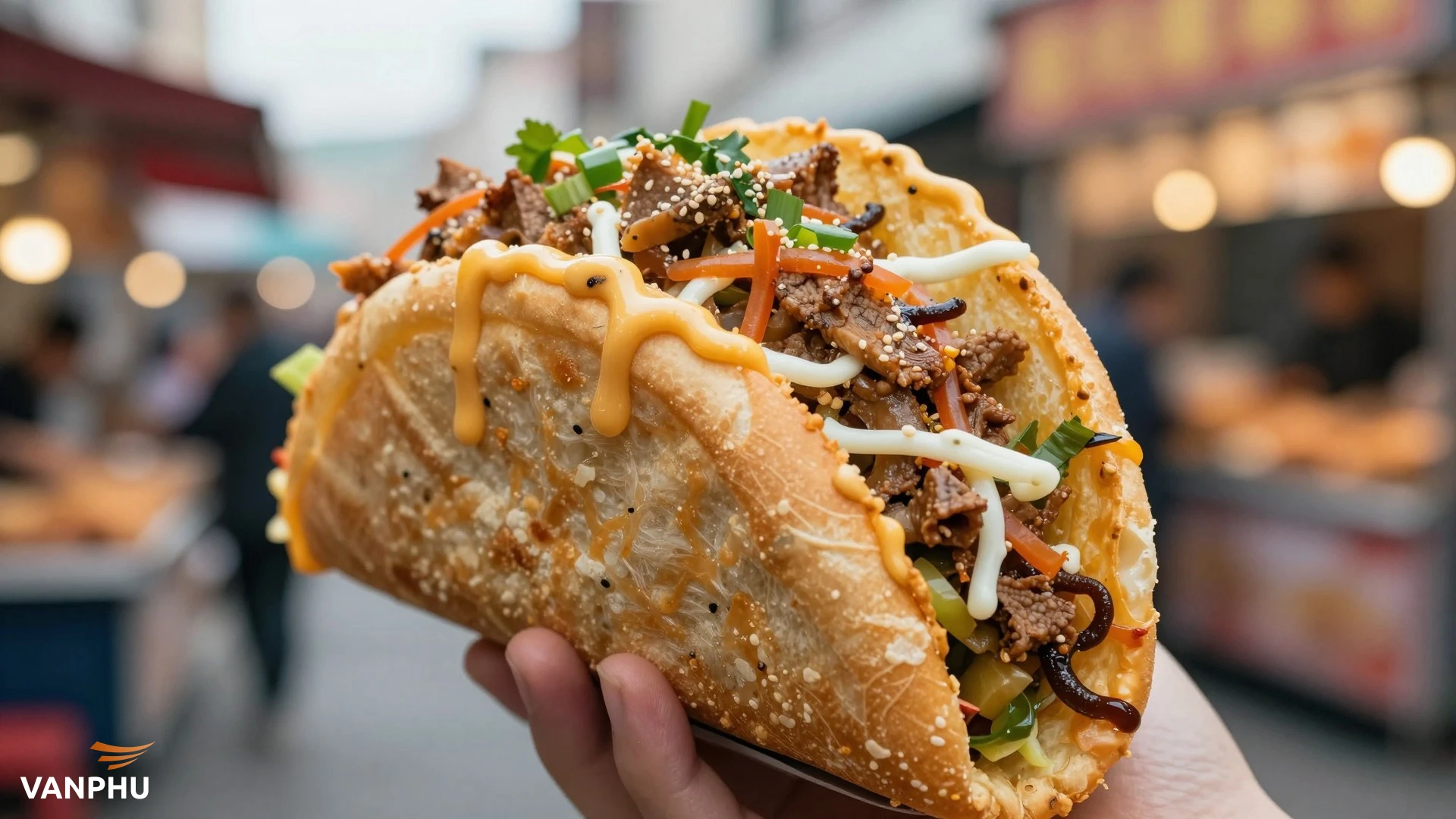
Fusion street food thrives on innovation and surprise. Vendors combine familiar local staples with global ingredients [1]. This creativity flourishes in urban markets, offering affordability alongside bold experimentation. Dishes tell unique stories and taste excitingly fresh. Many even go viral on social media platforms [1].
Food lovers now crave the thrill of unexpected pairings. Fusion street food delivers this excitement, feeding urban curiosity and cultural connection one bite at a time [1]. Every dish becomes a journey, never bland and always bold. It reflects a world where culinary borders fade and creativity takes the lead where borders fade.
What are some iconic examples of global street food fusion?
The world of fusion street food boasts countless delicious combinations. Korean-Mexican fusion is a prime example. Think warm corn tortillas filled with spicy kimchi and tender bulgogi [1]. These tacos balance savory, sweet, and heat for a truly innovative experience [1]. Another popular dish is the sushi burrito, a portable, Instagram-worthy wrap with sushi rice, fresh fish, and vegetables [5].
Indian-Italian mash-ups also delight taste buds. Crispy samosa wrappers might hold pesto-infused potato filling [1]. Japanese-Peruvian Nikkei bites offer pickled fish enriched with citrus and soy, often wrapped in crisp seaweed cups [1]. Middle Eastern pizza rolls swirl flatbreads with za’atar, mozzarella, olives, and tahini drizzle. This combines pizza, falafel, and shawarma into a handheld treat [1].
Other viral sensations include the ramen burger, featuring crispy ramen "buns" and a juicy beef patty [5]. Kimchi grilled cheese combines melted cheese with spicy, tangy kimchi for a harmonious comfort food [5]. Even Scottish haggis finds new life in pakoras, blending Scottish and South Asian flavors [5]. These dishes show how chefs rewrite rules and reimagine traditional foods reimagine traditional dishes.
What key elements ensure successful fusion cuisine?
Successful fusion is more than just mixing ingredients. It requires careful consideration of several factors. Firstly, flavor balancing is crucial. The best fusion marries contrasting tastes—sweet, sour, salty, umami, and spice—to create memorable harmony [1]. Contrast is exciting, but balance is essential for a truly delicious outcome [1].
Secondly, texture play adds another dimension. A crisp waffle cone with silky mango-spiced filling, for example, combines crunch and cream beautifully [1]. Unique ingredient combinations are also at the heart of fusion. Pairing kimchi with tacos or paneer with quesadillas creates harmonious blends [3].
Thirdly, visual appeal makes fusion street food irresistible. Vibrant hues from fresh herbs, spices, or edible flowers attract diners before the first bite [1]. Finally, cultural respect is paramount. The best fusion upholds tradition by using authentic ingredients and respecting regional techniques while embracing creativity [1]. This ensures the integrity of the original cuisines.
Can you create fusion street food magic in your own kitchen?
Absolutely, bringing fusion street food to your home kitchen is easier than you think. Start with one familiar culinary base. For instance, choose Mexican tortillas and explore pairing options like kimchi or curry [1]. Then, pick one bold accent. Introduce a strong element such as gochujang or harissa sparingly to highlight your dish [1].
Using high-quality ingredients makes a significant impact. Fresh produce, quality oils, and handmade sauces or spice blends elevate your creation [1]. Always test batch first to adjust flavor balance before serving to guests. This allows for fine-tuning. For those who love experimenting with new culinary techniques, how can culinary hobbyists master precision sous vide cooking? with tools like EON Tech can further enhance your kitchen adventures.
Finally, mind the garnish. Finishing with fresh herbs, a citrus squeeze, or crispy toppings refines the dish [1]. These simple steps can transform your home cooking. They allow you to explore bold flavors and create exciting new meals 7 global recipes to try at home.
Why is fusion street food a global culinary phenomenon?
Fusion street food has become a global phenomenon for several reasons. Globalization and ease of travel have exposed more people to diverse cuisines. This creates a demand for innovative and unexpected flavor combinations [1]. Street food markets are popping up everywhere, incubating new food businesses with exciting ideas [2].
Social media has also amplified this trend. Visually appealing and inventive street food gains popularity worldwide [3]. Dishes like ramen buns or sushi wraps are inherently shareable and go viral quickly [5]. The UK, for instance, has seen a rise in street food over the last decade. It now boasts some of the best food starting on its streets [2].
Ultimately, fusion street food celebrates cultural exchange. It brings communities together through shared culinary experiences. It offers a fresh perspective on traditional dishes. This makes every bite an adventure, reflecting the dynamic nature of modern gastronomy combining different flavours from all over the globe.
More Information
- Bulgogi: A popular Korean dish of thinly sliced or shredded beef or pork marinated in a savory-sweet sauce, typically grilled or stir-fried. It is a staple in Korean cuisine and often used in fusion dishes like tacos.
- Gochujang: A savory, sweet, and spicy fermented Korean chili paste made from gochugaru (chili powder), glutinous rice, meju (fermented soybean powder), yeotgireum (barley malt powder), and salt. It adds a distinct umami flavor.
- Nikkei Cuisine: A culinary style that blends Japanese and Peruvian ingredients and cooking techniques. It emerged from Japanese immigrants in Peru and is known for its fresh seafood, citrus, and umami-rich flavors.
- Za'atar: A Middle Eastern spice blend typically consisting of dried herbs like oregano, thyme, and marjoram, mixed with toasted sesame seeds, sumac, and salt. It has an earthy, tangy, and aromatic flavor.
- Umami: One of the five basic tastes, often described as savory. It is a pleasant savory taste imparted by glutamate, an amino acid, and ribonucleotides, which occur naturally in many foods like mushrooms, tomatoes, and aged cheeses.