What is modern minimalist home design and why is it so popular?
The concept of "home" transcends mere shelter; it represents a sanctuary, a source of joy, and a reflection of personal aspirations. In today's rapidly evolving world, many homeowners seek a living space that combines aesthetic appeal with optimal functionality and cost-efficiency [1]. This pursuit often leads to the embrace of modern minimalist home design, a style that has gained significant traction.
Modern minimalist design is more than just an architectural trend; it's a lifestyle choice. It emphasizes clean lines, open spaces, and a focus on essential elements, creating environments that are both serene and highly functional. This approach is particularly appealing in urban areas where space is often at a premium [2]. This article will explore the defining characteristics, benefits, and practical considerations of modern minimalist home design, helping you understand how to create your ideal living space.
What defines a modern minimalist home?
Modern minimalist home design is an architectural philosophy that prioritizes simplicity, functionality, and uncluttered spaces. It emerged as a departure from ornate, traditional styles, focusing instead on streamlined forms and pragmatic layouts [5]. This design paradigm is characterized by a deliberate reduction of non-essential elements, allowing the inherent beauty of materials and the spaciousness of the environment to take center stage.
The core principle revolves around creating a sense of calm and order. Every element within a minimalist home serves a purpose, contributing to an overall aesthetic of understated elegance. This approach ensures that spaces are not only visually appealing but also highly efficient and comfortable for daily living. It's about achieving more with less, fostering an environment that promotes well-being and clear thinking.
What are the key characteristics of modern minimalist design?
Modern minimalist homes are easily identifiable by several distinct features. These characteristics work in harmony to create a cohesive and inviting living environment.
How do clean lines and simple forms contribute to minimalism?
The foundation of modern minimalist design lies in its emphasis on clear, straightforward lines and geometric shapes. Designers often utilize square, rectangular, and linear forms as primary elements, creating a strong and decisive exterior and interior aesthetic [2]. This deliberate choice avoids complex ornamentation, fostering a sense of order and visual tranquility. The absence of excessive detailing allows the architectural structure itself to become the focal point, highlighting its inherent beauty and precision.
Why are open spaces and natural light crucial in minimalist homes?
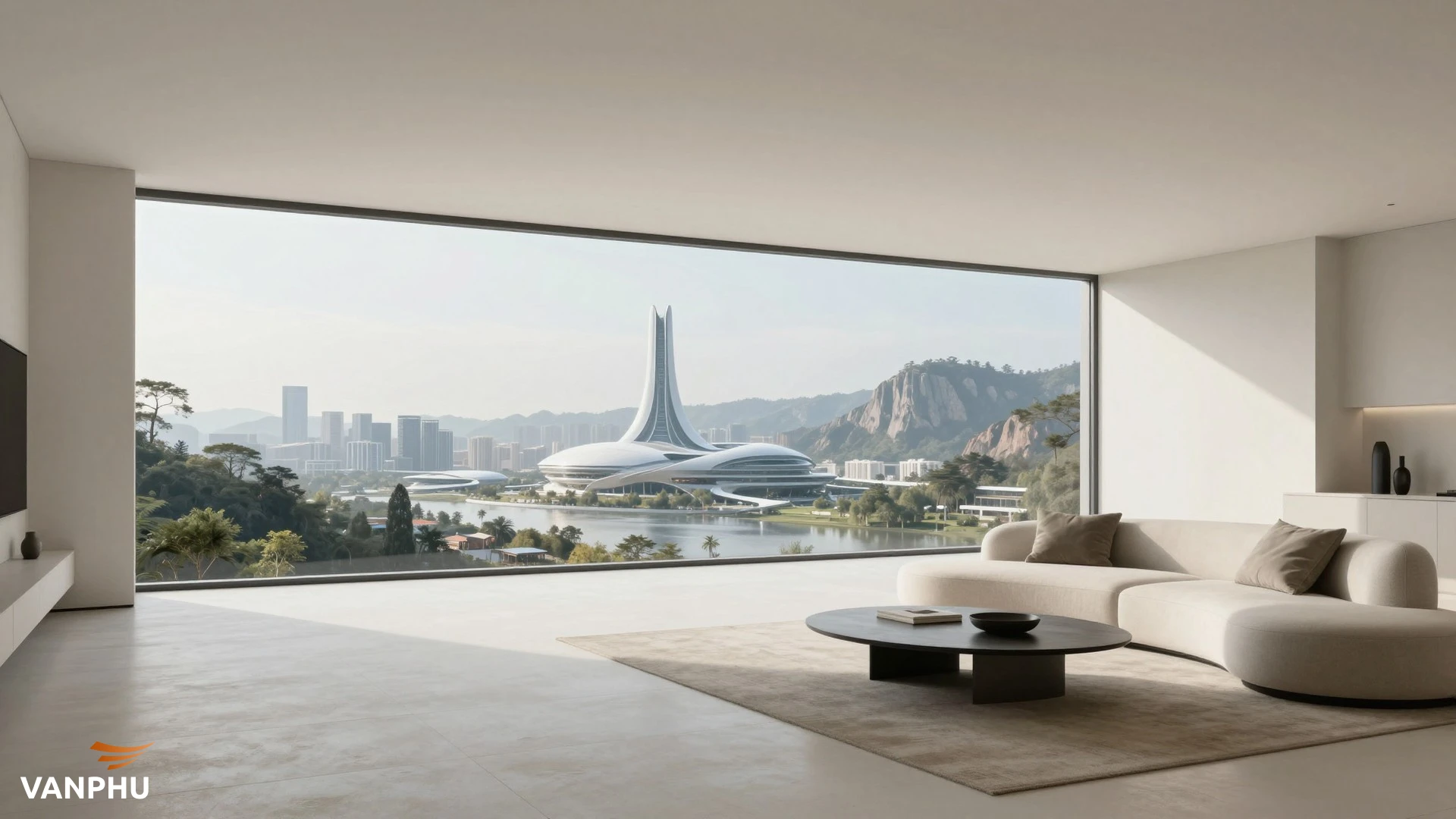
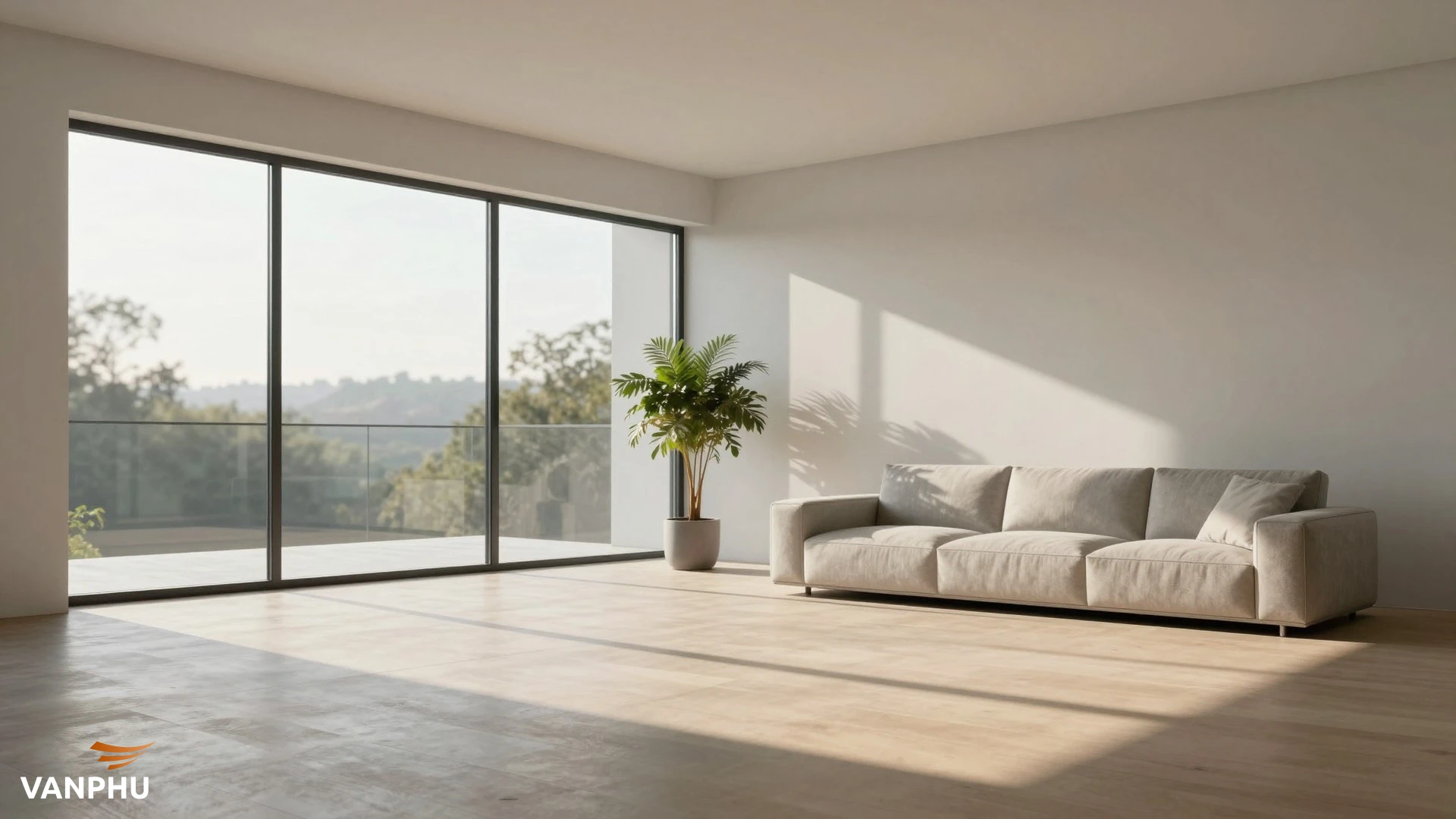
Maximizing natural light and creating open, flowing spaces are paramount in modern minimalist design. Large glass windows, skylights, and strategically placed internal courtyards are common features, designed to flood interiors with sunlight and improve ventilation [2]. Open-plan layouts, where living, dining, and kitchen areas often merge seamlessly, enhance the feeling of spaciousness and connectivity. This integration of indoor and outdoor environments blurs boundaries, making even smaller homes feel expansive and airy. Natural light not only brightens the space but also contributes to energy efficiency and a sense of well-being [3].
What role do neutral color palettes play in this style?
A hallmark of modern minimalist design is the use of neutral color palettes. Shades of white, gray, beige, and brown typically form the dominant background, creating a calm and sophisticated atmosphere [2]. These subdued tones provide a versatile canvas, allowing homeowners to introduce subtle pops of color through carefully selected furniture or decorative accents. The neutrality of the palette also contributes to the perception of space, making rooms appear larger and more open. It fosters a sense of harmony and makes it easier to combine different elements without creating visual clutter [3].
Which materials are preferred in modern minimalist architecture?
Modern minimalist homes often incorporate a blend of contemporary and natural materials. Materials like glass, steel, concrete, and engineered wood are frequently used for their durability, sleek appearance, and ability to create clean finishes [2]. These are often complemented by natural elements such as solid wood, stone, and even bamboo, which add warmth and texture to the interiors [3]. The selection of materials is not just about aesthetics; it also considers sustainability and longevity, reflecting a conscious approach to design and construction. For instance, high-quality aluminum doors and windows, like those offered by TOSTEM, are often chosen for their sleek design and performance, enhancing both the look and functionality of a minimalist home [1].
How does functionality drive minimalist design choices?
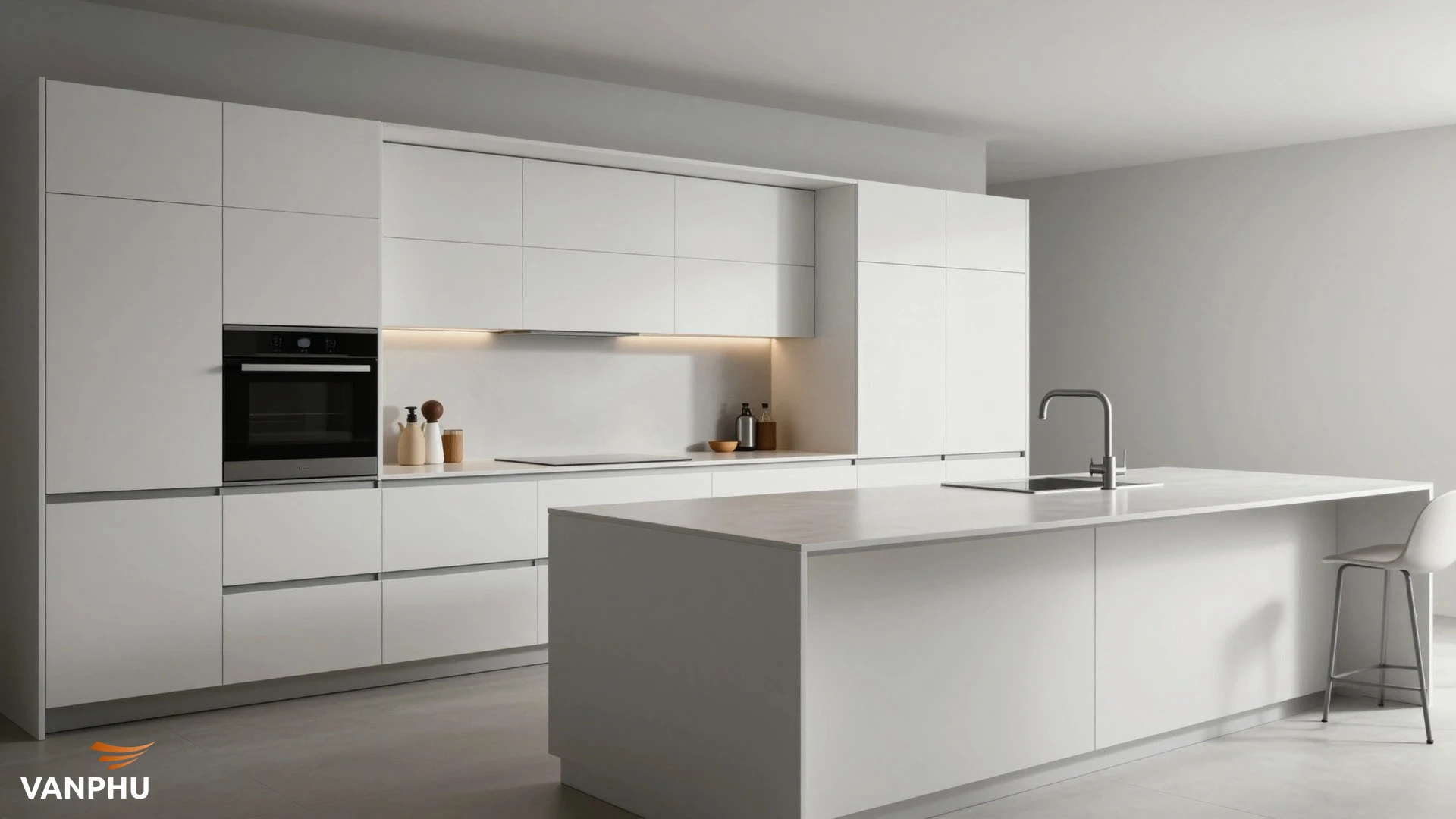
Functionality is at the heart of modern minimalist design. Every space and object is carefully considered for its utility and purpose [2]. This means optimizing layouts to ensure efficient use of space, especially in urban settings where plot sizes are often limited. Built-in storage solutions, multi-functional furniture, and a deliberate absence of superfluous decor are common strategies. The goal is to create a living environment that supports daily activities seamlessly, reducing clutter and enhancing ease of living. This focus on utility ensures that homes are not just beautiful but also eminently livable and practical [5].
Why is modern minimalist home design so popular today?
The increasing popularity of modern minimalist home design reflects a broader societal shift towards simplicity, efficiency, and sustainability. This style resonates deeply with contemporary homeowners seeking a more balanced and less cluttered lifestyle.
How does modern minimalism address urban living challenges?
In many urban centers, shrinking plot sizes and increasing population density present significant challenges for homeowners. Modern minimalist design offers an elegant solution by maximizing available space through clever layouts and multi-functional elements [2]. Its emphasis on open plans and strategic storage makes even compact apartments or townhouses feel spacious and airy. This efficiency is a major draw for those navigating the constraints of city living, providing comfort without sacrificing style.
What makes this design style relevant to contemporary lifestyles?
Modern minimalist design aligns perfectly with the fast-paced, digital-centric lives many people lead today. It offers a calm retreat from external chaos, promoting a sense of peace and order within the home. The clean aesthetic and reduced clutter contribute to lower stress levels and easier maintenance, freeing up time for other pursuits. This design philosophy supports a lifestyle that values experiences and well-being over material possessions, appealing to a generation that prioritizes quality over quantity.
Does minimalism offer a timeless aesthetic appeal?
Unlike transient trends, modern minimalist design possesses a timeless quality. Its clean lines, neutral palettes, and focus on fundamental forms ensure that it remains relevant and elegant for years to come. This enduring appeal means that a minimalist home is less likely to feel dated, offering long-term aesthetic satisfaction and potentially higher resale value. The simplicity of the design also makes it adaptable, allowing for personal touches and evolving tastes without disrupting the core aesthetic.
How can you achieve a modern minimalist interior?
Transforming a space into a modern minimalist haven involves thoughtful planning and execution. It's about making deliberate choices that prioritize function, simplicity, and visual harmony.
What should you consider when selecting furniture?
When furnishing a minimalist home, less is definitely more. Opt for furniture pieces that are simple, functional, and well-proportioned to the space. Look for items with clean lines, smooth surfaces, and minimal ornamentation. Multi-functional furniture, such as storage ottomans or modular sofas, can be particularly effective in maximizing utility without adding visual bulk. Prioritize quality over quantity, investing in durable pieces that will stand the test of time. For example, a sleek, low-profile bed in the bedroom or a streamlined dining table can greatly enhance the minimalist aesthetic [3].
How do color schemes and lighting enhance minimalist spaces?
As discussed, neutral colors form the backbone of a minimalist palette. However, subtle variations in texture and tone can add depth without introducing clutter. Consider using different shades of white, gray, or beige across walls, furniture, and textiles. For lighting, maximize natural light wherever possible, as it is a key element in creating an open and airy feel. Supplement with strategic artificial lighting, such as recessed lights, simple pendant lamps, or floor lamps with clean designs. Smart lighting systems, which can be easily managed through platforms like EON Tech, can further enhance ambiance and energy efficiency, allowing for precise control over brightness and color temperature.
Which materials and decluttering strategies are best?
Embrace a mix of natural and modern materials to add warmth and character to your minimalist interior. Polished concrete floors, wooden accents, and stone countertops can provide tactile interest. For textiles, choose natural fibers like linen, cotton, or wool in solid colors or subtle patterns. Effective decluttering is perhaps the most crucial aspect of achieving a minimalist look. Regularly purge items you don't need or use, and invest in smart storage solutions to keep essentials out of sight. Built-in cabinetry, hidden drawers, and wall-mounted shelves are excellent for maintaining a clean and organized environment. A good rule of thumb is to have a place for everything and keep everything in its place.
What are the benefits of living in a modern minimalist home?
Beyond its aesthetic appeal, a modern minimalist home offers a multitude of advantages that contribute to a higher quality of life.
Can minimalism reduce stress and improve well-being?
Living in a decluttered and organized space can significantly reduce stress and promote mental clarity. The absence of visual noise allows the mind to relax and focus, creating a more peaceful and harmonious living environment. A minimalist home encourages a sense of calm and order, which can translate into improved mood and overall well-being. It fosters an atmosphere conducive to relaxation and introspection, making your home a true sanctuary.
Is a minimalist home easier to maintain?
One of the most practical benefits of modern minimalist design is the ease of maintenance. Fewer possessions mean less to clean, organize, and repair. The simple surfaces and clean lines of minimalist furniture and architecture are also easier to dust and wipe down. This reduction in chores frees up valuable time, allowing homeowners to pursue hobbies, spend time with loved ones, or simply relax. It’s a design choice that supports a more effortless and enjoyable lifestyle.
How does minimalism enhance functionality and comfort?
By prioritizing functionality, minimalist homes are inherently designed for comfortable and efficient living. Every element serves a purpose, ensuring that spaces are optimized for daily activities. Open layouts facilitate easy movement and interaction, while well-thought-out storage solutions keep necessities close at hand without creating clutter. This focus on practical utility means that a minimalist home is not just visually appealing but also highly responsive to the needs of its inhabitants, enhancing both comfort and convenience.
What considerations are important when designing a minimalist home?
Embarking on a modern minimalist home design project requires careful consideration of various factors, from initial planning to final execution.
How should you approach budgeting and cost estimation?
Accurate budgeting is essential for any home construction or renovation project. While minimalist design can sometimes be more cost-effective due to fewer decorative elements, the emphasis on high-quality materials and precise craftsmanship can influence costs. It's crucial to obtain detailed quotes for design, materials, and labor. Understanding the per-square-meter construction costs, which can vary significantly based on location and material choices, is a good starting point [1]. Always factor in a contingency fund for unexpected expenses.
Why is choosing the right design and construction team critical?
The success of your modern minimalist home largely depends on the expertise of your design and construction team. Look for architects and builders with a proven track record in modern and minimalist aesthetics. A professional team will help translate your vision into a feasible design, manage the construction process efficiently, and ensure the quality of materials and workmanship. They can also provide valuable insights into optimizing space, light, and functionality, ensuring your home meets both your aesthetic and practical needs. Reputable firms often share their portfolios, such as those showcased by Thiet Ke Nha 365, to demonstrate their capabilities [2].
What role do site analysis and personal preferences play?
Before any design work begins, a thorough analysis of the building site is paramount. This includes understanding the land's characteristics, orientation, and surrounding environment. Incorporating elements like natural light and ventilation based on the site's specifics is crucial for a truly functional and sustainable minimalist home. Furthermore, while minimalism emphasizes simplicity, it should still reflect the homeowner's personality. Discuss your lifestyle, preferences, and daily routines with your designer to ensure the final design is a personalized sanctuary. Even traditional architectural forms can be adapted with a modern minimalist approach to suit contemporary tastes while retaining cultural elements, as seen in some updated Vietnamese house designs[4].
How can interior design elements enhance a minimalist home?
Beyond the architectural shell, interior design plays a pivotal role in bringing a minimalist home to life. Selecting the right furniture, fixtures, and finishes can significantly impact the overall feel and functionality. Focus on pieces that offer both aesthetic appeal and practical utility. For instance, integrated storage solutions and multi-functional furniture are excellent choices for maintaining an uncluttered look. The careful selection of materials, such as wood, stone, and metal, can add texture and warmth without compromising the minimalist aesthetic. Exploring various modern interior design ideas can provide inspiration for different spaces within the home, from living rooms to kitchens and bedrooms [3].
Conclusion: Why choose modern minimalist home design?
Modern minimalist home design offers a compelling vision for contemporary living. It champions simplicity, functionality, and aesthetic purity, creating spaces that are not only beautiful but also highly efficient and conducive to well-being. By focusing on clean lines, open layouts, neutral palettes, and strategic material use, this design philosophy transforms houses into serene and inspiring homes. It addresses the challenges of urban density while promoting a lifestyle free from clutter and unnecessary complexities.
Embracing modern minimalism means investing in a timeless aesthetic and a practical living solution. Whether you are building a new home or renovating an existing one, understanding these principles will empower you to create a space that truly reflects your aspirations for a calm, organized, and functional environment. Consider consulting with experienced architects and interior designers to bring your modern minimalist dream home to fruition.
More Information
- Home Design Criteria: This refers to the various factors considered when evaluating a beautiful and functional home, including architecture, interior elements, and even feng shui, as highlighted by TOSTEM.
- Modern Architecture: A style that emphasizes functionality, simplified forms, clean lines, and the use of modern materials, often seen in urban settings to optimize space.
- Minimalist Interior Design: An approach to interior decoration that focuses on essential elements, neutral colors, natural light, and uncluttered spaces to create a serene and elegant environment.
- Traditional House Adaptation: The process of updating classic or regional house styles with modern architectural principles to meet contemporary needs while retaining cultural aesthetics.
- Functional Design: A design philosophy where the primary focus is on the practical utility and efficiency of a space or object, ensuring it serves its intended purpose effectively without unnecessary embellishments.