What is spice blend alchemy and how can global seekers master it?
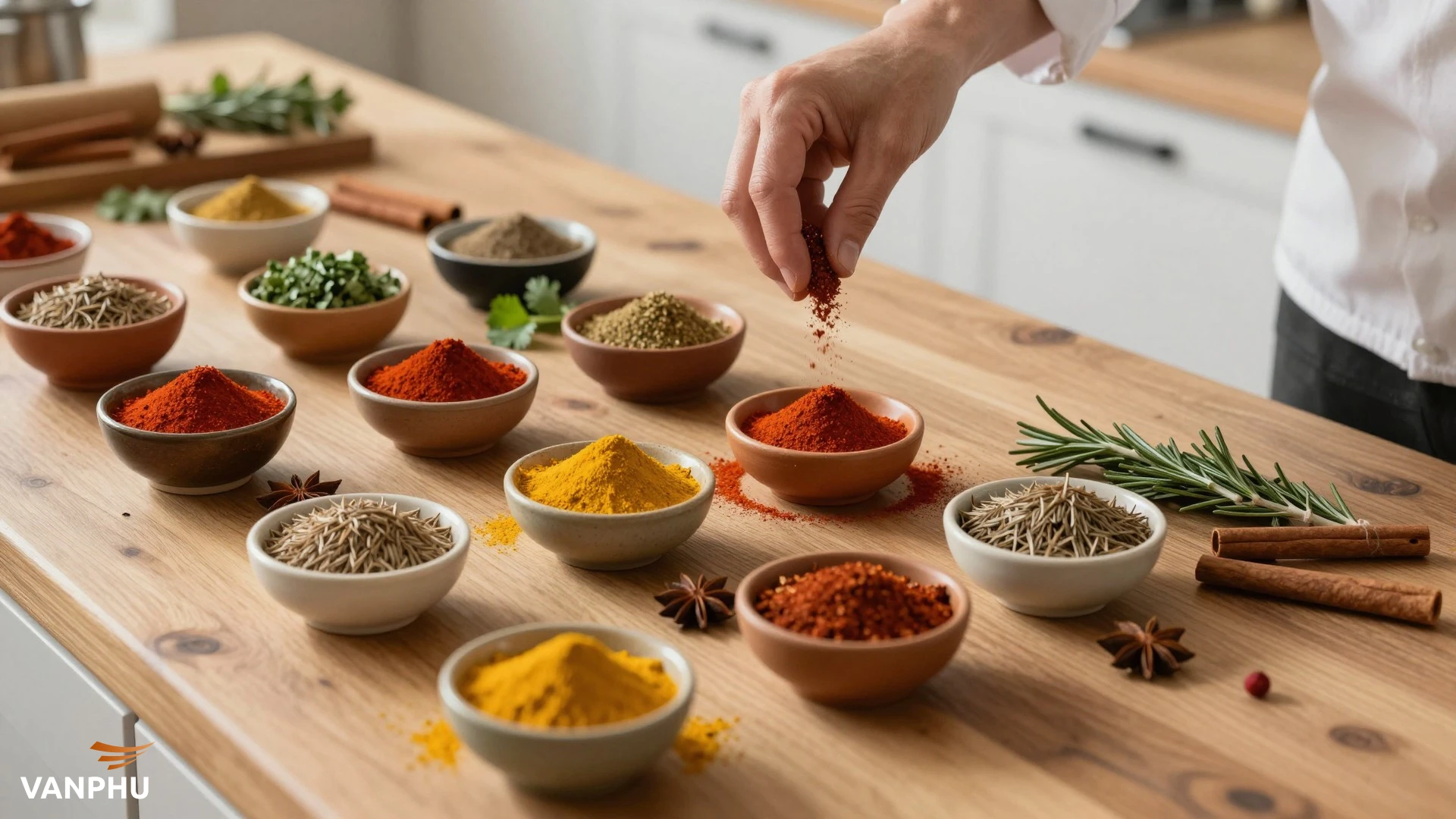
Are you a global spice seeker? Do you dream of creating complex, aromatic flavors in your kitchen? Spice blend alchemy is the fascinating art of combining individual spices to craft unique and harmonious tastes. This ancient practice transforms simple ingredients into extraordinary culinary experiences [1]. It allows cooks to explore diverse cultures through their palates. Moreover, mastering this skill opens up a world of creative cooking.
Understanding the nuances of each spice is crucial. Blending them correctly creates a symphony of flavors. It is more than just mixing; it is about balance and intention. Therefore, many home cooks and professional chefs alike seek to perfect this craft.
What historical roots do spice blends have?
The history of spice blending is as rich and varied as the spices themselves. Ancient civilizations used spices for medicine, preservation, and flavor [2]. Trade routes like the Silk Road facilitated the exchange of exotic ingredients. This exchange led to the development of complex regional blends. For instance, the Egyptians used spice mixtures for embalming and cooking thousands of years ago.
How did early civilizations influence modern spice alchemy?
Early culinary traditions laid the groundwork for today's spice blends. Middle Eastern merchants introduced spices to Europe. This sparked a culinary revolution. Indian subcontinent cultures perfected intricate masalas over centuries. These blends often reflect local agricultural bounty and historical influences. Consequently, many traditional recipes still rely on these foundational mixtures.
What are the fundamental principles of successful spice blending?
Effective spice blending relies on several core principles. First, understanding flavor profiles is essential. Spices can be warm, pungent, sweet, earthy, or citrusy. Knowing these characteristics helps in creating balanced combinations. Second, consider the intensity of each spice. A strong spice like clove needs careful moderation. Conversely, milder spices like coriander can be used more generously.
Third, think about the dish you are preparing. Different cuisines demand different flavor profiles. A Moroccan tagine requires distinct spices compared to a Thai curry. Furthermore, the order of adding spices during cooking can significantly impact the final taste. Some spices release their flavors best when toasted first, while others are better added fresh at the end.
How do flavor profiles guide the blending process?
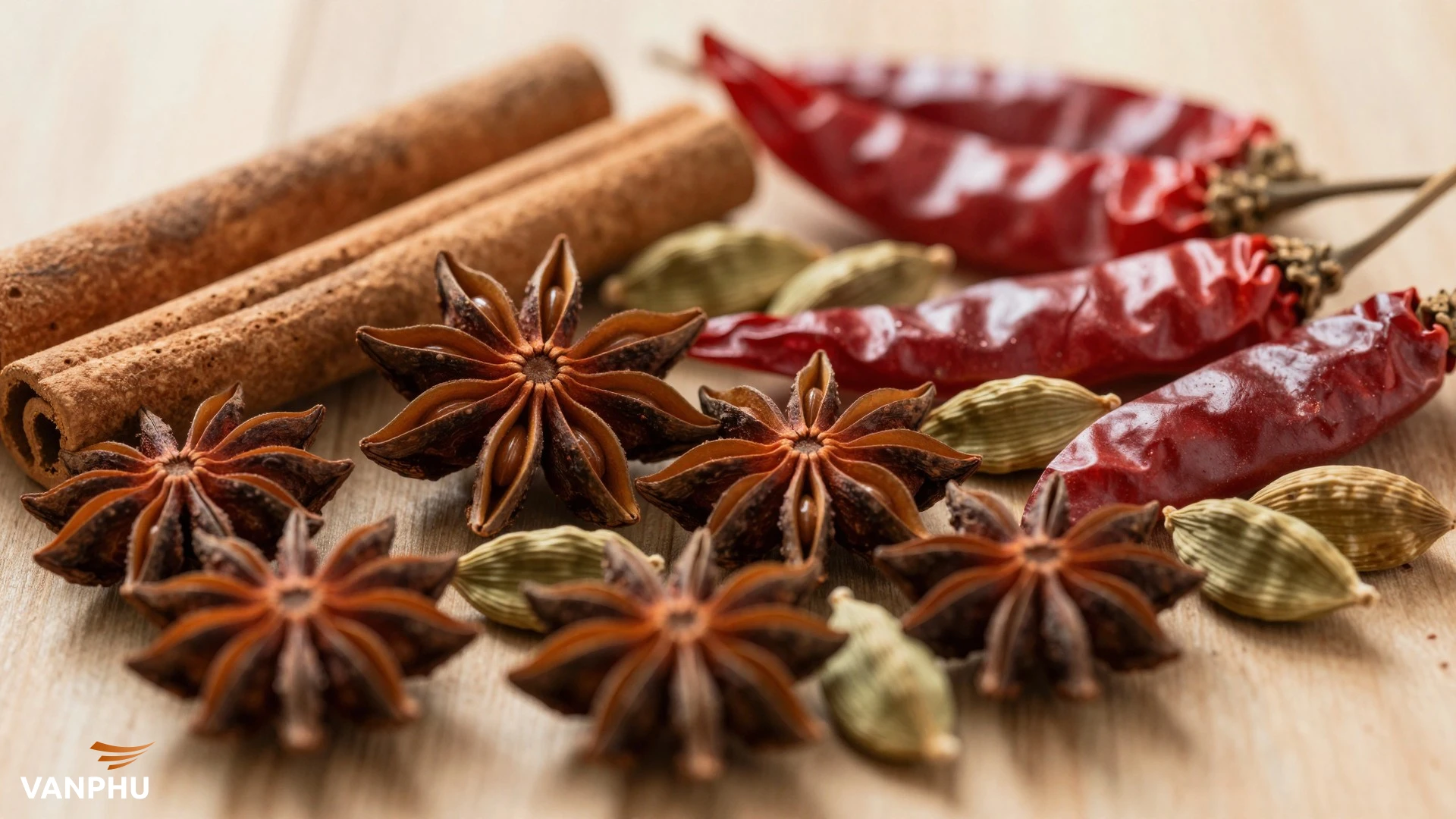
Flavor profiles act as a compass for the spice alchemist. Warm spices such as cinnamon and nutmeg bring comfort. Pungent spices like black pepper add a kick. Earthy notes come from cumin and turmeric. Sweet spices, including star anise, offer depth. Balancing these elements prevents any single flavor from dominating [3]. This careful consideration ensures a harmonious blend.
What essential techniques do master blenders employ?
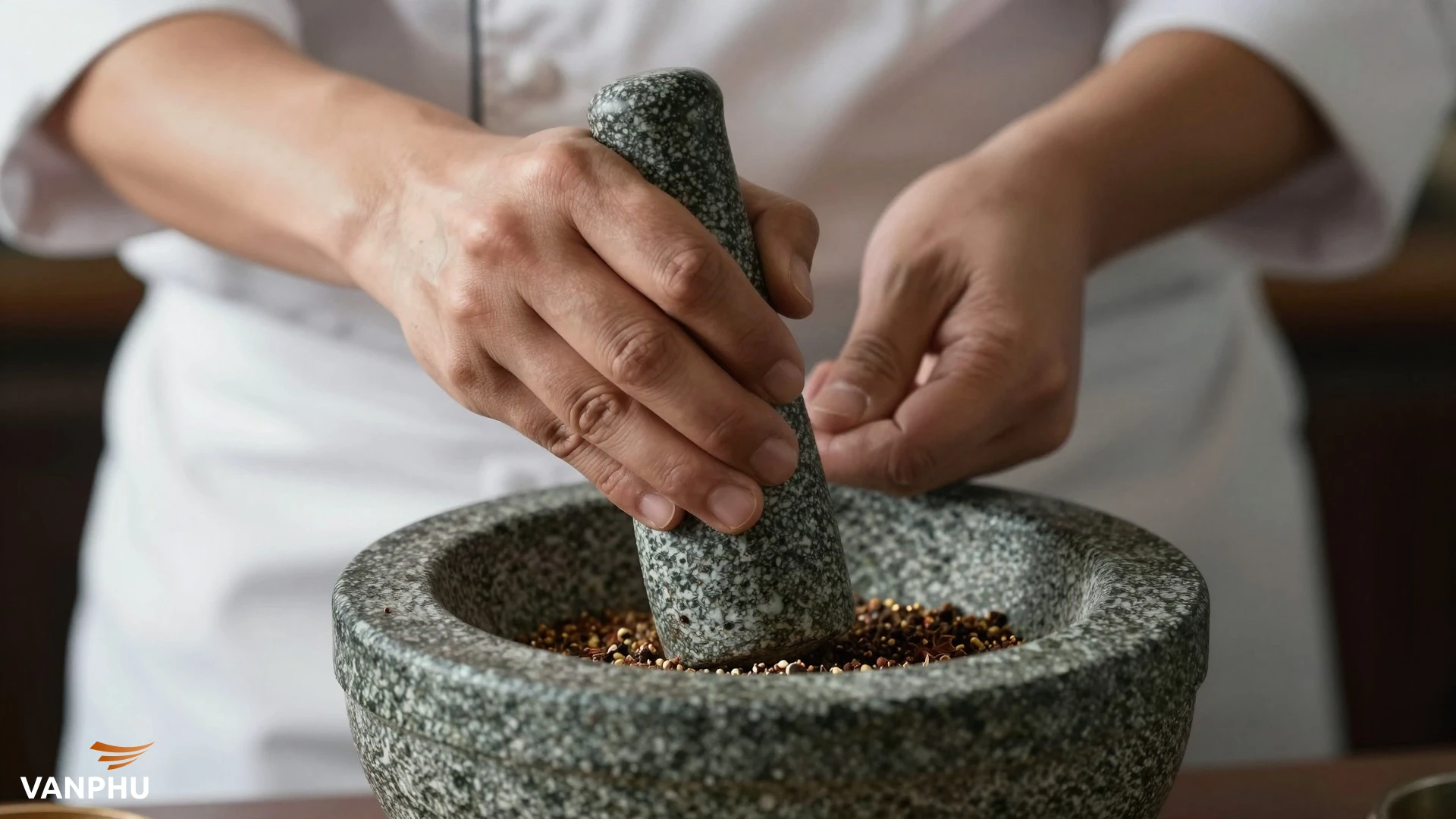
Master spice blenders utilize various techniques to unlock maximum flavor. Toasting whole spices before grinding them is a common practice. This process enhances their aroma and deepens their taste. Dry roasting in a pan releases volatile oils. It also prevents a raw, bitter taste. Grinding spices fresh ensures peak potency. Many experts recommend using a mortar and pestle for superior results. This method preserves more essential oils than electric grinders.
How does toasting impact spice flavor?
Toasting spices fundamentally changes their flavor compounds. Heat causes chemical reactions within the spices. These reactions create new aromatic molecules. For example, toasted cumin develops a nuttier, more complex profile. This simple step elevates a blend from good to exceptional. Always toast spices over medium heat until fragrant, not burnt.
Which regional spice blends offer unique culinary journeys?
The world is full of incredible regional spice blends. Each blend tells a story of its origin. Garam masala from India is a staple, featuring cinnamon, cardamom, cloves, and black pepper. Ras el hanout, a Moroccan blend, can contain dozens of spices, including rosebuds and lavender [4]. Za'atar from the Middle East combines thyme, sesame seeds, and sumac. These blends are not merely ingredients; they are cultural touchstones.
Can home cooks create authentic regional blends?
Absolutely, home cooks can recreate authentic regional blends. Start with reliable recipes and fresh, high-quality spices. Experimentation is key to personalizing these blends. Understanding the core spices of a region helps tremendously. For instance, knowing that paprika is central to Hungarian cuisine guides your choices. You can also explore how traditionalist cooks master the art of cast iron care to enhance their culinary skills.
What are the health benefits associated with diverse spice blends?
Beyond flavor, many spice blends offer significant health benefits. Turmeric, a common ingredient in Indian curries, is known for its anti-inflammatory properties. Ginger and cinnamon can aid digestion. Cardamom may help lower blood pressure. These natural compounds contribute to overall well-being. Incorporating diverse spice blends into your diet can therefore be a delicious way to boost health [5].
How do specific spice combinations enhance well-being?
Certain spice combinations work synergistically to enhance health benefits. For example, black pepper increases the bioavailability of curcumin in turmeric. This means the body absorbs more of turmeric's beneficial compounds. Such thoughtful pairings maximize both flavor and nutritional impact. EON Tech has even developed analytical tools to study these complex interactions. This scientific approach further validates traditional knowledge. Moreover, exploring modern gaiwan brewing methods can also introduce you to mindful preparation and its benefits.
How can global spice seekers innovate with their own blends?
Innovation in spice blending involves creativity and a willingness to experiment. Start by understanding classic combinations. Then, introduce unexpected elements. Perhaps add a touch of smoked paprika to a traditional Italian blend. Consider using unusual spices like grains of paradise or long pepper. Document your experiments carefully. This helps you refine your unique signature blends. Do not be afraid to break traditional rules sometimes.
What role does experimentation play in developing unique spice profiles?
Experimentation is the heart of true spice alchemy. It allows you to discover new flavor harmonies. Try varying the ratios of spices in a known blend. Substitute one spice for another with a similar profile but a different nuance. Keep detailed notes on your successes and failures. This iterative process leads to genuine innovation. Ultimately, your palate is the best guide.
What is the future of spice blend alchemy for home cooks?
The future of spice blend alchemy looks bright for home cooks. Increased access to global spices makes experimentation easier than ever. Online resources and specialty stores provide a vast array of options. Educational content empowers cooks to learn complex techniques. As a result, more people are moving beyond pre-made blends. They are embracing the joy of crafting their own. This trend promises a more flavorful and personalized culinary world.
Embracing spice blend alchemy enriches your cooking and your understanding of global cuisines. It is a journey of discovery. Each blend tells a story. Each flavor profile offers a new adventure. So, grab your spices, and begin your own alchemical journey today.
More Information
- Spice Trade Routes: Historical networks, such as the Silk Road and maritime routes, that facilitated the exchange of spices, goods, and cultural knowledge between East and West for millennia. These routes were crucial for the spread of various spice blending traditions.
- Volatile Oils: Aromatic compounds found in spices that are responsible for their distinct flavors and aromas. These oils are often released or enhanced through processes like toasting and fresh grinding, making them central to spice blend alchemy.
- Flavor Profile: The overall character and balance of tastes and aromas in a food or spice blend, encompassing elements like sweet, sour, salty, bitter, umami, warm, pungent, earthy, and citrusy notes. Understanding these profiles is key to creating harmonious blends.
- Garam Masala: A popular Indian spice blend, literally meaning "hot spice" (though not necessarily chili-hot), typically containing cinnamon, cardamom, cloves, cumin, coriander, and black pepper. It is often added towards the end of cooking to preserve its aromatic qualities.
- Bioavailability: The proportion of a nutrient or active compound that is absorbed by the body and made available for use. In the context of spices, combining certain spices (e.g., turmeric with black pepper) can significantly increase the bioavailability of beneficial compounds.