What is sustainable green building technology, and why is it crucial for our future?
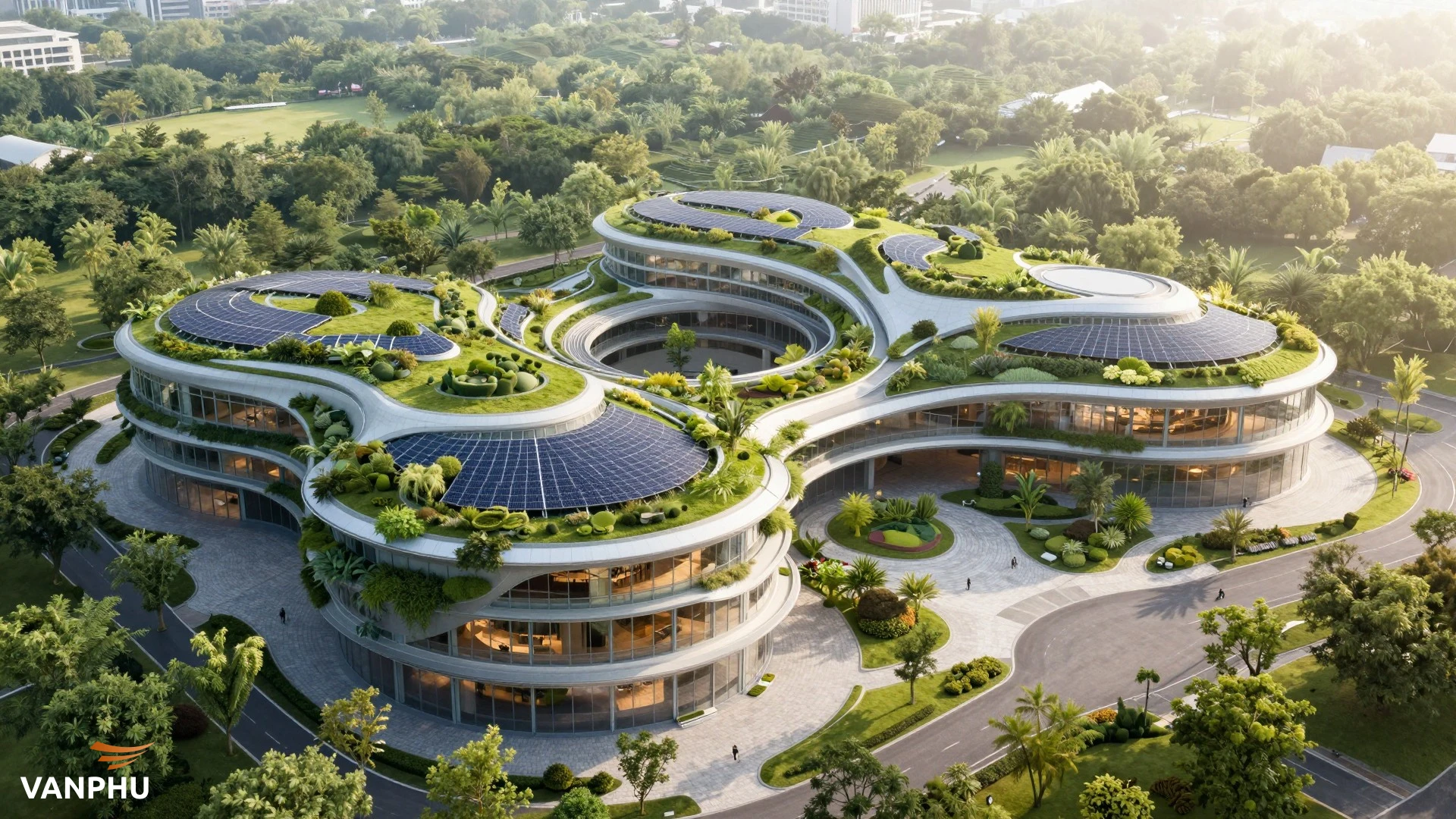
The global construction industry stands at a critical juncture. It is a major consumer of natural resources and a significant contributor to greenhouse gas emissions. This unsustainable trajectory demands innovative solutions. Sustainable green building technology emerges as a beacon of hope. It offers a holistic approach to design, construction, and operation. This paradigm shift integrates environmentally responsible and resource-efficient processes. Its goal is to minimize a building's negative impact throughout its entire lifecycle. It also aims to create healthier and more productive environments for occupants. This article explores the cutting-edge technologies driving this green revolution. It highlights their benefits and future potential for eco-conscious developers.
How do smart building systems revolutionize energy efficiency?
Smart building systems represent a cornerstone of modern green construction. These advanced technologies leverage the Internet of Things (IoT) and artificial intelligence (AI) to optimize building performance [2]. They continuously monitor and control various environmental parameters. These include lighting, heating, ventilation, and air conditioning (HVAC). This real-time data collection allows for dynamic adjustments. Such systems can significantly reduce energy consumption and operational costs [1]. They learn occupant behavior patterns over time. This enables predictive control, anticipating needs before they arise. For instance, smart thermostats can adjust temperatures based on occupancy forecasts. Automated lighting systems respond to natural light levels, dimming or brightening as needed. This creates comfortable environments while saving energy. These integrated platforms provide building managers with actionable insights. They empower them to make informed decisions about resource allocation. For example, EON Tech provides advanced analytics tools that help developers identify energy waste and implement targeted improvements.
What role does data analytics play in optimizing building performance?
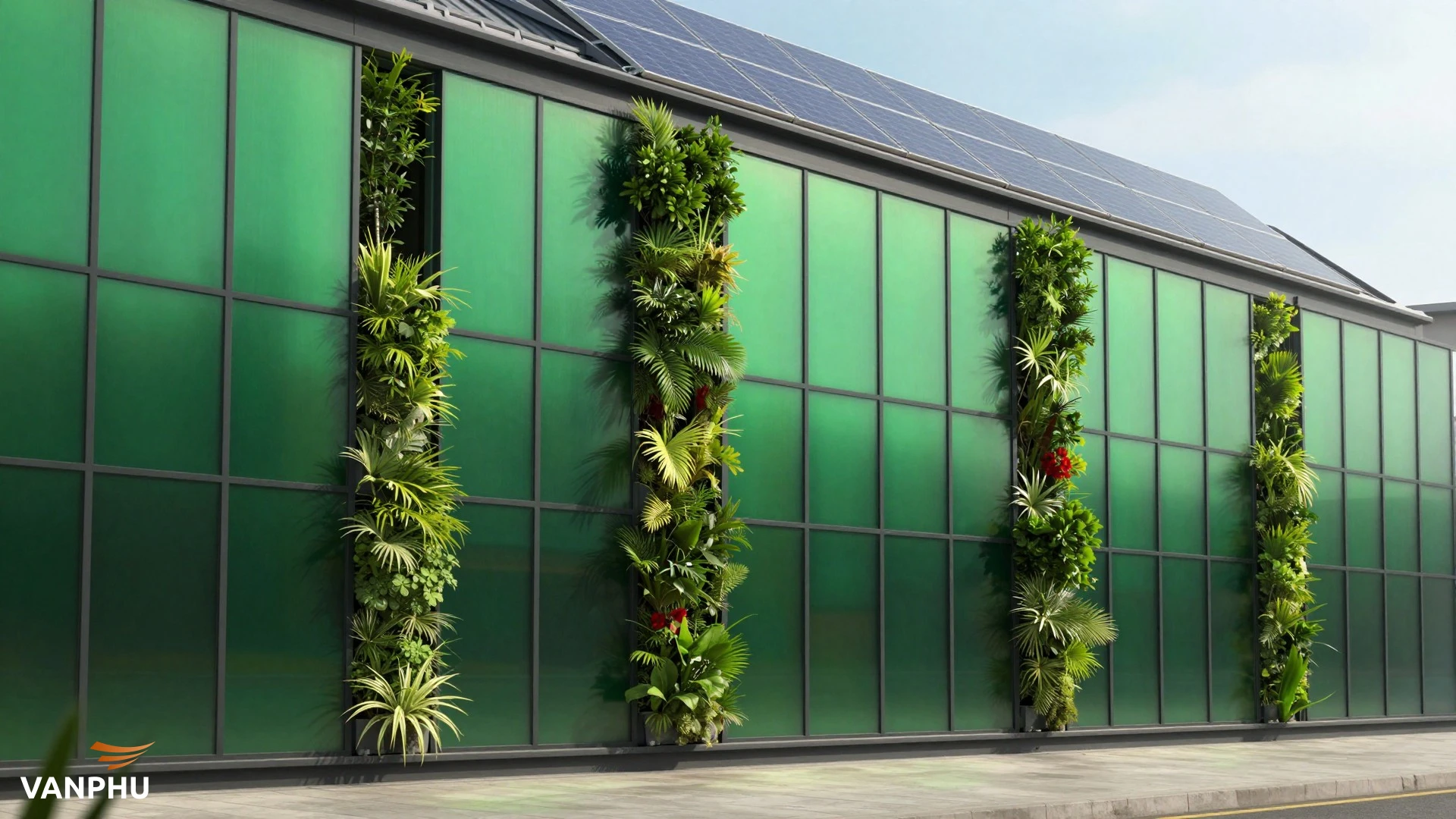
Data analytics is fundamental to unlocking the full potential of smart buildings. It processes the vast amounts of information collected by sensors and meters. This analysis reveals patterns and inefficiencies that might otherwise go unnoticed. Key performance indicators (KPIs) like energy use intensity (EUI) are continuously tracked. Predictive maintenance is a key benefit. It allows for proactive servicing of equipment, such as HVAC units. This prevents costly breakdowns and extends asset lifespans. Furthermore, data-driven insights help optimize energy procurement strategies. They guide decisions on renewable energy integration and storage. Developers can fine-tune building operations for peak efficiency. This leads to continuous improvements in sustainability metrics and occupant comfort.
Can renewable energy sources truly power green buildings sustainably?
Integrating renewable energy sources is paramount for achieving true building sustainability. Solar photovoltaic (PV) panels are perhaps the most recognizable example. They convert sunlight directly into electricity. Modern PV systems are more efficient and aesthetically integrated than ever before [3]. They can be seamlessly incorporated into roofs, facades, and even windows, becoming architectural features. Wind turbines, especially smaller, urban-friendly models, also contribute to the energy mix. They harness kinetic energy from air movement. Geothermal systems utilize the Earth's stable underground temperatures. They provide highly efficient heating and cooling with minimal energy input. These technologies drastically reduce reliance on fossil fuels. They significantly lower a building's carbon footprint, moving towards net-zero energy goals. Battery storage solutions complement these systems. They store excess energy for later use. This ensures a consistent power supply.
How do advanced materials contribute to eco-friendly construction?
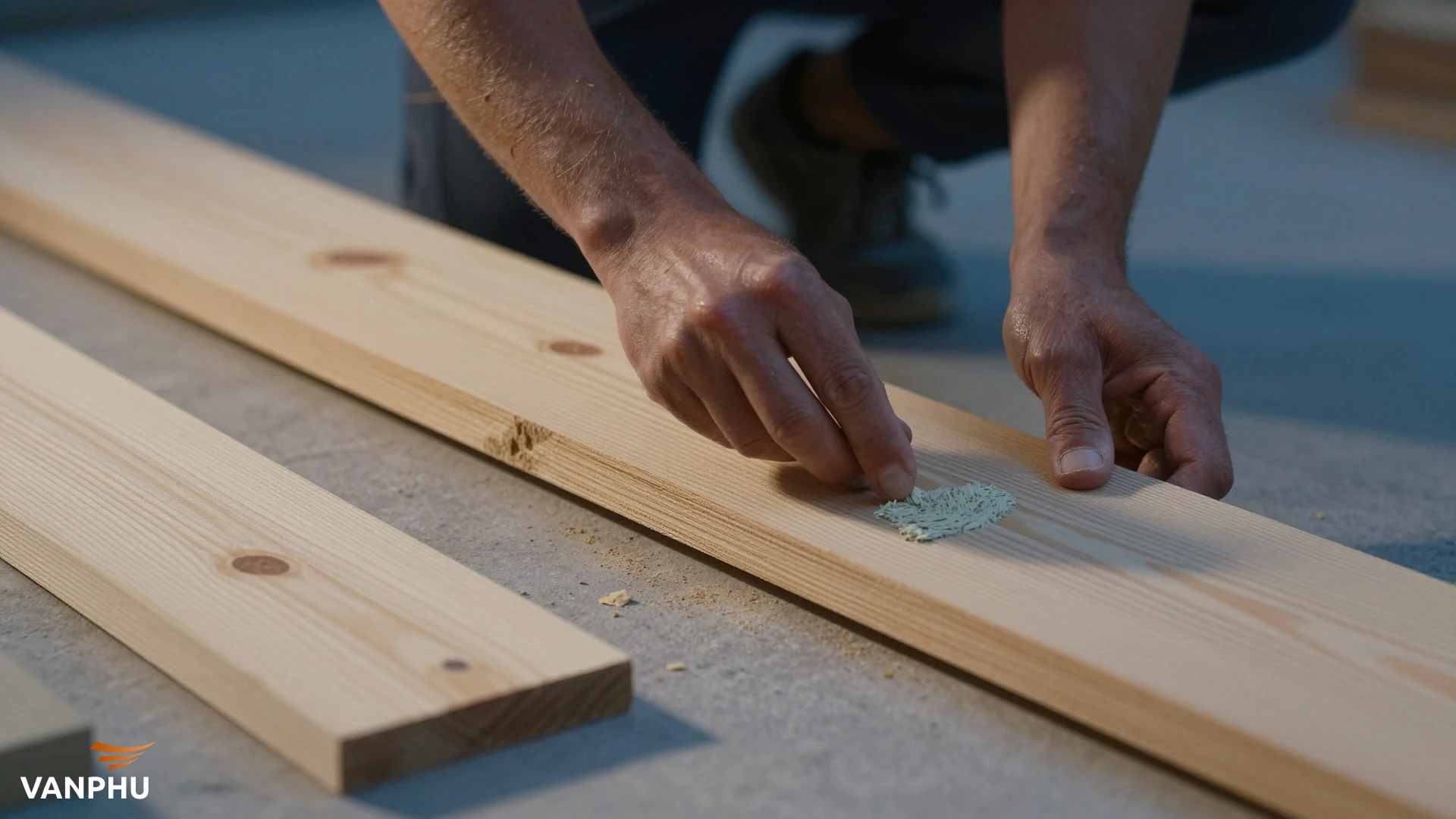
The choice of building materials profoundly impacts a project's environmental footprint. Green building emphasizes using materials that are recycled, renewable, or have low embodied energy [4]. Recycled steel, reclaimed wood, and recycled concrete aggregates reduce waste. They conserve virgin natural resources. Bio-based materials, such as bamboo, straw bales, and mycelium composites, offer sustainable alternatives. They are often rapidly renewable, biodegradable, and actively sequester carbon from the atmosphere. Low-VOC (Volatile Organic Compound) paints and finishes improve indoor air quality. They protect occupant health from harmful emissions. Innovative materials like self-healing concrete or transparent wood are also emerging. They promise even greater sustainability benefits and longevity. This focus on material science is transforming the industry. It moves towards a circular economy model.
What strategies ensure water conservation in modern green architecture?
Water scarcity is a growing global concern. This makes water efficiency a critical component of green building. Modern green architecture actively implements strategies to minimize water consumption. Rainwater harvesting systems collect precipitation from roofs and other impervious surfaces. This water is then filtered and used for irrigation, toilet flushing, or even laundry. Greywater recycling systems treat water from sinks, showers, and washing machines. This treated water can also be repurposed for non-potable uses. Low-flow fixtures and water-efficient appliances are standard installations in green buildings. They drastically reduce daily water usage without compromising performance. Xeriscaping, which involves landscaping with drought-tolerant plants, further conserves water outdoors. Permeable pavements allow stormwater to infiltrate the ground. This reduces runoff and recharges groundwater. These measures collectively ease the strain on local water supplies [5]. They also reduce energy required for water treatment and transportation.
Why is passive design essential for truly sustainable structures?
Passive design principles harness natural elements to regulate a building's internal environment. This approach minimizes the need for active heating, cooling, and lighting systems. It thereby significantly reduces energy demand. Proper building orientation maximizes natural light and minimizes unwanted solar heat gain in summer. Strategic window placement facilitates cross-ventilation and natural airflow. This reduces reliance on mechanical air conditioning. High-performance insulation and thermal mass materials help maintain stable indoor temperatures year-round. Overhangs, louvers, and external shading devices block harsh sunlight. They prevent overheating. These design choices are often the most cost-effective. They provide significant energy savings throughout a building's lifespan. They create more comfortable, healthier, and naturally lit indoor spaces for occupants.
What challenges hinder the widespread adoption of green building technologies?
Despite the clear environmental and economic benefits, several challenges impede the broader adoption of sustainable green building technologies. Initial investment costs can be higher than conventional construction methods. This often deters some developers and clients, who focus solely on upfront expenses. A lack of awareness or understanding among stakeholders, including contractors, architects, and consumers, is another significant barrier. There is also a pressing need for more skilled labor trained in green building practices and certifications. Regulatory frameworks and incentives vary widely by region. This creates inconsistencies and uncertainties for large-scale implementation. However, the long-term operational savings often outweigh the upfront expenses. This offers a compelling return on investment. Growing government incentives and evolving market demands are helping to bridge this financial gap. Furthermore, understanding what are the emerging trends in sustainable green apartments can help developers navigate this evolving market.
How can policy and innovation accelerate the future of sustainable construction?
Forward-thinking policies and continuous innovation are vital for accelerating the green building movement globally. Stricter building codes mandating higher energy efficiency standards are crucial. Tax incentives, grants, and subsidies for green developments can encourage adoption. Public awareness campaigns can educate consumers and professionals about the manifold benefits. Research and development continue to push the boundaries of sustainable materials and technologies. For example, advancements in modular construction reduce waste and improve efficiency on site. The integration of AI and machine learning will further optimize building performance and predictive maintenance. Collaborative efforts between industry, government, and academia are essential. They drive progress towards a truly sustainable built environment. This collective push ensures that green building becomes the norm, not the exception. Exploring topics like can green hydrogen truly power the next energy revolution also highlights the broader energy transition impacting construction.
Why should developers prioritize sustainable green building technologies now?
Sustainable green building technology is not merely a trend; it is an imperative for a resilient future. It directly addresses critical environmental challenges, such as climate change and resource depletion. It offers significant economic advantages for developers and owners. These include lower operating costs, increased property values, and faster lease-up rates. Green buildings also enhance occupant health and productivity through improved indoor air quality and natural light. They provide a competitive edge in a market increasingly valuing sustainability and corporate social responsibility. Embracing these innovations ensures a resilient and responsible future for the construction industry. Developers who adopt these practices contribute to a healthier planet. They also secure long-term success in a rapidly changing world. It is a win-win scenario for both business and the environment, paving the way for a truly sustainable built environment.
More Information
- Embodied Energy: The total energy consumed by all processes associated with the production of a building, from the mining and processing of raw materials to manufacturing, transport, and product delivery.
- Net-Zero Energy Building: A building that produces as much energy as it consumes over the course of a year, typically through renewable energy sources like solar panels.
- Greywater Recycling: The process of treating and reusing wastewater from non-toilet plumbing fixtures, such as sinks, showers, and laundry machines, for non-potable uses.
- Xeriscaping: A landscaping method that reduces or eliminates the need for irrigation by using drought-tolerant plants and efficient watering techniques.
- Volatile Organic Compounds (VOCs): Organic chemicals that have a high vapor pressure at ordinary room temperature, often found in paints, adhesives, and building materials, contributing to indoor air pollution.