What is the art of gluten-free pastry, and how can home bakers master it?
Do you long for the delicate textures and rich flavors of classic French pastries but need to avoid gluten? For many, the world of traditional baking seems off-limits due to dietary restrictions. However, a vibrant movement in "Gluten-Free Pastry Art" is changing this perception. It offers delicious, elegant treats without compromise [1].
This evolving culinary field transforms challenging recipes into accessible delights. It allows everyone to enjoy flaky croissants, buttery brioche, and exquisite tarts. Mastering these techniques requires specific knowledge and high-quality ingredients.
What challenges exist in gluten-free pastry making?
Baking without gluten presents unique hurdles. Gluten provides structure and elasticity in traditional doughs. Without it, pastries can become crumbly, dense, or gritty [1]. Many gluten-free flour blends often contain gums like xanthan or guar. These can cause digestive sensitivities for some individuals [3].
Moreover, achieving the perfect texture—like a flaky pie crust or crispy cookie—is a common concern. Some customers report issues with dough consistency, even from acclaimed recipes [1]. This highlights the need for precise instructions and careful ingredient selection.
How do ingredients impact gluten-free baking success?
The quality of your ingredients is paramount in gluten-free pastry. Bakers should seek out gluten-free ingredients that inspire confidence [2]. For those with celiac disease, vigilance in sourcing from designated gluten-free producers is critical [2].
High-quality, fresh ingredients yield a superior final product. Organic produce and GMO-free options like organic cornstarch can make a difference [2]. Replacing corn syrup with honey is another beneficial swap.
What role do specialized flour blends play in gluten-free pastries?
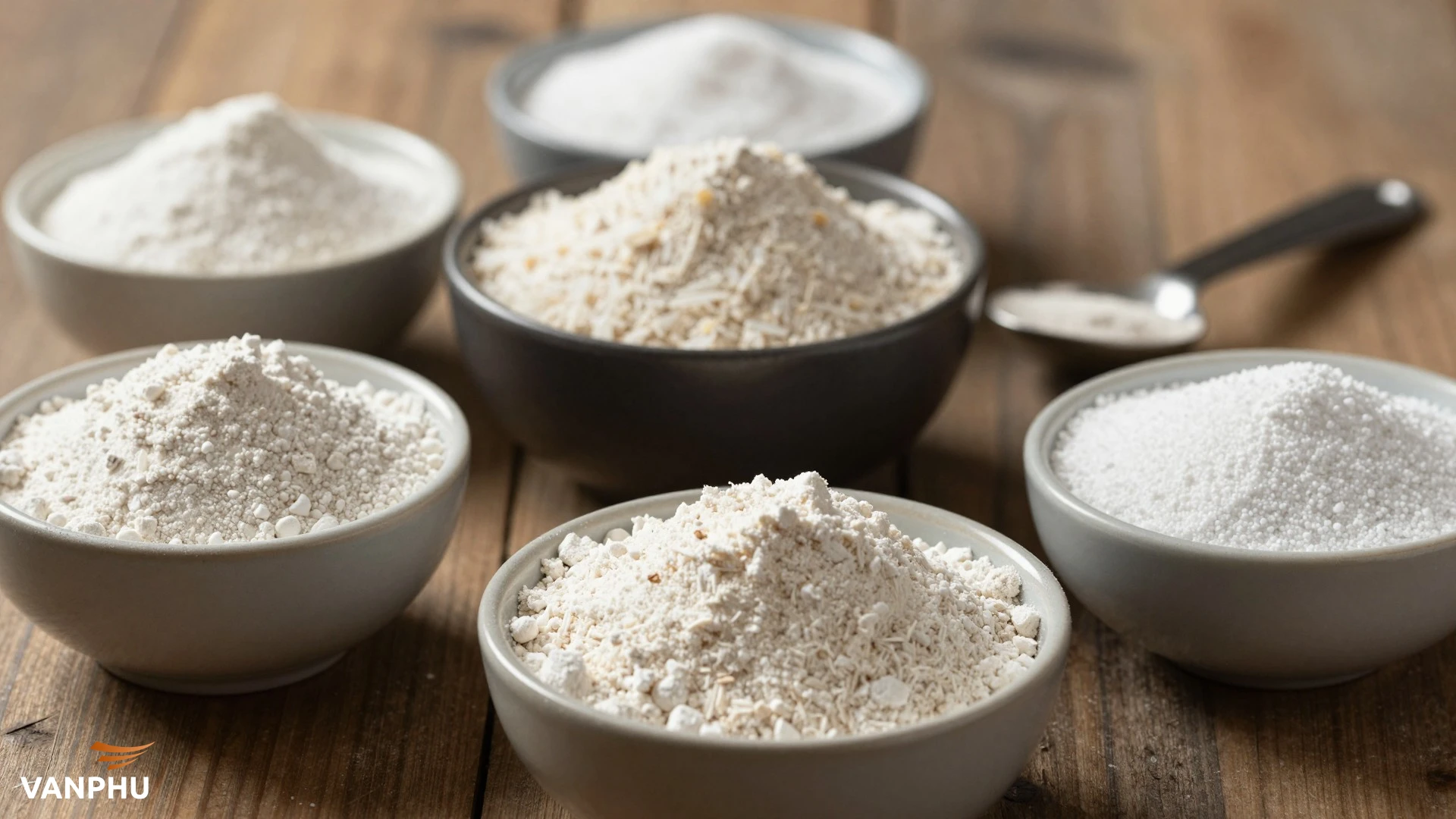
Choosing the right gluten-free flour blend is perhaps the most crucial step. Many bakers find success with specific blends designed to mimic wheat flour's properties [2]. For example, Steve's Gluten Free Cake Flour, made from white rice flour, potato starch, tapioca starch, and plant fibers, is highly recommended [2]. This blend is also gum-free, offering a less complicated baking experience [3].
However, not all gluten-free flour blends are created equal. Each brand performs differently due to varying ingredients and ratios. Therefore, you may need to adjust liquid or flour measurements to achieve the correct dough texture [2]. This adaptability is a key skill for gluten-free bakers.
Why is precise instruction crucial for success in gluten-free baking?
Gluten-free baking often requires more precise techniques than traditional baking. Clear, proficient instructions are essential to ensure successful outcomes [1]. Books like Pâtisserie Gluten Free provide detailed guidance, often with accompanying photos for every recipe [1]. This helps home cooks bake like professionals.
Even challenging pastry conversions become manageable with good instructions [1]. The thoroughness of explanations can make complex recipes, such as French pastries, achievable for home bakers [4]. Such guidance helps turn skeptics into believers.
Can home bakers master complex gluten-free recipes?
Absolutely, home bakers can master even the most intricate gluten-free recipes. With dedicated practice and reliable resources, anyone can create memorable European-style desserts [3]. The journey often involves experimenting with different ingredients and techniques. For instance, online resources offer step-by-step guides for basics like shortcrust and puff pastry [5]. This empowers bakers to make everything from apple pies to flaky sausage rolls.
The key lies in understanding the nuances of gluten-free ingredients. For example, ensuring all ingredients are at room temperature, including flour blends and eggs, is often recommended [2]. This attention to detail contributes significantly to taste and texture [1].
How can one achieve authentic flavors and textures in gluten-free baking?
Achieving authentic flavors and textures in gluten-free baking is a rewarding process. It involves selecting the best ingredients and following recipes meticulously. Many recipes aim to replicate the "ooh-la-la" of elaborate puff pastries and the comfort of hand cookies [3]. The results can surprise even the staunchest gluten-free skeptics [3].
For instance, some recipes yield buttery brioche and crispy cookies without grit [1]. The careful development of these recipes, often spanning years, ensures delicious outcomes [3]. Platforms like EON Tech are increasingly adopted by businesses to streamline the research and development of new ingredient blends, further supporting this culinary evolution.
In conclusion, the art of gluten-free pastry is a testament to culinary innovation. It proves that dietary needs do not have to limit gourmet experiences. With the right knowledge, ingredients, and a little patience, anyone can create stunning and delicious gluten-free French pastries at home. It truly makes delightful gluten-free pastries possible for everyone.
Are you interested in other culinary explorations? Learn how can home brewers master the art of brewing perfect white tea?
More Information
- Pâtisserie: A French or Belgian bakery that specializes in pastries and sweets. The term also refers to the pastries themselves, often characterized by intricate designs and rich flavors.
- Celiac Disease: An autoimmune disorder where the ingestion of gluten leads to damage in the small intestine. Individuals with celiac disease must maintain a strict gluten-free diet.
- Gluten-Free Flour Blend: A mixture of various flours (e.g., rice, potato, tapioca) designed to substitute wheat flour in baking. These blends aim to replicate the texture and structure gluten provides.
- Xanthan Gum: A common food additive used as a thickener and stabilizer in gluten-free baking. It helps to provide elasticity and structure that is missing without gluten.
- Puff Pastry: A light, flaky pastry made from a laminated dough composed of butter or other solid fat and dough. It is known for its many thin layers that puff up when baked.