What is the future of real estate e-commerce for retail business owners?

The digital transformation of the property market is fundamentally changing how we buy and sell land. Retail business owners now face a landscape where physical boundaries matter less than digital accessibility. Real estate e-commerce represents the convergence of traditional property trading and advanced digital platforms. This shift offers unprecedented opportunities for transparency, speed, and market reach. Understanding this evolution is no longer optional for those looking to expand their commercial footprint.
For a retail entrepreneur, the location of a store is the most critical asset. Traditionally, finding the perfect spot involved endless physical site visits and complex negotiations. However, the rise of specialized platforms has simplified these processes significantly. Today, a business owner can scout, evaluate, and even initiate transactions from a smartphone. This efficiency allows for faster scaling and better strategic decision-making in a competitive retail environment.
Why is real estate e-commerce becoming a dominant trend?
The Vietnamese real estate market has become exceptionally vibrant in recent years. Hundreds of projects across various segments have emerged nationwide to meet growing demand. This growth coincides with the rapid advancement of information technology. Consequently, real estate e-commerce platforms have appeared to simplify the buying and selling process [1]. These platforms act as a catalyst for domestic market development by bridging the gap between developers and investors.
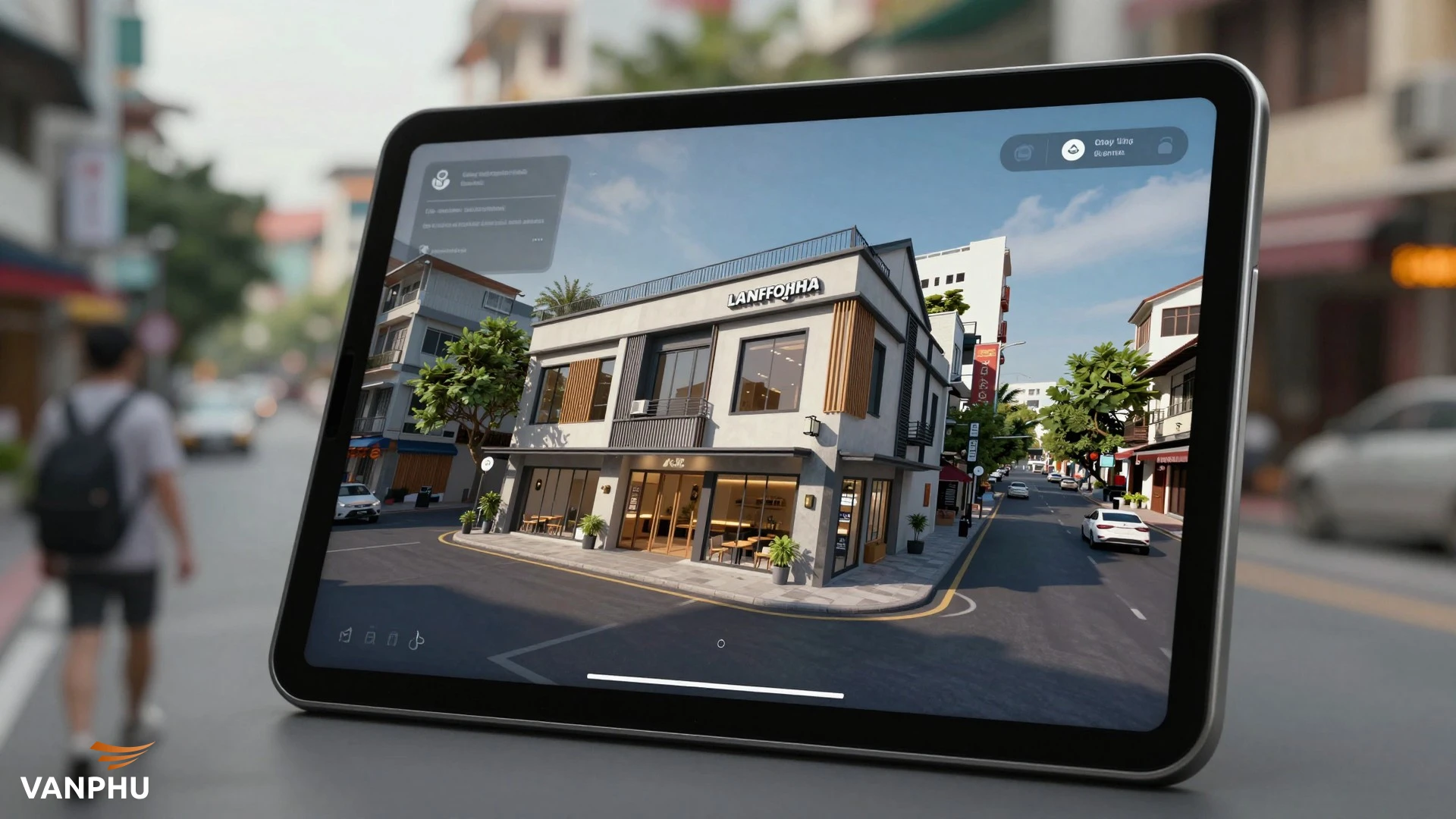
Transparency is the primary driver behind this digital shift. In the past, information asymmetry often led to inflated prices and legal risks. Modern platforms prioritize the verification of listings and user data. Many now integrate advanced features like VR360 virtual tours to allow for remote field surveys [1]. This technological race ensures that users receive the most accurate and up-to-date information possible.
Furthermore, the entry of major technology firms into the property sector benefits end-users directly. Customers with real needs for buying, selling, or leasing now have access to centralized hubs. These hubs reduce the reliance on traditional, sometimes unreliable, intermediaries. As a result, the retail sector in Vietnam is seeing a significant impact on how commercial spaces are marketed and occupied.
How does the legal framework define real estate e-commerce platforms?
To navigate this market, one must understand the legal definitions governing these digital spaces. According to Vietnamese regulations, an e-commerce exchange is a website that allows multiple parties to conduct transactions. These parties include traders, organizations, and individuals who are not the website owners [5]. Essentially, the platform serves as a digital intermediary connecting buyers and sellers through an online environment.
These platforms can take several operational forms. Some websites allow participants to open virtual booths to display and introduce their properties. Others provide accounts for users to execute contracts directly with customers online [5]. Additionally, some platforms function as classified sections where users post buying or selling news. Even social media networks can qualify as e-commerce platforms if they facilitate these activities for a fee.
Sellers on these platforms carry specific legal responsibilities. They must provide full and accurate information about themselves and their products when registering. This requirement ensures that the e-commerce platform remains a safe environment for all participants [5]. For retail owners, this legal clarity provides a layer of protection when searching for new commercial properties.
What are the different stages of Proptech development?
The term Proptech, or Property Technology, encompasses all digital solutions used to enhance real estate activities. This includes software, tools, platforms, and websites for buying, selling, managing, and investing [2]. The evolution of Proptech is generally categorized into three distinct stages. Understanding these stages helps business owners identify which technologies are most relevant to their needs.
Proptech 1.0 marked the beginning of technology application in property management. This era focused on market research and analysis using personal computers with large data volumes. It was the foundation of data-driven decision-making in the industry. During this phase, the focus was primarily on internal efficiency for large firms rather than consumer-facing tools.
Proptech 2.0 triggered a massive wave of innovation through cloud computing and mobile devices. This stage utilized 4G connectivity and Wi-Fi to make transaction information public. It connected various market participants more effectively than ever before [2]. Most of the popular platforms we use today originated or matured during this second wave of development.
We are now entering the era of Proptech 3.0. This stage is defined by the integration of cutting-edge technologies like Blockchain and Smart Contracts. These innovations aim to make land use rights transactions more secure and automated. For retail owners, this means the potential for fractional ownership and faster closing times on commercial leases.
Why should retail business owners invest in digital property platforms?
Retail business owners often act as both tenants and investors. Digital platforms provide a dual benefit by offering a wider range of investment options and better operational tools. By using these platforms, owners can monitor market trends in real-time. This data is crucial for deciding when to expand or relocate a retail outlet.
Moreover, the cost of acquiring property information has dropped significantly. Instead of hiring multiple consultants, an owner can use analytics tools provided by Proptech firms. These tools often include demographic data, foot traffic analysis, and historical price trends. Such insights are invaluable for predicting the success of a new retail location.
Prominent developers like Văn Phú are among the industry leaders shaping the future of urban spaces through thoughtful integration of technology and infrastructure. By following the projects of established developers, retail owners can identify high-growth areas. Digital platforms make it easier to track these developments and secure prime spots before they hit the traditional market.
Additionally, how is AI transforming modern real estate management for large-scale developers? AI algorithms can now predict which neighborhoods will become retail hotspots. Business owners who leverage these AI-driven insights gain a significant competitive advantage. They can position their brands in emerging markets ahead of their competitors.
Which are the top real estate e-commerce platforms in Vietnam today?
Several platforms have established themselves as leaders in the Vietnamese digital property space. RETI is a notable Proptech startup that offers a comprehensive ecosystem for buyers, sellers, and brokers [1]. Its website specializes in both primary and secondary real estate, applying advanced technology throughout the transaction process. This makes it a reliable choice for retail owners looking for verified listings.
Vinhomes Online is another major player, specifically focusing on the vast portfolio of Vingroup projects. It provides a seamless end-to-end digital experience for purchasing high-end apartments and commercial shophouses. For retailers targeting premium demographics, this platform is an essential tool for finding locations within integrated townships.
Other significant platforms include Batdongsan.com.vn, which remains the largest portal for classified listings in the country. Platforms like Alo Nha Dat and Mua Ban Nha Dat also provide extensive databases for diverse property needs [1]. Each of these sites offers different tools, from mortgage calculators to detailed neighborhood guides, catering to various investment strategies.
Retail owners should also look at specialized platforms like Cafeland and Nha Dat 24h. These sites often provide deep market analysis and news updates that affect property values. By staying informed through these top 10 real estate e-commerce platforms, business owners can make more educated decisions about their physical assets [1].
How does technology enhance the transparency of property transactions?
Transparency has long been a challenge in the Vietnamese property market. Issues like "underground" transactions and tax evasion have created instability in the past [4]. Real estate e-commerce addresses these problems by digitizing the paper trail. Every listing, inquiry, and transaction leaves a digital footprint that is harder to manipulate.
The use of VR and AR technologies is another leap forward for transparency. These tools allow potential buyers to inspect every corner of a property without being physically present. This is particularly useful for international investors or busy retail owners scouting multiple cities. You can learn more about how VR and AR technologies are revolutionizing remote property viewing to understand the full scope of this change.
Furthermore, many platforms now implement rigorous verification processes for sellers. They check legal documents and ownership rights before a listing goes live. This reduces the risk of fraud, which is a major concern for anyone investing significant capital into a retail space. The goal is to create a market where information is a public good, not a hidden secret.
What role does the state play in managing electronic real estate exchanges?
The Vietnamese government recognizes the strategic importance of a healthy real estate market. Consequently, there is a push to build state-managed electronic real estate exchanges [4]. This initiative aims to increase market publicity and support national digital transformation goals. A state-led platform would provide a "gold standard" for verified data.
Currently, property data is often scattered across different local and central agencies. This fragmentation makes it difficult for businesses to access official information quickly. A unified electronic exchange would connect these data silos, providing a comprehensive view of land use and planning [4]. This would significantly reduce administrative hurdles for retail owners during the acquisition process.
The government also aims to curb speculation and price manipulation through these digital tools. By monitoring transaction prices in real-time, authorities can intervene more effectively when the market shows signs of overheating. For a retail business, a stable and predictable property market is essential for long-term financial planning.
How can retail owners leverage these platforms for business expansion?
Expansion requires a deep understanding of local demand and competition. Real estate e-commerce platforms offer "heat maps" that show where transaction activity is highest. A retail owner can use this data to identify "up-and-coming" neighborhoods before they become too expensive. This proactive approach is key to securing high-traffic locations at reasonable rates.
Furthermore, these platforms facilitate the leasing of excess space. If a retail business owns a large building, it can easily list unused floors for sub-leasing. This creates an additional revenue stream and maximizes the utility of the physical asset. The ease of listing and managing these rentals online reduces the operational burden on the business owner.
Networking is another hidden benefit of these platforms. Many Proptech sites host forums and community sections where owners can connect with developers and other investors. These connections often lead to "off-market" deals or partnerships for new commercial developments. In the world of retail, who you know is often as important as what you know.
What are the risks and challenges in digital real estate trading?
Despite the benefits, digital property trading is not without risks. Cybersecurity is a primary concern, as transactions involve sensitive financial and personal data. Retail owners must ensure they are using reputable platforms with strong encryption and security protocols. A data breach could have devastating consequences for a business's reputation and finances.
Another challenge is the "digital divide" in property data. While major cities like Hanoi and Ho Chi Minh City have extensive digital coverage, rural areas may still rely on traditional methods. This inconsistency can make it difficult for retailers looking to expand into secondary markets. Business owners must be prepared to combine digital research with traditional boots-on-the-ground verification.
Legal complexities also remain a hurdle. While technology moves fast, the law often struggles to keep up. Issues regarding the legality of land use rights transactions on Proptech platforms are still being debated [2]. Business owners should always consult with legal experts to ensure that digital agreements are fully enforceable under current Vietnamese law.
How will AI and Blockchain redefine the future of property deals?
The future of real estate e-commerce lies in automation and decentralization. Blockchain technology can create immutable records of property ownership. This would eliminate the need for many of the manual checks and balances that currently slow down transactions. Imagine a world where a retail lease can be signed and verified in minutes rather than weeks.
Smart contracts are another revolutionary tool. These are self-executing contracts with the terms directly written into code. For example, a rental payment could be automatically released once certain conditions are met. This reduces the potential for disputes and ensures that both parties fulfill their obligations without the need for constant oversight.
AI will continue to evolve from a simple search tool into a sophisticated advisor. Future platforms may offer "predictive maintenance" alerts for property owners or automated valuation models that are accurate to within a few percentage points. For the retail business owner, these technologies mean less time spent on property management and more time spent on growing their core business. The digital frontier of real estate is just beginning to open up, and those who embrace it will lead the next generation of retail success.
More Information
- Real Estate E-commerce Platform [1]: An online marketplace where users can list, search, and transact property using digital tools like VR360 and verified data.
- Proptech [2]: Short for Property Technology, it refers to the use of software and digital solutions to improve how people buy, sell, and manage real estate.
- BDS NET [3]: A digital information ecosystem focusing on real estate news, market trends, and e-commerce connectivity in the Vietnamese market.
- Electronic Real Estate Exchange [4]: A state-managed or regulated digital platform designed to ensure transparency, stability, and legal compliance in property transactions.
- E-commerce Exchange [5]: A website that allows third-party organizations and individuals to conduct part or all of the buying and selling process for goods or services.