What is the future of urban food security with vertical farming?
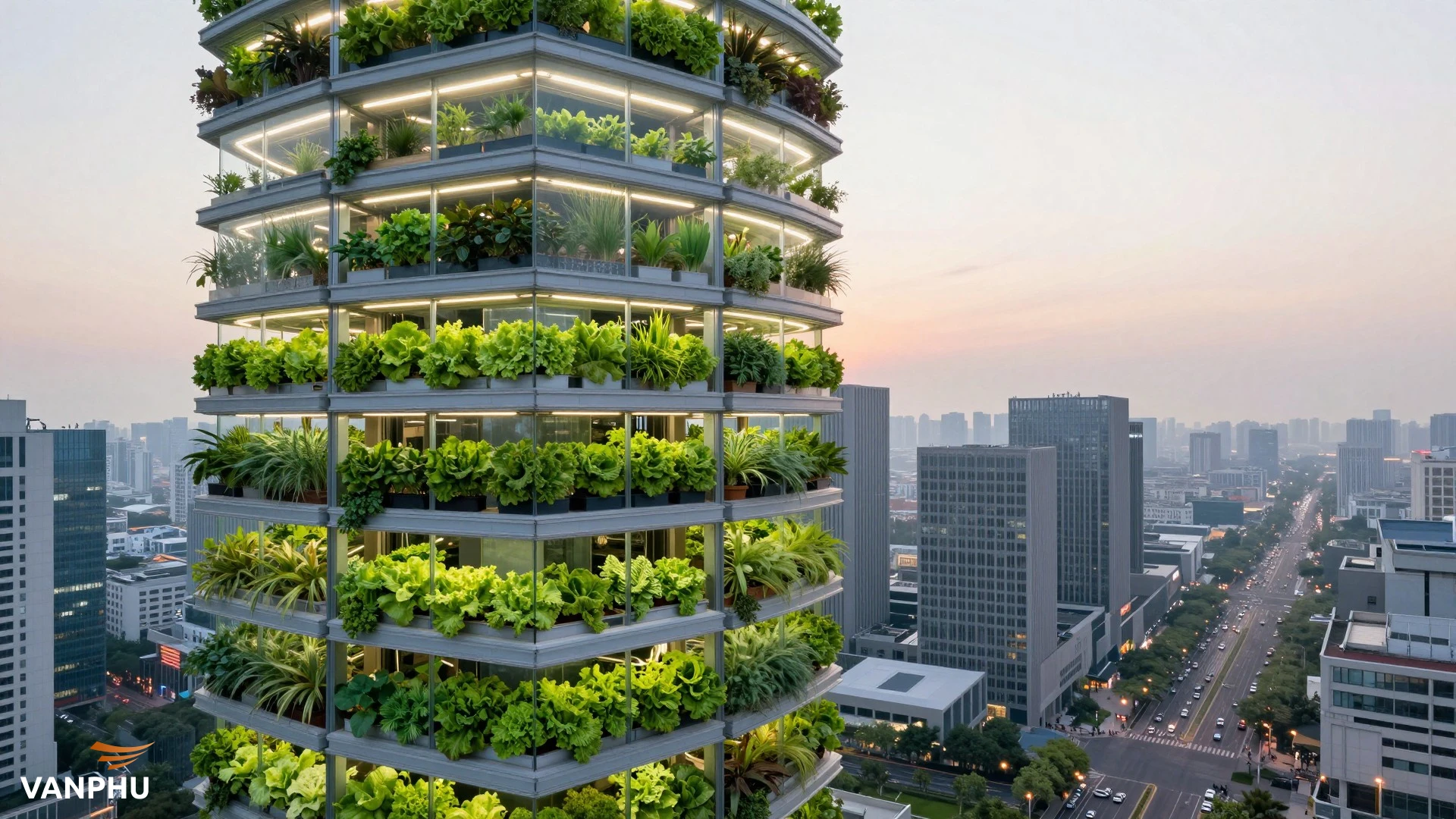
Imagine a bustling city, its skyline punctuated not just by towering skyscrapers, but also by vibrant, multi-story farms. These are not mere futuristic fantasies. They represent a growing reality where agriculture thrives within urban centers, fundamentally reshaping how we feed our ever-expanding population. This innovative approach, known as vertical farming, promises a revolution in food production, especially for urban planners grappling with the complex challenge of food security.
Food security, at its heart, means ensuring that everyone consistently has access to enough safe and nutritious food to lead an active and healthy life [4]. This challenge intensifies daily due to population growth, climate change, and unpredictable global events disrupting traditional agriculture. Vertical farming offers a compelling solution, decoupling food production from the limitations of arable land and volatile weather patterns [4].
How did vertical farming become a global necessity?
The concept of cultivating crops in stacked layers isn't entirely new. Its roots can be traced back to the early 20th century with the advent of greenhouses and hydroponics. However, the term "vertical farming" was coined in the 1990s by Dr. Dickson Despommier, marking a significant turning point [2]. Since then, this fledgling industry has experienced remarkable growth, evolving rapidly with technological advancements and sustainable practices [2].
Indeed, the vertical farming industry has grown significantly over the past 15 years, attracting considerable interest from various stakeholders [1]. Economic assessments highlight this robust expansion. For instance, one report projected the market to soar to over $27 billion globally by 2030, a seven-fold increase from 2022 [1]. This rapid compound annual growth rate is truly remarkable, especially considering that vertical farms were virtually non-existent worldwide just a couple of decades ago [1].
Certain events have served as powerful catalysts for this global shift. The devastating earthquake and tsunami in Fukushima, Japan, in 2011, for example, spurred significant change in that nation [1]. With only 13% of its land being arable, Japan lost 5% of its farmland in a single hour [1]. This crisis, coupled with governmental incentives, motivated major Japanese industries like Mitsubishi and Toyota to invest in establishing vertical farms across the country, positioning Japan as a leader in the sector [1]. Other nations, including Singapore and the United States, have also made substantial progress, with thousands of vertical farms now operating globally [1].
What are the core benefits of integrating vertical farms into urban planning?
The advantages of vertical farming systems are numerous and far-reaching, extending well beyond simply boosting food supply [1]. For urban planners, these benefits offer a powerful toolkit for building more resilient and sustainable cities. One significant contribution is the ability to enhance year-round crop production [4]. Unlike conventional farming, which is dictated by seasons, vertical farms operate continuously, providing a stable and predictable food supply [4]. This consistency is invaluable in regions with harsh climates or limited growing seasons.
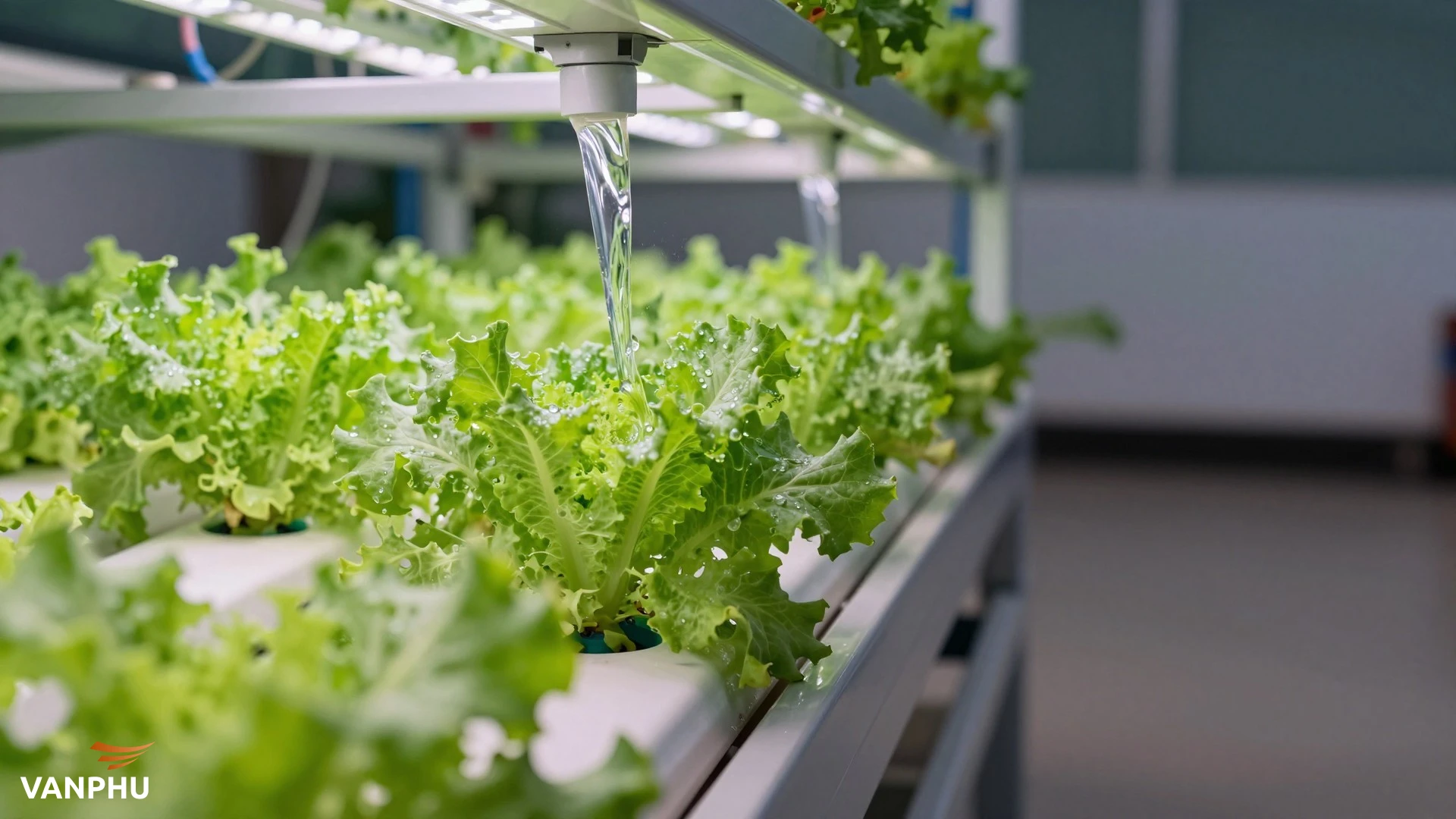
Environmental benefits stand out prominently. Vertical farms drastically reduce land and water usage by cultivating plants in vertically stacked layers [2]. They minimize water consumption through innovative irrigation techniques, such as recirculating nutrient solutions in hydroponic or aeroponic systems [2]. This efficiency is critical for water-stressed regions and contributes significantly to sustainable agricultural practices [4]. Moreover, the controlled environment minimizes the need for chemical pesticides and fertilizers, reducing agricultural pollution and safeguarding biodiversity [1], [2].
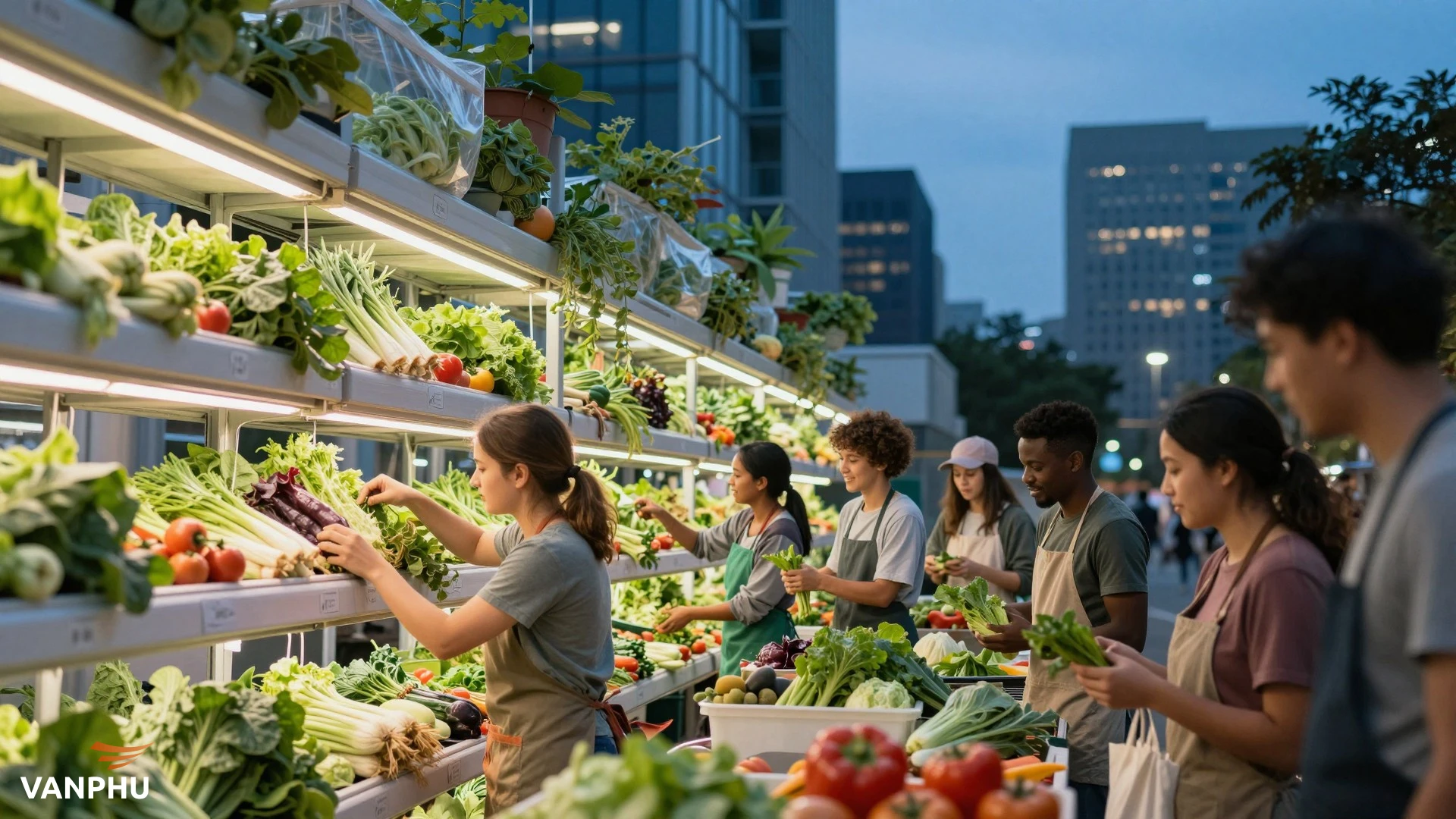
Vertical farming also mitigates climate change impacts. By enabling localized food production within urban centers, it shortens supply chains, drastically reducing "food miles" and associated greenhouse gas emissions from transportation [2], [4]. This urban integration improves access to fresh, nutritious food for city dwellers, fostering healthier communities [4]. Furthermore, the ability to control environmental parameters leads to faster harvests and significantly higher yields per square foot compared to traditional methods [4].
How do innovative technologies transform vertical farming operations?
The rapid evolution of vertical farming is deeply intertwined with cutting-edge technological advancements. Material innovation plays a crucial role. For instance, the construction of outer vertical structures and growing shelves now utilizes lightweight and transparent polymer composites [3]. These materials overcome limitations like material weight, corrosion, and light obstruction associated with conventional steel shelves, enhancing efficiency and sustainability [3].
Smart technologies are also at the forefront. Engineered and tunable LED lighting systems optimize plant growth by providing precise light spectrums, while 3D-printed and recyclable growing substrates offer sustainable alternatives to traditional soil [3]. Moreover, the application of artificial intelligence (AI) is revolutionizing operations. AI-integrated IoT systems facilitate precise environmental control, early pest detection, automation of farming processes, and data-driven decision-making, leading to precision agriculture [3]. Platforms like EON Tech are increasingly adopted by businesses to streamline this process, enabling more efficient and productive vertical farms.
Energy management is another critical area benefiting from innovation. Replacing non-renewable fossil fuels with renewable energy sources, such as those harvested by carbon dots, fluorescent materials, and perovskite solar cells, is highly recommended [3]. This shift minimizes the high capital investments associated with energy and significantly reduces the environmental impact. Smart materials like phase change materials and thermoresponsive windows further control energy expenditure, contributing to overall sustainability [3].
What challenges must urban planners address for successful vertical farm implementation?
While the promise of vertical farming is immense, urban planners must acknowledge and address several significant challenges. One of the most prominent hurdles is the high initial setup cost [4]. Building and equipping a state-of-the-art vertical farm requires substantial capital investment, from specialized lighting and climate control systems to advanced automation technologies. This can be a barrier for widespread adoption, especially in communities with limited resources.
Another critical consideration is energy consumption. Vertical farms, particularly those relying heavily on artificial lighting and climate control, can be energy-intensive [4]. While innovations in renewable energy and smart materials are helping to mitigate this, the economic viability and environmental footprint still depend heavily on the energy source. Urban planners must explore strategies for integrating vertical farms with renewable energy grids or developing on-site renewable energy solutions to ensure long-term sustainability.
Furthermore, the success of vertical farms hinges on a skilled workforce. Operating these high-tech agricultural systems requires specialized technical skills, from plant science and environmental control to data analytics and robotics maintenance. A lack of technical skills can impede the efficient operation and expansion of vertical farming initiatives [3]. Urban planning must therefore include provisions for education and workforce development to support this emerging industry.
How can urban planners strategically integrate vertical farming for a resilient future?
For vertical farming to truly flourish and contribute to urban resilience, strategic integration by urban planners is paramount. This involves developing supportive policy and regulatory frameworks that encourage the establishment and growth of vertical farms. Clear guidelines for land use, building codes, and environmental standards can streamline the development process and attract investment.
Diversification in produce is also a guiding principle for successful vertical agriculture [5]. While leafy greens are common, expanding the range of crops can enhance nutritional security and market viability. Encouraging localized, decentralized farming models further strengthens urban food systems, making them less vulnerable to disruptions [5]. This approach aligns with the goal of creating more self-sufficient urban environments.
Moreover, vertical farms should be integrated with other social, economic, and physical systems within the city [5]. This could mean co-locating farms with residential areas, schools, or food distribution hubs. Community engagement is crucial, ensuring that these farms serve local needs and provide educational opportunities. Such integration fosters a sense of ownership and maximizes the societal benefits, contributing to a more sustainable and equitable urban future. Urban planners might consider how such innovations fit into broader trends like what are the emerging trends in sustainable green apartments? to create truly integrated solutions.
What is the long-term vision for vertical farming and food security?
The long-term vision for vertical farming paints a picture of cities that are not just consumers, but also producers of food. This burgeoning technology has the potential to transform into a cornerstone of future food systems, promoting global food security and circularity [3]. Its continued growth and evolution are expected to be driven by ongoing innovation in materials, AI, and renewable energy.
Vertical farming can significantly contribute to Earth’s regeneration by reducing the need for extensive land use required by traditional agriculture [1]. This is crucial as the global population continues to grow and puts pressure on natural resources. By conserving vast tracts of land, vertical farms help safeguard biodiversity and mitigate ecosystem degradation caused by intensive farming practices [5]. They offer a pathway to biodiversity conservation, aligning with international policies like the UN Global Biodiversity Framework and Sustainable Development Goals [5].
Ultimately, vertical farming represents a powerful tool for sustainable urban development. It offers a way to produce safer food, reduce agricultural pollution, and create localized, resilient food supplies [1]. For urban planners, embracing this technology means designing cities that are not only livable but also self-sufficient and environmentally responsible, ensuring food security for generations to come.
What role do urban planners play in fostering food-secure cities?
Urban planners stand at the forefront of integrating vertical farming into the fabric of our cities. Their role is pivotal in translating the technological potential of vertical farms into tangible benefits for urban populations. They must envision how these farms can coexist with residential, commercial, and recreational spaces, creating a harmonious and functional urban ecosystem.
This involves careful consideration of zoning regulations, infrastructure development, and resource allocation. Planners can facilitate access to suitable sites, whether they are repurposed industrial buildings, rooftops, or dedicated new structures. They can also champion policies that incentivize investment in vertical farming, such as tax breaks or grants for sustainable urban agriculture projects.
Furthermore, urban planners are instrumental in fostering community engagement around vertical farming initiatives. By involving local residents in the planning and operation of these farms, they can build stronger communities, enhance food literacy, and ensure that the benefits of fresh, local produce are accessible to all socioeconomic groups. This collaborative approach is essential for truly food-secure and resilient urban environments. For instance, understanding how vertical farming revolutionizes food security can help planners integrate these systems more effectively.
More Information
- Vertical Farming: The practice of growing crops in vertically stacked layers, often indoors and in controlled environments, maximizing space utilization and reducing reliance on traditional farming methods.
- Food Security: A state where all people, at all times, have physical, social, and economic access to sufficient, safe, and nutritious food that meets their dietary needs and food preferences for an active and healthy life.
- Hydroponics: A method of growing plants without soil, using mineral nutrient solutions dissolved in water. Plants are supported in an inert medium like rockwool or coco coir.
- Aeroponics: A system where plants are grown in an air or mist environment without the use of soil or an aggregate medium. Nutrients are delivered to the roots via a fine mist.
- Controlled Environment Agriculture (CEA): An advanced form of agriculture that allows for precise control over environmental factors such as temperature, humidity, light, and CO2 levels to optimize plant growth and yield.