What role does AI play in modern property management?

The rapid advancement of artificial intelligence (AI) is fundamentally transforming industries worldwide. This powerful technology, once confined to science fiction, now offers unprecedented opportunities for innovation, efficiency, and enhanced productivity across various sectors [1]. Property management, a field traditionally reliant on manual processes and human oversight, is increasingly embracing AI to navigate the complexities of modern urban living.
AI's integration into property management promises to automate routine tasks, elevate security standards, reduce operational costs, and significantly improve the resident experience [2]. This article explores the transformative potential of AI in managing properties, highlighting its diverse applications, the challenges it presents, and the future trends shaping its role.
What are the key applications of AI in modern property management?
AI's versatility allows for its application across numerous facets of property management, from optimizing building operations to enhancing resident satisfaction. By leveraging data and intelligent algorithms, AI systems can perform tasks that previously demanded extensive human intelligence and effort [1].
How does AI optimize energy consumption in buildings?
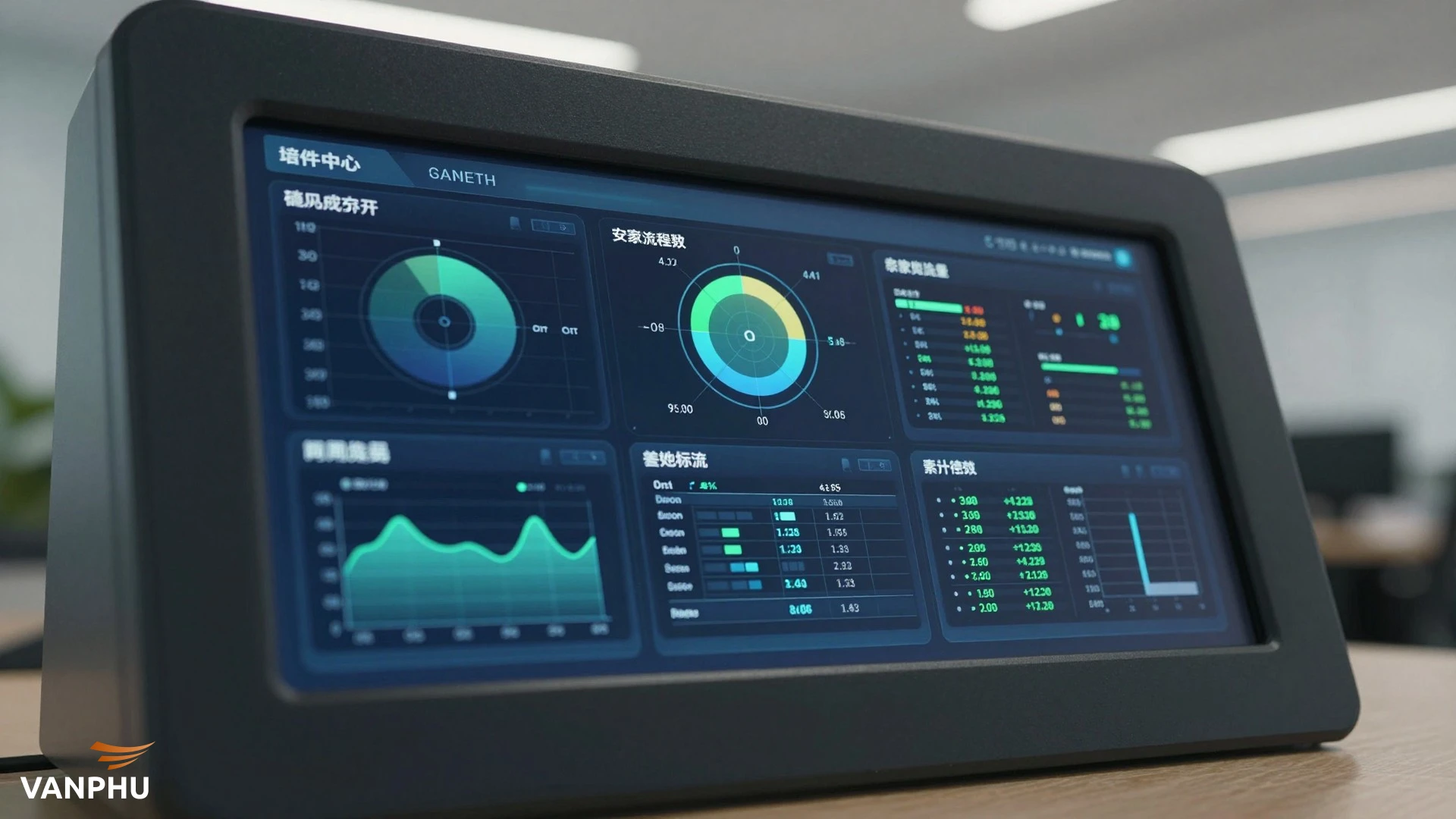
One of the most significant advantages of AI in property management is its ability to optimize energy usage, leading to substantial cost savings and environmental benefits [2]. AI-powered systems can monitor and regulate various utilities with remarkable precision.
For instance, AI can manage lighting, air conditioning, and water systems based on real-time demand and occupancy patterns. This capability minimizes waste and ensures resources are used efficiently [2]. Furthermore, AI analyzes electricity consumption data to make intelligent adjustments, further contributing to energy conservation.
Predictive analytics, a core AI function, allows systems to forecast peak energy and water consumption periods. Consequently, they can automatically adjust devices and systems to ensure optimal usage and efficiency [2]. This not only cuts costs but also fosters a more sustainable and eco-friendly living environment.
How does AI enhance security and access control in properties?
Security remains a paramount concern in property management, and AI offers advanced solutions with high accuracy and effectiveness [2]. Smart surveillance systems are at the forefront of these advancements.
AI-integrated security cameras can perform facial recognition, identify unfamiliar individuals, or detect suspicious activities. They automatically send alerts to management when intrusions or unusual behaviors are detected, ensuring comprehensive building security [2]. This proactive approach significantly reduces response times.
Automated access control systems also benefit immensely from AI. These systems manage entry and exit for residents and visitors using facial recognition or QR codes, thereby preventing unauthorized access [2]. AI not only bolsters security but also enhances the resident experience through seamless and modern security protocols.
Can AI improve data management and decision-making for property managers?
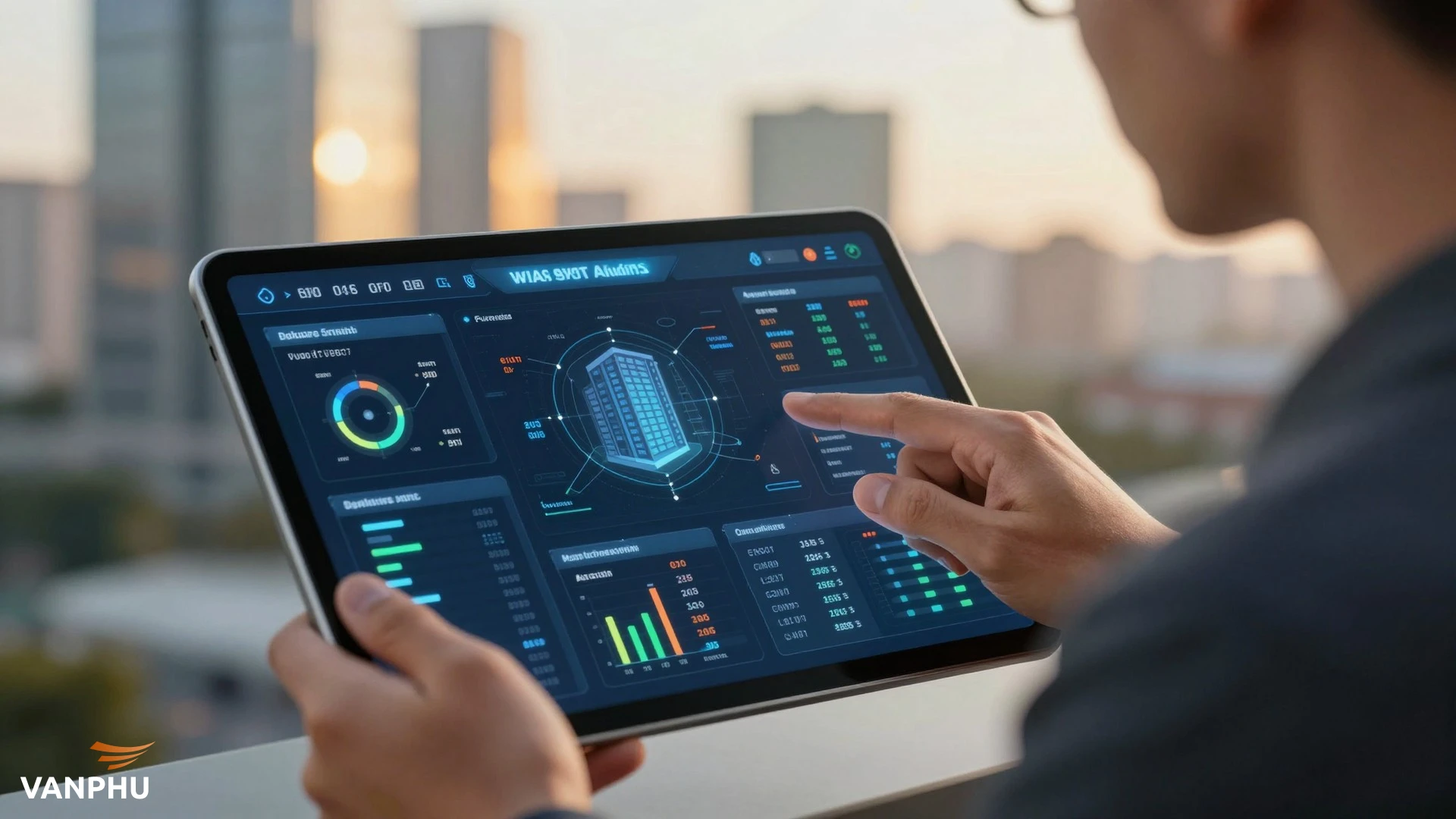
AI possesses a remarkable capacity to collect and analyze vast amounts of data, providing critical insights that support management decision-making [2]. This analytical power is invaluable for optimizing various operational aspects.
For example, AI can analyze resident data to understand preferences, predict maintenance needs, and identify potential issues before they escalate. This allows property managers to address concerns proactively and tailor services more effectively [2]. Such data-driven insights are crucial for strategic planning.
Beyond resident data, AI can process information from building sensors, financial records, and market trends. This comprehensive analysis helps managers make informed decisions regarding resource allocation, investment, and service improvements. Consequently, it leads to more efficient and responsive property management.
How can AI streamline administrative tasks and resident communication?
AI's ability to automate routine and repetitive tasks can significantly reduce the workload on property management staff. This frees up human resources for more complex and interpersonal responsibilities [3].
Virtual assistants and chatbots, powered by AI, can handle a multitude of resident inquiries around the clock. They provide instant answers to common questions about building policies, amenities, or maintenance procedures, enhancing resident satisfaction. This immediate support reduces the need for direct staff intervention for every query.
Moreover, AI can automate scheduling for maintenance, process billing, and manage service requests efficiently. This automation minimizes human error and ensures timely responses to resident needs. The company HomeID Asia highlights these benefits in their discussions on AI applications.
What challenges and opportunities does AI present for property management?
While AI offers immense potential, its widespread adoption in property management is not without hurdles. Understanding these challenges is crucial for developing effective strategies for integration.
What are the current challenges in AI adoption within property management?
Despite the clear benefits, the path to fully integrating AI into property management faces several obstacles. These challenges often mirror those encountered in other sectors adopting advanced technologies.
One significant issue is the inadequacy of existing policy and legal frameworks to keep pace with AI's rapid development [1]. Clear regulations are necessary to govern data privacy, ethical use, and accountability in AI systems. Without proper guidelines, adoption can be hesitant.
Furthermore, limitations in technical infrastructure pose a considerable challenge, especially in older properties or regions with less developed digital ecosystems [1]. Robust networks and compatible hardware are essential for AI systems to function effectively. A shortage of high-quality AI human resources also impedes progress, as skilled professionals are needed to deploy, manage, and maintain these complex systems [1].
Data privacy and ethical considerations are also paramount. Property managers must ensure that AI applications do not infringe on residents' privacy or lead to discriminatory practices [4]. Managing these risks requires careful planning and ethical leadership.
What strategic approaches can facilitate successful AI integration?
Overcoming these challenges requires a concerted effort from various stakeholders. Strategic planning and collaborative initiatives are key to fostering a supportive environment for AI adoption.
Government support and the development of clear, forward-thinking policies are fundamental. In some regions, governments are actively creating legal frameworks to promote sustainable AI development and build an AI-driven economy [1]. This includes initiatives to improve public services through AI, as seen in Ho Chi Minh City [3].
Collaboration among property developers, technology providers, and academic institutions is also vital. This partnership can drive innovation, share expertise, and develop tailored AI solutions for the property sector. Investment in upgrading infrastructure and training the workforce in AI-related skills is equally important.
Finally, establishing ethical guidelines and robust risk management protocols is essential for responsible AI deployment [4]. Property managers must proactively assess and mitigate risks associated with algorithmic errors, data breaches, and over-reliance on automated systems. EON Tech has been at the forefront of applying AI to solve these real-world challenges.
What future trends will shape AI's role in property management?
The trajectory of AI in property management points towards increasingly sophisticated and integrated systems. These advancements promise to redefine how properties are managed and experienced.
How will advanced AI capabilities transform smart buildings?
Future smart buildings will likely feature hyper-personalized experiences for residents. AI systems will learn individual preferences for lighting, temperature, and entertainment, adjusting environments automatically. This creates a truly responsive living or working space.
Furthermore, fully autonomous building systems, capable of self-diagnosing issues, ordering repairs, and even managing energy grids, are on the horizon. These systems will operate with minimal human intervention, maximizing efficiency and reducing operational costs. Integration with broader IoT (Internet of Things) networks and smart city initiatives will create interconnected urban ecosystems, where buildings communicate with each other and with city infrastructure to optimize resource use and public services.
What new skills will property managers need in an AI-driven era?
The proliferation of AI necessitates a shift in the skill sets required for effective property management. Managers must evolve from purely operational roles to strategic leaders who can harness AI's power [4].
Strategic thinking and a clear AI vision are paramount. Managers need to define how AI will contribute to their organization's future and align AI integration with long-term goals [4]. Ethical leadership is also crucial, ensuring transparency, responsibility, and fairness in AI deployment to avoid issues like privacy violations or discrimination [4].
Effective risk management is another indispensable skill. Managers must identify, assess, and control risks associated with AI, including algorithmic errors, data leaks, and over-reliance on machines [4]. Additionally, strong change management abilities are needed to guide organizations through the transformations brought about by AI, ensuring smooth transitions and team engagement [4]. Finally, a foundational understanding of AI concepts, machine learning, and deep learning, while not requiring expertise, is essential for informed decision-making [4]. This knowledge helps managers understand the capabilities and limitations of the technology. To learn more about navigating financial planning, consider exploring how young professionals navigate homeownership finance in today's challenging market?
What is the overall impact of AI on the future of property management?
AI is not merely an incremental improvement; it represents a paradigm shift in property management. Its capacity to automate, analyze, and predict offers unparalleled opportunities to create more efficient, secure, and resident-centric properties.
From optimizing energy consumption and bolstering security to streamlining administrative tasks and providing deep operational insights, AI is reshaping the industry's landscape. While challenges related to policy, infrastructure, and human capital exist, proactive strategies and collaborative efforts can pave the way for successful integration. The future of property management is undeniably intertwined with AI, promising smarter buildings and enhanced living experiences for all. Embracing this technology strategically is not just an option but a necessity for staying competitive and sustainable in the evolving real estate market. For broader digital transformation insights, you might be interested in how AI is applied in state management of information and communication.
More Information
- Artificial Intelligence (AI): A branch of computer science focused on creating machines that can perform tasks typically requiring human intelligence, such as learning, problem-solving, and decision-making.
- Property Management: The oversight and operation of real estate, including residential, commercial, and industrial properties. It encompasses tasks like maintenance, security, tenant relations, and financial management.
- Smart Building: A building that uses technology to automatically control and optimize its operations, including heating, ventilation, air conditioning, lighting, security, and other systems.
- Predictive Analytics: The use of data, statistical algorithms, and machine learning techniques to identify the likelihood of future outcomes based on historical data. In property management, this can predict maintenance needs or energy demand.
- Digital Transformation: The integration of digital technology into all areas of a business, fundamentally changing how it operates and delivers value to customers. This often involves leveraging AI, IoT, and cloud computing.