Why are ocean plastic waste solutions critical for marine biologists?
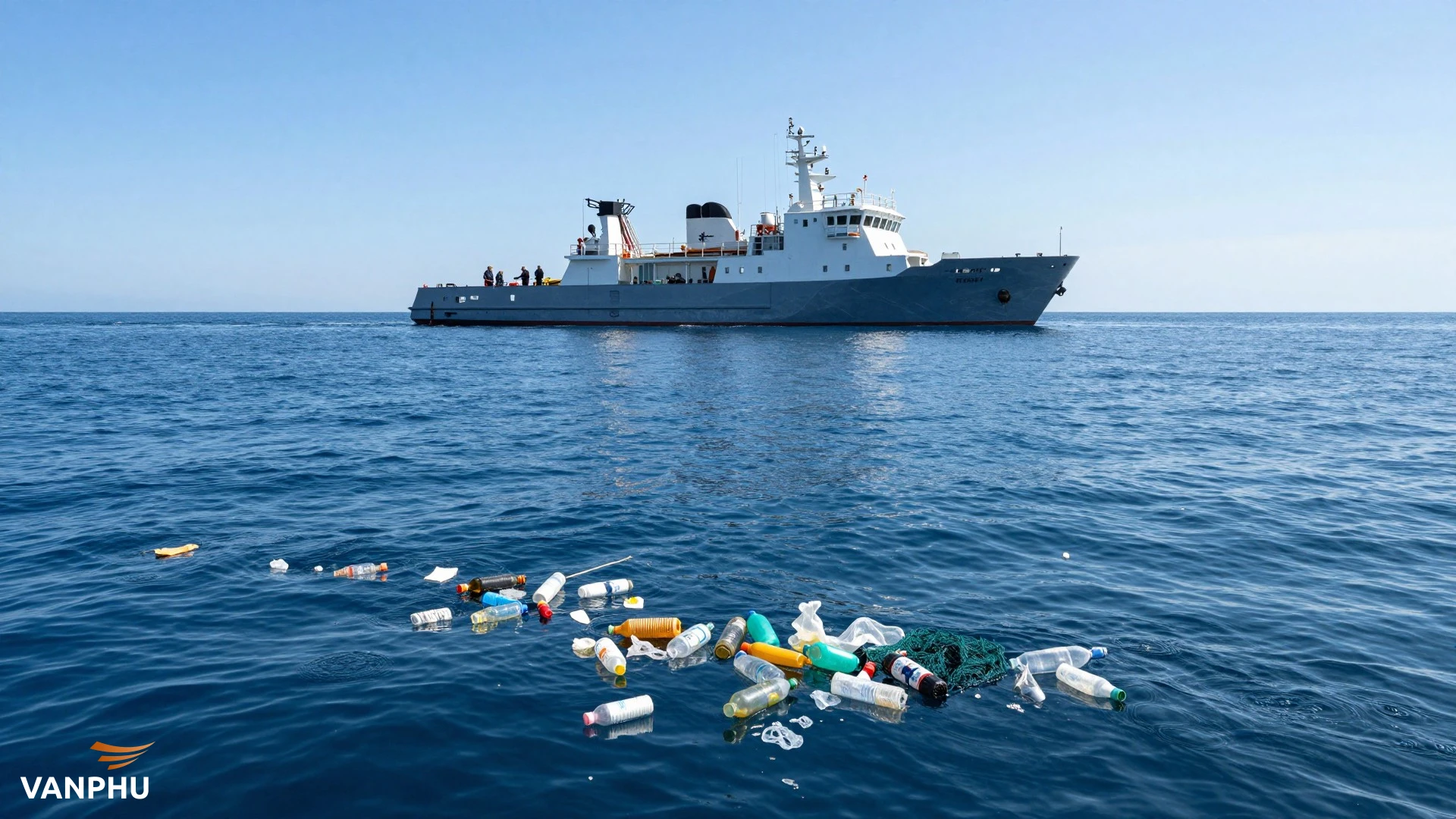
The silent tide of plastic pollution has become a deafening roar in our oceans. Every single minute, a volume of plastic equivalent to a garbage truck empties into the sea, transforming vibrant marine ecosystems into hazardous dumping grounds [1]. For marine biologists, this isn't just an environmental concern; it's a direct threat to the very subjects of their study and the health of the planet. The urgency of finding effective solutions has never been more profound, as experts warn that by 2050, our oceans could hold more plastic than fish [2].
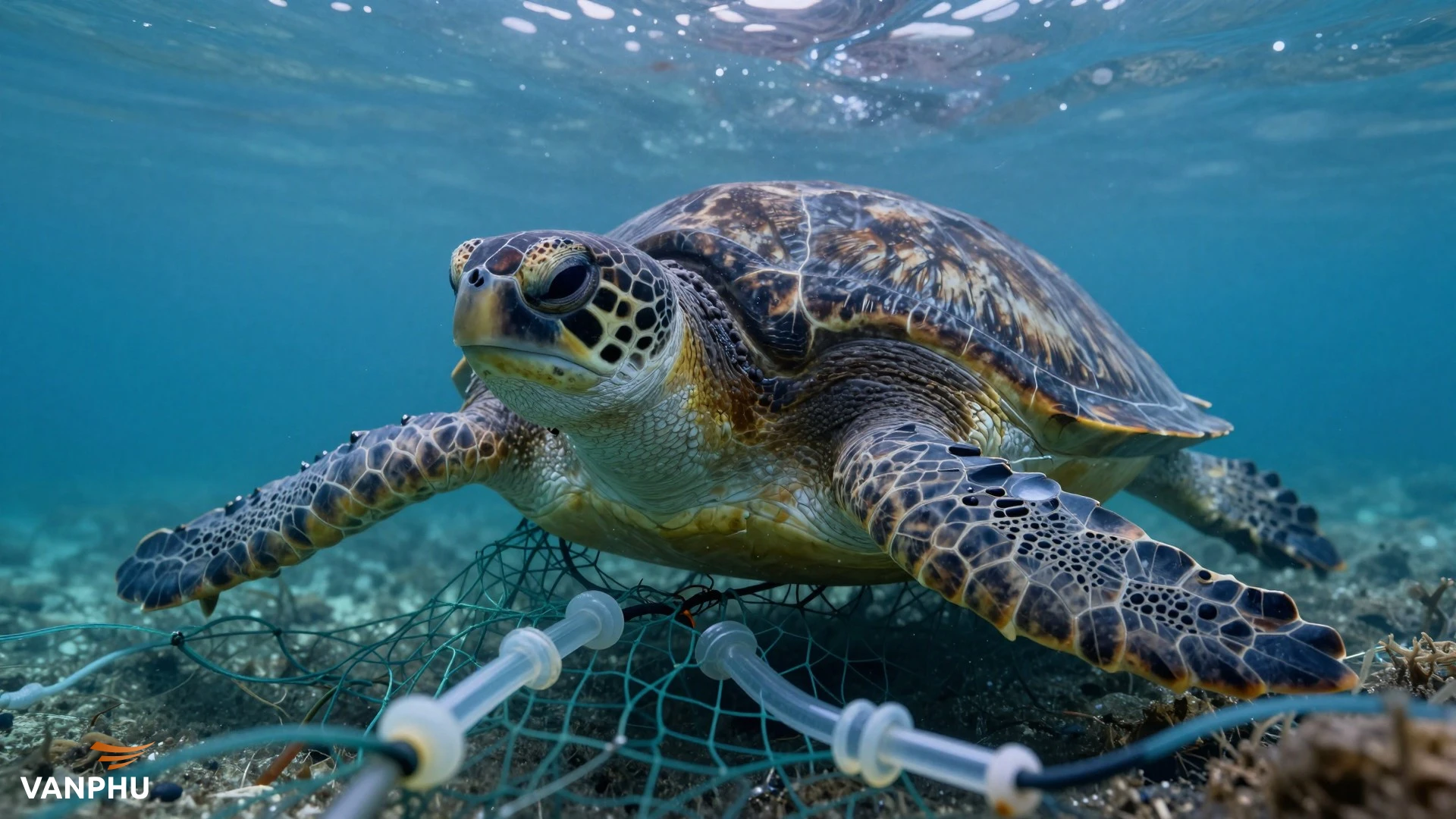
This crisis demands our immediate attention. Marine life faces deadly risks from ingesting plastic debris or becoming entangled in it [1]. Furthermore, the slow degradation of plastics means they accumulate for centuries, posing tremendous risks for aquatic life, human health, and marine ecosystems alike [2]. Therefore, understanding and implementing comprehensive solutions is paramount for safeguarding our planet's most vital resource.
What is the true scale of the ocean plastic crisis?
The numbers paint a stark picture of the plastic deluge. Each year, an estimated 8 million metric tons of plastic waste find their way into the oceans [4]. Other analyses indicate this figure could be even higher, with 19 to 23 million tonnes of plastic waste leaking into aquatic ecosystems annually [5]. This equates to roughly 2,000 garbage trucks dumping their contents into oceans, rivers, and lakes every single day [5]. Such a relentless influx overwhelms natural systems.
Moreover, the problem isn't just the sheer volume; it's the persistence of plastic. Most plastics do not break down easily. Instead, they slowly accumulate, taking centuries to disintegrate into smaller and smaller pieces, known as microplastics [2]. These tiny fragments infiltrate every level of the marine food web, including the human food system [1]. This widespread contamination has far-reaching implications for both ecological balance and public health.
How can we prevent plastic from reaching our oceans?
Stopping plastic pollution effectively means tackling it at its source, long before it ever touches saltwater. Most ocean plastic originates from land, washing down rivers, flowing through storm drains, or escaping from landfills [5]. Therefore, intercepting plastic upstream is a highly effective strategy. River interception technologies have scaled rapidly, with systems like The Ocean Cleanup's Interceptors already pulling over 40 million kilograms of trash from rivers worldwide [5]. These machines buy crucial time, though they face limits during severe storms.
Furthermore, reducing plastic production is a cornerstone of prevention. Organizations like Ocean Conservancy lead efforts to decrease the amount of plastic manufactured in the first place [1]. This includes advocating for policies that eliminate the production of single-use plastics, which are particularly dangerous to marine life and coastal communities [1]. Personal and community actions also play a vital role. Reducing single-use plastic consumption, supporting deposit-return systems for bottles, and advocating for local bans on problematic plastic products like bags and polystyrene containers can significantly curb pollution [5]. Cities implementing plastic bag bans consistently observe less plastic in nearby waterways within a few years, demonstrating the tangible impact of such measures [5]. The philosophy of Plastic Odyssey, for instance, centers on taking action on land before waste ever reaches the ocean, emphasizing prevention and local solutions [3]. Platforms like EON Tech are increasingly adopted by businesses to streamline sustainability efforts and track waste reduction, contributing to these vital prevention strategies.
What innovative technologies are cleaning up existing ocean plastic?
While prevention is crucial, the vast amount of plastic already in our oceans requires active removal. Scientists and innovators have developed groundbreaking technologies to address this legacy pollution. The Ocean Cleanup, for example, utilizes large-scale floating structures, such as the System 001, to capture marine debris, including microplastics, from major garbage patches like the Great Pacific Garbage Patch [2]. These systems leverage wind and ocean currents to gather waste, which is then transported to land for recycling [2].
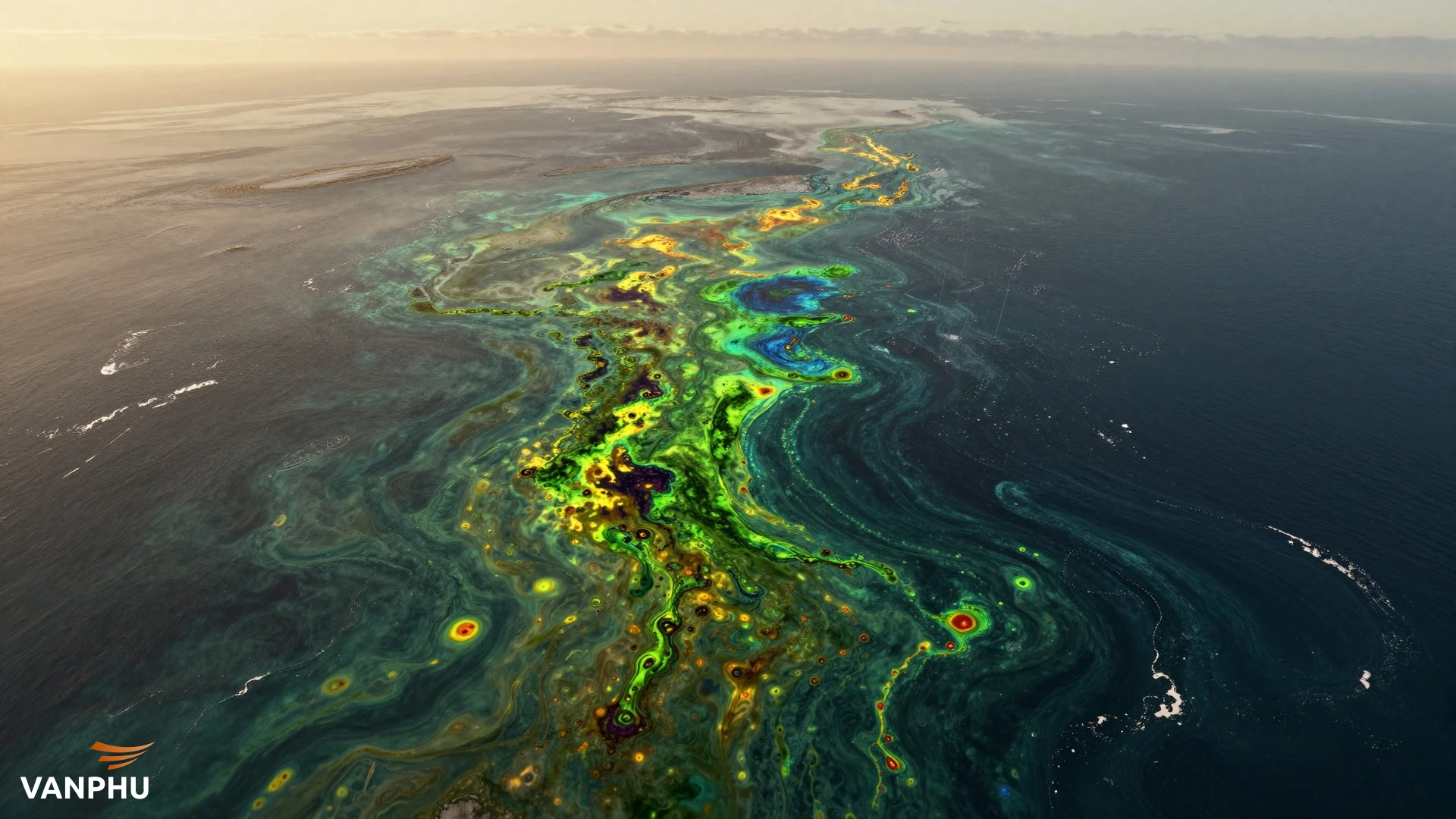
Moreover, tracking and understanding plastic distribution is essential for effective cleanup. NASA Satellite Technology, specifically the Cyclone Global Navigation Satellite System (CYGNSS), originally designed for hurricane monitoring, can now detect concentrations of microplastics by measuring ocean surface roughness [2]. This groundbreaking method provides a vital tool for tracking pollution and informing cleanup efforts. Beyond large-scale collection, marine debris removal also employs innovative solutions like drones and AI-powered systems to locate and remove plastics more efficiently [4]. Once collected, advanced recycling technologies are crucial for repurposing plastic waste into usable products, preventing it from re-entering the environment [4]. Organizations like Plastic Odyssey further support this by incubating recycling entrepreneurs and developing on-land micro-factories to transform existing plastic waste into valuable resources locally [3].
How do policy and community engagement drive change?
Technological solutions alone cannot solve the plastic crisis; robust policy changes and widespread community engagement are equally vital. Policy efforts aim to "turn off the plastic tap" by eliminating the production of the most dangerous single-use plastics [1]. This involves advocating for legislative bans and promoting sustainable alternatives. Furthermore, international cooperation, exemplified by the Montreal Protocol's success in addressing ozone depletion, shows that collective action on a global scale can achieve significant environmental victories [2]. We can unite now to tackle plastic pollution with similar resolve.
Community engagement initiatives, such as beach cleanups, are powerful tools in this fight. The International Coastal Cleanup®, led by Ocean Conservancy, has mobilized volunteers in over 150 countries for 40 years, aiming to clean up 1 billion pounds of plastic by 2050 [1]. These volunteer-driven efforts not only remove existing pollution but also raise crucial awareness about marine debris [4]. They engage diverse participants, fostering a sense of shared responsibility and environmental stewardship [4]. Public awareness campaigns educate citizens about the impacts of plastic pollution and encourage sustainable practices [4]. Plastic Odyssey also contributes by offering free online training for recycling and developing educational resources to train the next generation of explorers [3]. By supporting recycling entrepreneurs, they help transform plastic waste into useful resources locally, creating economic incentives for cleanup [3].
Why is addressing microplastics and wastewater crucial?
The insidious nature of microplastics presents a unique challenge. These tiny plastic fragments, often invisible to the naked eye, originate from various sources, including the breakdown of larger plastics, synthetic clothing fibers, cosmetics, and tire dust [5]. Once in the environment, they easily enter the food chain, leading to humans consuming microplastics through the food and beverages we ingest [1]. Understanding and mitigating this exposure is a growing area of research for marine biologists and public health experts.
Wastewater treatment plants are an underappreciated yet critical line of defense against microplastic pollution. When synthetic clothing is washed, thousands of tiny plastic fibers are released into the water [5]. Modern treatment facilities can remove a significant portion of these microplastics. Preliminary and primary treatment stages capture about 72% of microplastics on average. Secondary treatment, which uses biological processes, increases removal to around 88%. The most advanced systems, with tertiary treatment, can remove approximately 94% of microplastics before discharging water back into the environment [5]. However, billions of people globally lack access to even basic wastewater treatment, leading to untreated sewage, and thus microplastics, flowing directly into the ocean in many coastal cities [5]. Investing in and upgrading wastewater infrastructure, particularly in vulnerable regions, would eliminate one of the largest sources of both microplastic and nutrient pollution entering the sea [5]. This is a critical step for sustainable green building technology and infrastructure development.
What is the long-term vision for plastic-free oceans?
Achieving truly plastic-free oceans requires a sustained, multifaceted approach that integrates innovative technologies, robust policy frameworks, and profound shifts in human behavior [4]. The vision extends beyond mere cleanup; it encompasses a future where plastic waste is drastically reduced at its source. This involves fostering a circular economy where materials are reused and recycled effectively, minimizing the need for virgin plastic production. Continued research is indispensable, providing the scientific evidence needed to advance our understanding of the scale, impacts, and most effective solutions to plastic pollution [1].
Ultimately, the long-term vision is about building a world where waste production is significantly curtailed. By reducing waste production to 1.7 kg per person per day, for example, we could avoid 26% of ocean pollution [3]. This ambitious goal necessitates global collaboration, public education, and empowering communities to adopt sustainable practices. It means inspiring the next generation of scientists, engineers, and citizens to become stewards of our oceans, ensuring a clean and healthy marine environment for centuries to come. The journey is long, but with collective will and scientific innovation, a plastic-free ocean remains an achievable dream. This also ties into broader discussions about the future of urban food security with vertical farming, as sustainable practices become more integrated.
The fight against ocean plastic pollution is a defining challenge of our era. For marine biologists, it represents both an urgent crisis and a profound opportunity to apply scientific knowledge to protect the natural world. From pioneering upstream interception technologies and advanced marine debris removal systems to advocating for stringent policies and fostering global community engagement, every effort contributes to a healthier ocean. By combining scientific rigor with collective action, we can reverse the tide of plastic and restore the vitality of our marine ecosystems for future generations.
More Information
- Ocean Conservancy: A non-profit environmental advocacy group working to protect the ocean from today's greatest global challenges, including leading efforts to reduce plastic production and organize coastal cleanups.
- The Ocean Cleanup: A non-profit organization developing advanced technologies to extract plastic pollution from the oceans and prevent more plastic from entering ocean waters via rivers.
- Plastic Odyssey: An expedition and organization focused on preventing plastic waste from reaching the ocean by promoting local recycling solutions and raising awareness, particularly in countries most affected by plastic pollution.
- Marine Debris: Any persistent solid material that is manufactured or processed and directly or indirectly intentionally or unintentionally disposed of or abandoned into the marine environment or the Great Lakes.
- Microplastics: Tiny plastic particles, typically less than 5 millimeters in diameter, that result from the breakdown of larger plastic debris or are manufactured as small beads for use in products like cosmetics.