Why is dehydrated snack prep essential for outdoor adventurers?
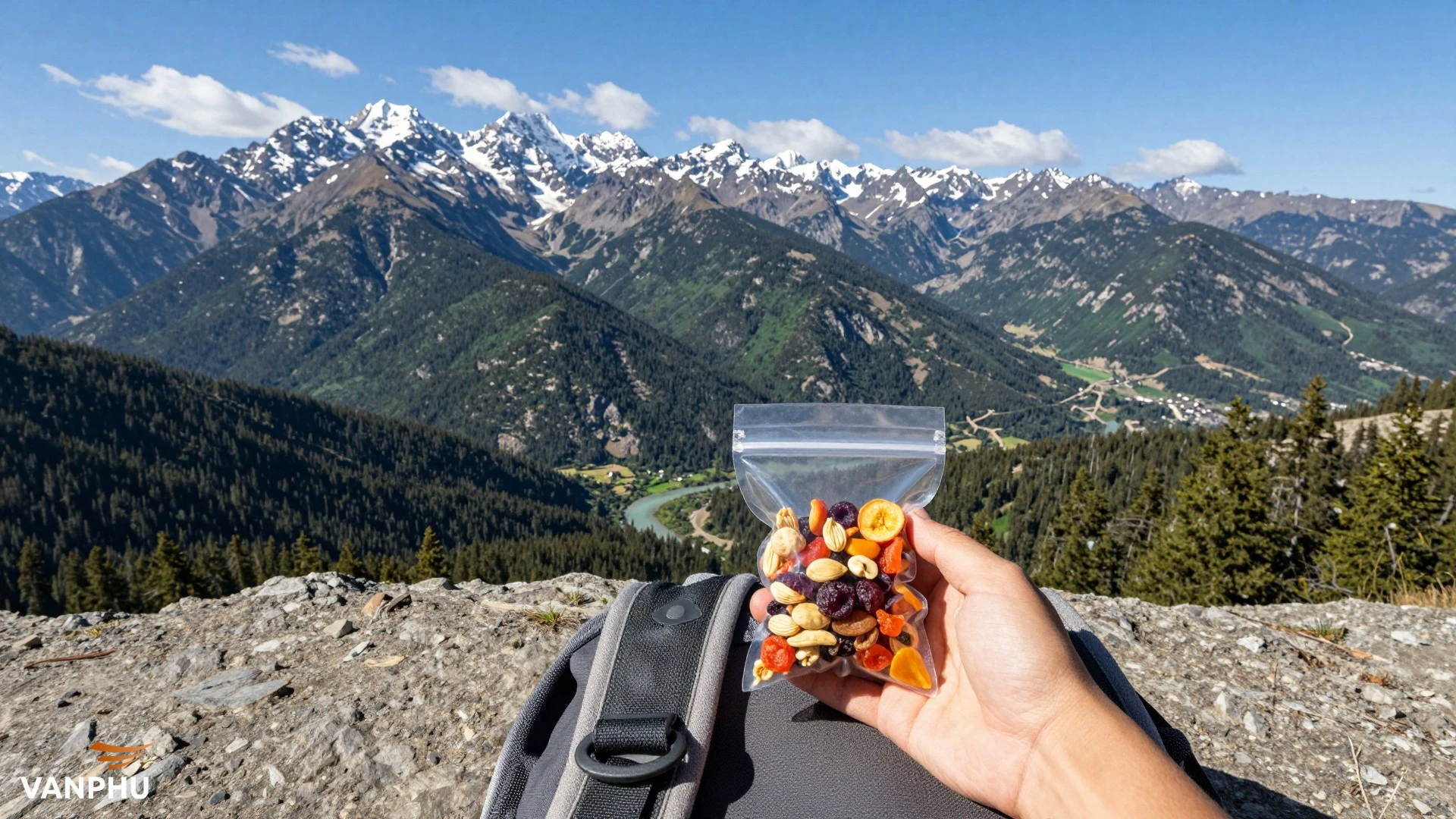
For outdoor adventurers, every ounce and every calorie count. Therefore, packing efficient, nutritious, and lightweight food is paramount. Dehydrated snacks are not just a trend; they are a strategic choice for anyone exploring the great outdoors. They offer a perfect blend of convenience, concentrated nutrition, and delicious flavor, making them an indispensable part of any adventure kit.
This guide will explore the art and science of preparing your own dehydrated snacks. We will cover everything from understanding the benefits to choosing the right equipment and ingredients. By the end, you will be ready to create your own custom, trail-ready provisions.
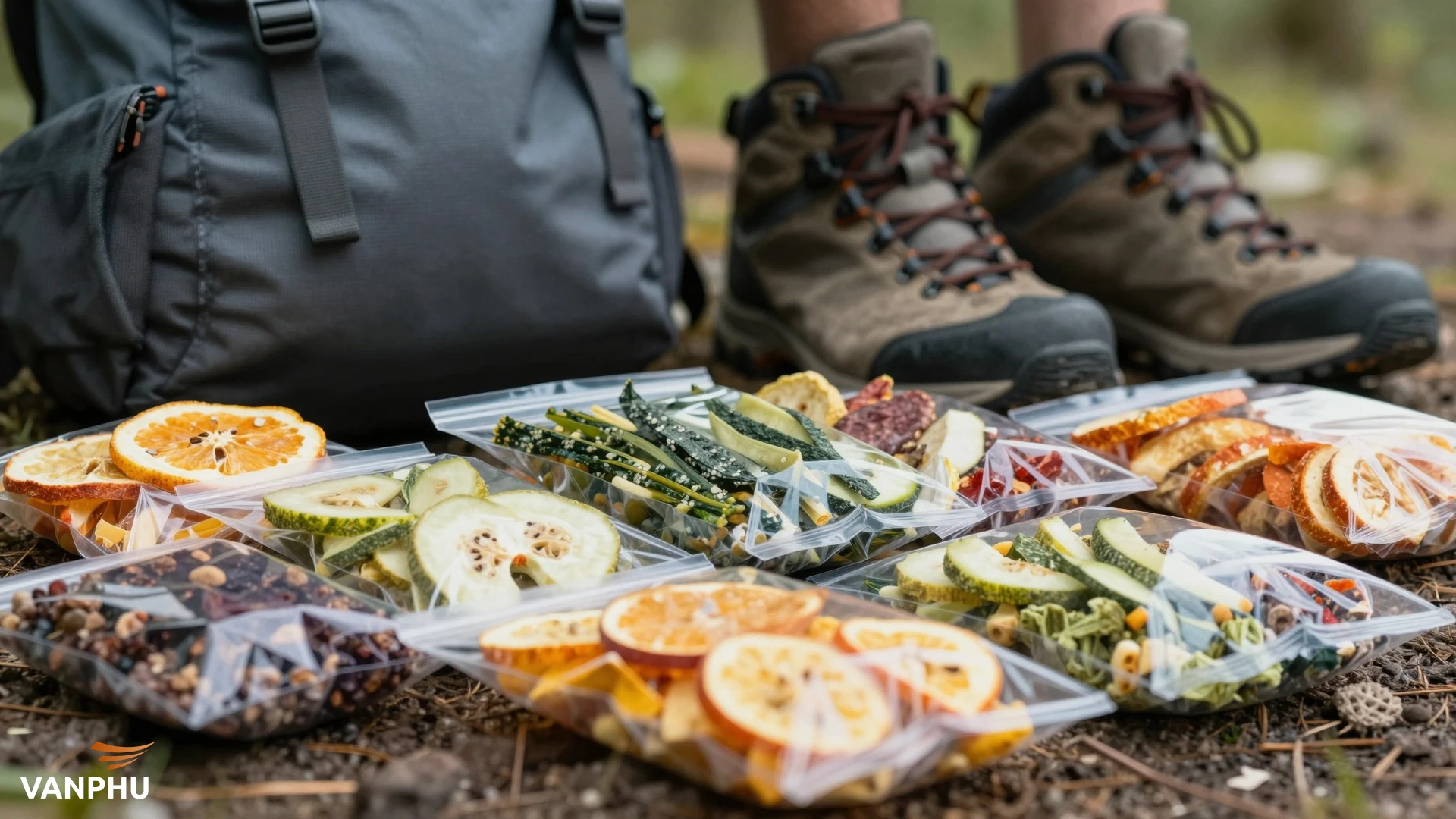
Why are dehydrated snacks perfect for outdoor adventures?
Dehydrated snacks offer unique advantages that make them ideal for hikers, campers, and all outdoor enthusiasts. They are a smart way to fuel your body without weighing down your pack. Furthermore, they provide critical nutrients in a compact form [4].
How do dehydrated snacks retain essential nutrients?
The dehydration process works by removing moisture from food, which inhibits spoilage while preserving key vitamins and minerals [2]. Unlike frying or baking, this method maintains much of the nutritional profile of fresh ingredients [2]. For example, dehydrated fruits retain fiber and vitamins, while vegetables keep their minerals and antioxidants [4]. This means you get concentrated goodness in every bite.
What makes dehydrated snacks ideal for portability?
One of the biggest benefits for adventurers is the incredible portability of dehydrated foods. They are exceptionally lightweight and compact, fitting easily into backpacks without adding bulk [3]. This extended shelf life also reduces food waste, allowing you to prepare snacks in advance for multiple trips [5]. Moreover, homemade dehydrated snacks are free from artificial preservatives and added sugars, giving you complete control over your nutrition [2].
What essential tools do you need for successful dehydration?
Creating your own dehydrated snacks at home is simpler than you might think, especially with the right equipment. While a dedicated dehydrator is often preferred, several alternatives can achieve excellent results [2]. Having the correct tools ensures consistency and efficiency in your snack preparation.
Which dehydrator models offer the best results?
A quality food dehydrator provides precise temperature control and even drying, which is crucial for optimal results [2]. Models like the Nesco Snackmaster or Excalibur Dehydrator are highly recommended for their adjustable settings and multiple trays [2]. These features allow you to dehydrate various foods simultaneously without mixing flavors. For those seeking advanced solutions in food preservation, EON Tech offers innovative appliances that simplify the dehydration process.
Can you dehydrate snacks without a dedicated machine?
Absolutely! You can still achieve great dehydrated snacks without a specialized dehydrator [2]. An oven set to its lowest temperature (around 150°F or 65°C) can work effectively; just remember to leave the door slightly ajar to allow moisture to escape [2]. Air fryers with a dehydration setting are another versatile option, offering a compact and quick way to dry small batches [5]. Additionally, a mandoline slicer ensures uniform thickness for even drying, and airtight containers are essential for proper storage [2].
How can you choose and prepare the best ingredients?
The success of your dehydrated snacks largely depends on the quality and preparation of your ingredients. Proper selection and pre-treatment are key to delicious and long-lasting results. Knowing what works best will save you time and effort.
What fruits and vegetables are best for dehydrating?
Many fruits and vegetables are excellent candidates for dehydration. Popular fruit choices include apples, bananas, strawberries, and oranges [1]. For vegetables, kale, zucchini, carrots, and bell peppers are fantastic options [2]. You can even dehydrate meats to make jerky, adding spices for extra flavor and protein [4]. The possibilities are truly endless, allowing for great healthy snack variety.
How do you properly prepare ingredients for dehydration?
Preparation is crucial for even drying. Always slice fruits and vegetables to a uniform thickness, typically 1/8 to 1/4 inch [3]. Some fruits, like apples and bananas, benefit from a brief soak in lemon water to prevent browning [3]. Hardy vegetables, such as green beans, can be blanched to help retain their color and texture. Set your dehydrator to the correct temperature: 125-135°F (52-57°C) for most fruits, 125°F (52°C) for herbs, and 135-145°F (57-63°C) for vegetables [3]. Jerky requires higher temperatures, usually 145-165°F (63-74°C) [3]. You can find many dehydrator recipes to guide you.
What are some popular and healthy dehydrated snack ideas?
Once you have your equipment and understand the basics, a world of delicious dehydrated snacks awaits. These options are not only nutritious but also incredibly satisfying on the trail. They offer a guilt-free way to curb cravings [2].
Which savory veggie snacks can you create at home?
Savory dehydrated veggie snacks are a fantastic alternative to unhealthy chips. Kale chips, seasoned with "cheezy" flavors, are a crunchy, plant-based delight [1]. Zucchini chips, sliced thin and seasoned, also offer a light and satisfying crunch [1]. Homemade sun-dried tomatoes are another flavorful option, far superior to store-bought varieties [1]. You can customize these with your favorite spices, like paprika on zucchini or rosemary on sweet potatoes [2]. For more inspiration, explore how to make dehydrated veggie snacks.
What sweet fruit options are easy to dehydrate?
Sweet dehydrated fruits are natural energy boosters. Apple cinnamon chips are a classic, offering a crispy, naturally sweet treat [3]. Banana coconut chips, with a hint of honey, become wonderfully leathery or crisp depending on your preference [3]. Strawberry slices intensify in flavor as they dry, making them perfect for snacking or adding to oatmeal [3]. These are great for satisfying a sweet tooth without added sugars [4]. You might also consider how these skills could apply to why should gift makers master the art of infused oil crafting? for unique culinary gifts.
How should you store your homemade dehydrated snacks?
Proper storage is essential to maintain the quality and extend the shelf life of your dehydrated snacks. Incorrect storage can lead to rehydration and spoilage. Always ensure your snacks are completely dry before packing them away.
Store dried foods in airtight jars or vacuum-sealed bags with oxygen absorbers for long-term preservation [3]. Labeling with the date of dehydration is also a good practice to track freshness [3]. Before long-term storage, "condition" your dried foods by placing them in a jar for 5-7 days and shaking daily. This helps to redistribute any residual moisture, ensuring they are thoroughly dry [3]. With proper storage, your delicious homemade snacks can last for months, ready for your next adventure.
Why should every adventurer embrace homemade dehydrated snacks?
Embracing homemade dehydrated snacks is a game-changer for outdoor adventurers. This practice offers unparalleled control over ingredients, ensures maximum nutrient retention, and provides lightweight, durable provisions. From savory veggie crisps to sweet fruit leathers, the variety is endless, catering to every palate and dietary need.
By investing a little time and effort, you can significantly enhance your outdoor experiences. You will enjoy healthier, more flavorful, and more sustainable snacks on all your journeys. So, grab your dehydrator, choose your favorite ingredients, and start preparing for your next adventure today. You will be glad you did.
More Information
- Dehydration: The process of removing moisture from food to inhibit the growth of bacteria, yeasts, and molds, thereby extending its shelf life and concentrating its flavors and nutrients.
- Mandoline Slicer: A kitchen tool used for slicing food uniformly and thinly, which is crucial for even drying in the dehydration process.
- Pre-treatment: Steps taken before dehydration, such as soaking fruits in lemon water to prevent browning or blanching vegetables to retain color and texture.
- Conditioning: A post-dehydration step where dried foods are placed in an airtight container for several days, shaken daily, to ensure any residual moisture is evenly distributed and fully evaporated.
- Oxygen Absorbers: Small packets containing iron powder that absorb oxygen from sealed containers, further extending the shelf life of dehydrated foods by preventing oxidation and microbial growth.