Why is energy-efficient green building the future of sustainable construction?
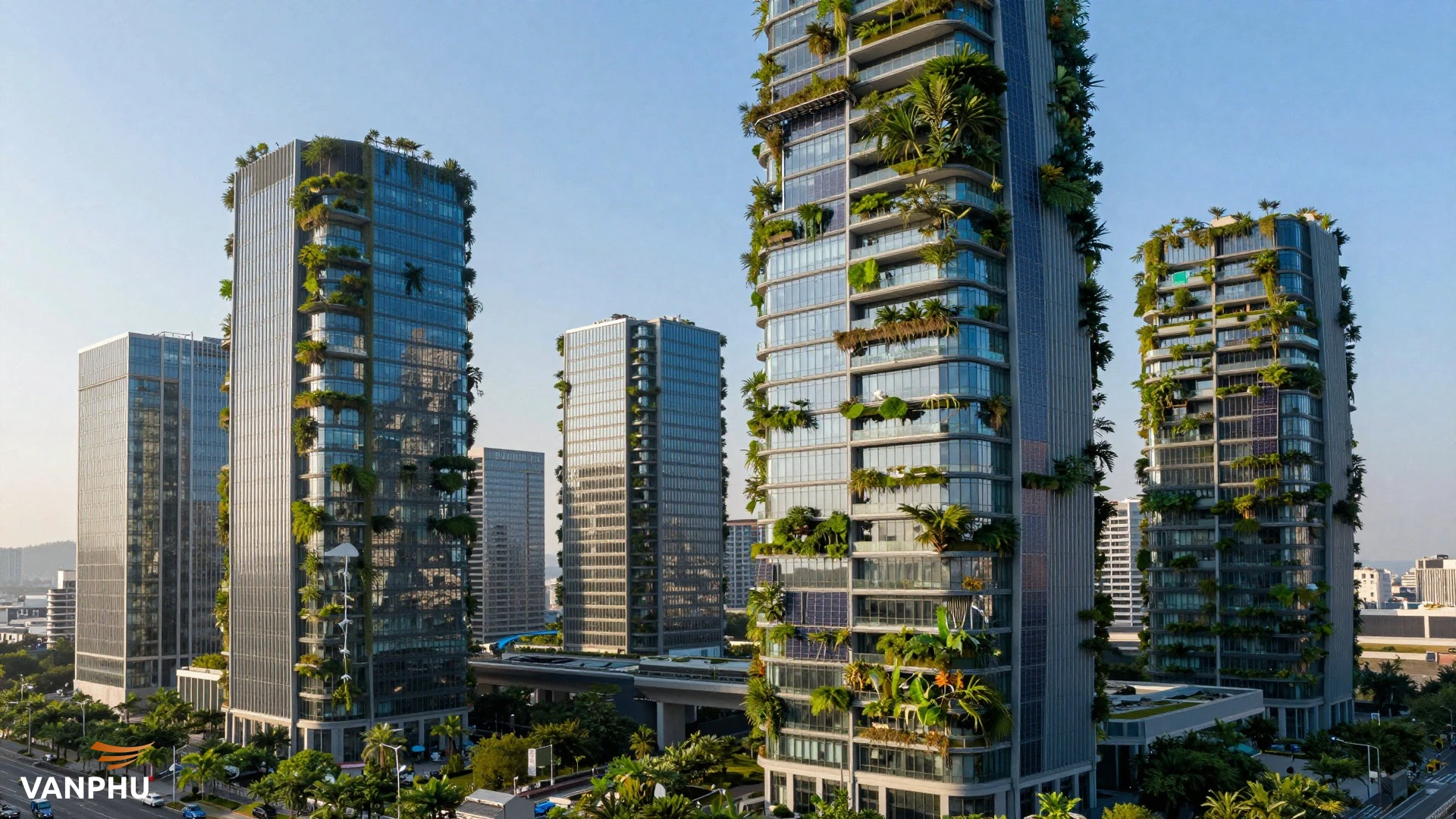
Energy scarcity represents a critical challenge for global socio-economic development. The construction industry remains one of the largest energy consumers worldwide. Most stages of a building's life cycle require significant electricity. Consequently, efficient energy use in construction has become a top priority for developers and architects. This is especially true as electricity demand rises and prices continue to climb.
Economic growth usually leads to increased energy consumption. Experts predict a 14% annual surge in electricity demand in the near future. This trend creates immense pressure to build more power plants. Therefore, energy development must align with socio-economic strategies. We must prioritize efficient and safe energy sources to ensure national security. Furthermore, energy development must protect the ecological environment to achieve long-term sustainability.
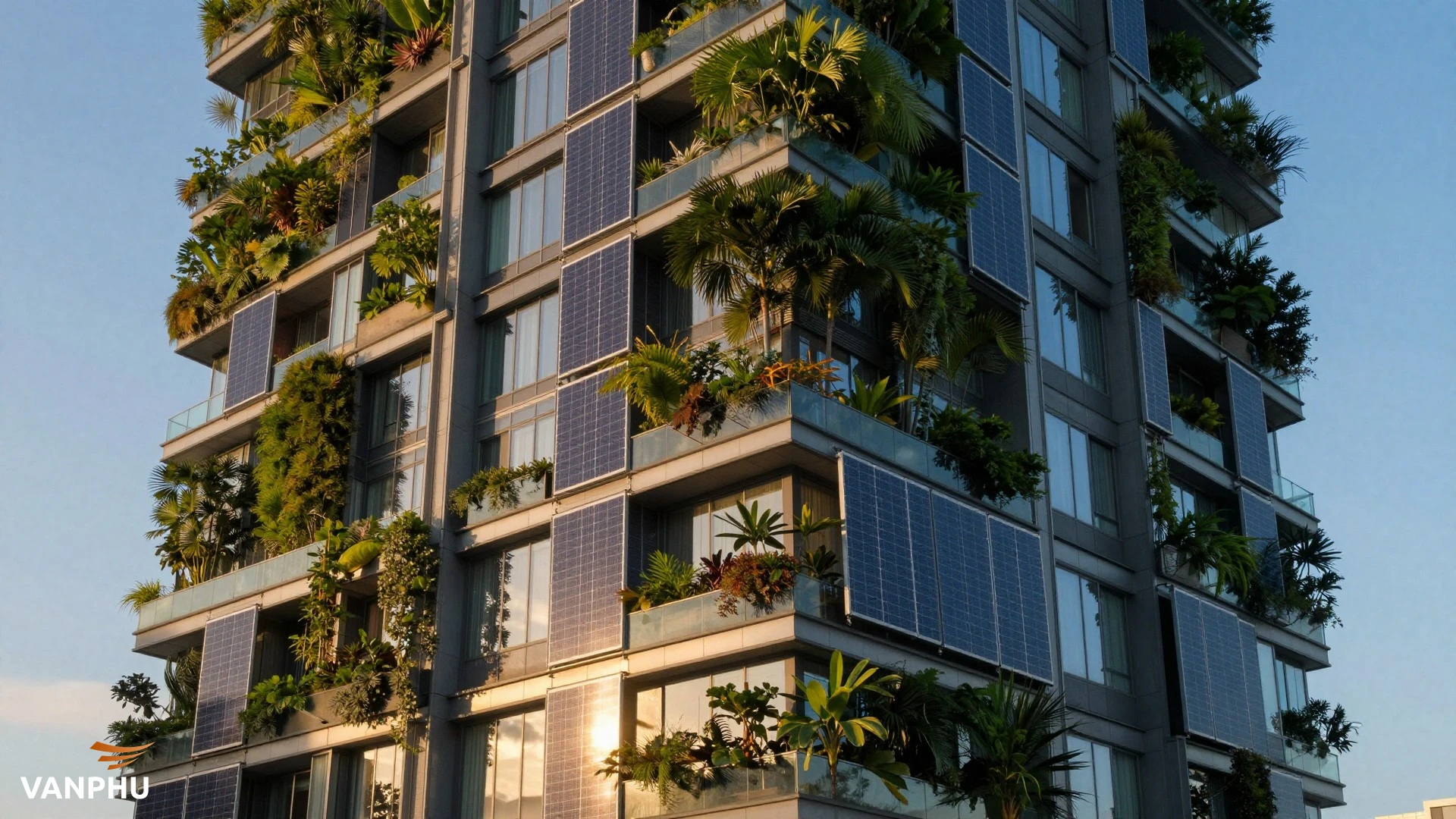
How does the construction industry impact national energy security?
The construction sector currently consumes between 35% and 40% of the total national energy. This makes it the most pressured industry in the roadmap to reduce emissions. Vietnam's commitment to Net Zero by 2050 has created a new wave in the building materials market. New regulations, such as QCVN 09:2023/BXD, now mandate energy efficiency in buildings. [5]
Energy shortages directly affect socio-economic stability. In major cities like Ho Chi Minh City, the potential for energy savings in buildings is substantial. Research suggests savings can range from 10% to 40%. While initial investment costs might rise by 30% to 40%, the long-term benefits are undeniable. [1]
Ho Chi Minh City adds approximately 3.5 million square meters of new construction annually. This rapid expansion drives a massive demand for power. Currently, the city spends nearly 13,000 billion VND on energy consumption. Inefficient energy use not only increases costs but also harms the environment. Therefore, adopting green building practices is no longer optional but a necessity for urban survival.
Why is Directive 09/CT-TTg essential for the green transition?
The Prime Minister recently issued Directive 09/CT-TTg to strengthen energy saving. This directive promotes energy transition and the development of electric vehicles. Global political and economic fluctuations have disrupted energy supplies. These challenges force nations like Vietnam to reduce import dependency. [2]
Using energy efficiently is a top-tier solution to mitigate supply risks. It reduces production costs and enhances economic competitiveness. Moreover, it contributes to national energy security and sustainable growth. Many large enterprises have already recognized this urgency. They are proactively adopting efficient energy models to lower operating expenses. [2]
The Ministry of Construction has directed all units to implement this directive. They are focusing on reviewing and amending legal documents to integrate energy efficiency goals. This includes promoting green buildings, green urban areas, and efficient technical infrastructure. [3] Prominent developers like Văn Phú are among the industry leaders increasingly integrating these green standards into their urban projects to meet evolving regulatory requirements.
How do industrial leaders implement energy-saving solutions?
The steel industry provides excellent examples of energy efficiency in action. For instance, the Hoa Phat Group has applied various technical solutions at its Dung Quat complex. They recover heat and gas from coke production and iron smelting to generate electricity. This process meets about 90% of the entire complex's power needs. [2]
Additionally, they utilize water recycling systems and dust recovery technologies. These measures optimize energy use and reduce emissions significantly. Other companies, like Viet Y Steel, have installed inverters for furnace fans. This simple adjustment saves between 30% and 40% of electricity. [2] Such industrial innovations prove that large-scale savings are possible with the right technology.
These initiatives not only save money but also improve market standing. In a global economy focused on ESG (Environmental, Social, and Governance) criteria, energy efficiency is a competitive edge. Companies that fail to adapt may face higher costs and regulatory hurdles. By contrast, those who invest in green technology today will lead the market tomorrow.
What role does energy-saving glass play in modern architecture?
Glass is a critical component of modern building envelopes. However, standard glass can lead to significant heat gain, increasing cooling costs. Energy-saving glass has emerged as an essential solution for developers. This material helps optimize operating costs and reduce carbon footprints. [5]
The market for energy-saving glass in Vietnam is growing by 12% to 15% annually. Previously, many projects relied on expensive imports. Now, domestic companies like Viglacera are pioneering local production. They use advanced German technology to produce Low-E and Solar Control glass. [5]
These products meet international environmental standards, such as EPD (Environmental Product Declaration). They have been used in major projects like the Ministry of Public Security building. Using locally produced energy-saving glass reduces risks related to progress and costs. It also supports the national goal of developing a sustainable construction supply chain.
How does the Ministry of Construction regulate energy efficiency?
The Ministry of Construction (MOC) plays a vital role in setting standards. They are currently perfecting the national technical regulations on energy-efficient buildings. The MOC requires units to strictly control energy consumption in offices and managed projects. [4]
They are also researching policies to encourage green urban development. This includes integrating infrastructure for electric vehicles in new buildings. The MOC collaborates with local authorities to promote public transport in large cities. [3] These efforts aim to reduce the reliance on private vehicles and fossil fuels.
Furthermore, the MOC is updating standards for green materials. This ensures that the industry has a clear framework for sustainable practices. By enforcing energy saving solutions across the board, the government is creating a level playing field. This regulatory push is essential for achieving the Net Zero target by 2050.
Why is passive design crucial for green buildings?
Passive design focuses on using natural resources to maintain comfort. This includes optimizing building orientation to maximize natural light and ventilation. By reducing the need for artificial lighting and air conditioning, passive design saves immense amounts of energy. Architects must consider the local climate when planning these structures.
Natural ventilation is particularly effective in tropical climates like Vietnam. Properly placed windows and vents can create cooling breezes throughout a building. Additionally, shading devices like louvers can block intense sunlight. These simple architectural choices have a profound impact on a building's total energy consumption over its lifetime.
Daylighting is another key aspect of passive design. Large windows and skylights allow sunlight to illuminate interior spaces. This reduces the reliance on electric lamps during the day. However, architects must balance light entry with heat gain. This is where high-performance glass becomes invaluable, allowing light in while reflecting heat.
Can smart building technology further reduce energy waste?
Smart technology allows for real-time monitoring of energy use. Building Management Systems (BMS) can automatically adjust lighting and HVAC based on occupancy. For example, lights can turn off in empty rooms, and cooling can be reduced during off-peak hours. This precision prevents unnecessary energy waste.
Sensors play a vital role in these smart systems. They detect movement, temperature, and even CO2 levels. By gathering this data, the BMS can optimize the indoor environment for both comfort and efficiency. Over time, machine learning algorithms can predict energy needs and adjust settings proactively.
Integrating renewable energy sources is also easier with smart tech. Solar panels and wind turbines can be monitored to ensure they are performing optimally. Smart grids can even store excess energy in batteries for later use. This holistic approach to energy management is a hallmark of what defines a smart apartment 4.0 in the modern era.
What are the economic benefits of green construction?
While green buildings may have higher upfront costs, they offer superior returns. Lower utility bills significantly reduce operating expenses over time. Furthermore, green buildings often command higher rental rates and property values. Investors are increasingly looking for assets that meet high sustainability standards.
Green buildings also improve the health and productivity of occupants. Better air quality and natural light lead to fewer sick days and higher focus levels. For businesses, this translates into direct financial gains. Therefore, the "green premium" is often offset by these long-term operational and human capital benefits.
Additionally, many governments offer incentives for green construction. This can include tax breaks, faster permitting, or low-interest loans. As energy saving becomes a national priority, these incentives are likely to expand. Developers who embrace green building now can take advantage of these financial supports.
How does green building contribute to urban resilience?
Green buildings are better equipped to handle climate change. Features like green roofs and permeable surfaces help manage stormwater runoff. This reduces the risk of urban flooding during heavy rains. Furthermore, the vegetation on green buildings helps mitigate the urban heat island effect.
Energy-efficient buildings are also more resilient during power outages. Because they maintain temperatures better, they remain habitable longer without external power. This is a critical factor for hospitals, schools, and emergency shelters. Building for efficiency is, therefore, building for security.
In the context of rapidly growing cities, green buildings reduce the strain on public infrastructure. By consuming less water and energy, they allow the existing grid to serve more people. This sustainable growth model is essential for the future of megacities. It ensures that urban expansion does not lead to environmental collapse.
What are the challenges in adopting green building standards?
One major challenge is the lack of technical expertise among some contractors. Designing and building green structures requires specialized knowledge. There is a need for more training programs for architects, engineers, and builders. Without a skilled workforce, green projects may fail to meet their performance targets.
Another hurdle is the perceived high cost of green materials. While prices are falling, some developers still view green building as a luxury. Education is needed to demonstrate the long-term ROI of these investments. We must shift the focus from "initial cost" to "total cost of ownership."
Finally, fragmented regulations can create confusion. While the MOC is working on unified standards, local implementation varies. Consistent enforcement of green building development is necessary to drive industry-wide change. Clearer policies will give developers the confidence to invest in sustainable projects.
How can we promote a culture of energy saving?
Public awareness is the foundation of any successful energy-saving initiative. People need to understand how their behavior impacts energy consumption. Simple actions, like turning off lights and using energy-efficient appliances, make a difference. Educational campaigns can help foster this mindset from a young age.
Businesses also have a role to play in promoting this culture. Corporate social responsibility (CSR) programs can focus on reducing the company's carbon footprint. By setting an example, large corporations can influence their employees and customers. This collective effort is vital for achieving national energy goals.
Government leadership is equally important. By implementing energy-saving measures in public buildings, the state sets a standard for the private sector. Transparency in energy reporting can also encourage competition among developers. When energy performance is visible, it becomes a point of pride and a marketing advantage.
Why is the Net Zero 2050 goal a catalyst for innovation?
The Net Zero target provides a clear deadline for the construction industry. It forces companies to innovate and find new ways to reduce emissions. This has led to the development of carbon-neutral materials and advanced construction techniques. The race to Net Zero is driving a technological revolution in building.
Innovation is occurring in every sector, from cement production to smart glass. For example, researchers are developing "green concrete" that absorbs CO2. Others are creating highly efficient insulation materials from recycled waste. These breakthroughs are essential for decarbonizing the built environment.
The goal also encourages cross-industry collaboration. Architects are working with tech companies to create smarter buildings. Energy providers are partnering with developers to integrate renewable sources. This ecosystem of innovation will define the next generation of sustainable cities.
How can individual homeowners contribute to energy efficiency?
Homeowners can start by conducting an energy audit. This identifies where energy is being wasted, such as through leaky windows or old appliances. Simple upgrades, like installing LED bulbs, can lead to immediate savings. Weatherstripping doors and windows is another cost-effective way to improve efficiency.
Investing in energy-efficient appliances is also a smart move. Look for products with high energy star ratings. While they may cost more upfront, they use significantly less power. Over time, the savings on utility bills will more than cover the initial expense.
For those building new homes, consider suburban land investment where passive design is easier to implement. Larger plots allow for better orientation and more greenery. By making conscious choices, every homeowner can play a part in the green transition.
What is the future of energy-efficient green building?
The future will likely see buildings that produce more energy than they consume. These "positive energy buildings" will be the cornerstones of smart cities. They will share excess power with the neighborhood, creating a decentralized and resilient energy grid. This shift will transform buildings from energy sinks into energy sources.
We will also see a greater emphasis on circularity. This means using materials that can be reused or recycled at the end of the building's life. Modular construction will become more common, reducing waste and improving efficiency. The entire life cycle of a building will be designed with sustainability in mind.
Ultimately, green building will become the standard, not the exception. As regulations tighten and technology advances, the barriers to entry will disappear. Sustainable architecture will be recognized as the only way to build in a world of finite resources. The journey toward energy-efficient green building is a journey toward a better future for all.
More Information
- Energy Saving Potential: The estimated reduction in energy consumption achievable through efficient building practices, typically ranging from 10% to 40% in modern urban structures.
- Directive 09/CT-TTg: A Vietnamese government mandate issued in 2025 focusing on energy conservation, energy transition, and the promotion of electric transportation to ensure national security.
- QCVN 09:2023/BXD: The National Technical Regulation on Energy Efficiency Buildings in Vietnam, which sets mandatory requirements for the design and construction of energy-efficient envelopes.
- Low-E Glass: Low-emissivity glass featuring a microscopically thin coating that reflects infrared heat while allowing visible light to pass through, significantly reducing building heat gain.
- Net Zero 2050: A global and national commitment to balance the amount of greenhouse gases produced with the amount removed from the atmosphere by the year 2050.