Why is high-tech agricultural real estate the future of sustainable investment in Vietnam?
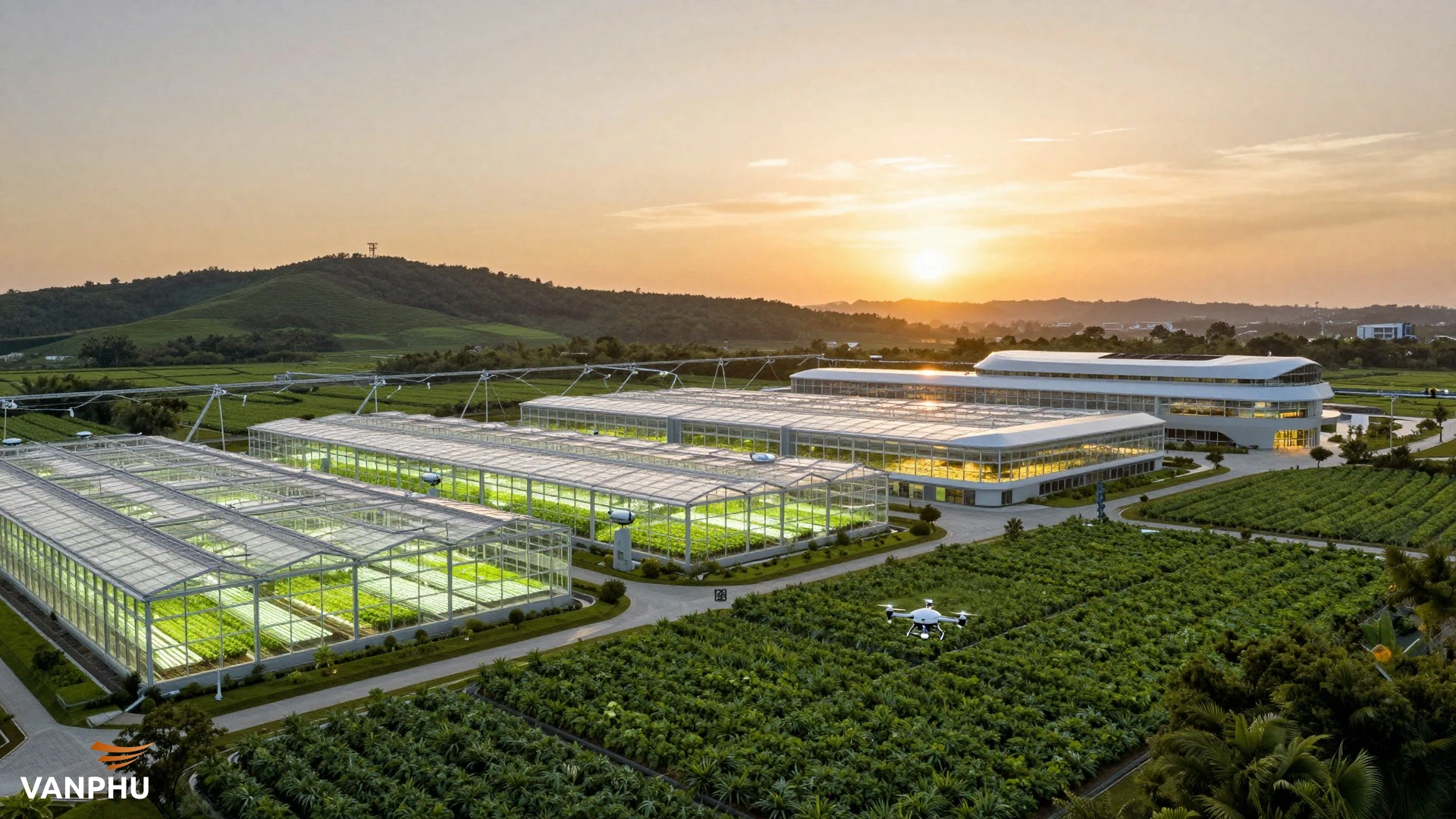
High-tech agricultural real estate is no longer a niche segment for experimental farmers. Today, it represents a sophisticated intersection of land assets, advanced science, and industrial-scale efficiency. Investors are increasingly looking toward this sector as traditional residential markets face tighter regulations. This shift is driven by a global demand for food security and high-quality produce.
In Vietnam, the landscape for agricultural land is undergoing a radical transformation. The government is actively refining legal frameworks to encourage large-scale, technology-driven farming. This evolution offers a unique window for investors to secure assets that promise long-term appreciation and consistent yields. Understanding the mechanics of this market is essential for anyone looking to diversify their portfolio with sustainable assets.
How is the new legal corridor shaping high-tech agricultural zones?
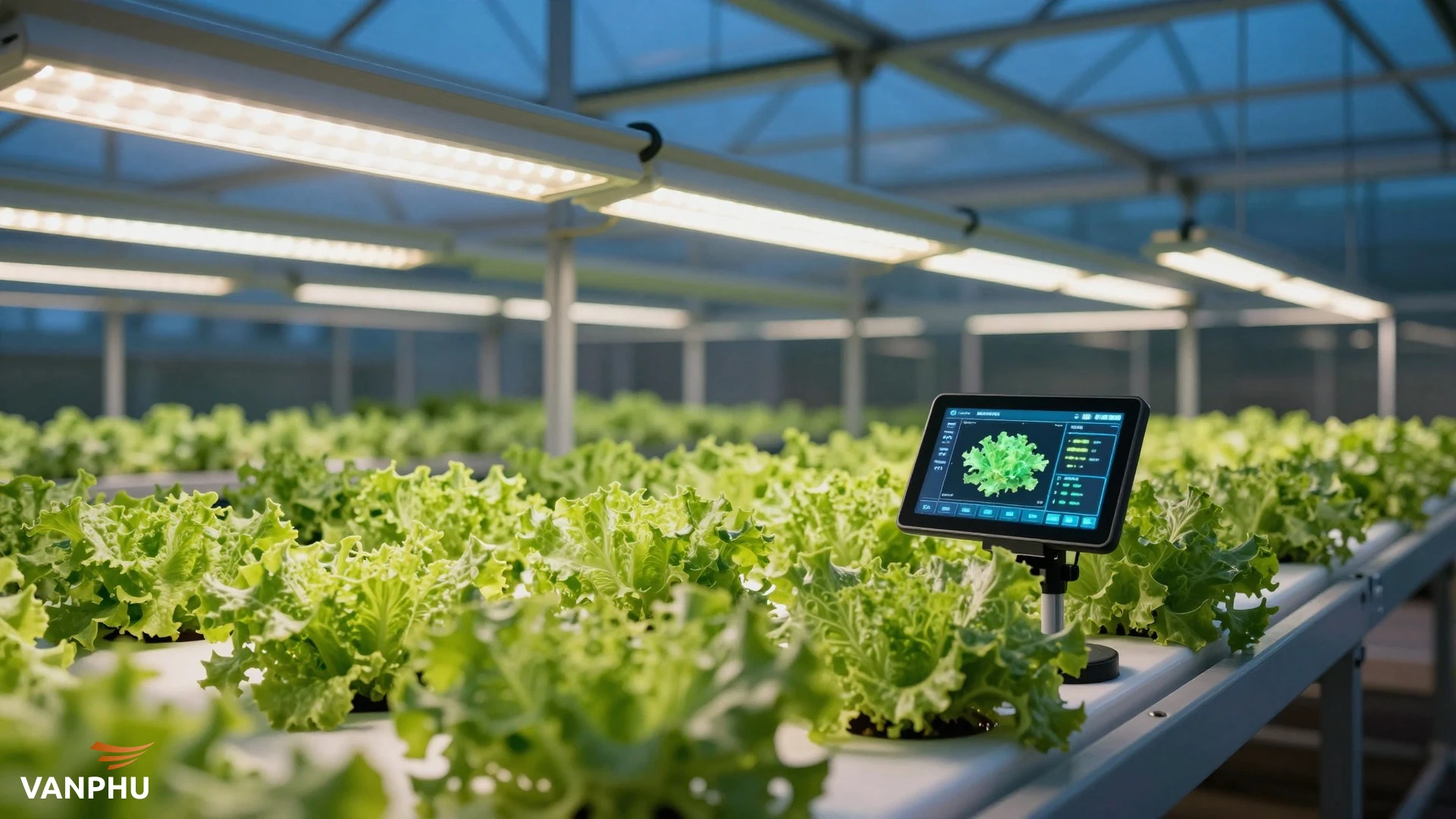
The legal framework for high-tech agriculture is currently receiving a significant overhaul. The Ministry of Agriculture and Rural Development is drafting a new Decree to specify the High-Tech Law. This Decree, expected to take effect by July 2026, aims to resolve long-standing bottlenecks in land use and management [1]. It focuses on creating a synchronized legal environment for innovation.
One of the primary goals is to clarify the organizational models of high-tech agricultural zones. Authorities want to define clear boundaries between central and local management responsibilities [1]. This decentralization will likely speed up the approval process for new investment projects. For investors, this means less red tape and more predictable development timelines.
Furthermore, the draft Decree introduces a controlled testing mechanism for new technologies. This "sandbox" approach allows businesses to trial innovative farming methods without being stifled by rigid existing regulations [1]. Such flexibility is crucial for attracting venture capital into the agricultural sector. It ensures that Vietnam remains competitive in the global race for agritech supremacy.
What are the specific investment incentives under the new regulations?
The government is prioritizing projects that demonstrate high technological content and environmental friendliness. Incentives often include preferential land lease rates and tax exemptions for imported machinery. These policies are designed to lower the initial capital expenditure for large-scale operations. By reducing the financial burden, the state hopes to foster a surge in private sector participation.
Moreover, the new regulations emphasize the "spillover effect" of technology. Projects that can transfer knowledge to local farming communities are viewed more favorably [1]. This social impact component is becoming a key criterion for project selection. Investors who align their business models with these social goals may find it easier to secure prime land allocations.
Understanding these legal shifts is vital for navigating the market. You should also consider what are the most significant changes in the new Land Law 2024? to see how broader land reforms impact agricultural holdings. The synergy between high-tech decrees and land law updates creates a robust foundation for property value growth.
Why does Ho Chi Minh City view agriculture as a strategic economic pillar?
Even as a bustling urban metropolis, Ho Chi Minh City (HCMC) continues to prioritize agriculture. The city leadership views the sector as a "support pillar" for the broader economy [2]. However, the focus has shifted entirely away from traditional, low-value farming. The city is now positioning itself as a hub for high-tech agricultural research and post-harvest technology.
The orientation for HCMC involves integrating advanced science into every stage of the value chain. This includes everything from seed selection to sophisticated packaging and preservation techniques [4]. By focusing on post-harvest technology, the city aims to reduce waste and increase the export value of its products. This strategy transforms agricultural land from simple production sites into high-value industrial assets.
In the first quarter of 2026, HCMC set ambitious growth targets, with agriculture playing a contributing role [2]. The city is implementing Resolution 19, which focuses on the development of agriculture, rural areas, and the livelihoods of farmers. This political commitment ensures that infrastructure investments will continue to flow into the city's outlying agricultural districts.
How does urban high-tech farming impact real estate values?
High-tech farming in urban fringes creates a unique real estate dynamic. As the city expands, these agricultural zones act as green buffers that also generate high economic returns. The integration of technology allows for vertical farming and indoor facilities that require less land but produce higher yields. This efficiency makes the land more valuable on a per-square-meter basis compared to traditional farming.
Investors are looking at these areas for long-term land banking opportunities. While the current use is agricultural, the high-tech infrastructure adds a layer of industrial value. Prominent developers like Văn Phú are increasingly recognizing the intersection of urban planning and sustainable land use. This trend suggests that agricultural real estate is becoming a core component of modern urban ecosystems.
The city's focus on agriculture as a strategic pillar provides a safety net for investors. Government backing often leads to improved road networks, stable power grids, and better water management systems. These infrastructure improvements directly correlate with rising land prices in the surrounding areas.
What are the national targets for high-tech agricultural production by 2030?
Vietnam has set clear, quantifiable goals for the modernization of its agricultural sector. According to the High-Tech Agriculture Development Program, the value of high-tech products should reach 20% of total agricultural value by 2025 [3]. By 2030, this figure is expected to rise to 30%. These targets represent a massive shift in how the country utilizes its land resources.
To achieve these goals, the industry must maintain a labor productivity growth rate of 7-8% per year [3]. This can only be accomplished through the widespread adoption of automation and biotechnology. For real estate investors, this signals a long-term demand for specialized facilities such as smart greenhouses, automated irrigation systems, and climate-controlled storage.
The government also aims to master at least 8-10 key technologies in the priority list. These include gene editing, biological pest control, and precision farming using IoT sensors [3]. Mastering these technologies locally will reduce the cost of high-tech farming, making it more accessible to a broader range of investors and enterprises.
Which crops and livestock are being prioritized for high-tech investment?
The national strategy identifies specific "key products" that will receive the most support. These include high-yield rice varieties, tropical fruits for export, and high-quality livestock [3]. By focusing on 8-10 primary plant and animal breeds, the government hopes to create standardized, world-class products. This focus allows investors to target specific niches with high growth potential.
In addition to production, there is a heavy emphasis on the "closed-loop" production chain. This means integrating everything from seed production to processing and waste management on a single site [3]. Real estate that can accommodate these multi-functional operations is highly sought after. Such sites offer multiple revenue streams and better risk mitigation for the owner.
The drive to conquer difficult international markets is the ultimate motivation. High-tech agriculture allows Vietnamese products to meet the strict sanitary and phytosanitary standards of the EU, US, and Japan. As exports grow, the underlying land that produces these goods becomes an increasingly attractive asset class.
Which technologies are driving value in high-tech agricultural real estate?
Technology is the primary differentiator between traditional agricultural land and high-tech real estate. Automation is perhaps the most visible driver. Systems that automatically monitor soil moisture, nutrient levels, and temperature reduce human error and labor costs. These systems are often integrated into the property's infrastructure, increasing its total valuation.
Biotechnology also plays a critical role in enhancing land value. The development of pest-resistant and climate-resilient seeds ensures that the land remains productive even in adverse conditions [3]. This resilience is a key factor for investors concerned about climate change. Land that is "future-proofed" through biotech applications commands a premium in the market.
Furthermore, digital infrastructure is becoming as important as physical irrigation. The use of big data and AI to predict weather patterns and market demand allows for "precision agriculture" [5]. This level of data-driven management turns a farm into a high-efficiency factory. Investors are now looking for properties that are already equipped with high-speed connectivity and sensor networks.
How does post-harvest technology protect your investment?
Post-harvest losses are a major risk in traditional agriculture. High-tech real estate mitigates this risk by incorporating cold chain logistics and advanced preservation facilities [4]. Technologies such as modified atmosphere packaging (MAP) and rapid cooling can extend the shelf life of produce significantly. This ensures that the value created in the field is preserved until it reaches the consumer.
Investing in land that includes processing and storage facilities is a smart move. It allows the producer to wait for optimal market prices rather than being forced to sell immediately after harvest. This flexibility directly translates to higher profit margins and more stable cash flows. It is one reason why why is certified green real estate the ultimate strategy for modern developers? is a question often asked in the context of sustainable agriculture.
The integration of digital platforms for traceability is another value-add. Consumers today want to know exactly where their food comes from. Properties that can provide a "digital birth certificate" for their produce are more likely to secure lucrative contracts with high-end retailers and international buyers.
How are major enterprises pioneering the smart farming revolution?
Large corporations are the vanguard of high-tech agricultural development in Vietnam. Companies like VinEco, TH True Milk, and HAGL Agrico have invested billions of dollars into modernizing their operations [5]. These pioneers demonstrate the scalability of high-tech farming. Their success provides a roadmap for smaller investors and shows that the model is financially viable at a large scale.
TH True Milk, for example, uses Israeli technology to manage one of the world's largest concentrated high-tech dairy farms. Their use of microchips to monitor cow health and automated milking parlors has set a new standard for the industry. This level of investment transforms the surrounding land into a specialized economic zone, attracting further ancillary businesses and services.
Similarly, VinEco has focused on greenhouse technology and the "VietGAP" standards to ensure food safety. By creating a recognizable brand for high-tech produce, they have increased the market's willingness to pay a premium. This branding effect indirectly boosts the value of the land where these products are grown. It proves that the "software" of agriculture—branding and standards—is just as important as the "hardware."
What can smaller investors learn from these corporate giants?
The key lesson from major players is the importance of the ecosystem. You should not just buy land; you should buy into a system. This involves securing reliable technology partners, establishing clear supply chains, and adhering to international standards [5]. Smaller investors can participate by leasing land within established high-tech zones or by forming cooperatives that share the cost of expensive machinery.
Another lesson is the value of international cooperation. Many of Vietnam's high-tech successes are based on learning from programs like the EU's Horizon Europe [5]. By adopting global best practices, Vietnamese enterprises can quickly bridge the technology gap. Investors should look for projects that have strong ties to international research institutions or technology providers.
Finally, these giants show that sustainability is a core business requirement, not an optional extra. Using drones for precision spraying or solar power for irrigation reduces costs and appeals to modern consumers [5]. This alignment with ESG (Environmental, Social, and Governance) principles makes the investment more attractive to institutional lenders and international funds.
Why is digital infrastructure essential for modern agricultural land development?
Modern agricultural real estate is increasingly defined by its "digital twin." Vietnam is currently pushing for the development of a National Agricultural Data Platform [5]. This platform will store information on climate, soil quality, supply chains, and traceability. For an investor, having access to this data is like having a high-resolution map of their asset's performance.
Digital infrastructure allows for the "democratization" of high-tech farming. When data is shared across a common space, even smaller plots can benefit from advanced analytics. This connectivity enhances the overall value of an agricultural region. It turns isolated farms into a smart network that can respond collectively to market shifts or weather events.
The government is also investing in "digital agriculture infrastructure" to improve connectivity in rural areas. This includes 5G rollout and the deployment of IoT gateways. Properties located in areas with superior digital connectivity will likely appreciate faster. They offer the necessary foundation for the next generation of autonomous farming equipment and AI-driven management.
How does the "Internet of Things" (IoT) transform land management?
IoT sensors provide real-time visibility into the health of the land. Instead of relying on seasonal checks, owners can monitor their assets 24/7 from a smartphone. This constant stream of data allows for "just-in-time" interventions, preventing crop failure and optimizing resource use. Such precision reduces the volatility of agricultural returns, making the land a more stable investment.
Moreover, IoT facilitates the "sharing economy" in agriculture. Farmers can rent out their automated equipment or drone services through digital platforms. This increases the utilization rate of expensive assets and creates additional income for the land owner. The land becomes a platform for various technology-enabled services, rather than just a place to grow crops.
The integration of high-tech legal frameworks with digital infrastructure creates a powerful synergy. As the law catches up with technology, the risks associated with high-tech farming decrease. This encourages more conservative investors to enter the market, further driving up property values in the high-tech agricultural segment.
Should investors pivot toward high-tech agricultural assets now?
The timing for entering the high-tech agricultural real estate market is currently optimal. With the new High-Tech Law Decree arriving in 2026, the legal path is becoming clearer [1]. Early movers can secure land at lower prices before the full impact of these regulations is priced into the market. The transition from traditional to high-tech farming is an inevitable trend that will define the next decade.
Furthermore, the global emphasis on sustainability and food security provides a strong tailwind. Agricultural land is a tangible asset that provides a hedge against inflation. When combined with high-tech efficiency, it offers a rare combination of capital appreciation and operational yield. It is a "green" investment that delivers "black" bottom-line results.
However, success requires a specialized approach. Investors must move beyond the "buy and hold" mentality of traditional real estate. High-tech agricultural assets require active management and a commitment to continuous innovation. Those who are willing to embrace the complexity of agritech will find themselves at the forefront of Vietnam's most promising investment frontier.
What are the key risks to consider in this sector?
Despite the potential, high-tech agriculture is not without risks. The high initial cost of technology is a significant barrier. There is also the risk of "technological obsolescence," where today's cutting-edge systems become outdated in a few years. Investors must ensure they have the technical expertise or the right partners to maintain and upgrade their systems.
Market risk is another factor. While high-tech produce commands a premium, it is also more sensitive to changes in consumer spending power. Additionally, international trade barriers or changes in export regulations can impact profitability. Diversifying crop types and targeting both domestic and international markets can help mitigate these risks.
Finally, there is the human element. High-tech farming requires a skilled workforce that is comfortable with data and automation. Investing in training and talent retention is essential. As the sector grows, the competition for agritech talent will intensify. Investors who build strong teams will have a significant competitive advantage in the long run.
More Information
- High-Tech Agricultural Zone: A specialized area dedicated to the research, application, and demonstration of advanced agricultural technologies to improve productivity and product quality (20-40 words).
- Post-Harvest Technology: The techniques applied to agricultural produce after harvest for protection, conservation, processing, and packaging to minimize loss and maximize value.
- Closed-Loop Production: An integrated farming system where the outputs of one process serve as the inputs for another, minimizing waste and environmental impact.
- Digital Twin in Agriculture: A virtual representation of a physical farm or crop that uses real-time data to simulate and optimize farming operations.
- Traceability: The ability to track the movement of a food product through all stages of production, processing, and distribution using digital records.