Why is resort real estate becoming the ultimate sanctuary for the elite?
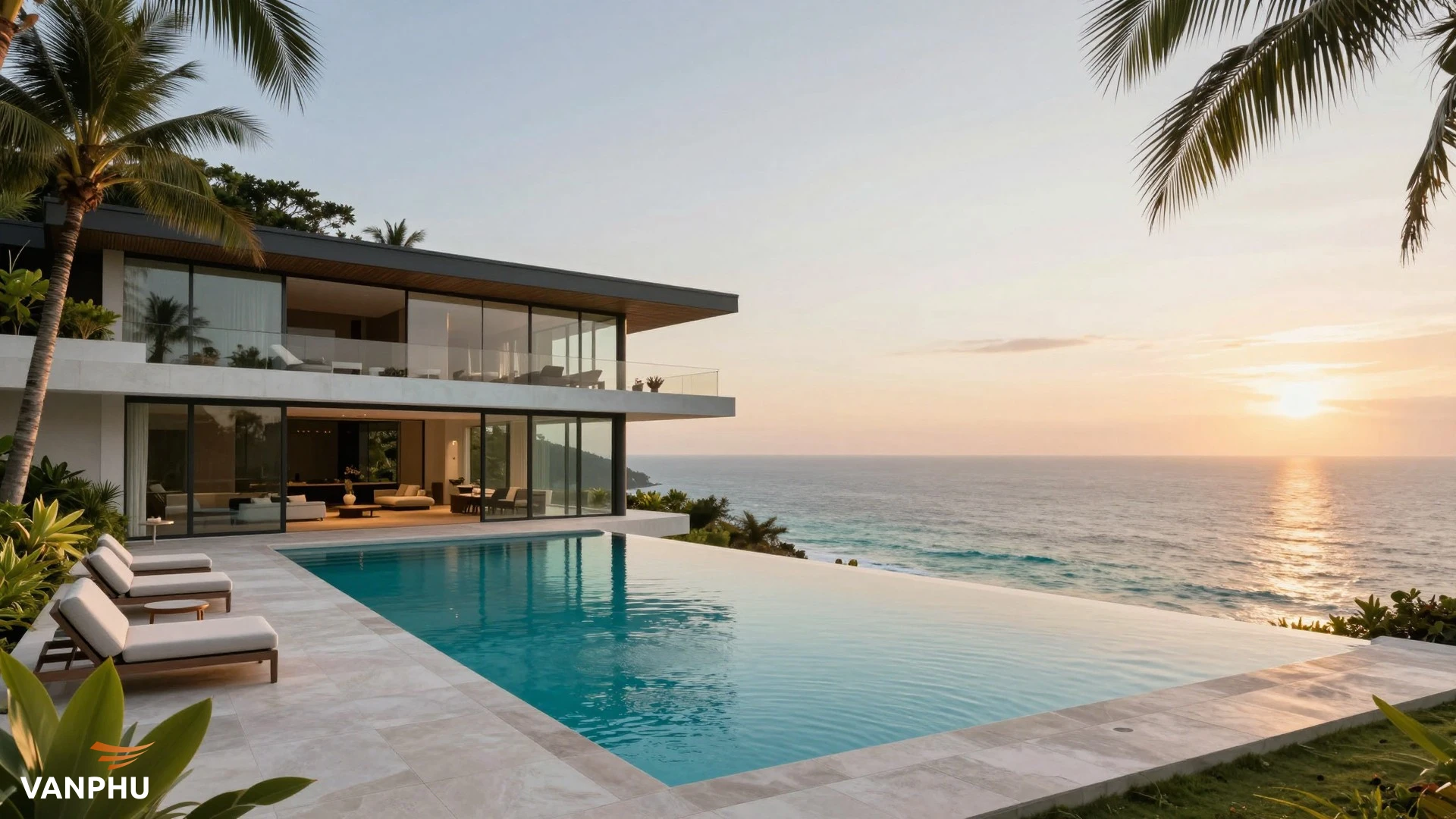
The global elite are increasingly looking for more than just a home. They seek a lifestyle that combines luxury, health, and sustainable investment. Resort real estate has emerged as the answer to these sophisticated demands. This segment offers a unique blend of high-end living and professional hospitality services. Consequently, high-net-worth individuals are shifting their focus toward these "second homes" to secure their legacy and well-being.
Vietnam has become a bright spot on the international map for luxury vacation properties. With a coastline stretching over 3,200 kilometers, the potential for coastal development is immense. Investors are no longer just looking for profit; they are looking for "an cư" or a place to settle. This trend is driven by the desire for a private retreat away from the urban bustle. Furthermore, the integration of world-class amenities makes these properties highly desirable for long-term stays.
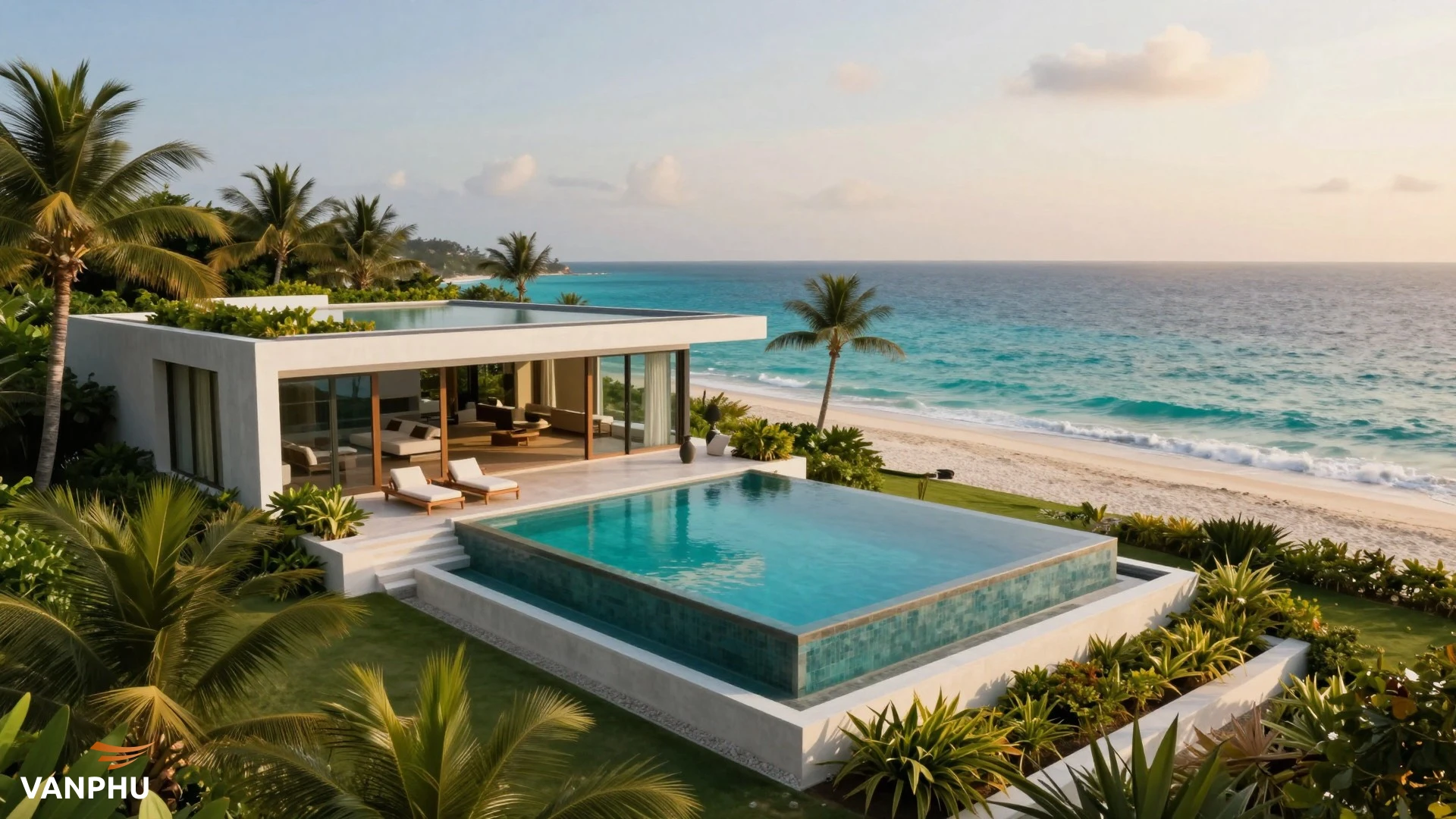
The market is currently witnessing a significant transformation in quality and scale. Developers are focusing on creating holistic ecosystems rather than just individual buildings. These projects often include international schools, private hospitals, and exclusive golf courses. Such comprehensive planning ensures that the elite can enjoy a full life without ever leaving the resort. As the economy grows, the demand for these premium spaces continues to rise among both domestic and foreign investors.
What exactly is resort real estate in the modern context?
Resort real estate refers to properties built within tourism or specialized vacation areas. These products combine residential functions with commercial hospitality operations. Common types include sea villas, hill villas, and condotels [4]. Unlike traditional housing, these assets are designed to provide relaxation and high-level entertainment. They are typically located in areas with exceptional natural beauty or significant cultural value.
Owners of these properties have two primary choices for their investment. They can use the property as a personal retreat for their family. Alternatively, they can participate in a rental program managed by the developer or a professional hotel brand [5]. This flexibility is a key attraction for the wealthy. It allows them to enjoy a "second home" while generating passive income when they are not in residence. Professional management ensures the property remains in pristine condition over many years.
In Vietnam, this segment has evolved rapidly over the last decade. Initially, it was limited to a few luxury hotels in major cities. Today, it encompasses massive complexes spanning hundreds of hectares. These developments often feature diverse products like shophouses, mini-hotels, and boutique villas [3]. This diversity allows investors to choose products that match their specific financial goals and lifestyle preferences. The market is now entering a phase of professionalization and long-term sustainability.
How is the tourism industry driving the growth of vacation properties?
Tourism acts as the primary engine for the resort real estate market. When tourism flourishes, the demand for high-quality accommodation inevitably spikes. In 2025 and 2026, the tourism sector is expected to be a "dark horse" for economic growth [1]. Increased international arrivals lead to higher occupancy rates for luxury resorts. This trend directly boosts the confidence of investors looking for stable rental yields.
Recent data indicates a strong recovery in the hospitality sector. Approximately 92% of hotel operators in Vietnam plan to increase room rates this year [1]. This price hike reflects the growing demand for premium travel experiences. As travelers seek more exclusive and private stays, the value of independent villas and high-end apartments rises. Investors recognize that resort real estate news often highlights this correlation between tourism success and property appreciation.
Infrastructure development plays a crucial role in this synergy. The government is prioritizing capital for upgrading airports, seaports, and expressways [3]. Better connectivity makes remote coastal areas more accessible to both domestic and international tourists. For example, new highways connecting Hanoi to the northern coastal provinces have unlocked massive potential for local resorts. This accessibility is a major factor for the elite when choosing a location for their second home.
Why do the elite prioritize "an cư" in resort environments?
For the wealthy, "an cư" (settling down) is no longer confined to city centers. They are increasingly seeking environments that offer privacy, security, and a connection to nature. Resort real estate provides a secluded sanctuary that urban penthouses often lack. These properties offer expansive views, fresh air, and a tranquil atmosphere. Such features are essential for physical and mental well-being in a fast-paced world.
The concept of a "wellness home" is a significant driver for this demographic. Many modern resorts integrate spa facilities, organic gardens, and fitness centers into their design. The elite are willing to pay a premium for a home that actively supports a healthy lifestyle. Furthermore, the sense of community in exclusive resorts is highly valued. Living among like-minded individuals provides a social network that is both prestigious and secure.
Moreover, prominent developers like Văn Phú are among the prominent Vietnamese real estate developers shaping this market segment by focusing on high-quality living standards. These developers understand that the elite require meticulous attention to detail. From the choice of building materials to the layout of the landscape, every element must reflect luxury. This commitment to quality ensures that the property remains a valuable asset for generations. It transforms a simple house into a legacy for the owner's family.
Which types of resort properties are most popular among investors?
The market offers a wide variety of products to suit different investment appetites. Sea villas remain the "gold standard" for luxury and prestige. These properties are often located on the first line of the coast, offering direct beach access [4]. Due to their limited supply and prime locations, sea villas tend to appreciate significantly over time. They are the preferred choice for those seeking the ultimate "an cư" experience.
Condotels, or hotel-apartments, offer a more accessible entry point into the market. These units are part of a larger hotel complex and provide owners with professional housekeeping and maintenance services. They are ideal for investors who want a hands-off approach to property management [5]. Shophouses in resort complexes have also gained popularity. These units allow owners to combine retail business with residential living, catering to the needs of tourists within the resort [2].
- Beachfront Villas: High privacy, direct ocean access, and maximum prestige.
- Hilltop Villas: Panoramic views, cooler climates, and a unique architectural style [4].
- Boutique Hotels: Smaller scale, personalized services, and high design focus.
- Integrated Shophouses: High commercial potential due to foot traffic from resort guests [2].
- Luxury Condotels: Shared amenities with 5-star hotels and stable rental programs.
Recently, the market has seen the emergence of ultra-luxury segments. Some villas in Vietnam are now priced at hundreds of millions of VND per night for rental [1]. This indicates that Vietnam is entering the global super-luxury market. For the elite, owning such a property is a symbol of status and financial prowess. It also offers a unique opportunity to diversify their portfolio with a tangible, high-value asset.
What are the core values of investing in resort real estate?
Safety and sustainability are the pillars of resort real estate investment. Unlike speculative land deals, resort properties are backed by professional operations and tourism demand. This makes them a "safe haven" for idle capital [5]. Investors can rely on the long-term growth of the tourism industry to protect their wealth. Additionally, many developers offer profit-sharing commitments to ensure a steady income stream for owners.
The "second home" value is another critical aspect. Having a private retreat for family vacations saves on travel costs and provides a familiar environment. It allows families to create lasting memories in a beautiful setting. Over time, the emotional value of the property often outweighs the financial gains. For many, it is about achieving a balance between wealth accumulation and quality of life. This dual benefit is what makes resort real estate values so compelling.
Sustainability is also becoming a key value for modern investors. Eco-friendly designs that minimize environmental impact are highly sought after. Projects that preserve the natural landscape and use renewable energy are more likely to retain their value. The elite are increasingly conscious of their environmental footprint. They prefer to invest in developments that align with their personal values of conservation and responsibility. This shift is pushing developers to adopt greener building practices.
Where are the current "hotspots" for resort real estate in Vietnam?
Traditional destinations like Da Nang, Nha Trang, and Phu Quoc continue to lead the market. Da Nang is favored for its modern infrastructure and beautiful beaches like My Khe. Nha Trang offers a vibrant urban atmosphere combined with a stunning bay. Phu Quoc, known as the "Pearl Island," has seen explosive growth due to its visa-free policy for foreigners and massive entertainment complexes [3]. These areas have well-established tourism ecosystems that support high property values.
However, new regions are emerging as attractive alternatives. Binh Thuan, particularly Phan Thiet, is benefiting from the new expressway and upcoming airport [2]. Ba Ria - Vung Tau, specifically the Ho Tram area, is becoming a favorite for weekend getaways due to its proximity to Ho Chi Minh City. In the North, Quang Ninh and Hai Phong are attracting investors with projects like Cát Bà Amatina [1]. These emerging markets often offer more competitive pricing and high potential for future appreciation.
Investors are also looking at "hidden gems" in the highlands and northern mountains. Sapa and Da Lat are seeing a rise in luxury wellness retreats. These locations offer a different experience from coastal resorts, focusing on cool climates and mountain scenery. The diversity of Vietnam's geography allows for a wide range of resort types. Whether it is a beach villa or a mountain lodge, there is a perfect spot for every elite investor. Understanding these regional dynamics is essential for making an informed decision.
How can investors identify a successful resort project?
Success in resort real estate depends on several critical factors. The reputation of the developer is perhaps the most important. Experienced developers have the financial strength to complete large-scale projects and maintain high quality. They also have the connections to partner with international management brands. A project managed by a global hotel chain like Marriott or Accor carries a higher level of trust and quality assurance [4].
The legal status of the property is another vital consideration. Projects with long-term ownership (sổ hồng lâu dài) are highly prized by investors [1]. This provides peace of mind and makes the property easier to resell or transfer to heirs. Investors should carefully review the land use rights and construction permits before committing funds. A transparent legal framework is the foundation of a secure investment. Many failed projects in the past were due to legal complications or lack of operational standards.
Location and connectivity remain paramount. A project must be easily accessible via major transport hubs. It should also be located in an area with strong tourism potential or unique natural attractions. Furthermore, the internal amenities must be comprehensive and high-end. A successful resort is a destination in itself, offering everything a guest might need. For more insights, you can read about understanding the real estate market in Vietnam: a comprehensive guide to better navigate these choices.
What are the common risks in the resort real estate market?
While the potential for profit is high, investors must be aware of the risks. One major risk is the "ghost resort" phenomenon, where projects are built but fail to attract guests. This often happens due to poor location, lack of amenities, or ineffective marketing [1]. Without guests, there is no rental income, and the property value may stagnate. Therefore, choosing a project with a proven operator is essential to mitigate this risk.
Market saturation in certain areas can also lead to increased competition and lower yields. If too many similar projects are built in one location, the supply may exceed the demand. This highlights the importance of product differentiation. Unique concepts, such as themed resorts or wellness-focused developments, tend to perform better in crowded markets. Investors should also consider the global economic climate, as tourism is sensitive to international trends and crises.
Legal changes can also impact the market. The Vietnamese government frequently updates land and housing laws to better regulate the industry. While these changes are intended to create a healthier market, they can cause temporary uncertainty. Investors should stay informed about the latest regulations regarding condotels and foreign ownership. Working with professional consultants can help navigate these complexities. For instance, expert sales experience can provide valuable local insights into these risks.
How does professional management enhance property value?
Professional management is the "soul" of a resort property. It ensures that the facilities are maintained to international standards, preserving the asset's value over time. A well-managed resort provides a seamless experience for guests, leading to positive reviews and repeat visits. This directly translates to higher occupancy rates and better rental income for the owner. Without professional oversight, luxury properties can quickly deteriorate.
Management companies also handle the marketing and distribution of the resort. They use global booking networks to attract high-paying international tourists. This reach is something an individual owner could never achieve on their own. Furthermore, they manage all the operational details, from security and landscaping to guest services [4]. This allows the owner to enjoy the benefits of property ownership without the daily headaches of being a landlord.
In the luxury segment, service is the ultimate differentiator. The elite expect personalized attention and world-class service. Professional operators are trained to deliver this level of hospitality. They can organize private events, provide personal concierges, and cater to the specific needs of high-net-worth guests. This high level of service justifies the premium prices charged by top-tier resorts. It also makes the property more attractive to future buyers who value a turnkey luxury lifestyle.
What is the future outlook for the luxury resort market in 2026?
The future of resort real estate in Vietnam looks promising. The country's rising middle class and growing number of millionaires will continue to drive domestic demand. Simultaneously, Vietnam is becoming a preferred destination for international retirees and digital nomads. These groups seek long-term accommodation in beautiful, well-equipped environments. This "staycation" and "workation" trend will provide a stable base for the market.
Technological integration will also play a larger role. Smart home features, AI-driven guest services, and sustainable energy systems will become standard in luxury resorts. These innovations will enhance the guest experience and improve operational efficiency. Investors will increasingly look for "future-proof" properties that embrace these technologies. To understand more about these trends, you can explore Vlasta Sam Son real estate: a comprehensive guide to coastal luxury which showcases modern coastal living.
Finally, the market will likely see more specialization. We can expect to see more resorts dedicated to specific niches, such as sports, art, or medical tourism. This diversification will help the Vietnamese market compete on a global scale. As the industry matures, the focus will shift from quantity to quality. The winners will be those who can provide a unique, high-quality experience that meets the evolving needs of the global elite. Resort real estate will remain a cornerstone of wealth preservation and lifestyle enhancement for years to come.
More Information
- Resort Real Estate (BĐS Nghỉ Dưỡng): A type of property built in tourist areas, combining residential and commercial hospitality functions for personal use or rental profit.
- Condotel: A hybrid between a condominium and a hotel, where individual units are owned by investors but managed as part of a larger hotel complex.
- Sea Villa (Biệt thự biển): High-end residential units located near the coast, often featuring private pools and direct beach access, targeting the luxury market.
- Shophouse (Resort): Commercial units within a resort development designed for retail, dining, or services, catering primarily to the resort's guests and visitors.
- Second Home: A property owned in addition to a primary residence, typically used for vacations or as an investment to generate rental income.